Best 8 Inch Hiking Boots: What Actually Matters Before You Buy in 2026
Disclosure: We may earn a commission when you buy through links on this page, at no extra cost to you. As an Amazon Associate I earn from qualifying purchases. Learn more

Compare the best 8 inch hiking boots by fit, ankle support, traction, waterproofing and weight, with a buyer checklist and clear sizing answers.
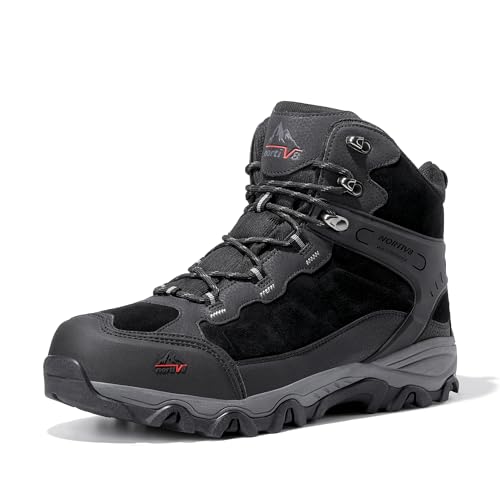
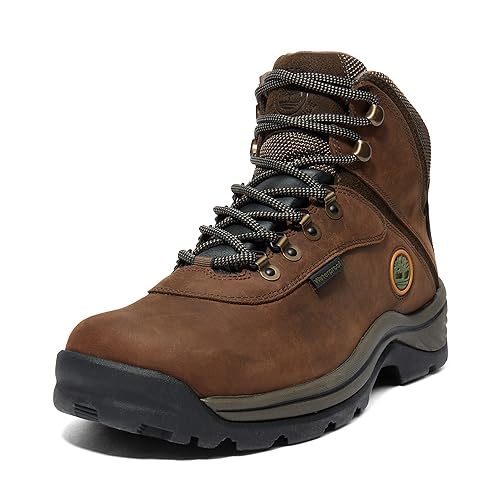
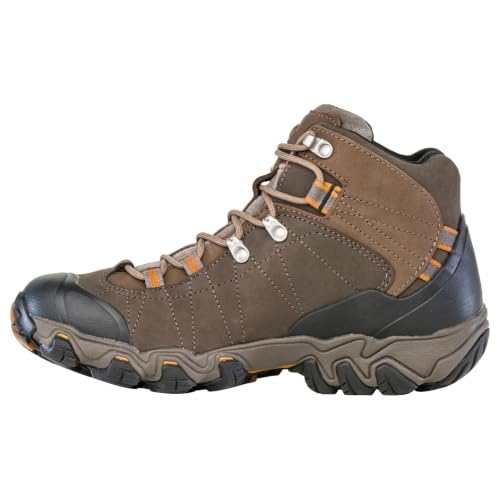
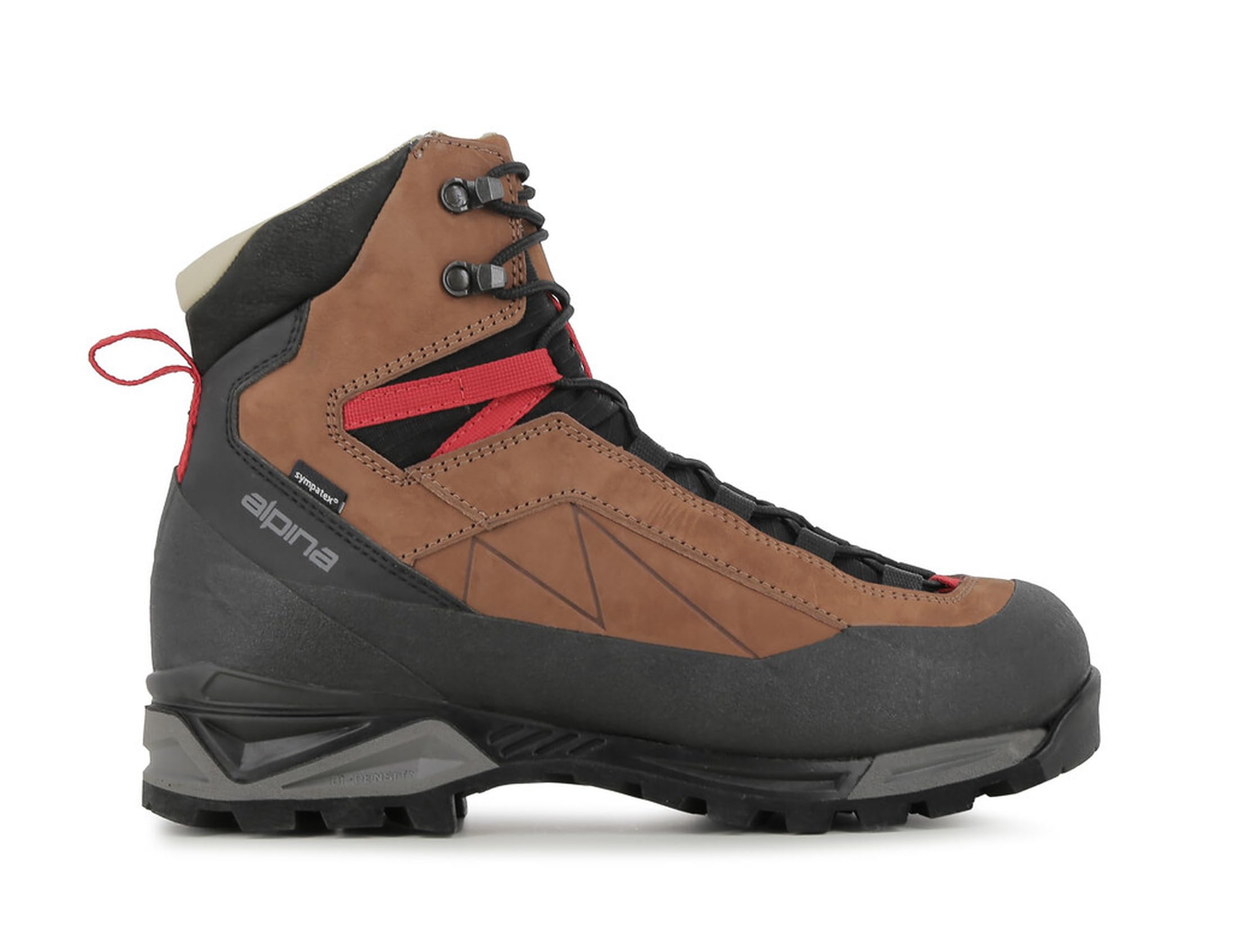
A taller boot is not automatically a better boot. The best 8 inch hiking boots earn their height with real ankle coverage, a stable platform and traction that matches your trails, not just a high collar on a soft shoe. This guide follows a checklist approach, so you judge any pair by fit, support, grip and build quality first. Start with the product table below, then check each pair against your feet and your terrain.
Height is the defining trait here. An 8 inch shaft rises above the ankle bone, which helps block trail debris, braces the joint on uneven ground and keeps splashes out. That extra coverage also adds weight and warmth, so the right pair depends on how far you walk, what you carry and how rough the ground gets.




Who Should Buy 8 Inch Hiking Boots for the Trail
Backpackers carrying heavier loads over several days
A loaded pack stresses your ankles, and fatigue late in the day makes a rolled ankle more likely. A tall, stiff boot spreads that load and holds the heel in place on descents. If your pack regularly passes about 30 pounds, the support of this height class usually outweighs its extra ounces. Lighter day loads rarely need it, and lightweight shoes feel fresher on short, smooth routes.
Hikers who twist ankles on rocky or rooty ground
If your ankles give way on loose rock, exposed roots or off camber slopes, the tall collar acts like a brace you lace on, limiting how far the joint can roll. Look for a firm heel counter and lacing that locks the midfoot, because a tall but sloppy collar adds little stability. Pair this height with strength work for the lower leg if you have a history of sprains, and note that recurring pain or instability deserves a professional assessment rather than a boot change alone.
Trail crews, hunters and off trail walkers
People who leave the treadway push through brush, side hills and creek edges where ankles take knocks and grit pours in. Tall boots shrug off that abuse, seal well with gaiters and protect your shins. If your work instead demands a safety toe and job site ratings, see our guide to the best 8 inch work boots for options built around workplace rules.
Key Features to Compare in Tall Hiking Boots
Height alone tells you little. Judge the best 8 inch hiking boots by the six factors below, and weak pairs reveal themselves before the price tag.
Fit, sizing and room in the toe box
Measure both feet late in the day, when they are largest, and try boots on with your hiking socks. Your toes need roughly a thumb width of space in the toe box so they never jam on descents, while the heel should lift only slightly on an incline ramp. If the heel slips, try a heel lock lacing loop before you change size, because a tall shaft makes slip obvious.
Collar height, ankle support and overall stability
The shaft should rise about 8 inches from the sole and hug the lower shin without pressing on the ankle as you flex forward. Stability comes from the whole system: a firm heel counter, a torsionally stiff midsole and lacing hooks that let you tension the ankle separately from the forefoot. A soft collar over a flexible sole feels plush in the store yet folds on side slopes, so check support by standing on a step edge.
Outsole traction for wet rock, mud and loose gravel
Lugs around 4 to 5 mm bite into mud and loose dirt, while wider spaced lugs shed clay instead of packing smooth. On wet rock, a softer rubber compound and broad contact patches matter more than depth, and a heel breast helps you brake on steep descents. Match the outsole to your terrain, because deep mud lugs skate on polished stone and shallow lugs spin in soft ground after rain.
Waterproof membranes versus breathable builds
A Gore Tex or similar membrane keeps creek splashes and wet grass out, suiting cool, damp climates and slower paced trips. The trade off is airflow, since waterproof boots dry slowly once soaked and feel hot in summer heat. Non waterproof, breathable mesh builds drain fast and suit hot, dry regions where feet sweat more than they get rained on. Decide by your wettest typical day, and remember that no membrane stops water flowing over the collar.
Cushioning, shank stiffness and heel to toe drop
Most tall boots use a molded foam midsole over a nylon or composite shank, which shields the arch from sharp rocks and adds torsional stiffness. A heel to toe drop of about 8 to 12 mm suits most hikers and keeps calves relaxed on climbs. Flat feet and high arches both do fine with a matching insole shape, and readers coming from neutral shoes should expect a firmer, more guided ride. Lasting heel or arch pain calls for a professional fitting, not a stiffer boot.
Upper durability, weight and the break in period
Full grain leather uppers resist abrasion for years but weigh more and need the longest break in, often several weeks. Split leather mixed with synthetic panels cuts weight and softens faster, though seams and fabric panels usually wear sooner. A pair in this class commonly weighs about 2.5 to 3.5 pounds, and every extra ounce shows up late in a long day. Choose durability for frequent bushwhacking, and lighter builds for maintained trails.
A Quick Buyer Checklist Before You Order Tall Boots
Run through these checks with a pair on your feet, at home on carpet so returns stay simple. If your walking is mostly on pavement or farm tracks rather than trails, see our guide to the best 8 inch boots for tall styles built for everyday ground instead.
- Do your toes clear the front of the toe box when you press downhill on a ramp or a stair?
- Does the collar support your ankle without digging into your shin when you flex forward?
- Does your heel stay seated with only slight lift as you climb a step?
- Do the lugs match your main terrain, whether that is mud, wet rock or loose gravel?
- Is the waterproofing choice right for your wettest typical day, not your driest?
- Can you tension the forefoot, instep and ankle zones of the lacing separately?
- Does the weight feel acceptable for the longest distance you plan to walk?
Common Mistakes to Avoid With Tall Hiking Boots
- Buying tall boots a size small for a snug feel leaves toes bruised and blackened after the first long descent.
- Judging ankle support by collar height alone leads you to soft boots that fold sideways on rough ground.
- Wearing thin everyday socks on the first hike invites blisters where the tall collar edge rubs your shin.
- Choosing waterproof boots for hot desert routes traps sweat inside and keeps feet soft, sore and blister prone.
- Skipping the break in and starting with a long trip turns stiff new leather into heel blisters by mile five.
- Storing boots dirty and wet after a trip cracks leather, weakens glue and invites odors that never fully leave.
Care and Maintenance for 8 Inch Hiking Boots
After each hike, pull out the insoles, loosen the laces and brush off dried mud before it works into seams and stitching. Wash the uppers with lukewarm water and a soft brush, then air dry the boots at room temperature away from heaters and direct sun, because strong heat cracks leather and softens the glues that hold the sole. Newspaper stuffed in the toe speeds drying without distorting the shape.
Condition full grain leather when it looks pale and dry, and refresh water repellent treatments once water stops beading on the surface. Check lugs, midsole seams and lace hardware every season, and replace worn laces and compressed insoles before they change the fit. Retire a pair when the midsole feels dead and the outsole has worn smooth at the heel or forefoot, often after several seasons of steady use.
Frequently Asked Questions About Tall Hiking Boots
How long does it take to break in 8 inch hiking boots?
Most 8 inch hiking boots take about two to four weeks of short walks before they feel yours. Leather models sit at the long end, while synthetic blends often feel fine within a week. Build distance gradually, starting with walks under an hour, and tape hot spots before they blister. If heel slip persists after the uppers soften, the size or last is wrong rather than the break in being unfinished.
Are expensive 8 inch hiking boots worth the higher price?
Expensive 8 inch hiking boots are worth it when the extra cost buys full grain leather, a resoleable build or a last that matches your foot shape. Expect to pay about $150 to $300 for most quality pairs in this class, and paying more mainly adds durability rather than day one comfort. Casual hikers who walk a few weekends a year rarely use a boot long enough to recover the premium.
Do I need waterproof 8 inch hiking boots for summer hiking?
You need waterproof 8 inch hiking boots in summer only if your trails cross streams or your region gets frequent rain. In hot, dry conditions a breathable build keeps feet cooler and dries overnight at camp. A middle path is a non waterproof boot paired with waterproof socks for wet sections, then swapped out on dry trail.
How should 8 inch hiking boots fit around the ankle?
8 inch hiking boots should fit snugly around the ankle without cutting off circulation or pinching the Achilles tendon. Lace the forefoot firmly, leave a little ease over the instep, then use the top hooks to set ankle tension. Your shin should flex forward without the collar jabbing, and your heel should stay seated when you step down. Tingling or numbness means the lacing is too tight, not too loose.
Final Thoughts
Tall boots earn their place when support, protection and grip matter more than shaving ounces. Match the fit and outsole to your terrain first, then decide on waterproofing, and the best 8 inch hiking boots for your feet will pick themselves from a short list of two or three. Compare your finalists in the product table above, and order from the seller with the easiest returns.