Best 8 Inch Boots in 2026: Everything to Know Before Your First Purchase
Disclosure: We may earn a commission when you buy through links on this page, at no extra cost to you. As an Amazon Associate I earn from qualifying purchases. Learn more

Learn how 8 inch boots should fit, which uppers, soles and support suit work or trail days, and what first time buyers should check before ordering a pair.
Buying your first tall boots feels confusing because listings mix shaft heights, safety ratings and sole types without explaining them. The best 8 inch boots for you are the pair whose height, fit and support match your ground and your hours on your feet. This guide starts with the basics, then explains each choice in plain language.
Work through the sections below, note what matters most for your job or trail use, and check your shortlist against the product table below.

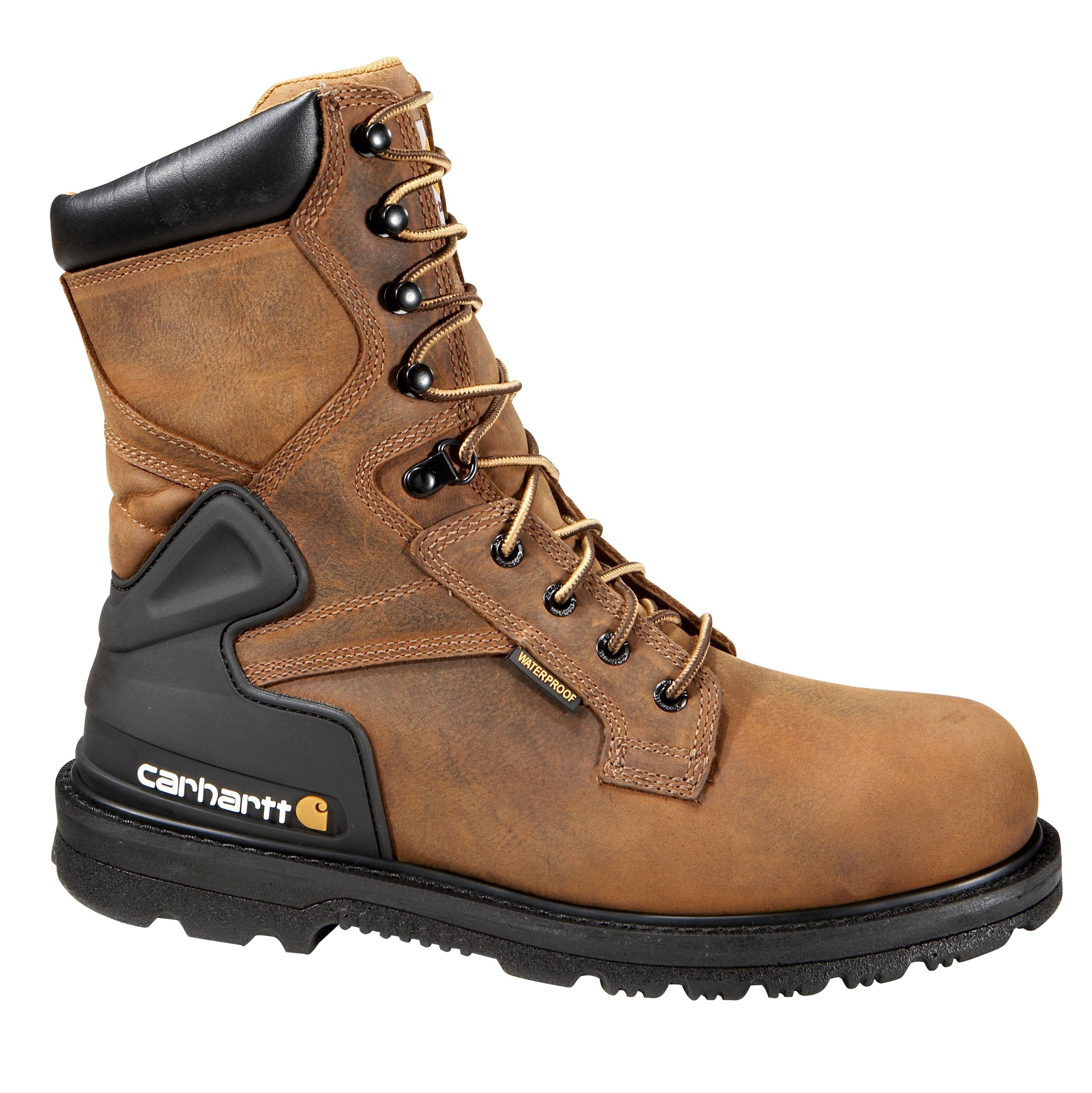

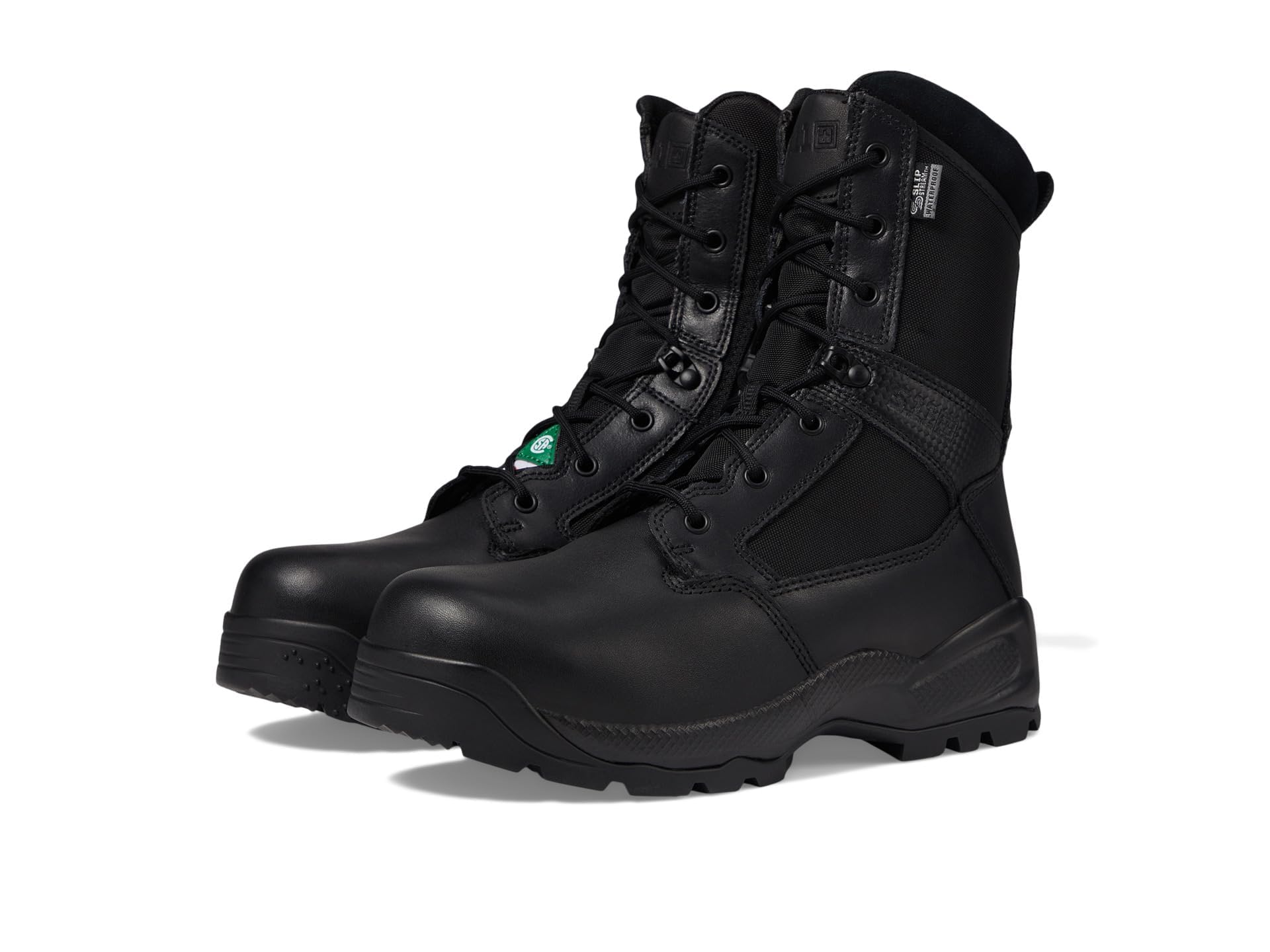

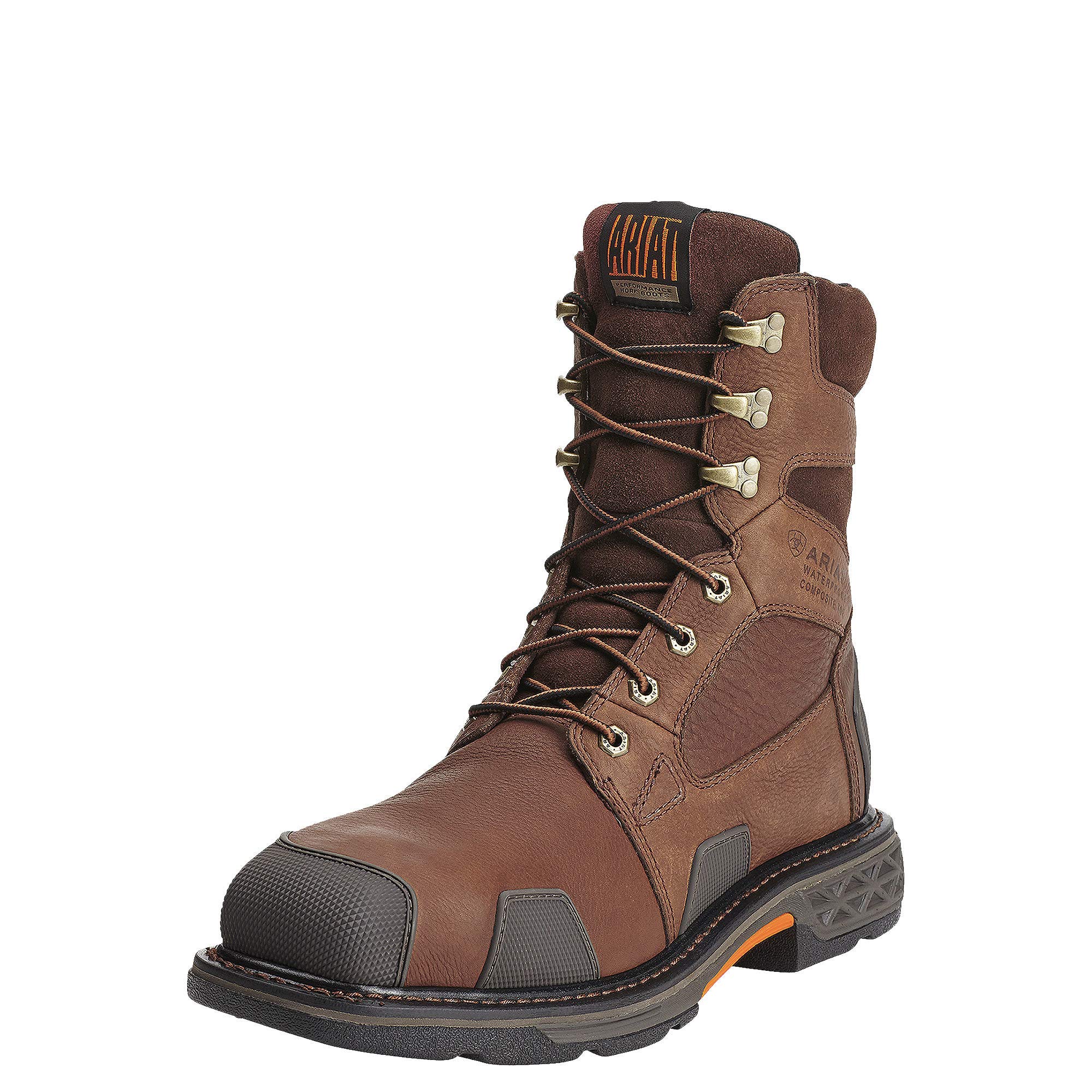


8 Inch Boots 101: The Basics for First Time Buyers
The 8 inch figure describes the shaft, the part of the boot that rises above your ankle, measured from the top of the sole up the back or side. A true 8 inch model usually reaches the lower calf and covers the ankle fully. The best 8 inch boots use that height to add stability on uneven ground and protection from brush, gravel and splashes beyond what a low shoe or a 6 inch boot offers.
Height alone does not create support. Support comes from how the shaft, laces and heel cup hold your ankle once tied, while comfort comes from cushioning and room inside.
Who Should Buy 8 Inch Boots?
Workers Who Stand and Walk on Hard Floors
If you work in a warehouse, on a loading dock or on concrete, the tall shaft spreads lace pressure and keeps your ankle steadier during long shifts. Many jobs also require a safety toe or a rated sole, so confirm your site rules before you shop. For a work focused shortlist, see our guide to the best 8 inch work boots and compare toe options there.
Hikers and Outdoor Workers Who Need Ankle Coverage
On trails, farm tracks and yards, a tall shaft keeps grit and stones out and backs up your ankle when the ground tilts underfoot. Readers comparing trail models can see our guide to the best 8 inch hiking boots for options built around outdoor miles.
Riders and Uniform Wearers Who Need a Tall Shaft
Riders, security staff and other uniform wearers often choose this height because the shaft tucks under trouser legs and covers the ankle against wind, heat and road debris. A smooth upper with few loose straps matters here, since snags become annoying at speed or on duty. Check any dress code first, because some employers specify toe shape, color or sole type.
Key Features to Compare in 8 Inch Boots
Fit, Sizing, and Toe Box Space in 8 Inch Boots
Measure both feet late in the day, when they are at their largest, and match the longer foot to the size chart for that brand. Your toes need room to spread inside the toe box, with roughly a thumb width of space ahead of your longest toe when you stand. Width matters as much as length, so choose a wide fitting if your forefoot feels squeezed. Sizes vary between brands, so check each chart.
Upper Materials and Breathability in Tall Boots
Full grain leather is thick and durable and molds to your ankle over time, but it feels warm and needs regular conditioning. Split leather paired with fabric panels weighs less and breathes better for hot sites, though it wears faster. A waterproof membrane such as Gore Tex keeps rain out while letting some vapor escape, though it feels warmer than an unlined boot. Choose leather for hard wear, fabric blends for heat, and a membrane for wet ground.
Arch Support, Cushioning, and Stability Underfoot
Midsole cushioning softens each step on hard floors, while arch support under your midfoot spreads load so your heel and forefoot do less work. Flat feet usually suit a firmer arch and a stable heel cup, while high arches often feel better with more cushioning. Heel to toe drop, the height difference between heel and forefoot, is small in most boots, and a lower drop feels flatter and steadier. If you use your own insoles, check the boot has enough depth for them.
Outsole Traction and Terrain for 8 Inch Boots
The outsole is the rubber layer that grips the ground, and its lug pattern should match your surface. Deep, widely spaced lugs shed mud and bite into soft trails, while shallow, broad lugs grip concrete and indoor floors. Softer rubber often holds better on wet stone but scuffs down sooner. If your site requires it, look for a stated slip resistant or oil resistant rating rather than guessing from the tread photo alone.
Durability and Expected Lifespan of 8 Inch Boots
Construction decides how long a pair lasts and whether it can be repaired. A stitched welt lets a cobbler replace the sole when the tread wears down, while a cemented sole is lighter and cheaper but usually ends the boot life once it separates. Daily wear on concrete often gives about one to two years of service, while occasional trail use can stretch much longer. Rotate two pairs if you can, because rest days let cushioning recover.
Break In Period and Comfort on Day One
A new tall boot should feel snug at the heel and midfoot, never painful at the toes or ankle bones. Leather shafts soften at your natural bend points over the first one to two weeks, while fabric uppers usually feel flexible right away. Sharp rubbing, numb toes or heavy heel lift are fit problems, not break in stages, so exchange the size instead of waiting. Top hooks let you adjust shaft tension separately from the forefoot.
Getting Started With Your First Pair of 8 Inch Boots
Start indoors. Wear the socks you plan to use, lace the boots and walk on carpet for an hour, checking for heel lift, toe pressure and rubbing at the ankle. Keep the packaging until this check feels right, because a pair worn only indoors is far easier to exchange.
Then build up over the first week. Wear the boots for two or three hours on day one, add time each day, and add stairs and a short outdoor walk once the fit feels secure. Heavier leather pairs tire calves more during this stage, so expect slower progress with them.
Common Mistakes to Avoid When Buying 8 Inch Boots
- Ordering your sneaker size without measuring, because boot lasts run differently and a wrong length causes heel lift and sore toes.
- Choosing the heaviest model for light duties, because extra weight tires your legs on days when you never needed it.
- Ignoring your work site safety rules, because a soft toe boot sent to a rated site has to go back before you can start.
- Trying boots on in thin socks, because the thicker socks you actually wear can turn a roomy boot into a tight one.
- Keeping a pair that rubs during a short indoor walk, because longer days will make that friction worse, not better.
- Judging grip from a product photo, because lug depth and rubber type matter more than how aggressive the tread looks on screen.
Care and Maintenance for 8 Inch Boots
Brush dirt off after each use and pull the insoles out so the lining can dry fully between wears. If the boots get soaked, stuff them loosely with plain paper and let them air dry away from direct heat, since radiators can crack leather and weaken sole glue. Clean leather with a damp cloth, then apply conditioner once the surface feels dry to the touch.
Check the tread and heel edges every few months, because worn lugs lose grip long before the upper looks tired. Replace frayed laces promptly, since a snapped lace leaves a tall shaft loose around your ankle. If pain, swelling or numbness in your feet keeps returning despite a correct fit, stop guessing and talk with a clinician or a qualified fitter about your personal needs.
FAQ About 8 Inch Boots for First Time Buyers
Can I wear 8 inch boots all day on my feet?
Yes, most people can wear 8 inch boots all day once the fit is right and the break in period is done. Start with shorter days and wear cushioned work socks to reduce friction on long shifts. A midday sock change also helps by restoring padding and keeping damp fabric off your heels.
Are expensive 8 inch boots worth it for a first pair?
They can be, but only when the extra cost buys construction or materials you will actually use. Pairs under $100 usually suit light duties, models at about $100 to $250 often add better leather and replaceable soles, and higher prices may bring lighter weight or specialist ratings. Spending more cannot fix a poor fit, so put your sizing checks ahead of any price tier.
How often should I replace 8 inch boots worn daily?
Replace 8 inch boots when the tread is smooth in the grip zones, the midsole feels flat and hard, or the upper cracks where it bends. One clear sign is ankle roll: if the heel counter has softened so much that your ankle folds inward on flat ground, support is gone even if the boot looks tidy.
How should 8 inch boots fit around the ankle and calf?
An 8 inch boot should hold your ankle firmly without pressing on the ankle bones, and the shaft should follow your calf without a wide gap at the top. You should fit one finger between the shaft and your leg when laced, leaving room for your calf to flex on stairs. Try sitting and squatting during your indoor trial, because calf fit changes with leg position.
How long is the break in period for 8 inch boots?
The break in period for 8 inch boots usually lasts about one to two weeks of regular, gradually longer wear. Fabric and split leather models often settle within a few days, while thick full grain leather can take the full two weeks. Keeping a note of wear time and sore spots helps you judge progress honestly.
Final Thoughts on Choosing Your First Tall Boots
Fit, sole grip and upper material decide almost everything about how a tall boot feels, so rank those three ahead of color. Match the shaft and toe options to your actual work or trail days. When you compare the best 8 inch boots for your needs, start from the product table above and work through your shortlist one factor at a time.