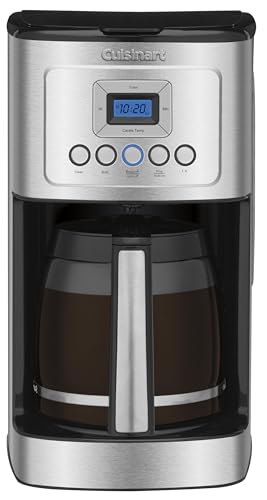
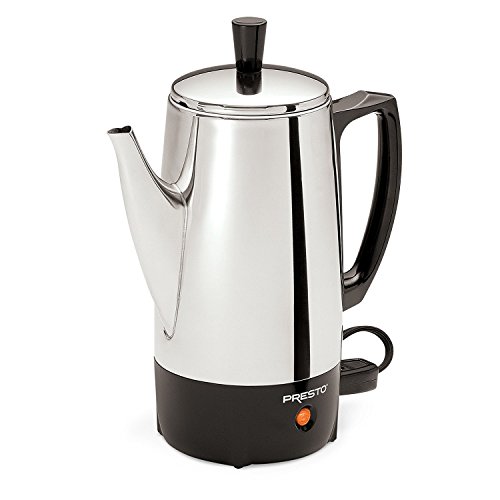
Best 8 10 Cup Coffee Makers: Our 2026 Checklist and Buying Guide
Disclosure: We may earn a commission when you buy through links on this page, at no extra cost to you. As an Amazon Associate I earn from qualifying purchases. Learn more

Use this buying guide for the best 8 10 cup coffee makers to check brew temperature, carafe type, size, cleaning needs and value before you buy.
An 8 to 10 cup brewer is the size most kitchens actually need, large enough for a household or a few guests, small enough that coffee does not sit stale all morning. This checklist based guide to the best 8 10 cup coffee makers walks through the criteria that decide flavor, convenience, and long term cost, so you can judge any model in the product table below with confidence.
This guide focuses on measurable points such as brew temperature, carafe style, footprint, and cleaning effort rather than brand reputation. Run each candidate through the same questions and the right choice for your counter usually becomes obvious.


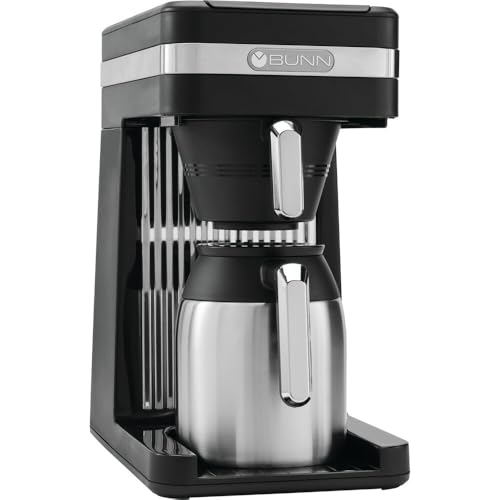

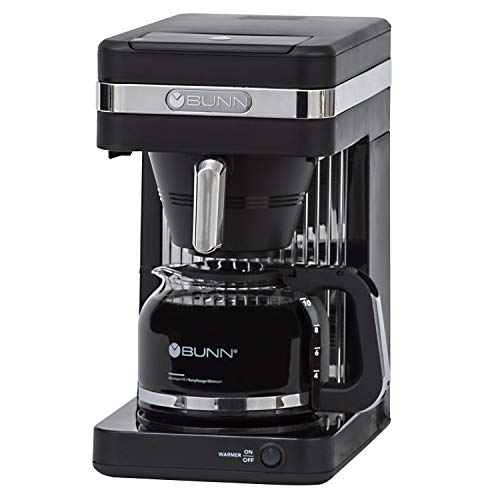


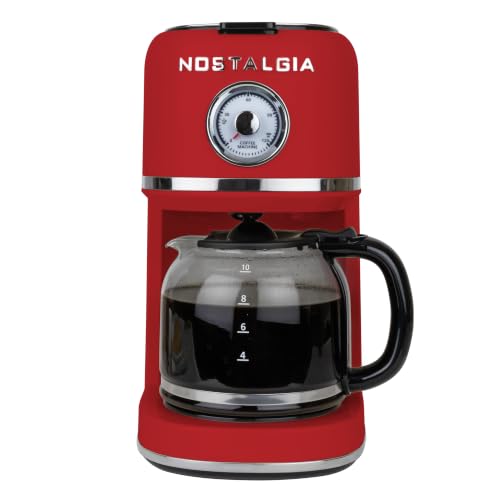
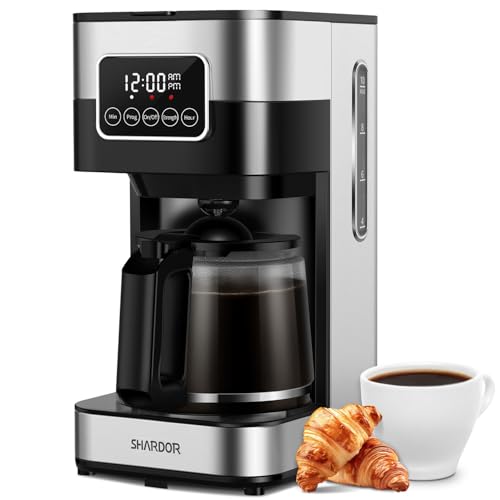
How to Evaluate 8 10 Cup Coffee Makers
Brewing Method and Coffee Style
Most machines in this size are drip brewers, which suit drinkers who want a full pot of familiar coffee with little effort. Some add a single serve side or a strong brew setting for bolder cups. If your household mainly drinks lattes or espresso drinks, a drip machine alone will not replace an espresso maker, so judge it on pot coffee quality first.
A good drip brewer heats water to about 195 to 205 degrees Fahrenheit and spreads it evenly over the grounds. Listings that hide brew temperature or shower head design are a weak sign. Even extraction is what separates a sweet, balanced pot from a sour or bitter one at this size.
Programmable Features and Controls
A wake up timer, adjustable brew strength, and automatic shut off cover the needs of most homes. A small batch setting is genuinely useful in an 8 to 10 cup machine because brewing only four cups in a large basket can taste thin without it. Touch screens look modern but simple buttons and a clear dial are faster to use with wet or coffee dusted hands.
Check how easy it is to set the clock and timer in daylight, and whether the machine remembers settings after a power cut. A practical know how point is to run the timer feature the first week even if you do not need it, so any fault shows up while returns are still easy.
Footprint and Countertop Fit
Measure the space under your cabinets before you shop. Many brewers in this class are tall, and a lid that opens upward needs several extra inches of clearance. A removable water tank or a front filling design saves you from pulling the whole machine forward every morning.
Also check the depth with the carafe handle included and the cord length for your outlet position. If counter space is tight, compare this size with the guides in our roundup of the best cup coffee makers to see whether a smaller format would serve a one or two person home better.
Cleaning, Descaling, and Maintenance
Daily rinsing is easy, but descaling is where ownership differs. Look for a descale alert, a cleaning cycle, and parts that tolerate the dishwasher, such as the carafe lid and brew basket. Mineral scale slows brewing and drops water temperature, which quietly ruins flavor months before the machine actually fails.
Paper filters cost little and make cleanup simple, while reusable mesh filters save money but need thorough rinsing to avoid old coffee oils. Factor in water filter replacements if the model uses them, because skipped filter changes are a common cause of slow, weak pots.
Built In Grinder vs Pre Ground
A built in grinder gives you fresh grounds for every pot and removes a separate appliance from the counter. Burr grinders give a more even grind than blade designs, but they add noise, cost, and one more part to clean. Coffee ground the night before loses some aroma, yet a separate grinder you already own usually outperforms a basic built in one.
Choose the built in route if counter space is your main limit and you value one touch convenience. Choose a separate grinder if flavor is your priority or if several people in the home use different beans and grind sizes during the day.
Pod Cost and Long Term Value
Hybrid machines that accept pods offer convenience for a quick single cup, but pods cost far more per serving than ground coffee and create more packaging waste. For a household brewing a full pot most days, a standard drip machine is much cheaper to run over a year.
Think in cost per pot rather than purchase price. A machine around $80 to $150 with cheap paper filters often beats a bargain machine tied to pricey proprietary pods. If you want pod flexibility for guests, keep it as a secondary feature rather than the reason you buy.
Milk Frothing Options
Most 8 to 10 cup drip brewers do not froth milk, and that is normal for the category. A few combination models add a frother or a steam wand, which can work for occasional lattes but adds cleaning after every use. If milk drinks are a daily habit, a separate frother is usually easier to rinse and keeps the coffee maker simple.
For households comparing formats, our guide to the best coffee machine makers covers how drip, espresso, and combination machines divide these jobs across different styles of equipment.
What Each Price Tier Delivers
Instead of naming models, use price tiers to set expectations for the best 8 10 cup coffee makers. The sections below describe what each tier generally offers in this size class, and where the extra money actually shows up in your cup or your routine.
The Overall Tier to Aim For
The middle tier, roughly about $100 to $200, is where most buyers should land. Machines here usually hold brew temperature well, include a timer and strength control, and offer either a sturdy glass carafe or a basic thermal carafe. Parts such as replacement carafes and filters are easy to find, which matters over years of use.
This tier suits families and shared homes that brew daily and want consistent results without premium extras. The main limit is usually a shorter warranty and fewer metal parts than the top tier, not a drop in everyday coffee quality.
The Value Tier
Value models under about $100 can brew a perfectly good pot if the basics are right. Expect a glass carafe, a simple timer, and mostly plastic construction. Check that the warming plate has automatic shut off and that the basket does not overflow when you brew a full pot with finely ground coffee.
This tier fits first apartments, offices, and guest houses where the machine works hard but fancy features would go unused. The trade off is longevity, since heating elements and switches on the cheapest models tend to wear sooner under daily use.
The Premium Tier
Premium models above about $200 earn their price through temperature precision, better shower head coverage, thermal carafes that hold heat for hours, and quieter, faster brewing. Some carry independent certification for brew standards, which is a stronger signal than marketing claims about flavor.
Choose this tier if you brew specialty beans and can taste the difference that even extraction makes, or if the machine will serve a busy home all day. If you regularly need more volume, compare with our guide to the best 10 12 cup coffee makers before paying premium prices for a smaller pot.
Quick Buyer Checklist
- Does the brewer hold water near 195 to 205 degrees for even extraction?
- Does the carafe style match your routine, glass with a warming plate or thermal for holding heat?
- Does the machine fit under your cabinets with the lid fully open?
- Is there a small batch setting for days when you brew only half a pot?
- Can you buy replacement carafes and filters easily for this model?
- Does it have a descale alert and parts that are simple to rinse daily?
- Does the timer and strength control match how your household actually drinks coffee?
If you answered no to more than two of these, keep looking. Shoppers who prefer a classic stovetop or simple pot style can also see our guide to the best coffee pot makers for a different take on the same morning job.
Red Flags to Watch For
Vague specifications are the first warning sign, especially missing brew temperature, wattage, or carafe capacity measured in a way that inflates the cup count. A very short warranty, under a year, suggests the maker does not expect the heating element to last. Watch for reviews that praise the machine heavily in the first week but mention leaks, cracked carafes, or slow brewing soon after.
Another red flag is a warming plate with no automatic shut off, which is both a safety issue and a flavor problem, since coffee cooks on a hot plate and turns bitter within an hour or two. Proprietary filters or pods that only one seller stocks can also trap you into high running costs, and a carafe with no replacement available turns a small accident into a full replacement purchase.
Setup and Care Tips
Use filtered water to protect flavor and reduce scale, especially if your tap water is hard. Run a full water only brew before first use to rinse the system, and wash the carafe and basket. Descale every one to three months depending on water hardness, and clean the carafe, basket, and any frothing parts after each use so old oils do not flavor the next pot.
8 10 Cup Coffee Makers: Your Questions Answered
How long does an 8 10 cup coffee maker usually last?
A decent machine usually lasts about five to seven years with regular descaling. Heating elements and carafe accidents are the usual end points rather than the controls. Using filtered water and turning off the warming plate when the pot is empty can add years, because heat stress on an empty carafe is a quiet and common cause of cracks.
What grind size works best with an 8 10 cup coffee maker?
A medium grind, about the texture of coarse sand, works best for most drip baskets in this size. Too fine a grind slows the flow and causes bitterness or overflow, while too coarse a grind gives weak, sour coffee. If you use a small batch setting, keep the same grind and adjust the coffee amount first before changing grind size.
Is a more expensive 8 10 cup coffee maker really worth it?
It is worth it if the extra money buys stable brew temperature, even water coverage, and a thermal carafe you will use daily. It is not worth it for touch screens or styling alone. Taste a side benefit too: precise machines make cheaper beans taste better, which can offset the price over time if you brew every day.
Is an 8 10 cup coffee maker with a built in grinder worth it?
It is worth it when counter space is scarce and you want fresh grounds with one button. It is less attractive if you are sensitive to morning noise or already own a good grinder. Remember that the grinder section needs its own cleaning, and oily beans can clog a built in unit faster than a standalone grinder.
How often should I descale my 8 10 cup coffee maker?
Descale every one to three months, sooner if your water is hard or the brew time gets noticeably longer. Many machines signal the need with a light or a cleaning cycle. White vinegar solutions and commercial descalers both work when you follow the maker directions and rinse with two full cycles of plain water afterward.
Our Verdict
Judge this size on brew temperature, carafe fit for your routine, and cleaning effort, in that order. Get those three right and almost any sensibly priced model will make your mornings easier. Check the product table above against the checklist, and pick the best 8 10 cup coffee makers option that matches your counter, your household size, and how much maintenance you will honestly keep up with.