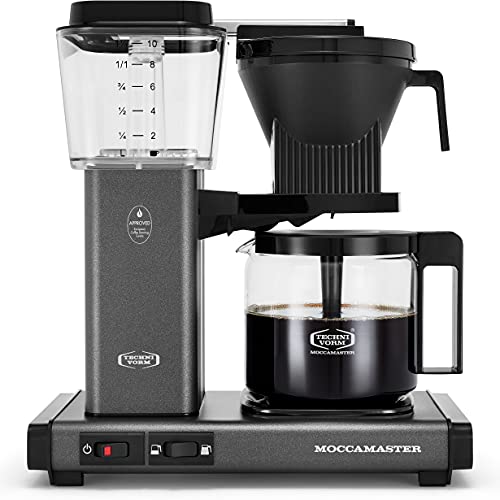
Best 10 12 Cup Coffee Makers: Every Type Explained Side by Side for 2026
Disclosure: We may earn a commission when you buy through links on this page, at no extra cost to you. As an Amazon Associate I earn from qualifying purchases. Learn more

Shoppers weighing the best 10 12 cup coffee makers can compare each type's pros, cons, ideal users, and price range here.
A 10 to 12 cup rating sounds simple until you start shopping and find drip machines, pod machines with carafes, and slow cold brew pitchers all using the same numbers. Finding the best 10 12 cup coffee makers for your kitchen starts with the type, because each type brews differently, costs differently, and suits a different morning routine.
This guide compares each type side by side, with honest strengths, limits, and price ranges. Look at the product table for current models and features, then use the sections that follow to pick the style that fits how you actually drink coffee.


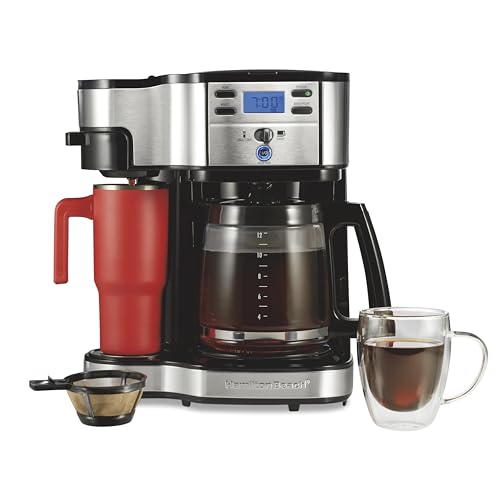


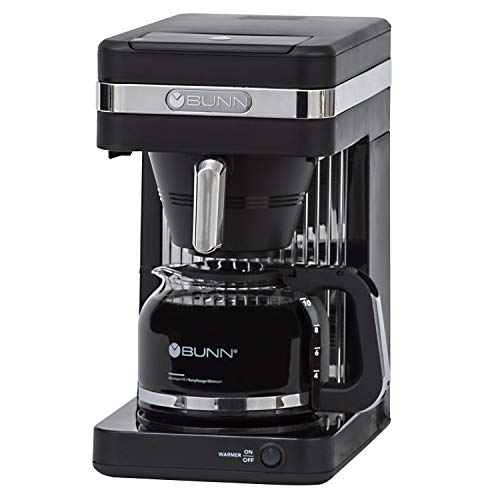


Types of 10 to 12 Cup Coffee Makers Compared
Before the details, here is the short version. Drip machines are the classic 10 to 12 cup choice and brew a full carafe of hot coffee at the lowest cost per cup. Pod machines with a carafe side add single cup convenience. Cold brew makers and large pour over setups serve different drinks entirely, so treat the cup rating on those as batch size rather than a morning pot.
Cold Brew Makers
Cold brew makers steep coarse coffee grounds in cold or room temperature water for about 12 to 24 hours, then filter out the grounds. The result is smooth, naturally sweet coffee with lower acidity that you store in the fridge and dilute to taste. A 10 to 12 cup model is really a large batch pitcher, which suits households that drink iced coffee all week.
The limits are planning and fridge space. You cannot decide at 7 in the morning to have cold brew at 7:15, and a full pitcher takes real shelf room. Concentrate keeps about a week, so this type rewards a routine. Prices stay low, often under $50, because there is no heating element or pump to buy.
Pour Over Brewers
Pour over brewers in this size range are usually large format drippers or batch brewers that sit over a carafe, with you pouring hot water in slow circles by hand. They give you direct control over water temperature and pour speed, and many coffee lovers find the flavor cleaner than automatic drip. Cleanup is simple, with no descaling and few parts.
The trade off is your time and attention. Brewing 10 to 12 cups by hand takes several pours and a large kettle, so this style suits weekend rituals more than rushed weekdays. It also scales down poorly, since a huge dripper still needs a full batch to extract evenly. Expect to spend about $30 to $80 for quality glass or ceramic gear.
Single Serve Pod Machines
Pod machines earn a place in this category when they pair a single cup side with a full 10 or 12 cup carafe side. You brew a pot for the household on Saturday and a single pod on a solo Tuesday, using one footprint. That flexibility is the whole appeal, and it explains why these dual machines sell so well.
Costs split two ways. The machine itself often runs about $100 to $250, and pods cost far more per cup than ground coffee, which adds up fast for daily drinkers. Pod waste also bothers many buyers, though refillable pods cut both cost and trash. If you want a plain drip pot without pods, our guide to the best coffee pot makers covers classic models in more depth.
Espresso Machines
Espresso machines appear in 10 to 12 cup searches because some list the capacity of their water tank or the number of shots they can pull, not because they brew a 12 cup pot. A true espresso machine forces hot water through fine grounds at high bar pressure to make small, concentrated drinks. That is a different purchase with a different learning curve.
Choose this type only if lattes and cappuccinos are your daily goal and you accept prices from about $150 to well over $500, plus a burr grinder for good results. If you mostly want a big pot of drip coffee for a family or an office, an espresso machine is the wrong tool, and a standard drip model will make you happier for far less money.
Cold Brew Makers vs Pour Over Brewers: Which Should You Choose?
These two manual types get compared often because both promise better flavor than a basic drip machine, but they deliver opposite routines. Cold brew asks for patience the night before and rewards you with a week of ready coffee in the fridge. Pour over asks for ten focused minutes in the morning and rewards you with a hot cup that tastes bright and fresh.
Flavor points in different directions too. Cold brew tastes smooth and chocolate leaning, with muted acidity that is gentle on sensitive stomachs. Pour over tastes vivid and aromatic, showing the character of lighter roasts that cold water would flatten. Cost favors both over pods, since each uses plain grounds, though pour over needs a good kettle for control.
Pick cold brew if your household drinks iced coffee daily and you like batch prep. Pick pour over if you enjoy the brewing ritual itself and drink your coffee hot. Many kitchens end up with a drip machine for weekdays and one of these as a second brewer, which is a sensible split rather than a compromise.
How to Choose the Right 10 to 12 Cup Coffee Maker
Once the type is settled, four decisions shape daily satisfaction. Work through them in order, because the first one eliminates whole categories and the rest fine tune the model you pick from the product table.
Brewing Method and Coffee Style
Match the method to the cup you picture. Drip brewing gives you the familiar diner style pot, hot and ready for a crowd, and a programmable timer can have it waiting when you wake. Single serve brewing gives speed and variety for one person at a time. Espresso gives intensity and milk drinks. Pour over and cold brew give control and smoothness. Households with mixed tastes often do best with a dual drip and pod machine, while single style households save money by buying one method done well.
Milk Frothing Options
Only some types can froth milk, so settle this early if lattes matter to you. Espresso machines use a steam wand or an automatic frother to texture milk properly, and learning the wand takes a little practice. Drip, cold brew, and pour over machines cannot froth at all. If you want occasional milk drinks without an espresso setup, a separate countertop frother costs about $30 to $60 and works with any brewer, which keeps your main machine simple and cheaper.
Pod Cost and Long Term Value
Do the yearly math before choosing pods. A household brewing two pods a day can spend several hundred dollars a year on pods alone, while the same coffee as beans or grounds costs a fraction of that. Drip machines flip the math, with a low machine price and the cheapest cost per cup of any type. Refillable pods narrow the gap and cut waste, but they remove the grab and go convenience that made pods appealing. Your honest daily cup count decides which side of this trade off wins.
Footprint and Countertop Fit
Measure before you buy, because 12 cup machines are tall. Many stand 14 to 17 inches high, which can clash with upper cabinets, especially when you lift the lid to fill the reservoir. Check the depth too, since carafe clearance in front matters every single morning. A removable water tank makes filling easier in tight kitchens, and a compact footprint helps if the machine shares counter space with a grinder. Shoppers with smaller batches should also see our guide to the best 8 10 cup coffee makers for slightly smaller options.
Coffee Makers for Specific Needs
Two shopping situations come up again and again for this size range. Here is how the type comparison changes for each one.
Best Affordable 12 Cup Coffee Makers: Which Type Works Best
When people search for best affordable 12 cup coffee makers, plain drip is almost always the answer. A basic programmable drip machine often costs under $60, uses cheap ground coffee, and needs no pods or accessories. Spend your small budget on a thermal carafe instead of extra features if coffee sits for an hour, since glass on a hot plate cooks flavor over time. Avoid pod systems entirely at this budget, because the machine discount hides years of pod costs.
Best Home 12 Cup Coffee Makers: Which Type Works Best
The best home 12 cup coffee makers balance capacity with weekday speed, which points to drip machines with a programmable timer and a brew strength setting. Homes with one solo drinker and weekend guests should consider the dual pod and carafe style instead. Look for a carafe that pours without dripping and a basket that lifts out for rinsing, because small annoyances decide whether a home machine gets used daily. For a broader look at single cup focused options, see our guide to the best cup coffee makers.
How to Make Your 10 12 Cup Coffee Maker Last Longer
Care is simple and mostly about water. Use filtered water to protect flavor and reduce scale buildup inside the heating element. Descale every 1 to 3 months depending on your water hardness, using the maker solution or a vinegar cycle followed by plain water rinses. Clean the carafe, brew basket, and any steam wand after each use, because old coffee oils turn rancid and flavor the next pot.
Pod machine owners should also empty the used pod container daily. Finally, replace paper or permanent filters on schedule, and wipe the warming plate before residue bakes on. If you are comparing pod systems specifically, our guide to the best k cup coffee makers explains their upkeep in more detail.
10 to 12 Cup Coffee Makers: Your Questions Answered
What grind size works best with a 10 to 12 cup coffee maker?
A medium grind, close to coarse sand, works best for standard drip baskets. Too fine a grind over extracts and can overflow a flat bottom basket, while too coarse a grind tastes weak and sour. Cold brew needs a much coarser grind, and espresso needs a fine grind, so adjust when you switch types. A burr grinder makes these changes repeatable.
Is a 10 to 12 cup coffee maker with a built in grinder worth it?
It is worth it if counter space is tight and you value fresh grounds without a second appliance. The compromise is that the built in grinder is usually a basic blade or small burr unit, and if it fails, the whole machine may need service. Separate grinders perform better and last longer, so frequent drinkers who already own one rarely need the combo.
Is a more expensive 10 to 12 cup coffee maker really worth it?
Sometimes, but the gains are specific rather than magical. Higher prices buy hotter and more stable brewing temperatures, better shower head water distribution, thermal carafes, and sturdier parts. Those things do improve taste and lifespan. Paying more for extra drink presets or a color screen adds little to the cup, so spend on temperature control and carafe quality first.
How long does a 10 to 12 cup coffee maker usually last?
A typical drip machine lasts about 5 to 7 years with regular descaling, while simple cold brew and pour over gear can last far longer because there is nothing electrical to fail. Pod machines often land near 3 to 5 years, since pumps and needles wear with daily use. Hard water shortens every lifespan, which is why filtered water is the cheapest insurance you can buy.
Can I use regular coffee in a 10 to 12 cup coffee maker?
Yes, regular ground coffee is exactly what drip, pour over, and cold brew models are built for. Pre ground coffee from a bag works fine, though it loses aroma faster than beans you grind at home. Pod machines are the exception, since they need pods or a refillable pod filled with your own grounds. Always match the grind to the method, as the grind question above explains.
Final Thoughts
Choose the type first, then judge models on brewing temperature, carafe style, and the true cost per cup over a year. For most households, the best 10 12 cup coffee makers are dependable drip machines, with a manual brewer added later for weekends. Compare the finalists in the product table, and check our guide to the best coffee machine makers if brand support and parts matter to you.