Best 7in Android Tablets: Every Type Explained Side by Side for 2026
Disclosure: We may earn a commission when you buy through links on this page, at no extra cost to you. As an Amazon Associate I earn from qualifying purchases. Learn more
Compare the best 7in android tablets by type, screen, battery and price with a clear buying guide, checklist and care tips for small tablets.
A seven inch tablet sounds simple until you start comparing screens, storage, and software support. Some models are built mainly for reading and video, others add cellular data or tougher cases for kids, and the differences matter more than the size suggests. This guide to the best 7in android tablets compares each type side by side so you can match the format to your daily routine.
You will not find a long list of model names here. Instead you get clear criteria, realistic price tiers, and the trade offs behind each choice, plus a look at the product table below to see how current options line up on price and core specs.



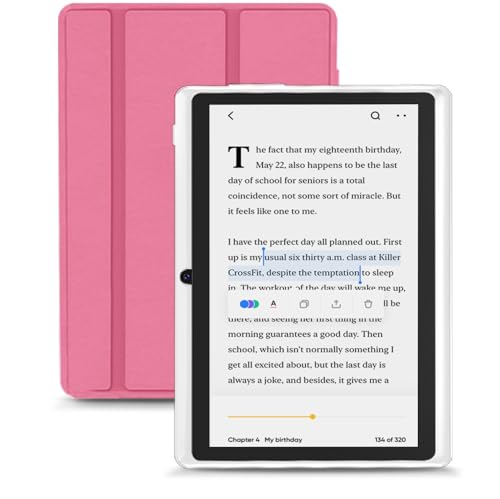
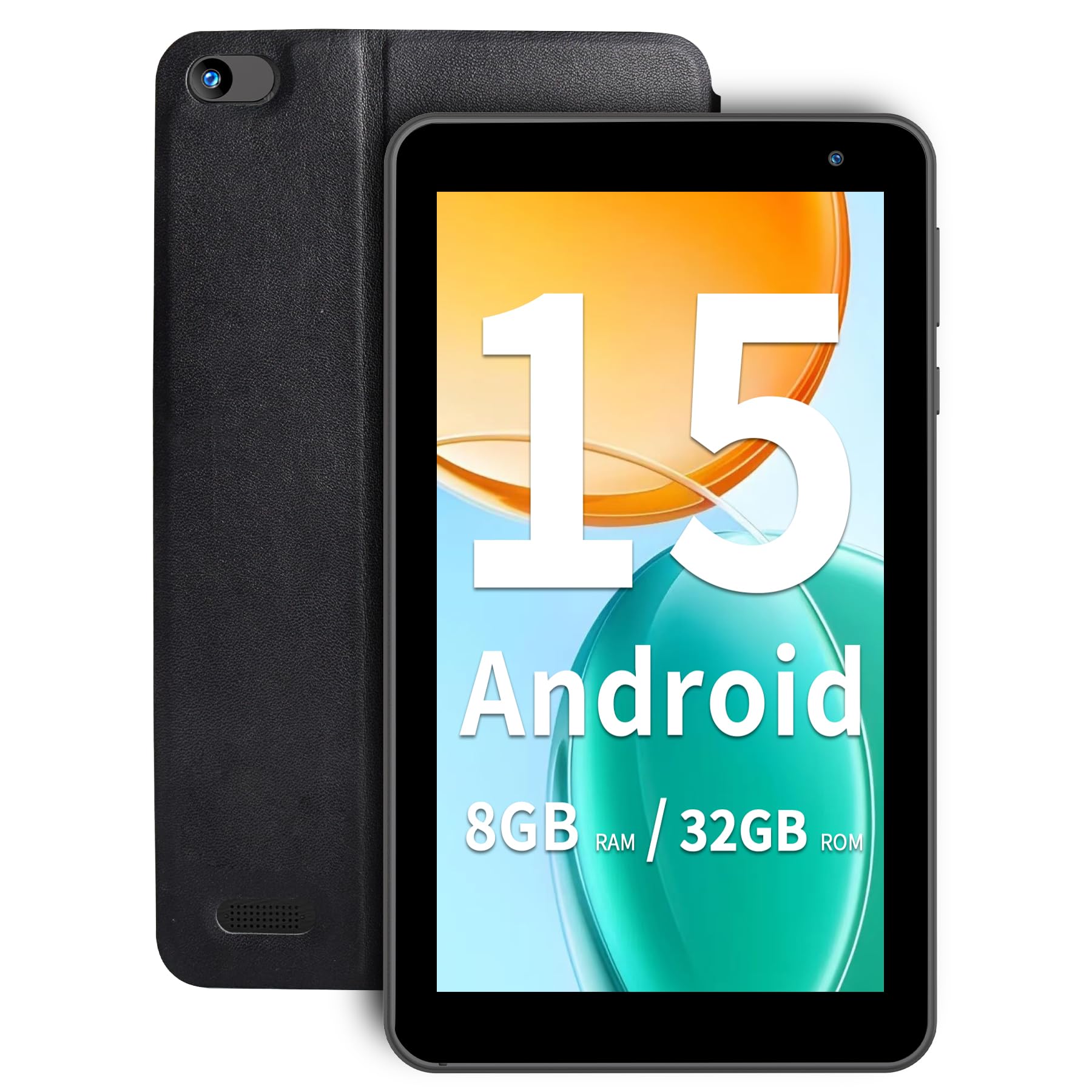

How 7in Android Tablets Compare to Other Options
The seven inch class sits between a large phone and a full size tablet. It is light enough to hold in one hand for reading, big enough to make video and web pages easier on your eyes than a phone, and small enough to slip into a jacket pocket or a small bag. That middle ground is the whole appeal, and also the source of most compromises.
Compared with larger devices, a seven inch model gives up screen room for split screen work and usually has a smaller battery and simpler cameras. In return you gain portability and a lower price. If you want a broader view of the category before narrowing down, see our guide to the best android tablets for how the small models fit into the full range of sizes.
7in Android Tablets vs Ultraportables
Ultraportable laptops and large tablets win on productivity. They run fuller software, support real keyboards, and make documents and spreadsheets far easier to edit. A seven inch Android tablet wins on instant use, touch first apps, and weight. Many weigh well under a pound, start in seconds, and run for a full day of reading or video on one charge.
Choose the small tablet if your main jobs are reading, streaming, messaging, and light browsing away from a desk. Choose an ultraportable if you type long documents, manage many files, or need desktop programs. Trying to force a seven inch screen into laptop duty is the most common buying mistake in this category.
7in Android Tablets vs Budget Laptops
A budget laptop costs more but gives you a keyboard, a larger display, and far more storage for school or office files. A seven inch tablet costs less, is easier to carry, and is better for media on a couch, a train, or a plane tray table. Battery life also tends to favor the tablet for video playback.
For a child or a student who mainly uses web based school tools, either can work, but the laptop handles long writing tasks with less strain. For travel, a second screen for entertainment, or a simple device for an older relative, the small tablet is usually the calmer and cheaper choice.
7in Android Tablets vs 2 in 1 Convertibles
Convertible devices try to be both tablet and laptop, and that flexibility adds weight, cost, and moving parts. A dedicated seven inch tablet is simpler. There is no hinge to protect, no keyboard to carry, and the software is built around touch from the start. You lose the option of serious typing, but you gain a device you will actually pick up every day.
If you already own a laptop, a small tablet makes a strong companion rather than a replacement. If you own nothing and need one device for both work and leisure, a convertible or a larger tablet with a keyboard case is the safer single purchase.
Who Should Choose 7in Android Tablets?
Frequent travelers, commuters, and readers are the best fit. The size suits ebooks, comics, podcasts, downloaded video, and quick checks of email or maps, and it fits bags that a ten inch tablet would crowd out. Parents also like the format for kids because it is easier for small hands to hold and cheaper to replace if it is dropped.
You should look elsewhere if you draw with a stylus for long sessions, edit photos in detail, play demanding games, or read a lot of PDF files with small print. Those tasks reward a larger and sharper screen. Shoppers who want the small size at the lowest sensible cost can also see our guide to the best affordable android tablets for budget focused criteria that apply across sizes.
How to Choose the Right 7in Android Tablet
The best 7in android tablets share a few traits: dependable update support, enough storage and a screen you enjoy reading on. Use the checks below to find them.
Processor and Performance Tier
Tablet processors from makers such as Qualcomm and MediaTek vary widely, and the chip decides how smooth the device feels after a year of updates. For reading, video, and browsing, a modest modern chip with good efficiency is enough. For games and heavy multitasking, step up a tier, because a small tablet has limited cooling and a weak chip will slow down quickly under load.
A practical know how point is to check how many Android version updates the maker promises. A slightly slower tablet with three years of updates will serve you better and stay safer online than a faster model that is abandoned after one year.
Ports and Connectivity
Look for USB C charging, which lets you share cables with most modern phones and avoids hunting for an older style cord while traveling. A microSD card slot is valuable at this size because base storage is often small, and downloaded video fills it fast. WiFi speed matters less than stability, but support for modern WiFi bands helps in crowded homes and airports.
Cellular versions add cost and a data plan, yet they make sense for field work, delivery driving, or travel where WiFi is unreliable. If you mostly use the tablet at home, save the money and use your phone hotspot on the rare days you need data outside.
Keyboard, Trackpad, and Build
Few seven inch tablets offer real keyboard support, and that is fine. On screen typing works for messages and searches, and a small Bluetooth keyboard can cover the odd long email. Build quality matters more. A metal or well made plastic body, buttons that feel firm, and a screen that does not flex under light pressure all signal a tablet that will survive daily bag use.
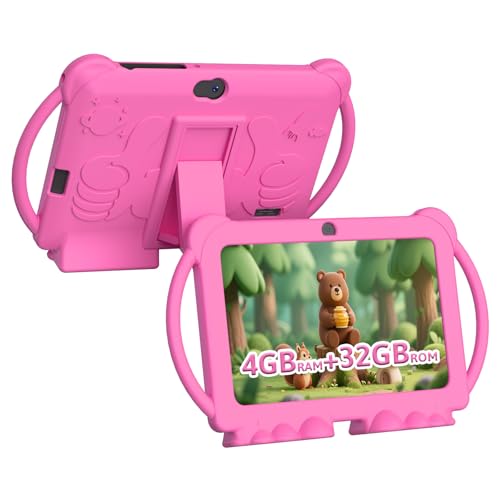
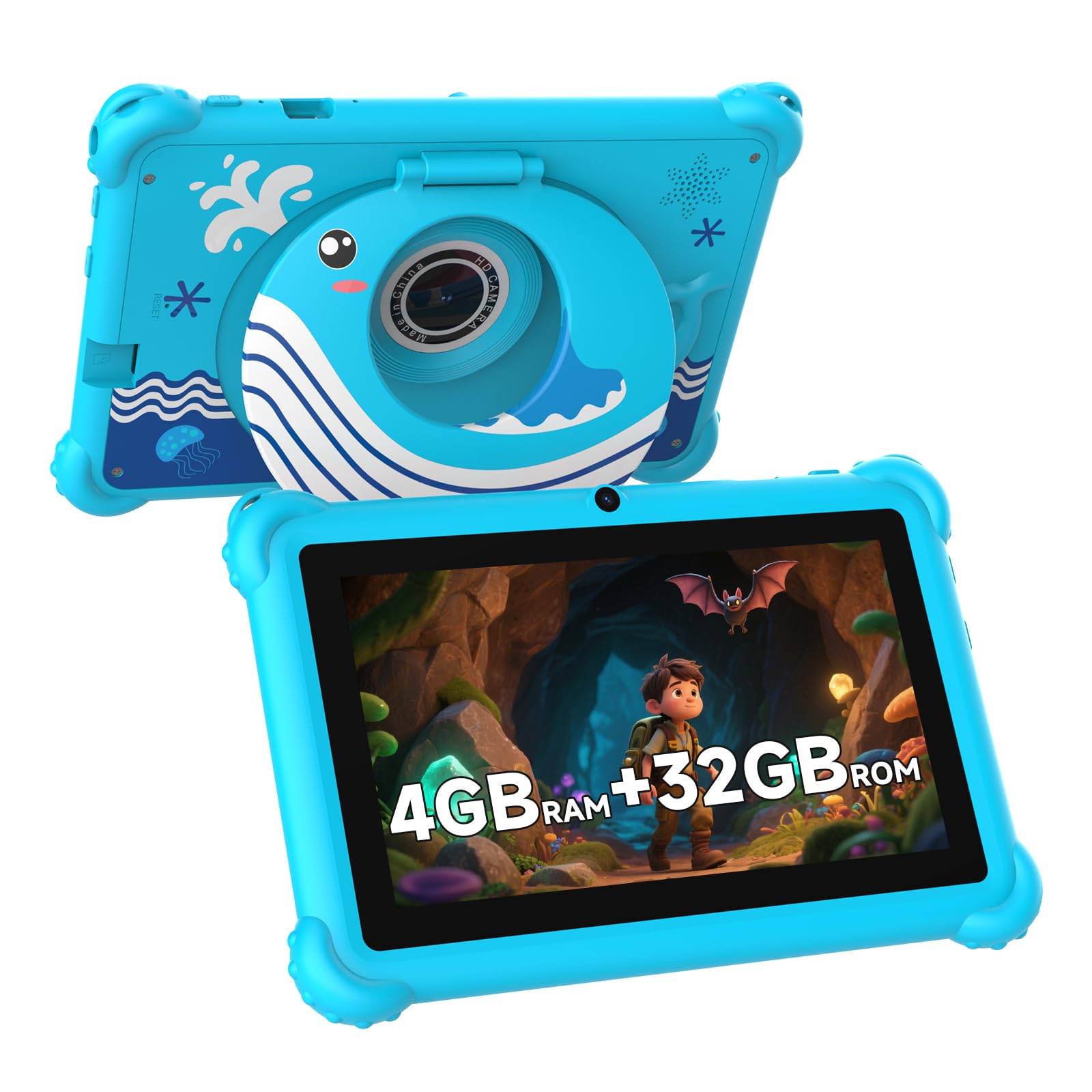
For kids, a thick protective case is not optional. Budget for it from the start, and pick a case with raised edges around the screen and corners that absorb drops. A cheap tablet in a good case often outlasts a pricier tablet carried bare.
RAM and Storage
Treat 3 GB of RAM as the floor for basic reading and video, and 4 GB or more as the comfortable choice for browsing with many tabs and switching between apps. Storage of 32 GB fills quickly once you add offline video and games, so 64 GB is the safer starting point for most buyers, especially if there is no card slot.
Check the usable storage, not just the headline number, because the system itself takes a share. Another useful habit is to store downloads on a memory card and keep the internal storage at least a quarter free, which helps updates install smoothly and keeps the tablet responsive.
Weight and Portability
Weight is the reason this size exists, so weigh it seriously. A difference of a few ounces matters when you hold a tablet above your face in bed or in one hand on a train for an hour. Around 10 ounces or less feels easy for long reading sessions. Much above that, the portability advantage over an eight or ten inch model starts to fade.
Screen quality is part of portability too. A bright display with a matte friendly finish is easier to read outdoors and on bright transit, and an IPS panel keeps colors steady when you tilt the device. If you read in bed at night, check for a warm night mode that reduces blue light in the evening hours.
Care and Maintenance Tips
Keep the operating system and apps updated, since updates carry security fixes that matter on a device you use for email and banking. Avoid leaving the tablet at a full charge in a hot car, and try not to run the battery to zero every day, because gentler charging habits slow battery wear. Use a padded sleeve when commuting, even inside a larger bag, to protect the screen from keys and chargers.
Every few months, clear old downloads and unused apps, restart the tablet, and back up photos to cloud storage or a computer. If you are comparing this format with keyboard equipped alternatives for school or office work, our guide to the best pc tablets explains where Windows based tablets make more sense than Android.
FAQs
How long should a 7in android tablet last?
A well cared for model should last about three to five years for reading, video, and browsing. Battery wear and the end of software updates usually set the limit before the hardware fails. You can extend useful life by replacing a tired battery where service is available and by keeping storage partly free so updates continue to install.
Should I buy a laptop or a tablet?
Buy a laptop if long typing, school assignments, or office files are central to your day. Buy a small tablet if entertainment, reading, and travel use come first and you already have access to a computer for bigger tasks. Many households end up with both, with the tablet handling the casual hours that would otherwise go to a phone.
How much RAM do I need in a 7in android tablet?
For most people, 4 GB is the sweet spot, giving smooth app switching without paying for power you will not use. Heavy game players should look for 6 GB where available at this size. Also check the storage speed type when listed, because faster storage makes app loading feel quicker than a small RAM increase alone.
Is a Chromebook enough for school?
A Chromebook is enough for many students because school platforms are mostly web based and Chromebooks handle long documents better than a seven inch screen. A small tablet can still help as a reading and homework companion. If the student must submit typed essays weekly, choose the Chromebook as the main device and treat the tablet as a secondary screen.
Is a 7in android tablet a good choice for kids?
Yes, for reading, video and learning apps, a seven inch tablet is easy for small hands to hold. Pair it with a thick protective case and the built in parental controls, and choose a model with enough storage for downloaded shows. Supervise screen time as you would with any device.
The Bottom Line
Start with your main job for the device, then check update support and storage before you compare prices. Those two factors decide how happy you will be in year two and three. When you are ready, look back at the product table above to compare current options against these criteria, and choose the best 7in android tablets option that fits your routine, your bag, and your budget without forcing laptop work onto a seven inch screen.