Best 72 Inch Electric Fireplaces (2026): Buying Guide
Disclosure: We may earn a commission when you buy through links on this page, at no extra cost to you. As an Amazon Associate I earn from qualifying purchases. Learn more

Choosing the best 72 inch electric fireplace? A 72 inch electric fireplace anchors a wide living room wall.
A 72 inch unit is a statement piece, and picking the wrong one leaves you with a flame that looks lost, heat that falls short, or a wall project bigger than you planned. The best 72 inch electric fireplace for your room balances flame width, heat output, and an install method that matches your wall. This guide explains each factor in plain terms so you can judge any model with confidence. Use the comparison table below to line up the main types side by side before you read on.
At this width, small details matter more than they do on a compact unit. A weak flame pattern shows across the full span, and a shallow cabinet can look flat under a large television. If you are still deciding between sizes, our guide to the best electric fireplace range covers the smaller formats as well.


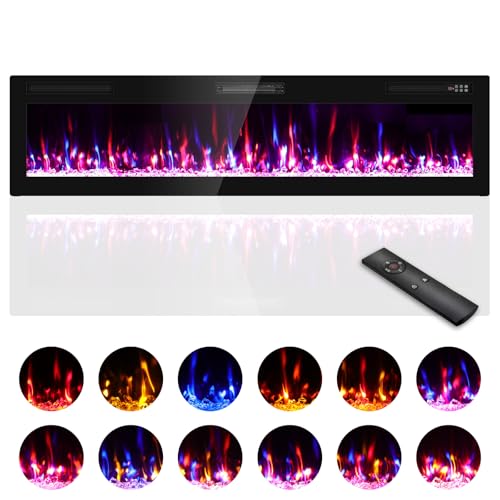
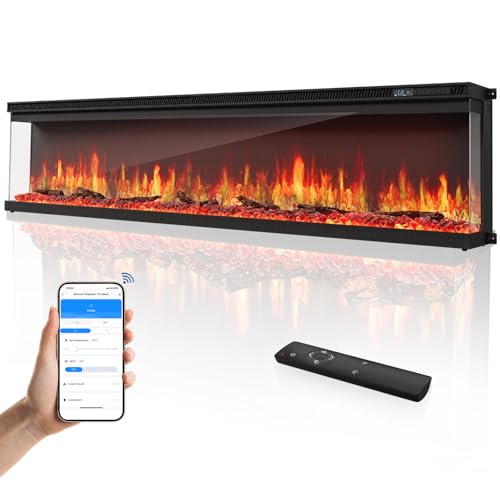

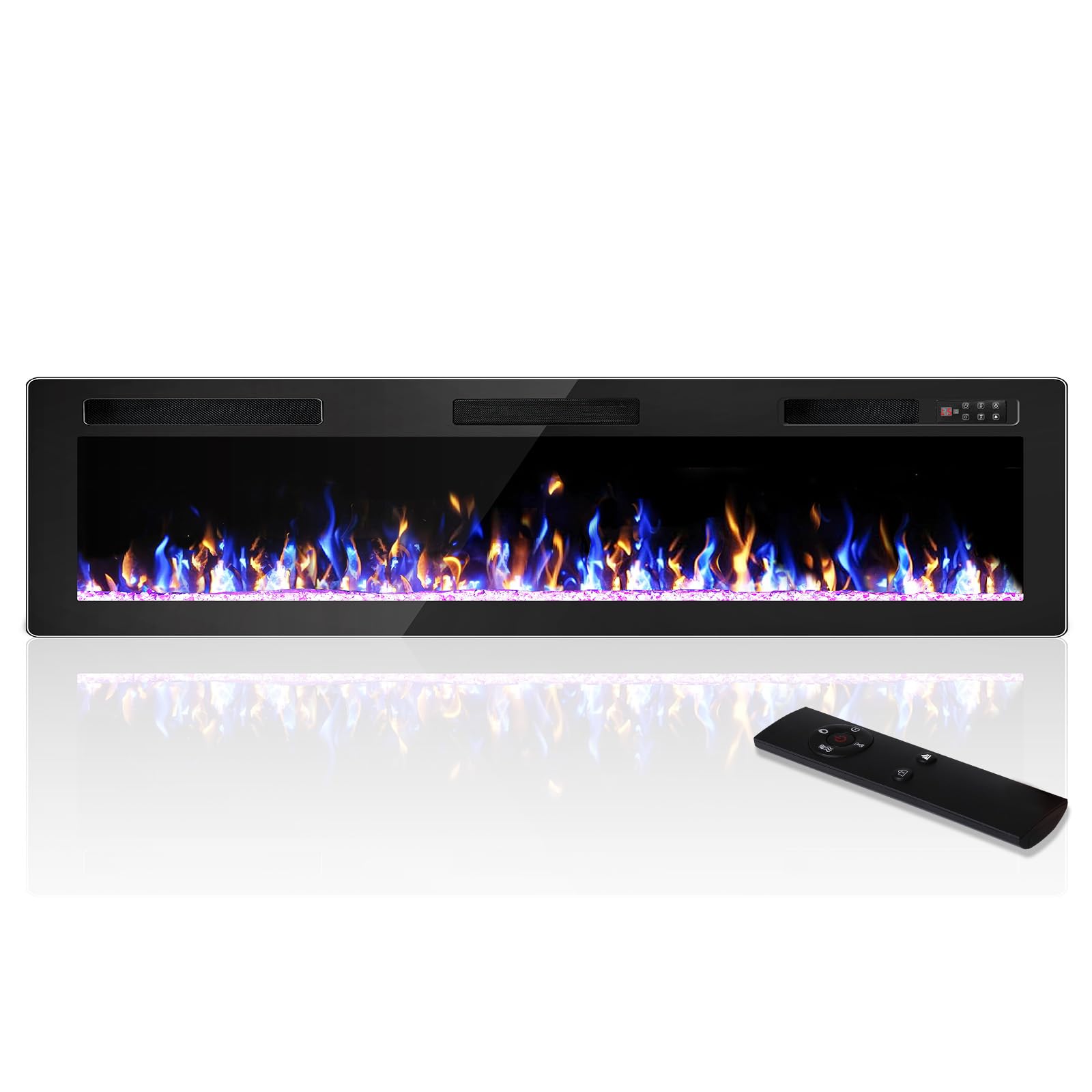

Types at a Glance
Three install styles cover almost every 72 inch model you will find. Each one suits a different wall, budget, and level of building work. None of them needs a chimney, a gas line, or venting through an exterior wall, since the flame is produced with light and the heat comes from an electric element or a small fan heater.
- Surface mounted: hangs on a bracket like a large picture frame and suits renters and simple updates.
- Recessed: sits inside a framed opening so the front ends up flush with the wall surface.
- Media console: the firebox sits inside a cabinet that also holds a television and storage.
Price alone tells you very little at this size, because framing and install work can cost as much as the unit itself.
Three Installation Types Compared
Think of the type decision as a decision about your wall first and the flame second. Once the wall work is set, the same flame and heat features appear across all three styles.
Surface Mounted Linear Units
A surface mounted unit hangs from a wall bracket and usually stands out from the wall by about 4 to 6 inches. This is the fastest route to a finished look, since you only need studs, a nearby outlet, and a level bracket. The slight projection works well in rooms where the television also sits on the wall above. Owners who may move the unit later tend to favor this style, because removal leaves only small screw holes to fill.
Recessed Linear Units
A recessed unit slides into a framed opening in the wall, so the glass front ends up flush with the drywall around it. The result looks like part of the room rather than an appliance added later. This route needs a stud wall with enough depth, careful framing, and an outlet placed inside the opening. Plan it during a remodel or a new build when walls are open, since cutting and patching a finished wall adds time and cost.
Units Set Into a Media Wall or Cabinet
The third route places the firebox inside a built cabinet, a low console, or a framed media wall with shelves on both sides. The cabinet hides cords, holds sound gear, and gives the wide flame a visual base so it does not float on a blank wall. Check that the cabinet leaves the air intake and the heat outlet fully clear, and confirm the cabinet top can support your television.
How to Evaluate a 72 Inch Model
Start with the safety listing, then look at flame quality, heat controls, and build. A unit listed by a recognized safety organization has met standards on its heater, wiring, and surface temperatures. Next, study the flame in a dark room photo or video if you shop online, since a flame pattern that repeats in an obvious loop looks cheap at this width. Finally, weigh the warranty on the heater and the fan, because those parts work hardest over the life of the unit.
Controls matter more than extra effects. You want a remote, a thermostat, and a timer you can set without opening an app, plus a manual switch on the unit itself. Sound effects and voice control are pleasant extras, but they should never replace clear heat settings.
How to Choose the Right Electric Fireplace
The factors below are the ones that decide how a 72 inch unit looks and heats once it is in your room.
Size and Form Factor
Measure the wall first, then the television, then the seating. A 72 inch fireplace pairs best with a wall at least 9 to 11 feet wide, so the unit does not crowd the corners, and about 6 to 12 inches of clear space on each side keeps the layout balanced. If your television is 65 to 75 inches wide, the fireplace will sit in proportion beneath it. Seating about 8 to 14 feet away lets the full span read as one calm scene rather than a row of separate flames.
Type
Your wall decides the type more than your taste does. A solid brick or concrete wall rules out a recessed install unless you build a framed section in front of it, while a standard stud wall accepts any of the three styles. An existing masonry opening is a different case, and the best insert electric fireplace models are sized for those openings rather than for open walls. Renters should stay with surface mounted or console styles that leave the wall intact.
Features Worth Paying For
Pay for a thermostat that holds a set temperature, a timer that shuts the unit off while you sleep, and flame brightness you can dim at night. A remote with clear buttons beats an app you must unlock for every change. Shoppers who prefer a wall unit can compare the best wall mounted electric fireplace styles to see how these controls differ between models. Skip paying extra for built in speakers or scent features, since a separate speaker sounds better and scent refills add ongoing cost.
Clearance, Weight and Support
A 72 inch unit often weighs about 80 to 130 pounds, so the bracket must anchor into studs or solid masonry, never into drywall alone. Follow the maker clearance guide for curtains, furniture, and the television above, since heat rises from the outlet on the front or top edge. Keep soft furnishings at least a few feet away from that outlet. If the unit sits in a console, check the shelf weight rating before you place a large television on top.
Flame and Heat Adjustability
Good adjustability lets one unit suit a bright afternoon and a dark movie night. Look for several flame speeds, at least three brightness levels, and ember bed colors you can set apart from the flame color. Heat should offer at least two levels plus a flame only mode, so you can enjoy the view in warm months without adding heat to the room. A thermostat you can set in single degrees gives steadier comfort than vague low and high settings alone.
Materials and Durability
A metal cabinet and a tempered glass front handle daily use better than thin plastic trim, which can warp near the heat outlet. Look for a flame screen that sits behind the glass so dust stays off the moving parts inside. Powder coated metal also resists chipped edges during install, when a long unit gets tilted and carried through doors. Ask how the maker supplies spare remotes and fans.
Assembly and Warranty
Most surface mounted models need two adults, a stud finder, a drill, and about an hour of careful work. Recessed installs take longer because framing and electrical placement come first. Check whether the manual asks for a licensed electrician when you plan a hardwired connection, since some local codes require one. Warranty length varies, so compare coverage on the heater and electronics apart from the cabinet, and keep your proof of purchase where you can find it.
How Much Should You Spend?
Expect to pay about $600 to $900 for a basic surface mounted unit with a simple flame and two heat levels. The middle ground, about $900 to $1500, adds a deeper flame bed, quieter fans, and better glass. Above about $1500 you pay for slimmer profiles, richer flame detail, and longer warranties. Set a separate budget for framing, an outlet move, or a console, because those costs sit outside the price of the unit itself.
Is a 72 Inch Electric Fireplace the Right Size for You?
The best 72 inch electric fireplace suits a large room with a wide main wall, where it anchors the seating area. In a small room the same unit can overwhelm the wall and push furniture too close to the heat outlet. If you are weighing fuel types as well, our comparison of electric vs gas fireplace options explains the venting and running cost trade offs in full. A gas unit needs a flue and a fuel line, while this size in electric form needs only power.
This size also suits open plan rooms where the kitchen and living area share one long wall, giving the living end a clear focal point without a chimney breast. Bedrooms rarely need a unit this wide, since the bed takes most of the wall and the flame sits low in your line of sight. A narrower unit serves most bedrooms and small dens better.
FAQ
The answers below cover points that tend to come up once a 72 inch unit is on your short list.
Can a 72 inch electric fireplace heat a large living room on its own?
Most models act as zone heaters, warming the area near your seating rather than the whole house. A closed door and decent insulation help the warmth stay where you sit, while an open stairwell lets it drift away. Treat the unit as strong supplemental heat alongside your main system on the coldest days. A ceiling fan set to push warm air down can spread the heat further in rooms with high ceilings.
Does a 72 inch electric fireplace need a dedicated electrical circuit?
Many models plug into a standard outlet, but the heater draws close to the full load a shared circuit can carry. Running a microwave or a vacuum on that same circuit at full heat can trip the breaker. If you plan a hardwired install, ask an electrician whether a dedicated circuit suits your panel and local code. Never use an extension cord or a power strip while the heater is running.
How long does a 72 inch electric fireplace usually last?
With normal use, the cabinet and glass should serve well beyond a decade, while the fan and heater are the parts most likely to wear first. A soft hum that grows louder over time often signals a fan that needs service. LED flame systems have no bulbs to swap in most designs, which removes one common upkeep task.
How do you clean a 72 inch electric fireplace safely?
Turn the unit off, unplug it, and let the glass cool fully before you touch it. Wipe the glass with a dry microfiber cloth, and use a vacuum brush on the intake vents to lift dust without pushing it inside. Never spray cleaner straight onto the unit, since liquid can reach the wiring. Our guide on how to clean an electric fireplace walks through a fuller routine for the ember bed and vents.
Is a 72 inch electric fireplace worth it for a rental home?
It can be, if you choose a surface mounted or console style that leaves with you when you move. Recessed installs rarely suit rentals, since cutting a wall needs written landlord approval and repair costs at move out. Electric units avoid the permit and venting issues that block gas installs in many rentals. A fuller cost breakdown sits in our article, is an electric fireplace worth it, which weighs purchase price against running costs.
Final Thoughts
The right choice comes down to your wall, your seating distance, and how much heat you expect from the unit. Match the install type to the wall you have, insist on a safety listing and a clear thermostat, and let flame quality guide the rest of the budget. When those pieces line up, the best 72 inch electric fireplace becomes the calm focal point of the room rather than a project you keep fixing. Look back at the product table above to compare the main types once more before you order.