
Best 6x9 Speakers for Voice at Every Price: What Your Money Really Gets You in 2026
Disclosure: We may earn a commission when you buy through links on this page, at no extra cost to you. As an Amazon Associate I earn from qualifying purchases. Learn more

Compare the best 6x9 speakers for voice at every price point. Learn what you get at budget, midrange, and premium levels and where spending more pays off.
Voice is the hardest test for a car speaker, because podcasts, audiobooks, talk radio, and phone calls live in the midrange, where cheap speakers sound muddy and shouty at the same time. The best 6x9 speakers for voice are not simply the loudest or the bass heaviest sets at each price. They are the sets whose cones, crossovers, and tweeters keep speech natural and easy to follow at the volume you actually use.
Prices run from under $60 to well over $300, and the honest differences between tiers are smaller than marketing suggests. This guide shows what each tier really buys you, which features improve speech, and where extra money stops helping. Start with the comparison table below, then read the tier that matches your budget.
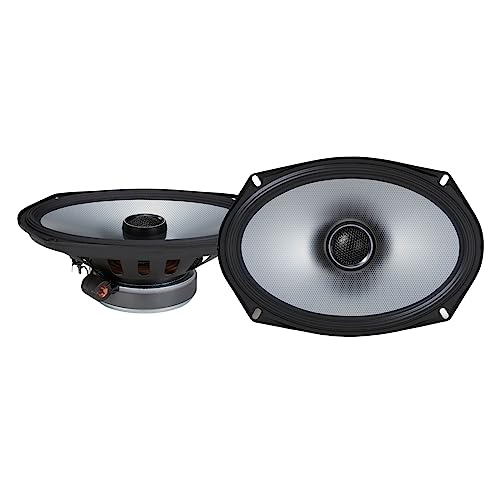
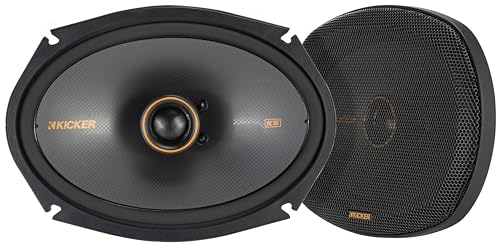
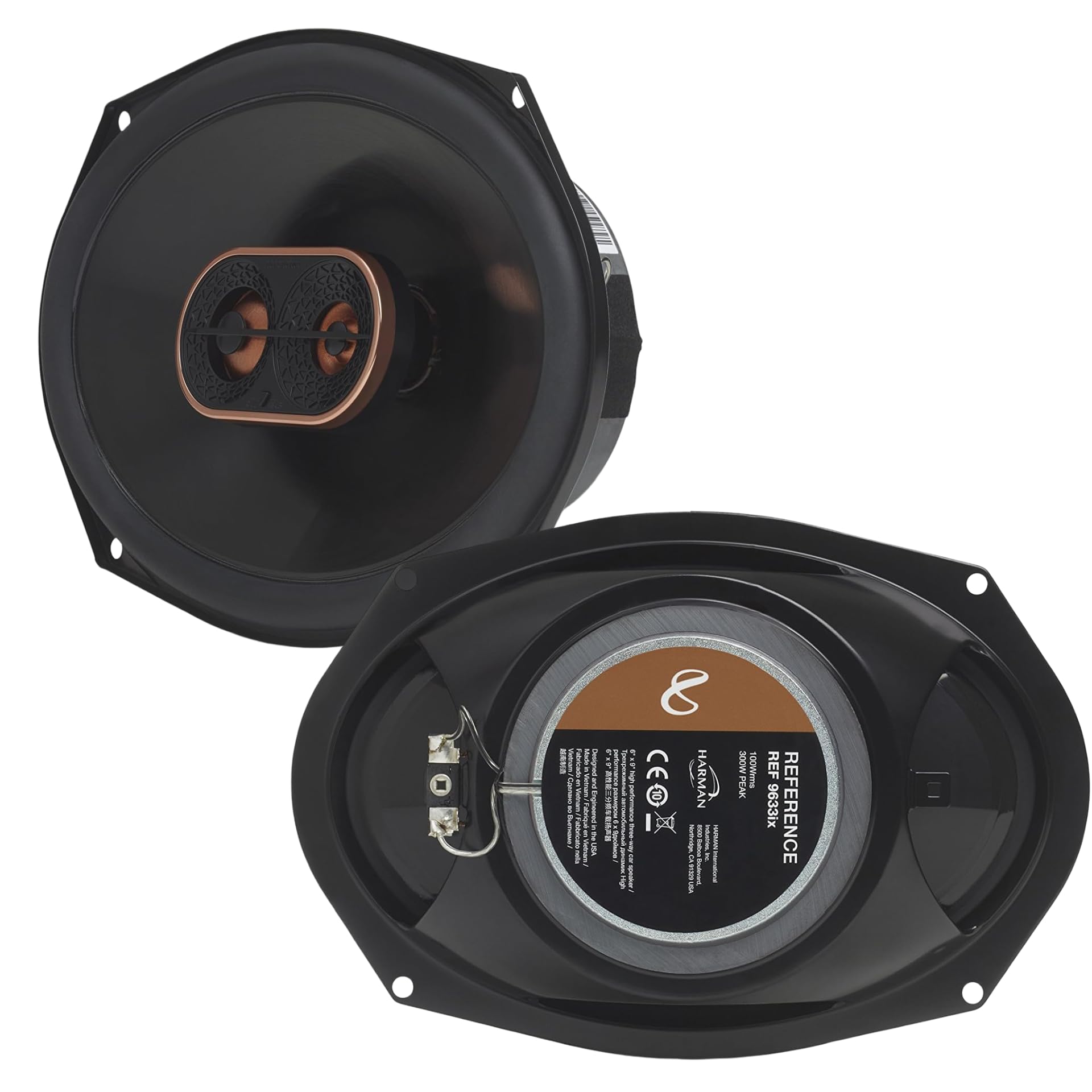
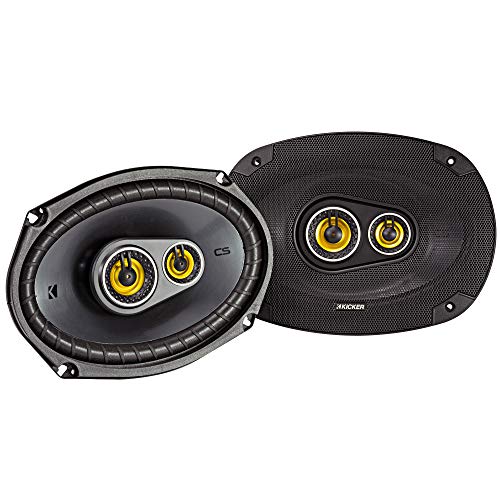
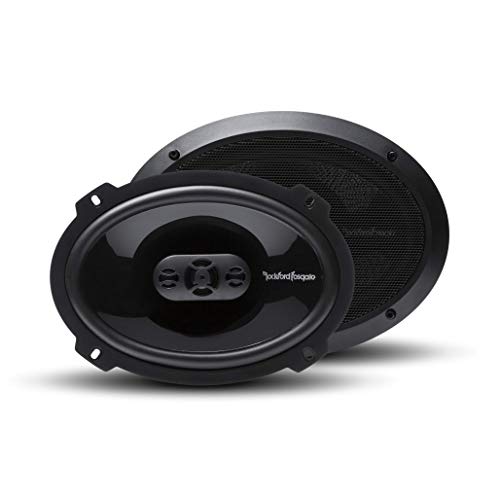


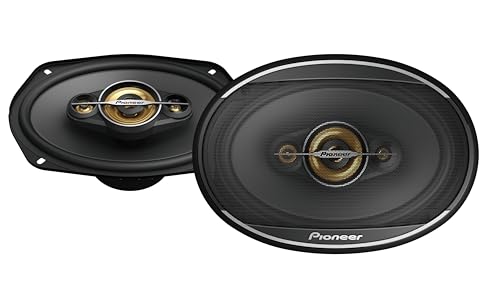
Three Budgets, Three Sensible Targets
Best Budget Target
With around $50 to $90, aim for a simple two way coaxial set with a balanced cone and a soft dome tweeter. At this level the goal is clean, forward vocals rather than deep bass, and a modest speaker that avoids harsh treble will serve speech better than a flashy multi way set with tiny extra drivers. Expect basic crossovers and plastic baskets. The limitation is refinement at high volume, where budget tweeters can turn edgy. For spoken word at normal levels in a daily driver, this tier is honestly enough for many listeners.
Best Midrange Target
With around $90 to $180, you buy the things voice actually rewards: a stiffer cone that stays composed through the midrange, a better crossover that keeps the tweeter out of the vocal band, and a tweeter that sounds smooth on sibilants like the letter s. This is the tier where podcasts become effortless to follow at highway volume. Build quality also improves, with rubber surrounds that age slowly. For most buyers this is the sensible ceiling, because the gains above it are real but smaller, and they mostly appear with an amplifier.
Best Premium Target
With around $180 to $350, expect component style options, advanced cone materials, and crossovers with adjustment for tweeter level. Speech gains a natural, almost home audio quality, with male and female voices both sounding like themselves. This tier suits listeners who spend hours a day with audiobooks or calls and who already run, or plan to add, a good amplifier. Without that power and some sound treatment in the doors, much of the premium advantage never reaches your ears, so buy this tier as part of a system plan.
What Your Money Gets You at Each Price Tier
Budget Tier: What to Expect
Budget sets cover the fundamentals: a polypropylene or treated paper cone, a small dome or cone tweeter, and sensitivity high enough for a factory radio. Speech is clear at town speeds and moderate volume. Trade offs include thinner bass, simpler crossovers that let the tweeter play lower than it should, and surrounds that age faster in hot cars. If your listening is mostly talk and news, these trade offs barely matter, which is why this tier sells so well.
Midrange Tier: The Sweet Spot for Most Buyers
Midrange sets add the crossover quality and cone control that voice clarity is made of. Vocals stay steady when the road gets loud, consonants remain distinct, and long listening stays comfortable because the treble is smooth rather than spiky. You also get better terminals, sturdier baskets, and honest published specifications, which makes matching an amplifier easier later. Listeners comparing clarity across the whole category often start with our guide to the best sounding 6x9 speakers and then return to this tier with clearer ears.
Premium Tier: When Spending More Pays Off
Premium money buys separation and control: separate tweeters you can aim, crossovers that protect the vocal band, and cones that stay accurate at low volume and high volume alike. It pays off for high mileage listeners, for amplified systems, and for anyone who finds midrange sets tiring on long calls. It does not pay off as a cure for a noisy cabin or a weak radio. Fix power and placement first, then let this tier refine a system that already works.
Features Worth Paying For (and Ones to Skip)
Sound Quality and Tuning
For voice, judge a speaker by its midrange behavior, roughly the band from 300Hz to 3,000Hz where speech lives. A smooth response there, without peaks, keeps voices natural. Advertised total frequency response matters less, because the extremes add little to speech. A tweeter level adjustment, found on better crossovers, is genuinely useful, letting you tame a bright install. Our dedicated page on the best speakers for voice explains these midrange ideas across speaker sizes if you want the deeper version.
Features That Matter for Voice
Three things shape speech clarity in a car. First, cone stiffness, because a cone that flexes smears consonants. Second, crossover quality, because a slope that keeps bass out of the tweeter and treble out of the woofer protects the vocal band from distortion. Third, sensitivity matched to your power, because an underpowered speaker distorts exactly where voices sit. Pay for those before cosmetics. Skip giant peak watt claims, extra tiny drivers with no real crossover behind them, and chrome trim that adds price without sound.
Durability and Water Resistance
Door mounted speakers meet rain runoff every storm, so rubber surrounds and moisture resistant cones protect your investment in clarity, since a softened cone loses midrange accuracy first. A formal IP rating is rare on car speakers and not required, but marine style construction is a fair proxy for careful sealing. Rear deck sets need sun resistance instead. Either way, durability spending protects the very quality you bought, which makes it easier to justify than cosmetic upgrades.
Power Source and Amplifier Matching
Voice clarity collapses when a small radio amplifier clips, so match the speaker to your power honestly. High sensitivity sets keep speech clean on factory power, while premium lower sensitivity sets need an amplifier to show their advantage. Bluetooth and codec choices live in your radio or phone and do not change the speaker decision. If hands free calls matter to you, microphone quality also lives in the radio, not the speaker, though a clear speaker makes callers far easier to understand.
Placement and Aiming
Where a 6x9 sits decides how much voice detail reaches you. Rear deck speakers reflect speech off the rear glass, which can sound spacious or muddy depending on the car, while door speakers fire at your legs and lose treble. Component tweeters mounted higher solve much of this, which is one reason the premium tier exists. Before blaming a speaker for dull speech, check its angle and grille clearance. Shoppers weighing low end against clarity should note that our guide to the best 6x9 speakers for bass favors almost opposite tuning, so decide which listening you do more.
Long Term Costs to Factor In
The speaker price is only part of the total. Budget for harness adapters and mounting spacers, usually a small sum, and for an amplifier and wiring kit if your chosen tier needs one, which can cost as much as the speakers. Professional installation adds labor, while a careful self install costs a weekend afternoon. Quality materials also lower replacement cost, because a rubber surround set can outlast two cheap sets. Finally, consider your time spent adjusting equalizer settings, since a well matched speaker needs almost none. Our cross checks with the best sound quality 6x9 speakers and the best sounding 6x9 car speakers guides can help you confirm a tier before money is spent.
6x9 Speakers: Your Questions Answered
What features matter most in 6x9 speakers for voice?
A stiff cone, a quality crossover, and a smooth dome tweeter matter most, because together they keep the midrange band clean where speech lives. Sensitivity matched to your power source prevents the distortion that garbles voices at highway volume. Deep bass specifications matter least for this use, so do not let a low bass number talk you out of an otherwise clear, well built set.
How much should I spend on 6x9 speakers for clear voice?
Most listeners reach genuinely clear voice reproduction in the midrange tier, around $90 to $180, especially on factory power. Budget sets satisfy lighter talk listening at moderate volume. Premium sets earn their price only with an amplifier and long daily listening. Spend first on the tier, then on installation parts, rather than stretching for a premium badge your system cannot support.
Does an amplifier improve voice clarity from 6x9 speakers?
Yes, when your current source is the limit, because clean power stops the clipping that makes voices harsh and tiring at higher volume. The improvement is largest on lower sensitivity and premium sets. On a sensitive budget set in a quiet car, the gain is smaller. Try the speakers on your existing power first, then add amplification only if voices distort before they feel loud enough.
Are component 6x9 speakers better for voice than coaxial speakers?
Often yes, because a separate tweeter can be mounted higher and aimed, lifting speech detail toward your ears instead of your legs. The advantage grows in doors with low factory locations. Coaxial sets remain the better value and the simpler install, and a good coaxial midrange set beats a cheap component set. Placement explains much of the difference, not price alone.
What IP rating do I need for door mounted 6x9 speakers used for voice?
You rarely need a formal IP rating in a car door, but you do need moisture resistant construction, meaning a sealed or coated cone, a rubber surround, and terminals that resist corrosion. Doors channel water past the window seal by design, so those materials protect midrange accuracy over the years. If a set lists a rating such as IP65, treat it as a bonus rather than a requirement.
Do I need a special codec for clear voice from 6x9 speakers?
No, codecs govern how audio travels from your phone to the radio, not how the speaker reproduces it. A higher quality Bluetooth codec can deliver a slightly cleaner signal for calls and podcasts, and a wired connection avoids compression entirely. Neither changes which speaker keeps voices clear. Choose the speaker on cone, crossover, and sensitivity, and set the codec question aside.
Our Verdict
Let your listening decide the tier: budget for casual talk, midrange for effortless daily clarity, premium only with an amplifier and long hours of listening. At every level, protect the midrange with a stiff cone, a real crossover, and honest power matching. Check your choice against the product table above, and the best 6x9 speakers for voice for your car will be the set that makes every word easy to follow, mile after mile.


