
Best 6x9 Speakers for Motorcycle Fairing: Types Compared and How to Choose for 2026
Disclosure: We may earn a commission when you buy through links on this page, at no extra cost to you. As an Amazon Associate I earn from qualifying purchases. Learn more

Learn how to choose the best 6x9 speakers for motorcycle fairing with this guide to types, power, weatherproofing, fairing fit, and clear sound at speed.
A fairing gives you room for a big oval speaker, but the listings for the best 6x9 speakers for motorcycle fairing mix car speakers, marine speakers, and true motorcycle kits as if they were all the same thing. They are not. A speaker that sounds great in a car door can fade, rattle, or fail early when it lives behind a fairing in sun, rain, and constant vibration.
This guide compares the main types side by side, then walks through power, fit, and weather protection in plain language. Use the comparison table below to match each type against real listings once you know which design suits your bike and your riding.


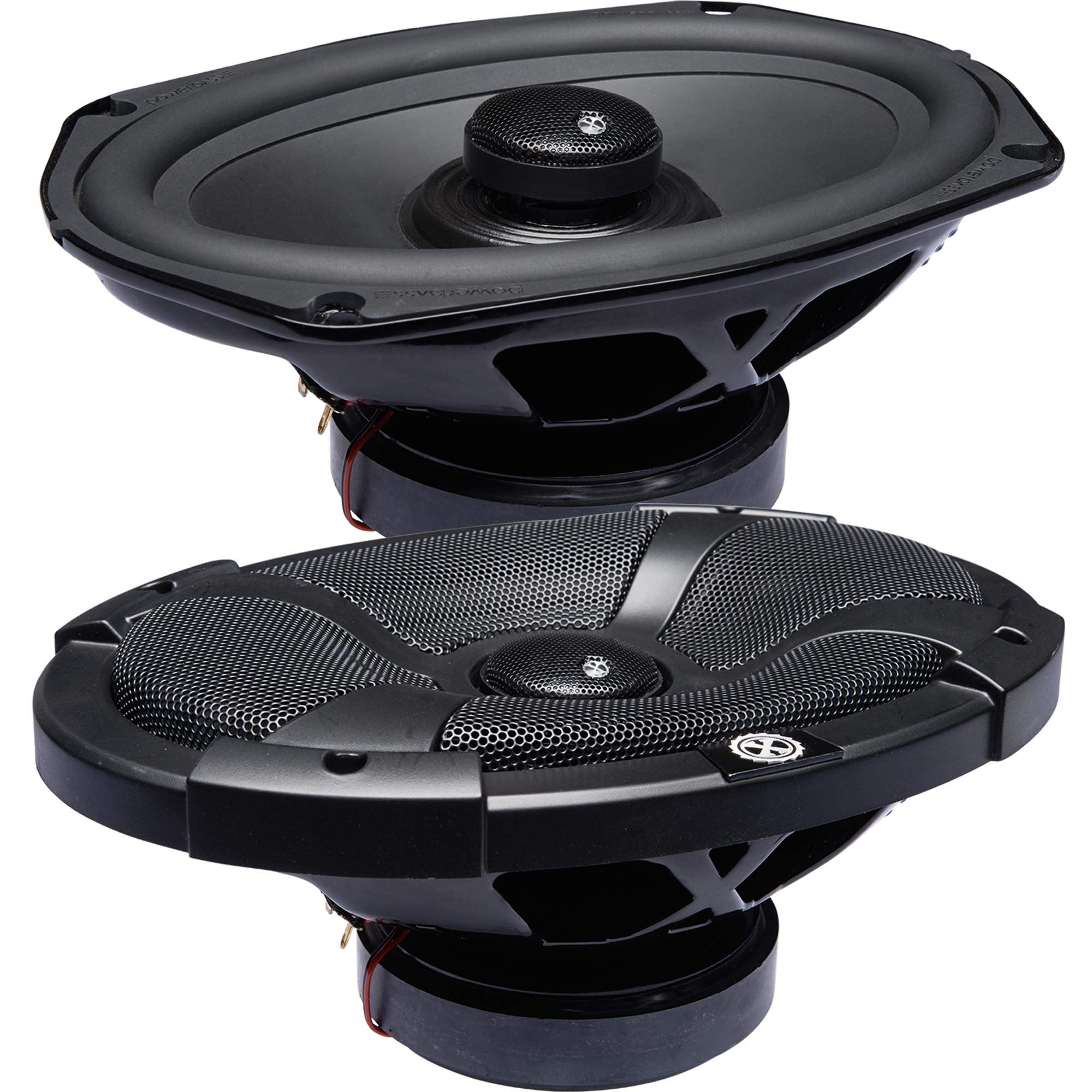


Types of 6x9 Speakers for a Fairing Compared
The 6x9 oval shape moves more air than a round speaker of similar width, which helps bass and volume in an open riding environment. The types below differ mainly in driver layout, weather sealing, and how much amplifier power they expect. As a rough price map, basic coaxial sets run about $60 to $120, marine rated sets about $100 to $200, and component style sets with separate tweeters about $150 to $300.
Coaxial Full Range Models
A coaxial model mounts the tweeter in the center of the woofer, so one speaker plays bass, vocals, and treble from a single opening. This is the simplest fairing upgrade, because it wires in like the speaker it replaces and needs no extra mounting holes. Sound is clear and balanced at moderate volume, and most sets are efficient enough to work with a factory radio. The limit is separation, since all the sound comes from one point low in the fairing. For riders who want an easy install and honest sound on day rides, this type is usually the sensible starting point.
Component Style Models
Component style sets separate the tweeter from the woofer and add an external crossover that divides the signal between them. Placing the tweeter higher or angled toward you lifts vocals above wind noise, which is the main reason riders step up to this type. The trade off is installation work, because you must mount the tweeter, hide the crossover inside the fairing, and route extra wire. These sets also tend to want more power than a stock radio gives. If you tour at highway speed and care about vocal clarity, the extra effort can be worth it.
Marine and Waterproof Models
Marine rated models use sealed cones, treated surrounds, coated baskets, and hardware that resists rust, so rain and road spray do less harm. Many carry an IP rating, and their parts are chosen to survive sun and humidity that would crack a normal car speaker surround within a few seasons. Riders comparing this type with standard sets will find our guide to the best waterproof 6x9 motorcycle speakers useful, since it explains ratings in more detail. Expect to pay a little more for the protection, and expect sound tuned slightly bright, which actually helps on a moving bike.
Coaxial vs Component Style: Which Should You Choose?
Compare the two mainstream layouts on five points. On vocal clarity, component sets win, because the tweeter can sit closer to ear level. On installation, coaxial wins easily, often using the factory holes and harness. On power, coaxial sets play louder per watt, while component sets reward an amplifier with cleaner sound at speed. On price, coaxial gives more volume per dollar. On weather exposure, both come in marine versions, so sealing matters more than layout. Choose coaxial for a simple, budget friendly upgrade on a bike with a stock radio. Choose component style if you ride long highway miles, wear a full face helmet, and plan to add amplifier power.
How to Choose the Right 6x9 Speaker
Sound Quality and Tuning
On a motorcycle, midrange clarity matters more than deep bass, because wind and exhaust mask low notes first. Look at the frequency response range and favor speakers that stay strong through the vocal band rather than chasing the lowest bass number. A slightly bright tweeter helps lyrics cut through, but a harsh one will tire you on a long ride. If your radio or amplifier offers equalizer controls, a neutral speaker gives you room to shape the sound yourself. Riders researching the wider category can also read our overview of the best 6x9 motorcycle speakers before narrowing to fairing fitments.
Power Handling and Sensitivity
Match the speaker RMS rating to your source. A factory motorcycle radio often sends only about 15 to 25 watts RMS per channel, so a sensitive speaker rated near 92 decibels or higher will play loud without strain. Peak watt numbers on the box mean little, so compare RMS figures only. If you run or plan an amplifier, choose a set whose RMS range matches the amplifier output, and set the gain so the speaker stays clean at your loudest cruising volume. Distortion, not volume alone, is what damages speakers over time.
Fit Inside the Fairing
Not every fairing that accepts a 6x9 uses the same adapter, depth, or grille clearance, so confirm your exact bike, year, and fairing style before ordering. Measure the space behind the mounting surface, because a large magnet can foul inner fairing parts or wiring. Check whether the kit needs adapter rings or a new grille, and whether the tweeter sits proud of the cone, since a tall tweeter can press against a flat grille. Our broader guide to the best motorcycle fairing speakers covers fitment patterns across common fairing shapes.
Weather Resistance and Build
A fairing shields a speaker from direct spray but not from humidity, heat, and the water that runs inside during a wash or a storm. Rubber surrounds outlast foam, polypropylene cones shrug off moisture, and sealed lead wires reduce corrosion at the terminals. An IP67 rating means the unit can survive brief immersion, which is more protection than a fairing speaker usually needs, but it signals thorough sealing. Stainless or coated mounting hardware matters too, because rusty screws stain fairing plastic and seize in place.
Features That Matter for Motorcycle Fairing Use
Fairing duty adds vibration, and vibration loosens fasteners and fatigues cheap baskets, so a rigid basket and solid terminals are real features, not decoration. A removable or paintable grille helps the speaker blend with a custom fairing. If you also run lid speakers, balance matters, and our guide to the best 6x9 speakers for motorcycle saddlebags explains how rear speakers change the overall sound. Finally, confirm the speaker impedance matches your radio or amplifier, most often 4 ohms, because a mismatch wastes power or strains the amplifier.
Setup and Care Tips
Use thread locking compound suited to plastic and metal fasteners where the maker allows it, and recheck mounting screws after your first few rides. Route wires away from steering movement and sharp fairing edges, and seal connections against moisture. Clean cones with a soft dry cloth rather than water, and inspect surrounds each season for cracks. If one side starts to buzz, check for a loose grille or a wire touching the cone before you blame the speaker itself.
FAQs
What features matter most in 6x9 speakers for motorcycle fairing use?
Sensitivity, weather sealing, and fairing fit matter most. High sensitivity gives you usable volume from a small radio, sealing protects against rain and humidity inside the fairing, and correct depth and adapter fit prevent rattles and clearance problems. RMS power handling should match your radio or amplifier, and a rigid basket helps the speaker survive constant vibration.
Do 6x9 fairing speakers need their own battery or Bluetooth?
No, fairing speakers are wired speakers that draw power from your radio or amplifier, so battery life and wireless codecs do not apply to the speakers themselves. Bluetooth, when offered, lives in the radio or a separate receiver that feeds the amplifier. Judge the speaker on sensitivity, power handling, and sealing instead of wireless features it does not contain.
Do I need an amplifier for 6x9 fairing speakers?
Not always, because a sensitive coaxial set can play clearly on factory radio power for town and country road speeds. An amplifier helps at highway speed, where wind noise pushes you to volumes a small radio cannot reach cleanly. If voices distort before they feel loud enough, added clean power, not a bigger speaker, is usually the fix.
What IP rating do I need for fairing speakers?
An IP rating around IPX5 or higher is a practical target, since it resists water jets and road spray, and many marine sets reach IP67. The fairing blocks direct rain, so sealing quality, treated surrounds, and corrosion resistant hardware matter as much as the headline number. Always confirm the rating covers the whole speaker assembly, including the terminals and grille edges.
Will any 6x9 speaker fit my motorcycle fairing?
No, fairings differ in adapter shape, depth, and grille clearance, and some need brand specific mounting kits. Confirm fitment for your bike model and year, measure the depth behind the mounting surface, and check tweeter height against your grille. A speaker listed as universal still needs those checks, because universal refers to the oval size, not to your fairing.
How do I keep vocals clear at highway speed on a motorcycle?
Start with sensitivity and tweeter placement, because vocals live in the range a raised or angled tweeter projects best. Add clean amplifier power if the radio distorts, and use a modest equalizer lift in the vocal band rather than turning bass up, which only adds mud the wind hides anyway. A taller windshield that calms turbulence around your helmet also helps more than most riders expect.
Final Thoughts
Decide by type first, coaxial for simple value, component style for vocal clarity, marine for weather protection, then confirm sensitivity, RMS match, and fairing fit before you order. Riders who want the sealed construction explained further can read about the best 6x9 marine speakers for motorcycle as a final cross check. Compare your short list with the product table above, and the best 6x9 speakers for motorcycle fairing for your bike will be the set that stays clear at speed, fits your fairing, and shrugs off the weather.


