
Best 6x9 Marine Speakers for Motorcycle of 2026: Complete Buying Guide
Disclosure: We may earn a commission when you buy through links on this page, at no extra cost to you. As an Amazon Associate I earn from qualifying purchases. Learn more

Buying guide to the best 6x9 marine speakers for motorcycle: fit, power, weather sealing, sound tuning, and the install checks that matter.
Riding with music only works when the speakers stay clear at road speed and survive rain, sun, and washing without fading or cracking. Many riders buy on wattage alone, then find the lids do not fit, the amp runs short on power, or the sound turns harsh once wind noise rises.
This guide helps you choose the best 6x9 marine speakers for motorcycle use by checking fit, sealing, sensitivity, and power first. Use the comparison table below to shortlist options, then work through the criteria here before you spend anything.


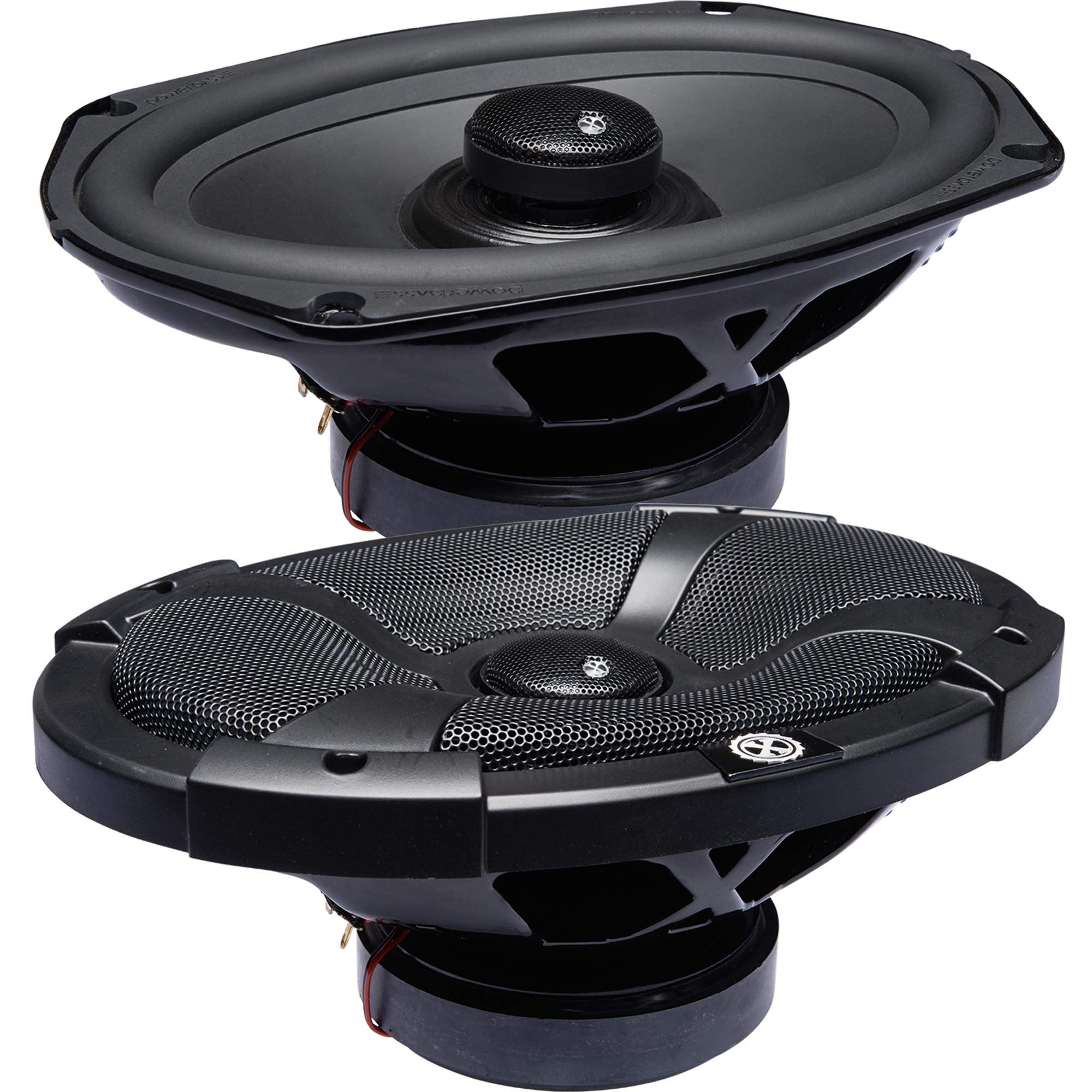


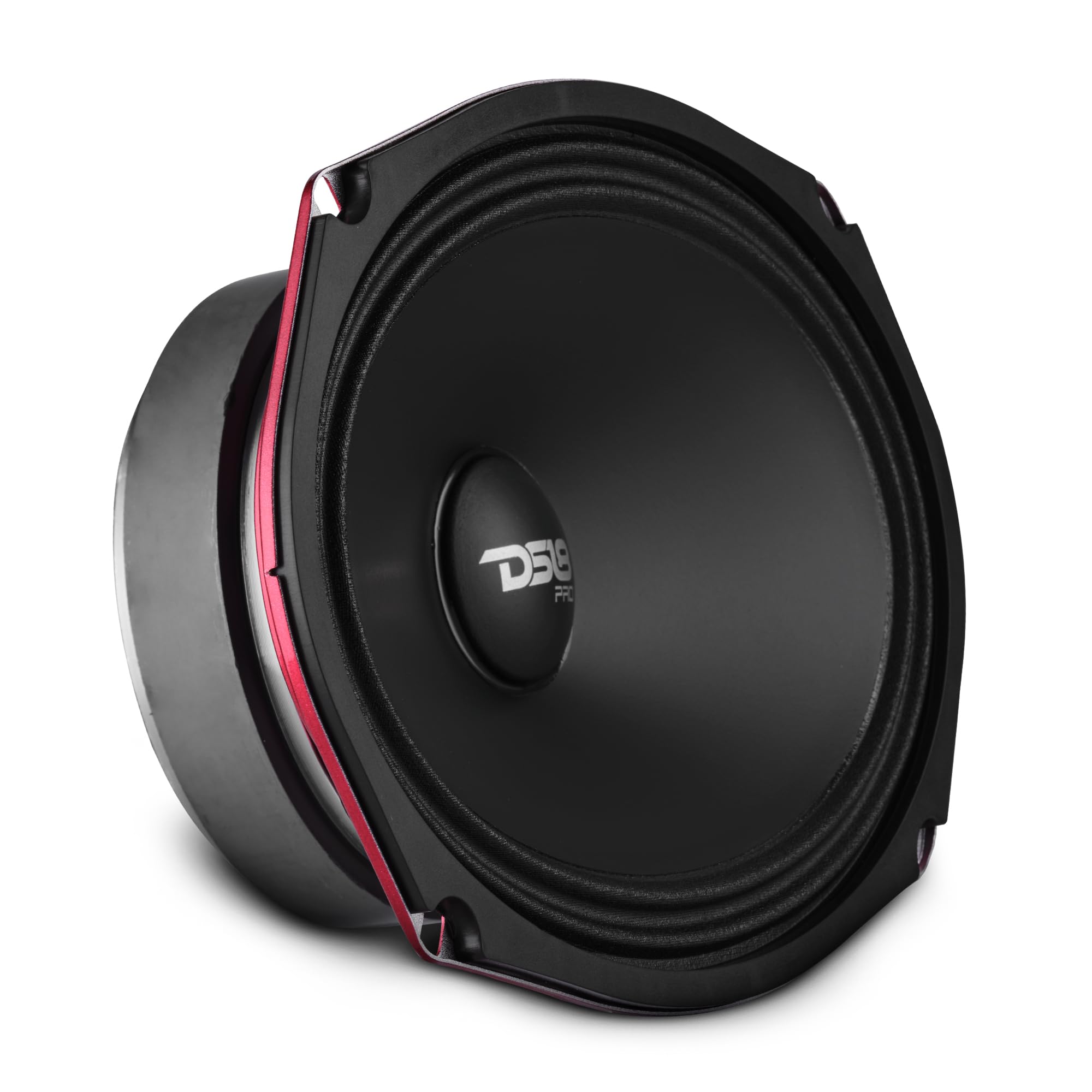


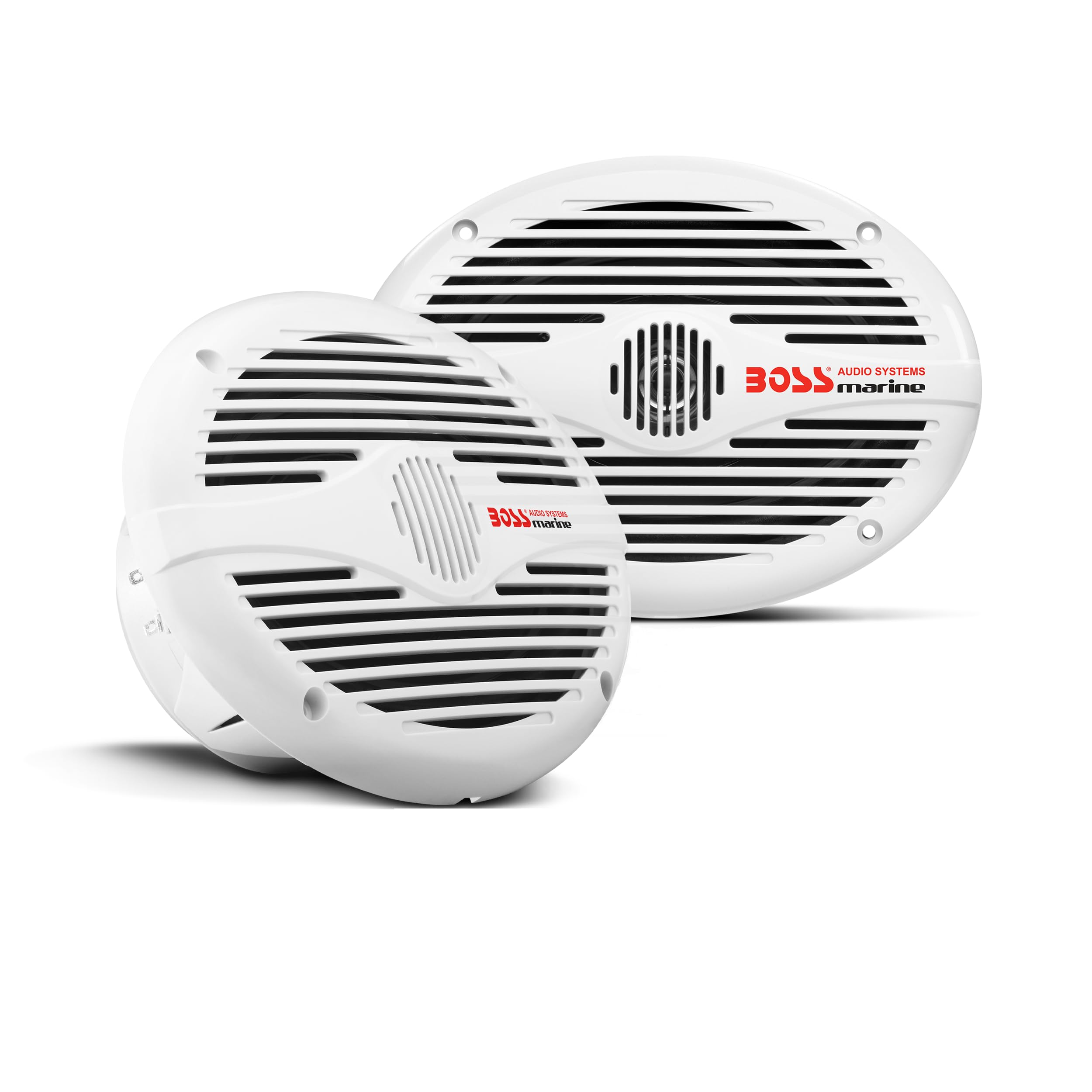
How to Compare Options at a Glance
Instead of chasing a single winner, compare speakers in three broad tiers. The right tier depends on your amp, your lids, and how many hours you ride in bad weather each season.
Best Overall Criteria
An all round choice balances high sensitivity, honest RMS power handling, and true marine sealing around the cone, surround, and terminals. Look for sensitivity around 90 dB or higher so a modest amp still gives clean volume at highway speed. Expect a mid tier price, roughly about $150 to $300 per pair, because proper sealing and stronger magnets cost more than basic cones.
Best Value Criteria
Value picks in this class usually cost about $80 to $150 per pair and still give you a waterproof cone and a UV stable grille. You give up some bass depth and some long term sealing, so plan to inspect the surrounds each spring. Value makes sense for fair weather riders who garage the bike and rarely ride through heavy rain.
Best Premium Criteria
Premium pairs, often about $300 to $500, add stronger voice coils, better heat control, and gaskets that seal the whole mounting face. That matters on long tours where the speakers play loud for hours in heat and rain. Premium only pays off if your amp can feed the extra power cleanly, so check your amp output before you step up.
How to Choose Marine 6x9 Speakers for a Motorcycle
This section is the core of the decision. Work through each point in order, because a speaker that fails on fit or power will disappoint no matter how good its spec sheet looks.
Features That Matter for Motorcycle Use
A motorcycle is a hostile place for audio. The speakers sit close to your ears yet compete with engine and wind noise, and they bake in sun while vibrating all day. Prioritize sensitivity first, then mounting depth, then the cutout size your lids or fairing actually allow.
Measure the lid opening and depth before ordering, and leave room for the magnet and wiring behind the cone. If you are upgrading from smaller speakers, our guide to the best 6x9 marine speakers explains the size class in more depth.
Sound Quality and Tuning
A 6x9 cone moves more air than a round 6.5 inch driver, which helps bass and midrange stay full at speed. Frequency response figures only help when they list a range with a tolerance, so treat a bare low number with caution. A speaker that reaches lower on paper may still sound thin in an open lid.
Tune for clear vocals first, because voices and guitar carry the detail you lose to wind. A small treble cut often sounds better on the road than it does in a garage, where hard surfaces flatter bright tweeters.
Ecosystem and App Features
The speakers themselves are passive parts, so app features live in your head unit or amp. If your system offers EQ presets, firmware updates, and Bluetooth source control, check that it supports the settings you will actually use. An amp with a simple high pass filter protects the cones from deep bass they cannot reproduce cleanly.
Keep the signal chain simple. Every extra processor adds wiring, power draw, and one more place for water to reach a connection on a wet ride.
Battery Life and Charging
Passive speakers have no battery at all. They draw power from your motorcycle electrical system through the amp, which is why amp efficiency matters on smaller bikes. A large amp played loud at idle can strain a weak charging system, so check your stator output if you plan a big build.
Practical know how: play the system at your normal cruising volume for ten minutes with the engine off. If the starter turns slowly afterward, your setup is drawing more than your battery can spare.
Microphone Quality
Speakers do not contain microphones, so calls and voice commands depend on your head unit or helmet system. If you take calls while riding, judge the microphone in that device, not the speaker listing. Clear speaker output still helps you hear the other side of the call at speed.
Test call clarity parked first, then at low speed on a quiet road. Wind noise at the microphone usually causes more trouble than the speakers ever will.
Noise Cancellation and Isolation
Passive motorcycle speakers offer no active noise cancelling, and no speaker can remove wind noise for an open helmet rider. What helps is placement and aim. Speakers in lids fire up toward you, while fairing speakers fire back at you, and both beat a distant rear mount.
Ear protection matters more than any feature here. Use proper riding earplugs that cut wind roar while letting music through, and keep volume at a level where you still hear traffic, sirens, and horns clearly.
Durability and Water Resistance (IP Rating)
Marine grade means the speaker resists water, salt spray, and UV light far better than a car speaker. Look for an IP67 style claim or clear language about sealed cones, coated terminals, and drainage, and treat vague splash proof wording as a warning sign. Rubber surrounds outlast foam in sun and rain.
Sealing only works if the install seals too. Use the supplied gasket or a marine sealant bead on the mounting face, and route wires with a drip loop so water runs away from the terminals.
Types of 6x9 Marine Speakers
Listings borrow terms from headphones and portable audio, which confuses buyers. Here is what those labels mean, and do not mean, for speakers that bolt into a motorcycle.
Noise Cancelling Models
There is no true noise cancelling version of a passive 6x9 speaker. If a listing uses that phrase, it usually describes a head unit feature or simple marketing language. Judge the speaker on sensitivity and sealing instead, and handle wind noise with earplugs and sensible volume.
Wired Models
Wired models are the standard choice and connect to an amp or head unit with speaker wire. They give the most reliable sound, no pairing steps, and no extra battery to manage. For most riders comparing best 6x9 motorcycle speakers, a wired marine pair is the sensible default.
Wireless and Bluetooth Models
Bluetooth lives in the source, not in a passive speaker. Some amplified systems accept a Bluetooth signal and then feed wired speakers, which works well and keeps the speakers simple. Avoid add on receivers with weak weather sealing, because the receiver becomes the failure point in rain.
Home and Bookshelf Models
Home speakers are not built for vibration, rain, or UV light, and their cabinets do not fit motorcycle lids. Skip them for this job even when the price looks tempting. If your build centers on saddlebags, see our guide to the best 6x9 speakers for motorcycle saddlebags for lid specific fit advice.
How to Make Your 6x9 Marine Speaker Last Longer
- Rinse gently after wet or dusty rides. A soft cloth and plain water remove grit that grinds into surrounds and grilles.
- Check the mounting screws each season. Vibration loosens hardware, and a loose speaker leaks water and rattles at volume.
- Keep the amp gain set correctly. Clipping from an overdriven amp is the fastest way to cook a voice coil.
- Inspect seals and gaskets every spring. Cracked rubber lets water reach terminals and corrodes connections quietly.
- Cover the bike or store it indoors. UV light ages cones and surrounds even on marine rated parts.
- Clean grilles with a soft brush. Packed dust and bugs muffle the tweeter and hold moisture against the cone.
If deep bass is your priority, our guide to the best marine 6x9 speakers for bass covers cone area and enclosure choices. Riders who ride in rain often should also read about the best waterproof 6x9 motorcycle speakers before choosing a sealing level.
FAQs
What features matter most in 6x9 marine speakers for a motorcycle?
Fit, sensitivity, and sealing matter most. Confirm the cutout and depth match your lids, choose sensitivity around 90 dB or higher for clean volume with a modest amp, and pick true marine construction with rubber surrounds and sealed terminals. Power handling only matters once those three are right.
What IP rating do I need for outdoor use on a motorcycle?
Aim for IP67 level protection or clear marine sealing claims covering the cone, surround, and terminals. Motorcycles expose speakers to driven rain at speed, which is harsher than a parked boat test. Your install gasket matters as much as the rating, so seal the mounting face carefully.
Do I need a special codec for motorcycle speakers?
No, codecs apply to the Bluetooth source, not to passive speakers. Your head unit or phone handles the codec, and the speakers simply play what the amp sends them. At road speed, wind noise hides small codec differences, so spend your budget on sensitivity and sealing instead.
Is noise cancelling worth the extra cost on motorcycle speakers?
No, because passive speakers cannot cancel noise. Any cancelling happens in a helmet system or head unit, not in the speaker itself. Put that money toward a better amp match and proper earplugs, which cut wind roar while keeping traffic sounds audible.
How long does the battery last on 6x9 marine motorcycle speakers?
There is no battery to run down, since the speakers draw power from the bike through the amp. What you manage instead is total electrical load. A modest amp at sane volume is fine for most charging systems, while very large builds deserve a stator and battery check first.
Wired or wireless: which sounds better on a motorcycle?
Wired sounds better and behaves more predictably, because the signal reaches the amp without compression or pairing dropouts. Wireless refers only to how music reaches the system, since the speakers still connect by wire. Choose wired speakers with a Bluetooth capable source and you get both convenience and reliability.
Our Verdict
Start with fit, then sensitivity, then honest marine sealing, and let wattage come last. Fair weather riders can save with a value tier pair, while tour riders should pay for premium sealing and an amp that matches. Compare your shortlist in the product table above, and you will land on the best 6x9 marine speakers for motorcycle riding for your bike, your weather, and your budget.


