
Best 6x9 Speakers for Highs in 2026: Which Type Is Right for You?
Disclosure: We may earn a commission when you buy through links on this page, at no extra cost to you. As an Amazon Associate I earn from qualifying purchases. Learn more

Compare the best 6x9 speakers for highs by type, with each type's pros and cons, ideal users, and price range, so you can choose the right style.
If vocals, cymbals, and acoustic guitar sound dull in your car, the problem is usually the tweeter, not the size of the woofer. Shoppers hunting for the best 6x9 speakers for highs face coaxial sets, component sets, and multi driver designs that all promise clarity in very different ways. This guide compares those types side by side so you can match a design to your ears, your power source, and your budget.
The comparison table below gathers the options in one place. Use it alongside the type breakdown that follows, because a speaker that looks strong on a spec sheet can still sound harsh or muted once it sits low in a door behind a factory grille.

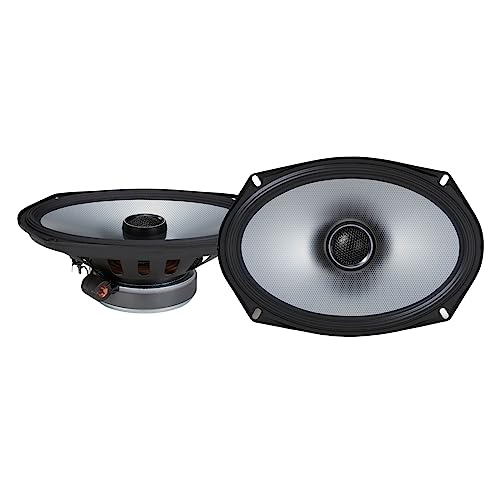
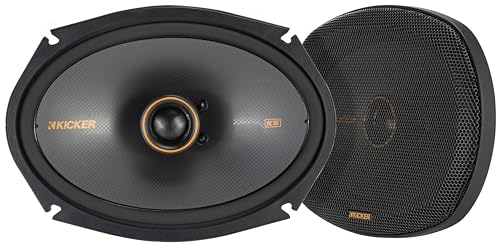
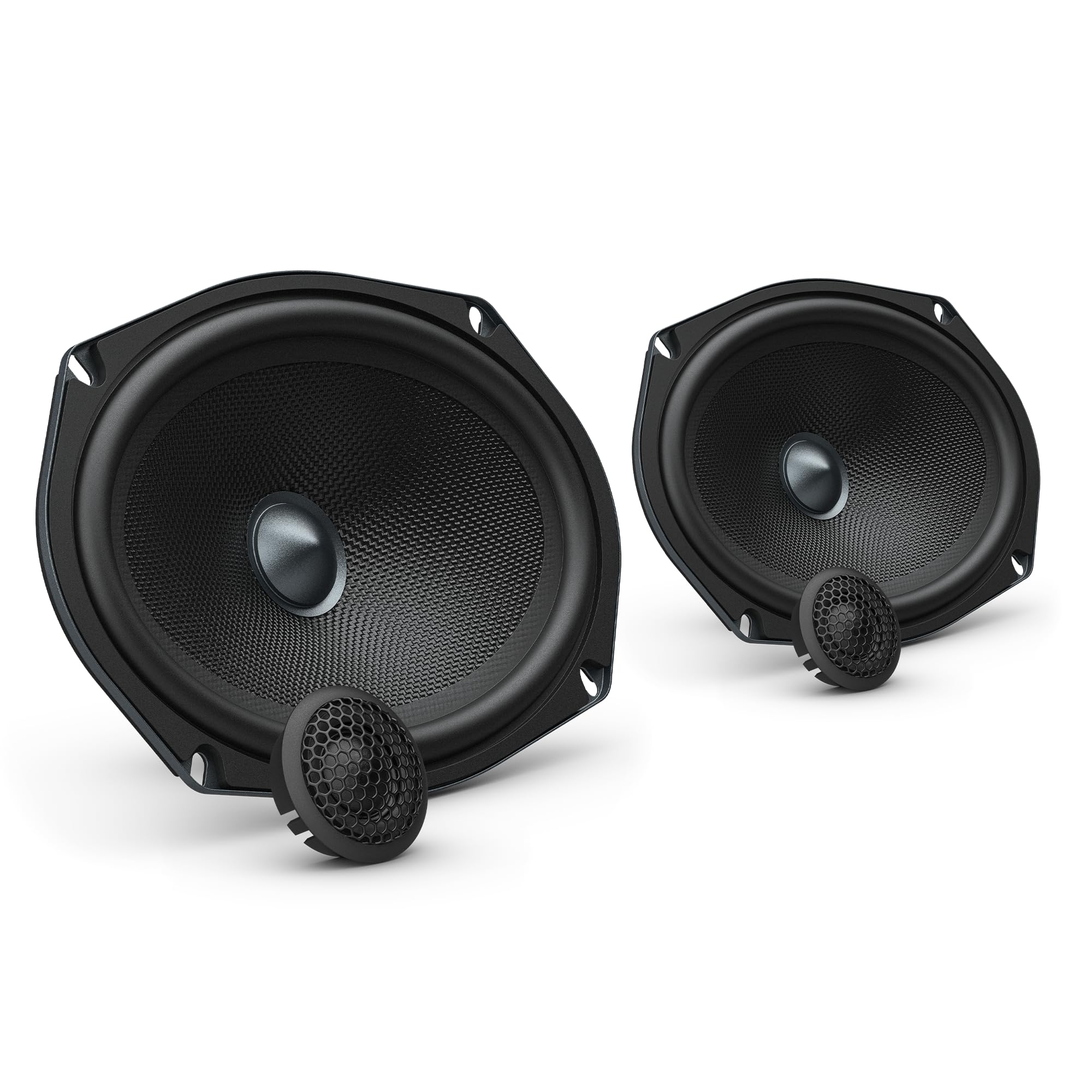
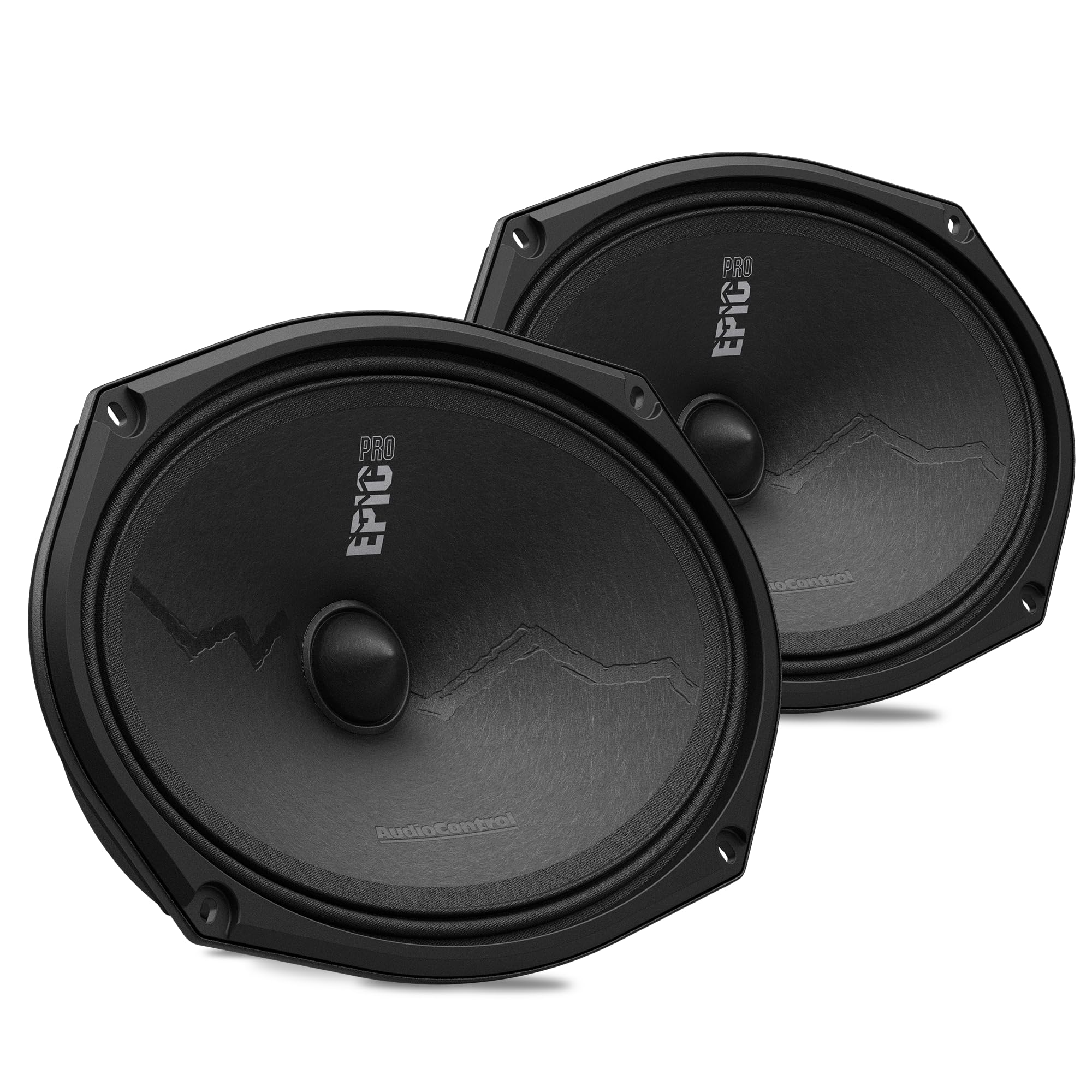

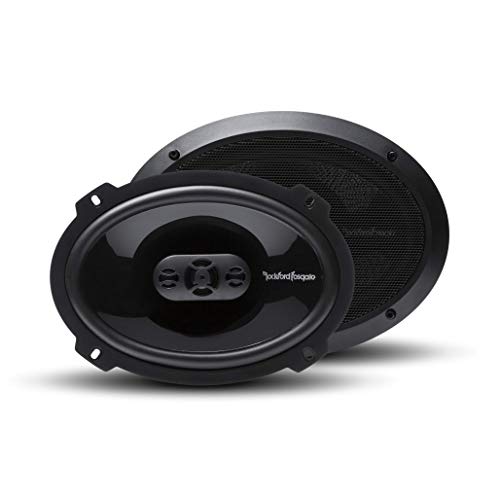
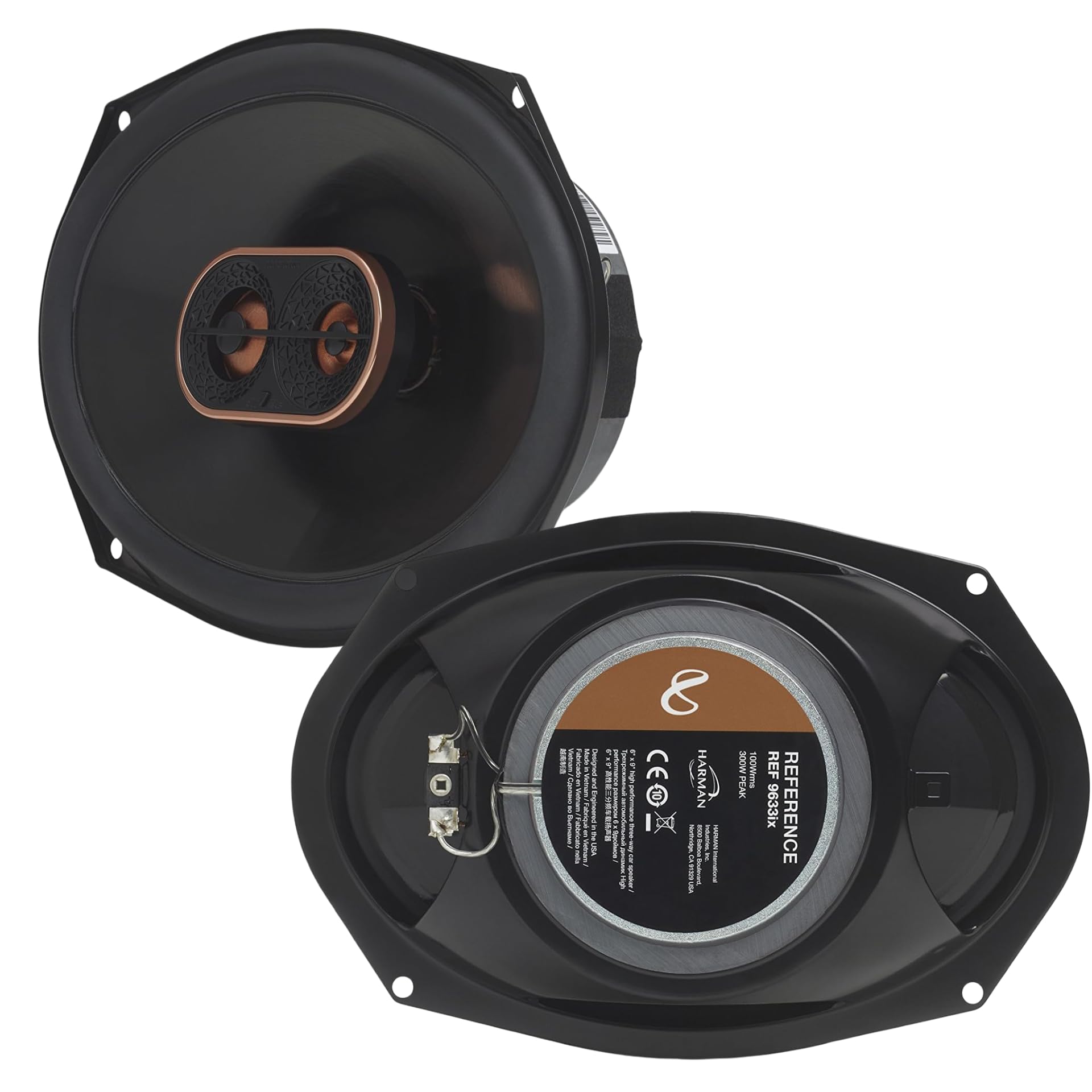
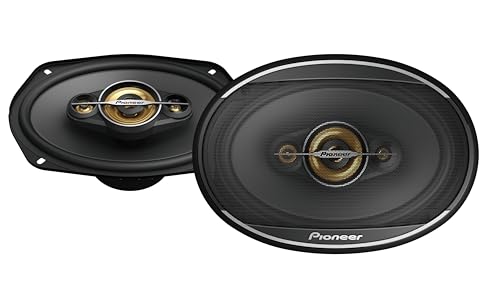

Types of 6x9 Speakers Compared
A 6 by 9 inch speaker has enough cone area to give you solid midbass, but the highs come almost entirely from a small tweeter. That is why the type you choose matters more for treble than the brand badge does. Budget models often start around $50 a pair, mid range sets run about $100 to $250, and premium component sets can pass $300 before amplification.
Coaxial Two Way Models
A coaxial two way speaker mounts the tweeter in the center of the woofer, so both drivers share one frame and one set of mounting holes. Installation is simple because you reuse the factory wiring and location, which makes this type the default upgrade for most cars and trucks. The trade off is control, since the tweeter angle is fixed and the crossover is usually a simple capacitor.
Choose a two way coaxial if you listen at moderate volume and want clearer vocals without adding an amplifier. Look for a silk or soft dome tweeter if you dislike sharp treble, because soft domes tend to roll off gently at the very top. Listeners who prefer bright, forward detail may like a harder dome material instead.
Coaxial Three Way and Four Way Models
Three way and four way coaxial speakers add a midrange driver and sometimes a tiny extra tweeter, often called a super tweeter, beside the main tweeter. In theory this splits the work so each driver covers a narrower band, which can make voices and high notes sound more distinct. In practice the extra drivers are small, and the benefit depends heavily on crossover quality.
These models suit listeners who play varied music and want a fuller sound from a single drop in speaker. Be cautious with very cheap multi driver sets, because crowded driver layouts can block part of the woofer and add harshness rather than clarity. A well made three way is a reasonable step up, while a bargain four way often is not.
Component Models
A component set separates the woofer and tweeter into different housings and adds an external crossover box that divides the signal between them. You can mount the tweeter higher, near the dash or sail panel, which lifts the soundstage and puts high frequencies closer to ear level. That placement advantage is the biggest reason component sets usually win on clarity.
The cost is installation effort, since you must run extra wire, place the crossovers where moisture cannot reach them, and cut or adapt a tweeter mount. Component sets also reward added amplifier power more than coaxial models do. If you enjoy detailed listening and plan to keep the car for years, this type repays the extra work.
High Sensitivity Models for Factory Power
High sensitivity speakers are built to play louder with very little power, which matters when a factory radio produces only a small amount of clean output per channel. Sensitivity is rated in decibels, and a rating around 92 dB or higher generally means the speaker will sound lively on head unit power alone. Lightweight cones and efficient motors are the usual recipe.
This type is ideal for a simple upgrade where you are not adding an amplifier and do not want to change anything else. The compromise is that these speakers often have lower power handling, so they are a poor match for a strong aftermarket amplifier. Match the sensitivity choice to the power you actually have, not the power you might add someday.
Coaxial vs Component: Which Should You Choose?
Placement is the first difference, because a component tweeter can sit high and aim toward you while a coaxial tweeter stays low in the door. Crossover quality is the second, since external crossovers use better parts and protect the tweeter more precisely. Power appetite is the third, with components usually wanting an amplifier and coaxials staying content with factory output.
Cost and effort complete the picture, because a component install can take twice as long and may need tweeter pods or adapters. If your goal is a quick clarity boost this weekend, choose coaxial and spend the savings on door treatment. If your goal is the best imaging and detail your budget allows, choose component and plan the install carefully. Readers weighing a broader balance can also see our guide to the best 6x9 speakers for mids and highs for how treble choices affect vocals.
How to Choose the Right 6x9 Speaker
Tweeter Material and Design
Tweeter material shapes the character of the highs more than any other single choice. Silk and textile domes sound smooth and forgiving, which suits long drives and bright factory radios. PEI and other polymer domes sit in the middle, offering decent detail at low cost, while metal domes such as titanium or aluminum sound fast and vivid but can turn harsh in a reflective cabin.
Size and aiming matter too. A larger tweeter, around 1 inch, usually handles the lower treble with less strain than a tiny half inch unit. Pivoting or swivel mounts on coaxial models let you angle the tweeter upward, a small feature that can noticeably improve clarity when the speaker sits low in the door.
Sound Quality and Tuning
Frequency response figures tell you the claimed range, but the shape of that response matters more than the endpoints. A speaker rated to 20 kHz or beyond has the extension for airy highs, yet a smooth response through the presence region, roughly 3 kHz to 8 kHz, is what makes vocals clear without sounding piercing. Published graphs are rare at budget prices, so treat single number claims with caution.
Tuning options help you adapt the speaker to your cabin. Some crossovers offer a tweeter level switch with settings such as 0 dB and minus 3 dB, which lets you tame brightness after installation. Your head unit equalizer can finish the job, and a small cut near the harshest band usually works better than a big boost elsewhere. For a wider view of clarity focused options, our guide to the best speakers for highs explains treble tuning across sizes.
Power Handling and Sensitivity
Match the speaker to your power source using the RMS rating, which reflects continuous power handling, rather than the larger peak number used in advertising. A set rated around 50 to 100 watts RMS suits most small amplifiers, while a lower rating is fine for factory power. Feeding a speaker far more power than its rating invites distortion and damage at high volume.
Sensitivity completes the match. Higher sensitivity means more volume per watt, which keeps highs clean at the listening levels you actually use, because the amplifier works less hard. If you compare overall output across designs, the roundup of the best sounding 6x9 speakers shows how power and sensitivity trade against each other in practice.
Features That Matter for Highs
Clear highs demand specific hardware, starting with a real crossover slope that keeps midrange energy out of the tweeter. A steeper slope, such as 12 dB per octave, protects the tweeter and reduces the muddiness that blurs detail. Separate tweeter protection circuits are another plus, since a small tweeter is the easiest driver to damage with a clipped signal.
Also check the mounting depth and the tweeter protrusion, because a tall central tweeter can press against a factory grille and buzz. Butyl rubber surrounds tend to age better than foam in hot car doors, which protects long term consistency. Small details like these decide whether the highs stay clean two years from now, and shoppers comparing full range car installs may also value the notes in our guide to the best sounding 6x9 car speakers.
Care and Maintenance Tips
Keep grilles clean so dust and drink splashes do not coat the tweeter dome, and wipe domes only with a soft dry cloth because pressure can dent them. Check door wiring once a year for chafed insulation, since a strand short can silence one channel or damage an amplifier. Avoid running at maximum volume for long sessions, because heat builds in small tweeter voice coils quickly.
If your system uses a head unit with firmware, keep it updated so equalizer and crossover settings behave as expected. When you park in extreme heat, a sunshade helps protect surrounds and adhesives. Catching small problems early keeps the treble you paid for intact.
FAQs
What features matter most in 6x9 speakers for highs?
Tweeter material, crossover quality, and tweeter placement matter most. A smooth dome material suits most listeners, a proper crossover keeps the tweeter clean and safe, and raising the tweeter toward ear level improves detail more than a higher price alone. Sensitivity also counts, because an efficient speaker stays clear on modest power without straining.
How much amplifier power do 6x9 speakers for highs need?
Most sets sound clean on about 20 to 75 watts RMS per channel, and many need no amplifier at all if sensitivity is high. The practical test is distortion, not wattage, so raise the volume slowly and stop where the highs turn gritty. Adding a small amplifier mainly buys headroom, which keeps treble composed during loud passages.
Why do my new 6x9 speakers sound harsh on high notes?
Harshness usually comes from a bright metal tweeter, a reflective cabin, or a loudness setting boosting the treble. Try the crossover tweeter level switch if your set has one, then cut the highest equalizer band by a small step. Giving the speakers a few weeks of normal listening also helps, since stiff new surrounds and your own ears both adjust.
Can I improve the highs without replacing the speakers?
Yes, you can often improve clarity by adjusting the equalizer, turning off loudness and sound effects, and aiming any pivoting tweeters upward. Adding modest door damping reduces vibration that masks detail, and it costs less than new speakers. If the factory tweeters are blown or the domes are dented, though, no setting will restore what is physically lost.
Do 6x9 speakers for highs need a break in period?
A short break in period helps, because the surround and spider loosen with use and the bass and lower midrange settle into their intended balance. Expect roughly 10 to 20 hours of varied listening at moderate volume rather than a single loud session. The tweeter itself changes little, so judge treble character early and use placement and equalizer settings to refine it.
Our Verdict
Start with tweeter material and placement, then confirm sensitivity and RMS ratings match your power source. Coaxial sets give most drivers an easy clarity upgrade, while component sets reward careful installation with the most open and detailed treble. Whichever type fits your car, the best 6x9 speakers for highs are the ones whose brightness you can tune to your cabin, so compare your finalists in the product table above before you buy.


