
Best 6x9 Speakers for Harley Lids: A First Time Buyer's Guide for 2026
Disclosure: We may earn a commission when you buy through links on this page, at no extra cost to you. As an Amazon Associate I earn from qualifying purchases. Learn more

Shopping for the best 6x9 speakers for harley lids for the first time? Learn the terms, compare options, and avoid rookie mistakes with this easy guide.
Adding speakers to saddlebag lids is one of the most rewarding upgrades on a touring Harley, and one of the easiest to get wrong the first time. Lids vary by year, cutout kits vary by maker, and a speaker that fits on paper can still foul the bag when the lid closes.
This guide explains the best 6x9 speakers for harley lids in plain, first time friendly terms. You will learn the basic terms, the specs that matter for a lid install, and the rookie mistakes to avoid, starting with the comparison table below.


6x9 Speakers 101: The Basics
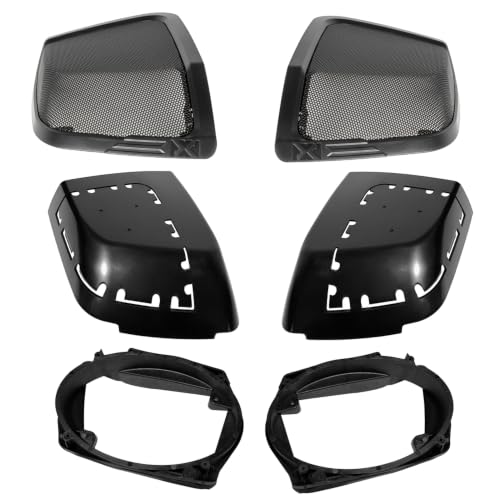
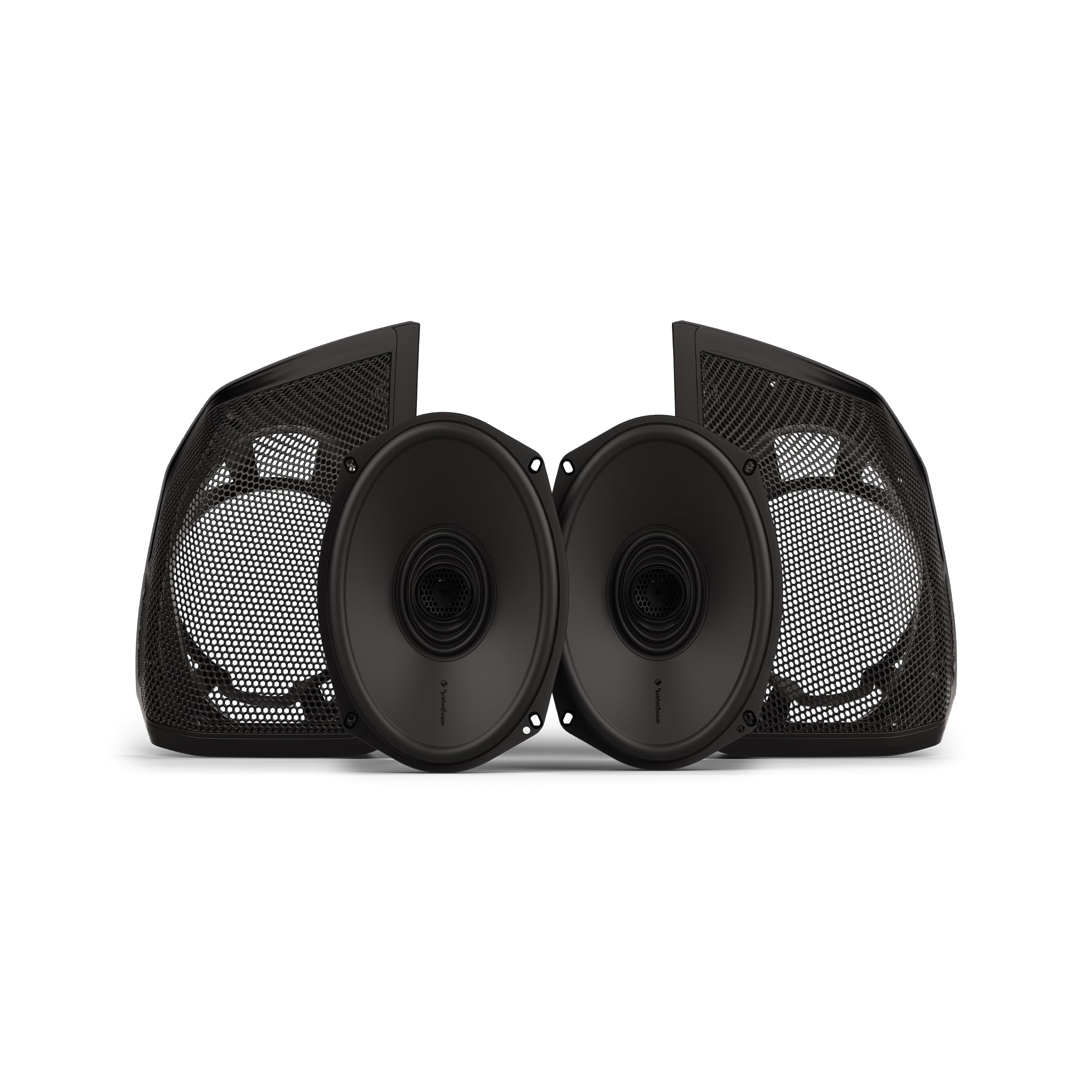
A 6x9 speaker is an oval speaker about six inches by nine inches, and its wide cone moves enough air to stay audible at road speed. In a lid install, the speaker mounts in the top of the saddlebag lid, often with a cutout kit or a replacement lid, and fires upward toward the rider and passenger. That upward aim is why lid speakers add so much fullness on the highway.
Most lid speakers are coaxial, with a tweeter mounted in the center of the woofer, and all of them are passive. Your radio or an added amp supplies the power, and speaker wire runs through the bag to each lid. There is no battery, no pairing, and nothing to charge, which keeps the system simple once the install is done well.
Key Specs Explained in Plain English
Features That Matter for Harley Lids
Lid installs add two demands that fairing speakers never face. First, depth is limited, because the magnet hangs into the bag and must clear your gear and the bag floor. Second, the speaker faces straight up, so rain lands on it directly and the grille and cone must shed water instead of pooling it.
Choose a shallow to mid depth design with a sealed, waterproof cone and a grille that drains. Confirm the cutout size and bolt pattern of your lid kit first, because kits differ and a mismatch means cutting twice or starting over.
Sound Quality and Tuning
Upward firing lid speakers support the fairing speakers rather than replacing them, so judge them on fullness and warmth. A smooth midrange and gentle treble blend best, while a loud, bright lid speaker can sound harsh to a passenger sitting right above it. Frequency response claims matter less than sensitivity and tone here.
Practical know how: set the balance slightly toward the fairing after a lid install. Riders often run the lids too loud, which pulls the sound image backward and makes vocals seem distant at speed.
Battery Life and Charging
Lid speakers have no battery or charging needs, because they draw power from the motorcycle through the amp. What changes with a lid install is total system draw, since you now run four speakers instead of two. A modest amp handles that easily on a touring bike with a healthy charging system.
The habit to build is simple. Keep parked listening short, because an amp feeding four speakers at party volume can drain a bike battery faster than new owners expect.
Noise Cancellation and Isolation
No lid speaker cancels noise, and any listing that suggests otherwise is borrowing headphone language. Wind and exhaust noise are handled with enough clean volume, good earplugs, and sensible expectations about deep bass in open air. Isolation in this context just means sealing the speaker to the lid so sound goes up, not into the bag.
That seal matters more than beginners think. An unsealed lid speaker leaks sound into the saddlebag, rattles loose items, and lets water follow the same path during a wash or storm.
Ecosystem and App Features
Any app or EQ features live in your radio, not in the speakers. If your radio offers per zone volume or EQ presets, lid speakers benefit, because you can tame their level on quiet roads and raise it on the highway. Check that your radio firmware is current before the install, so Bluetooth or EQ bugs do not get blamed on new speakers.
Keep the wiring plan as part of the ecosystem too. Quick disconnect plugs at each bag let you remove the bags for cleaning or service without cutting wires, and that small choice pays off for years.
Durability and Water Resistance (IP Rating)
Look for IP67 level claims or plain marine language covering the cone, surround, terminals, and grille. Lid speakers face sun all day and rain from above, so UV stable materials and rubber surrounds are not optional extras. Foam surrounds and paper cones age fast in this position.
Sealing the install completes the rating. A gasket between speaker and lid, plus sealed wire entries into the bag, keeps water out of the saddlebag and off your gear. If you are still comparing lid and fairing routes, our guide to the best 6x9 speakers for harley models covers both.
Rookie Mistakes to Avoid
- Ordering speakers before choosing the lid kit. Cutout size and bolt pattern come from the kit, so the speakers must match it, not the other way around.
- Ignoring magnet depth. A deep magnet steals bag space and can press into packed gear, buzzing at volume and wearing the bag liner.
- Skipping the gasket to save ten minutes. Water and sound both leak through an unsealed mount, and the fix means removing the speaker later anyway.
- Running wire without disconnect plugs. Bags come off for cleaning and service, and hard wired lids turn a simple job into a frustrating one.
- Judging the sound parked in a garage. Garage walls flatter bass and brightness, so set your expectations and EQ at real road speed instead.
Getting Started: Setup and First Use
Begin with a dry fit. Set each speaker into its lid cutout, close the lid, and confirm clearance before any wire is cut or any sealant is opened. Wire one side, play music quietly, and check for rattles from the latch and hinges before finishing the second side.
On the first ride, start with the lids at moderate volume and raise them gradually until voices stay clear at your cruising speed. Note the radio settings that work, because wind, helmets, and passenger presence all change the ideal balance. Our guide to the best harley speakers gives broader system planning help for the next steps.
Frequently Asked Questions
What features matter most in 6x9 speakers for harley lids?
Fit, sealing, and sensitivity matter most. Match the cutout and bolt pattern of your lid kit, pick a waterproof cone with a draining grille, and choose sensitivity around 90 dB or higher so a modest amp plays clearly at speed. Depth clearance inside the bag comes next, because a speaker that steals your storage will annoy you daily.
What IP rating do I need for outdoor use in saddlebag lids?
Aim for IP67 level protection or clear marine sealing on the cone, surround, and terminals. Lid speakers face rain from directly above, which is the hardest direction for water entry. Renew the mounting gasket whenever you swap speakers, because the install seal carries half of the real world protection.
How long does the battery last on lid speakers?
There is no battery in the speakers, so the real limit is your motorcycle battery during parked listening. Riding normally, the charging system handles a four speaker setup without strain. Parked, keep the volume modest and the session short, or run the engine between listening breaks.
Do I need a special codec for lid speakers?
No, codecs apply to the Bluetooth link between your phone and radio, not to passive speakers. The speakers play whatever the amp sends, and road noise hides small codec differences entirely. A stable Bluetooth connection matters more than any codec name, so keep the radio firmware updated.
Wired or wireless: which sounds better for lid speakers?
Wired sounds better, and lid speakers are wired by necessity, since power and signal both arrive by cable through the bag. Wireless only describes how music reaches the radio. Choose quality wire, sealed connectors, and disconnect plugs at the bags, and the wired path will stay clean and reliable for years. For general sound comparisons, see our guide to the best sounding 6x9 speakers.
Is noise cancelling worth the extra cost on lid speakers?
No, because passive speakers cannot cancel anything. That money works harder as door style sealing for the lid, better earplugs, or a slightly stronger amp. If low end is your real goal, read our guide to the best 6x9 speakers for bass and keep expectations honest for open air listening. Car focused tuning tips in the best sounding 6x9 car speakers guide also transfer well.
Final Thoughts
For a first lid install, match the kit, seal the mount, and favor sensitivity over headline wattage. Do the dry fit, add disconnect plugs, and tune at road speed rather than in the garage. Compare your shortlist in the product table above, and you will choose the best 6x9 speakers for harley lids for your bike with no costly second attempt.


