
Best 6x9 Speakers for Factory Radio: Budget, Midrange, and Premium Tiers for 2026
Disclosure: We may earn a commission when you buy through links on this page, at no extra cost to you. As an Amazon Associate I earn from qualifying purchases. Learn more

Compare the best 6x9 speakers for factory radio use by budget tier, sensitivity, and power needs, so your stock head unit drives them loud and clear.
Keeping your factory radio and swapping only the speakers is the smartest budget move in car audio, but it only works if the speakers are chosen for low power. A stock head unit delivers a fraction of the wattage an amplifier makes, so the rules change completely. This guide shows you how to pick the best 6x9 speakers for factory radio use at three budgets, and which specs decide success before you spend a dollar.
The core idea is simple: efficiency beats power handling when the radio is weak. Work through the tiers below, check your candidates against the comparison table below, and you will end up with a pair your stock system can actually drive.

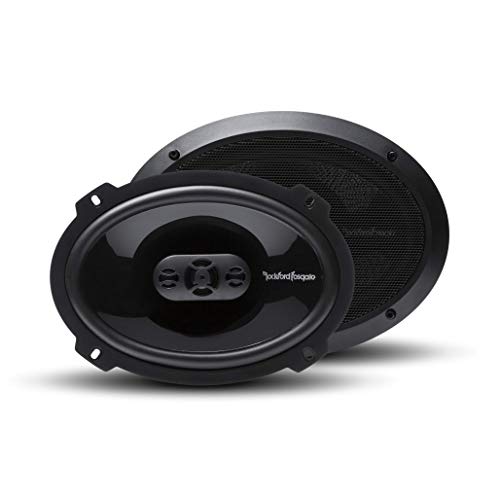
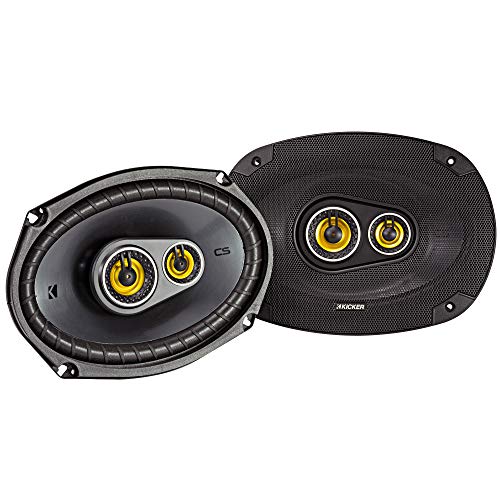
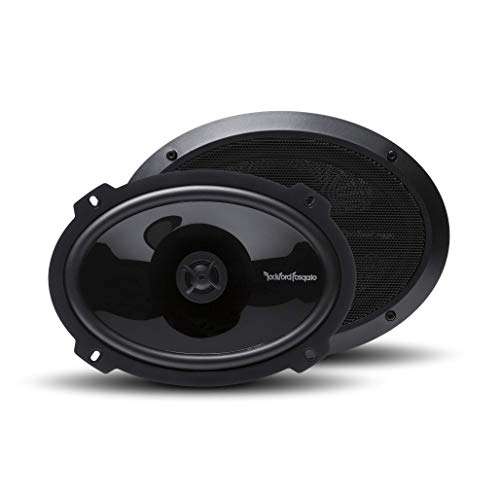
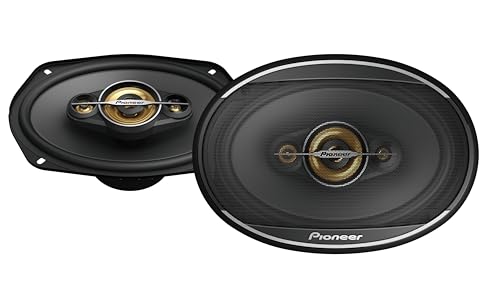

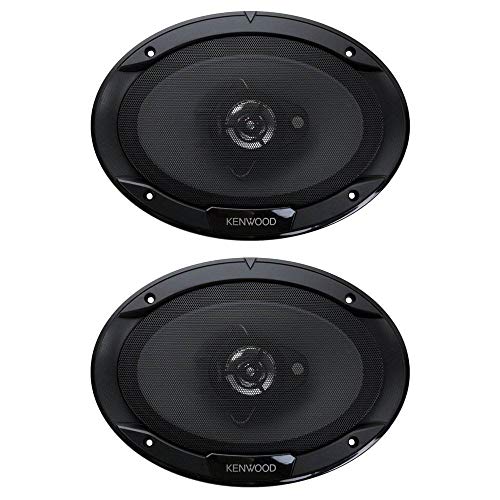

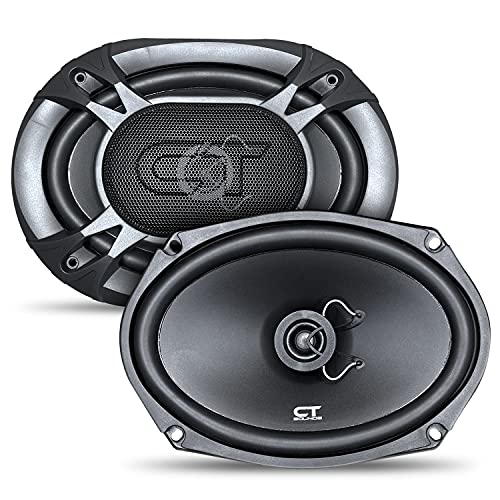
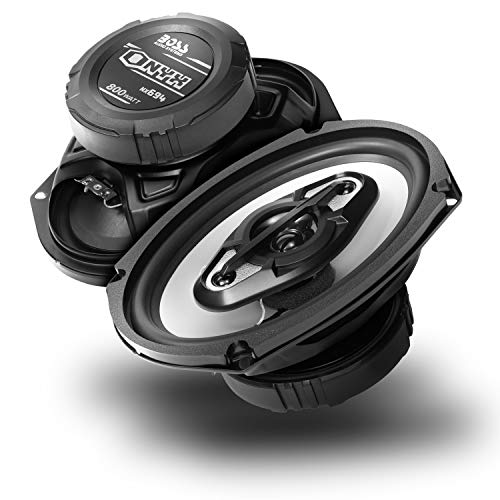
Three Budget Tiers, Three Spec Profiles
Here is the profile a pair should show at each price level when the goal is factory radio performance. Treat any listing that misses its tier profile as overpriced for this job.
Best Budget Profile
Around $40 to $75 per pair, demand sensitivity of at least 91 dB, modest RMS handling around 25 to 45 watts, and a shallow mounting depth that drops into factory holes. At this level you are buying efficiency and durability: a polypropylene cone, a rubber or treated surround, and a simple tweeter. This profile transforms a worn out factory setup for talk, podcasts, and everyday music, and it is the right spend for an older car you plan to keep a few more years.
Best Midrange Profile
Around $75 to $140, the mid tier should keep sensitivity near 92 dB while adding a better crossover, a silk or soft dome tweeter for smoother highs, and RMS handling around 50 to 75 watts so an amplifier remains possible later. Build quality improves, grilles and harness friendly terminals appear, and warranties lengthen. For most owners this tier is the ceiling of what a factory radio can exploit, and it is where we suggest starting. Our guide to the best sounding 6x9 speakers explains the tweeter differences in more detail.
Best Premium Profile
Above about $140 to $220, premium factory radio friendly pairs are rare and specific: very high sensitivity around 93 dB or more, low moving mass cones, and in some cases 3 ohm impedance that draws extra power from the stock radio. You gain refinement and volume headroom, but the improvement over the mid tier is smaller here than in amplified systems. Buy premium only if you love the car and plan to keep the stock radio for years. General shoppers comparing radio focused options can also browse our guide to the best radio speakers.
What Your Money Gets You at Each Price Tier
Budget Tier: What to Expect
Budget pairs give you the essential factory radio formula: high sensitivity, light cones, and easy fit. Expect stamped baskets, basic crossovers, and a one year warranty. Bass will be lighter than an amplified setup, because low power limits cone travel, but clarity at city and highway volume improves dramatically over tired factory drivers. This tier is also the lowest risk experiment: if you later decide to upgrade the radio, these speakers remain fine as rear fill.
Midrange Tier: The Sweet Spot for Most Buyers
The middle tier buys smoother tweeters, better crossovers that protect the midrange from harshness, and sturdier surrounds that survive door heat and moisture. Sensitivity stays high, so the factory radio still drives the pair with ease, while power handling doubles for future flexibility. Small extras appear here, such as pivoting tweeters that aim sound off the rear glass. For a single purchase you intend to live with for years, this is the tier to target. Drivers weighing radio only upgrades against full swaps can compare our guide to the best car radio speakers for context.
Premium Tier: When Spending More Pays Off
Premium spending pays off only in efficiency engineering: lighter yet stiffer cones, stronger motors that work on little power, and impedance choices tuned for stock radios. The audible gain is cleaner sound at the top of the factory radio comfortable range, where budget pairs start to strain. It does not pay off in raw bass, which remains power limited no matter the speaker. If your listening is mostly news and moderate music, the mid tier already covers you, and the savings are better spent on door deadening.
Features Worth Paying For (and Ones to Skip)
Sound Quality and Tuning
Pay for balance, not sparkle. A factory radio offers limited EQ control, often just bass and treble knobs, so the speaker itself must sound right nearly flat. Slightly warm tuning with smooth highs suits stock systems, because the radio cannot tame a harsh tweeter for you. Frequency response that reaches near 50 Hz keeps voices full at low power. Skip models tuned for exaggerated treble, which impress in a demo and fatigue on a commute.
Keeping Factory Features Working
Your warning chimes, turn signal clicks, and navigation prompts play through the same speakers, so a balanced pair keeps those sounds natural instead of shrill. Steering wheel controls and Bluetooth calling live in the radio and are unaffected by a speaker swap, which is the beauty of this upgrade path. One caution: some premium factory systems use 2 ohm speakers and separate amplified channels, so confirm your trim equipment before assuming a standard 4 ohm replacement works. A quick check of your build sheet or an owner forum for your exact trim settles it.
Road Noise and Clarity at Low Volume
Passive speakers cannot cancel road noise, so the goal is clarity that survives it at modest volume. High sensitivity helps twice here: voices stay intelligible without pushing the radio into its distorted upper range. Clear midrange matters more than deep bass for following speech over tire roar. Skip any marketing that promises noise cancelling from a speaker alone, and put the money toward sensitivity and a smooth tweeter instead.
Features That Matter for Factory Radio
Three numbers define this category. Sensitivity around 91 dB or higher comes first, because it sets your volume ceiling on stock power. Impedance comes second: standard 4 ohm pairs are safe everywhere, while 3 ohm designs safely draw a little more power from most factory radios. Low RMS requirements come third, since a speaker built to need 100 watts will never see its working range on 15 watts. Shallow mounting depth rounds out the list, because factory locations rarely forgive a deep magnet. If bass is your main complaint even on stock power, our guide to the best 6x9 speakers for bass lists the most efficient low end options.
Best 6x9 Speakers for Specific Needs
Best Component Speakers for Factory Radio: Where Your Money Goes
The best component speakers for factory radio use spend their budget differently: a separate tweeter you can mount higher for clearer voices, an external crossover that cleans up the handoff, and a woofer still sensitive enough for stock power. Expect to pay more, around $120 to $200, and to spend extra installation time placing tweeters. The payoff is a soundstage that coaxial pairs cannot match, with vocals lifted to dash height. Choose components only if your factory locations give the tweeter a sensible home, such as a sail panel or A pillar spot.
Long Term Costs to Factor In
Speaker price is most of the bill here, which is the appeal of this path. Add about $10 to $25 for harness adapters and any trim clips you break, plus a panel tool if you install the pair yourself. Door deadening material around $30 to $50 noticeably deepens perceived bass on low power, and it is the best second purchase. There are no ongoing costs and no extra draw on the electrical system. Warranty length still matters: a mid tier pair lasting eight years costs less per year than a budget pair replaced twice, so count lifespan in your tier decision. For a final tonal cross check, see our guide to the best sounding 6x9 car speakers.
FAQs
What features matter most in 6x9 speakers for factory radio use?
Sensitivity matters most, followed by impedance match and shallow fit. A pair rated around 91 dB or higher plays loudly on the roughly 10 to 20 watts RMS a stock radio provides, while a low sensitivity pair sounds quiet and strained on the same power. After those basics, cone material decides durability, and tweeter type decides whether long drives feel smooth or tiring.
Will new 6x9 speakers distort on my factory radio?
They can, but the distortion usually comes from the radio, not the speakers. Stock head units clip when pushed past roughly three quarters volume, sending a harsh signal that any speaker will reproduce faithfully. Sensitive speakers reach your target volume earlier on the dial, staying inside the radio clean range. If you hear harshness, turn down slightly and add a small bass cut rather than a boost.
Do I need an amplifier with a factory radio setup?
No, and skipping the amplifier is the point of choosing high sensitivity speakers. An amp adds cost, wiring, and installation time that this upgrade path deliberately avoids. Consider one only if you regularly listen near maximum volume or want deep bass below what a 6x9 can produce on stock power. Efficient speakers bought today still work well if you add that amp later.
What impedance do factory radios expect from 6x9 speakers?
Most factory systems are built around 4 ohm speakers, and some premium factory systems use 2 ohm drivers on separate amplifier channels. A 4 ohm replacement is the safe universal choice, and 3 ohm models are a popular middle ground that draws slightly more power from standard radios. Avoid fitting a much lower impedance than stock, because the radio protection circuits may shut channels down or overheat.
Can I install 6x9 speakers for a factory radio myself?
Yes, this is one of the easiest car audio jobs. With harness adapters the wiring plugs in without cutting, polarity stays correct, and most pairs swap in under two hours using a screwdriver and a trim tool. Test each speaker before refitting the panel, keep the factory speakers until you are happy, and the whole job is fully reversible if you sell the car.
How much bass can 6x9 speakers make on a factory radio?
Expect satisfying, balanced bass rather than deep rumble. The large 6x9 cone moves enough air for bass guitar and drums at normal volume, and a sealed mounting surface with deadened panels helps noticeably. The limit is power, not the speaker: stock output cannot drive the cone travel that very low notes need. Listeners who accept that trade gain a simple, cheap, and reliable upgrade.
Final Thoughts
Choose efficiency first: sensitivity near or above 91 dB, an impedance your stock radio expects, and a depth that drops in without surgery. Spend at the mid tier for the best balance of clarity and lifespan, and skip power hungry models built for amplifiers. Follow that formula and the best 6x9 speakers for factory radio setups reward you every drive. Compare your finalists in the product table above and buy the pair that passes each check.


