
Best 6x9 Midrange Speakers: Budget, Midrange, and Premium Tiers for 2026
Disclosure: We may earn a commission when you buy through links on this page, at no extra cost to you. As an Amazon Associate I earn from qualifying purchases. Learn more

Compare the best 6x9 midrange speakers by budget tier, sensitivity, and cone materials, and learn which upgrades are worth paying for and which to skip.
Midrange is where voices, guitars, and podcasts live, and it is the part of the sound your ears judge first. A 6x9 speaker with a strong, clean midrange makes every drive easier to listen to, but prices run from under $50 to well past $250 a pair. This guide shows you where the money actually goes when you shop for the best 6x9 midrange speakers, tier by tier.
You will see the spec profile each price tier should deliver, the features worth paying for, and the ones you can safely skip. Use the comparison table below as your worksheet while you read.
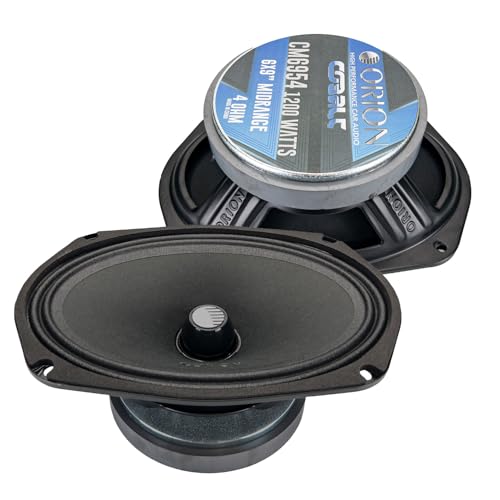


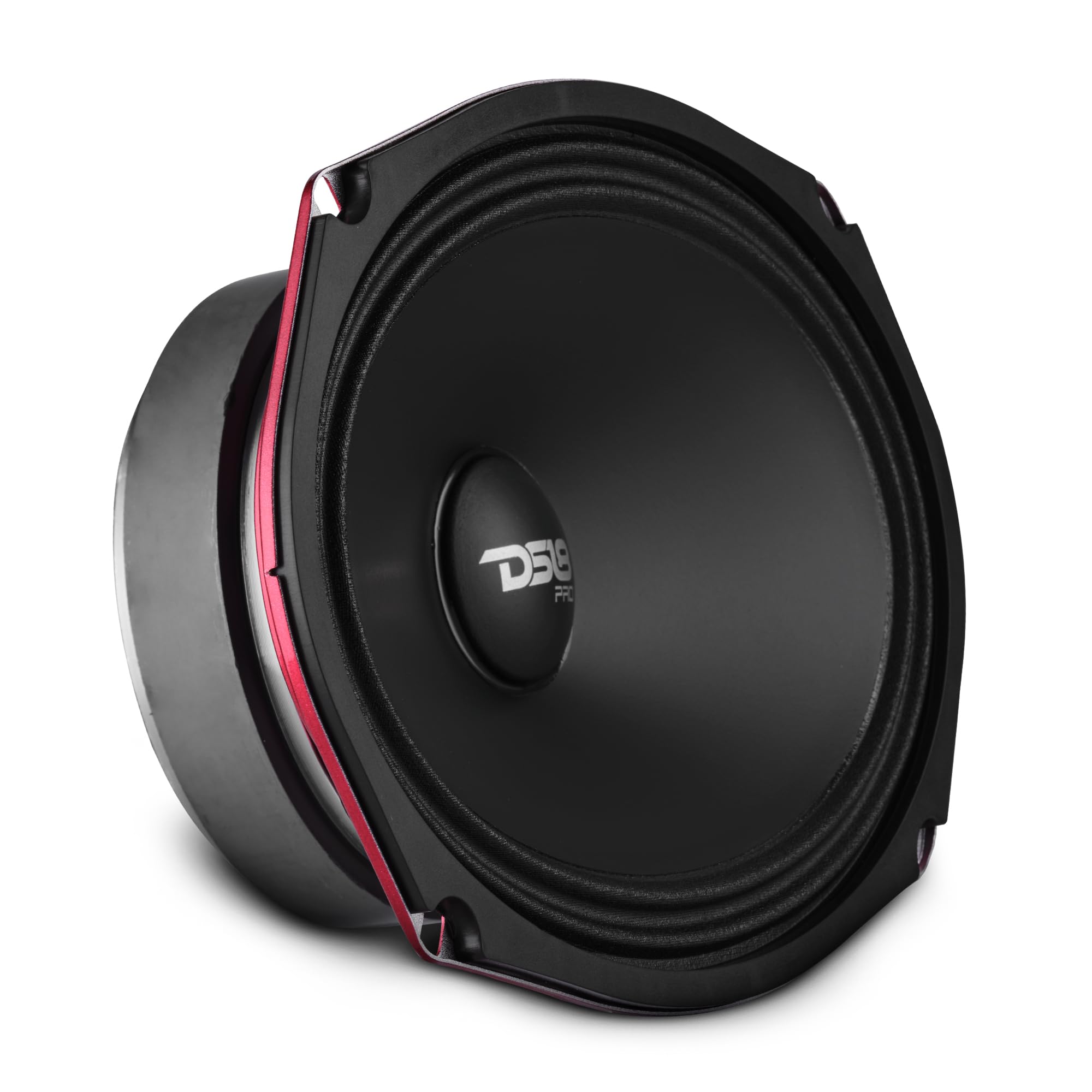


Three Budget Tiers, Three Spec Profiles
Instead of a product ranking, here is what a fair price buys at each level, described as a profile to match against any listing. If a pair charges premium money for a budget profile, move on.
Best Budget Profile
Around $40 to $80 per pair, a good budget profile still gives you the midrange essentials: sensitivity near 90 dB so a factory radio drives it well, a polypropylene or coated paper cone, and RMS handling around 30 to 50 watts. Vocals will sound clear at normal volume, though fine detail like breath and string texture stays muted. This tier suits a work truck or a first car where the goal is replacing blown factory speakers with something clearly better, not building a show system.
Best Midrange Profile
Around $80 to $160, the mid tier adds the upgrades your ears actually notice in the vocal range: stiffer cones that stay accurate at volume, better crossover parts that keep harshness out of the tweeter handoff, and RMS handling around 60 to 100 watts. Sensitivity usually stays high, so these pairs work on a stock radio today and an amplifier later. For most drivers this is the value peak, where cost per year of clean listening is lowest. Our guide to the best sounding 6x9 speakers explains how crossover quality shapes vocal clarity.
Best Premium Profile
Above about $160 and up to around $300, premium pairs spend on refined midrange drivers, silk or ring radiator tweeters, cast baskets, and detailed published measurements. You hear the difference as smoother voices at high volume and a wider, more stable soundstage. The catch is that premium speakers reveal a weak source, so a noisy factory radio caps the gain. Buy this tier when you already have, or soon plan, a clean amplifier and some door deadening to let the drivers perform.
What Your Money Gets You at Each Price Tier
Budget Tier: What to Expect
Budget pairs focus on the basics done right: a durable cone, a simple tweeter, and honest sensitivity. Expect a stamped steel basket, a basic capacitor crossover, and a one year warranty. Bass will be present but not deep, and the top end can sound thin on bright recordings. None of that matters if your factory speakers are torn or buzzing, because even this tier is a large step up in clarity for talk radio, podcasts, and everyday music at moderate volume.
Midrange Tier: The Sweet Spot for Most Buyers
The middle tier is where midrange quality jumps. Cones get stiffer and lighter, tweeters gain proper crossover networks instead of a single capacitor, and surrounds switch to rubber for longer life. You also start seeing pivoting tweeters and included grilles and hardware. This tier balances well against a future amplifier purchase, because power handling roughly doubles the budget tier while sensitivity stays friendly to stock power. Most buyers should start shopping here and only drop down if the budget is firm.
Premium Tier: When Spending More Pays Off
Premium money pays off in three places: lower distortion in the vocal range at high volume, better off axis response so both front seats hear the same balance, and build quality that survives a decade of door slams and heat cycles. It does not pay off if the rest of the system stays stock and noisy. Think of this tier as the final step of a system plan, not the first. Drivers who chase maximum clarity per dollar often pair this tier with the advice in our guide to the best sound quality 6x9 speakers.
Features Worth Paying For (and Ones to Skip)
Sound Quality and Tuning
Pay for a smooth, slightly warm midrange tune rather than a boosted, shouty one, because your cabin already adds brightness. Published frequency response with a stated tolerance is a good sign, and a response that reaches down near 45 Hz keeps male voices full. Skip paying extra for extreme top end claims beyond human hearing, which add nothing you can perceive in a car.
Durability and Moisture Resistance
Pay for rubber surrounds and moisture resistant cones at any tier, since doors are wet environments. Car speakers rarely carry formal IP ratings, so material choice is your real protection. Skip decorative chrome baskets and oversized magnet covers, which add weight and price without protecting anything. In open top or marine adjacent use, step up to purpose built models instead, as covered in our guide to the best 6x9 marine speakers.
Fit, Mounting Depth, and Weight
Fit is a feature, and shallow mount designs that clear window tracks are worth a small premium in tight doors. Check top mounting depth against your measured space and confirm the frame shape matches your cutout. Heavier cast baskets belong to the premium tier and help rigidity, but in a thin door a very heavy speaker can rattle the panel, so budget a few dollars for foam tape or deadener either way.
Road Noise and Vocal Clarity
Car speakers cannot cancel noise the way headphones do, so the fight against road noise is won with clarity and placement, not electronics. Strong midrange output at modest volume lets voices sit above tire and wind roar without shouting. Pivoting tweeters help by aiming high frequencies at your ears instead of the windshield. Skip any listing that promises noise cancelling from a passive speaker, because that claim describes a feature the product cannot have.
Head Unit EQ and App Control
A multiband EQ in your receiver, or in its companion phone app, is worth more for midrange quality than a small step up in speaker price. Cutting a narrow band around the harsh upper midrange fixes most vocal complaints. Firmware updates for modern receivers occasionally improve these tools, so keep the head unit current. Buy speakers that sound right with the EQ nearly flat, then use small cuts, not boosts, to finish the tune. Bass focused shoppers should also compare our guide to the best 6x9 speakers for bass, since strong bass models often trade away some vocal finesse.
Long Term Costs to Factor In
The speaker price is only part of the bill. Add harness adapters and adapter rings at around $10 to $25, a panel tool kit if you install yourself, or shop labor if you do not. Sound deadening for two doors runs about $30 to $60 in materials and repays you in cleaner midrange at speed. Consider warranty length as a cost factor too: a pair that lasts eight years at $160 beats a $70 pair replaced twice. Finally, if a premium pair pushes you toward an amplifier later, count that future purchase honestly when comparing tiers today. For a tonal reference across budgets, see our guide to the best sounding 6x9 car speakers.
Frequently Asked Questions
How much should I spend on 6x9 midrange speakers?
Most drivers land happily around $80 to $160 per pair, where vocal clarity, build quality, and power handling all step up together. Spend less if you only need a working replacement for a blown factory speaker. Spend more only when an amplifier and door treatment are part of the plan, because premium drivers need a clean signal and a quiet door to show their advantage.
Do midrange focused 6x9 speakers need a separate tweeter?
A coaxial 6x9 already carries a tweeter in its center, so nothing extra is required for a complete sound. The midrange strength comes from the woofer cone and crossover design, not from adding parts. Component sets separate the tweeter for better placement and can stage voices higher in the cabin, but they cost more and install harder, so treat them as an optional path rather than a necessity.
Can a factory head unit power 6x9 midrange speakers well?
Yes, if you choose sensitivity around 90 dB or higher and keep RMS demands modest. A stock radio delivers roughly 10 to 20 watts RMS per channel, which plays a sensitive 6x9 pair to satisfying volume with clean vocals. Where the factory setup falls short is deep bass and very loud listening, and no speaker choice fixes that without an amplifier adding real power.
What sensitivity should I look for in 6x9 midrange speakers?
Look for about 90 dB or higher for factory radio use, and treat anything below 87 dB as amplifier territory. Sensitivity predicts your listening volume far better than wattage stickers do. Also check that the figure is measured at one watt and one meter, the standard basis; a rating quoted at 2.83 volts flatters the number by about 3 dB on a 4 ohm speaker.
How long do 6x9 midrange speakers last?
A mid tier pair with rubber surrounds typically lasts seven to ten years, while budget foam surround models may tire after four to six years in a hot climate. Distortion is the real lifespan thief, because clipped signals overheat voice coils. If you listen loud every day, buying one tier up for the extra power handling is cheaper than replacing a cooked budget pair.
Our Verdict
Match the tier to your system plan: budget for a simple replacement, midrange tier for the best value in vocal clarity, premium only with an amplifier and treated doors behind it. Keep sensitivity and honest RMS figures at the center of the decision and the best 6x9 midrange speakers for your car will pick themselves. Check your finalists in the product table above, confirm the depth fits, and buy once.


