Best 6x6 Cameras in 2026: Every Type Explained Side by Side
Disclosure: We may earn a commission when you buy through links on this page, at no extra cost to you. As an Amazon Associate I earn from qualifying purchases. Learn more
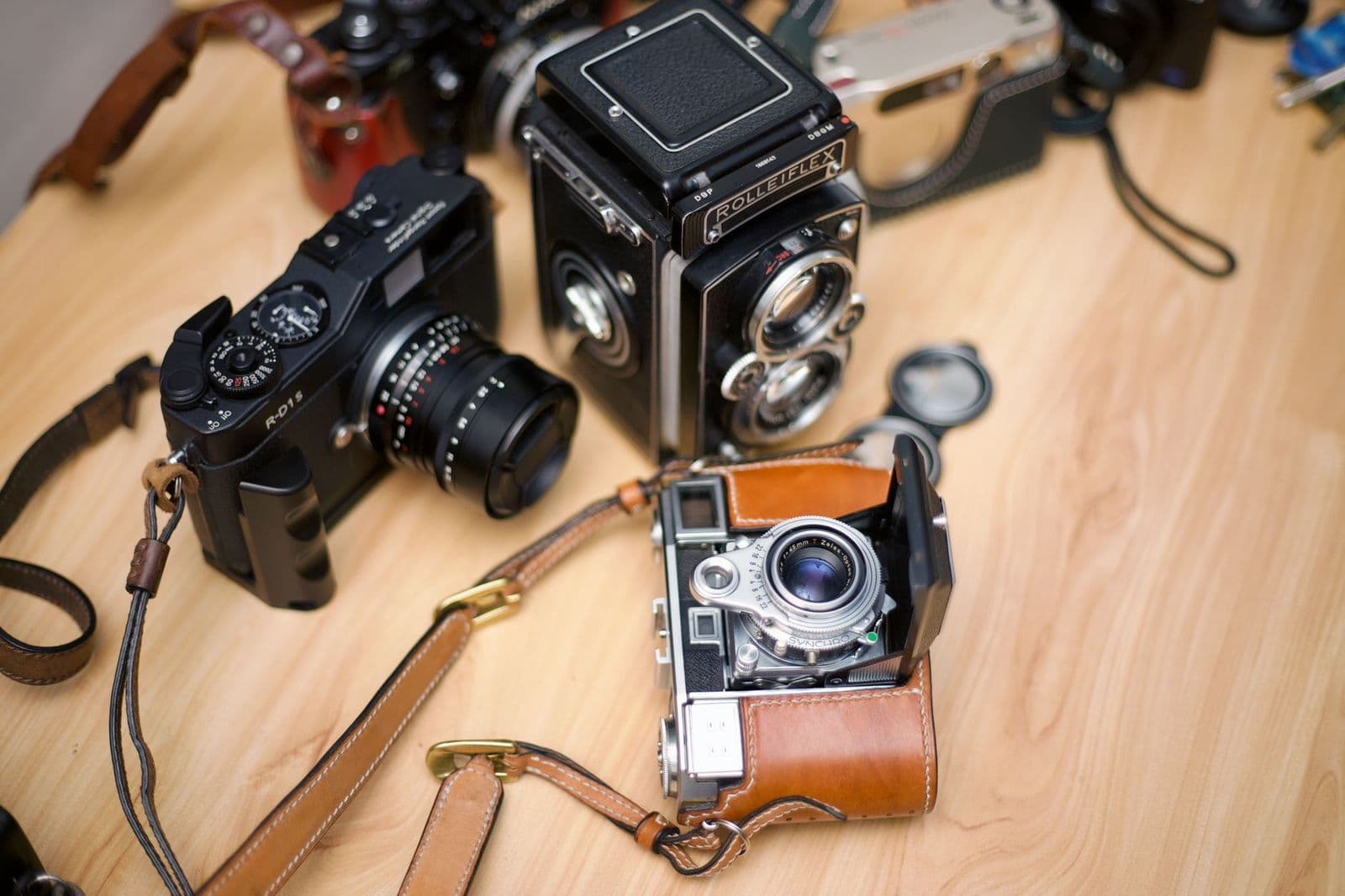
Types, lenses, focusing, and film handling explained to help you choose the best 6x6 cameras for portraits, travel, and slow film work.
Choosing a 6 by 6 camera can feel confusing, because the same square format comes in bodies that work in very different ways. The best 6x6 cameras share one thing, a large square negative on 120 roll film, but they differ in lenses, finders, weight and cost. This guide compares each type side by side, so you can choose the type that fits the way you shoot.
Start with how you like to work. A quiet twin lens camera suits slow portraits, a system body suits changing lenses in a studio, and a folding camera suits travel days. If you are still weighing film against other formats, see our guide to the best cameras for photography.
Types of 6x6 Cameras Compared
Every 6 by 6 camera records a frame of about 56 by 56 mm and gives you 12 frames on one roll of 120 film. What changes is how you view, focus and carry the camera. The three types below cover nearly every used listing, and you can also see our guide to the best 6x6 medium format cameras for a closer look.
Twin Lens Reflex Cameras With a Waist Level Finder
A twin lens reflex has two lenses stacked on the front panel. The upper lens shows the scene on a ground glass screen at waist level, while the lower lens takes the picture through a quiet leaf shutter. The taking lens is fixed, usually about 75 to 80 mm at f2.8 to f3.5. Serviced examples often cost about $300 to $900 and suit calm portraits where a silent shutter helps.
System SLR Cameras With Interchangeable Lenses and Backs
A medium format SLR works like a large 35 mm SLR, with a moving mirror, a choice of lenses and film backs you can swap mid roll with a dark slide. You can fit a waist level finder or a prism and swap lenses for studio and landscape work. The mirror makes the camera louder and heavier, and working kits often cost about $700 to $2,500.
Rangefinder and Folding Cameras for a Smaller Bag
Rangefinder and folding models skip the mirror and the ground glass, so they pack much smaller. A rangefinder body focuses with a bright patch you align inside the finder window, while a folding camera opens on bellows and focuses by rangefinder or by scale. Bellows need care, because a small light leak can fog a whole roll. Folding models often cost about $200 to $800.
Who Should Buy Which 6x6 Camera?
The right type depends on the work you repeat most. Match your subjects, your pace and your bag to one group below before you compare prices.
Portrait Photographers Who Work Slowly and Deliberately
You benefit from a waist level finder, because looking down at a screen feels less direct than aiming a camera at a face, and sitters often relax sooner. A twin lens reflex or a system body on a tripod suits this pace, and the square frame leaves crop room later.
Street and Travel Photographers Who Want a Square Frame
You need a camera that rides in a small bag and works without a tripod. A folding camera or a compact rangefinder body fits that role, and scale focus suits bright daylight, where you can set distance by eye. Pick a bright finder and a smooth film advance for crowds and changing light.
New Medium Format Users Learning Film on a Budget
You learn fastest on a simple fixed lens body, because one lens and 12 frames per roll force you to think before each exposure. A serviced twin lens reflex or a basic folder keeps the first costs in check. If this is your first film camera, see our guide to the best starter cameras to begin gently.
How to Choose the Right 6x6 Camera
In practice, the best 6x6 cameras for any one buyer are the ones whose lens, finder and film handling fit the work they repeat most. The six factors below decide that fit, far more than brand names or collector value.
The Square Negative and 120 Film Handling
The 6 by 6 frame uses most of the width of 120 film, so one roll holds 12 frames, each about four times the area of a 35 mm frame. Some bodies count frames through a red window, while others use start marks and a counting dial. Interchangeable backs let system users swap film types mid roll, while fixed back bodies ask you to finish the roll first.
Lens Choice, Aperture and Shutter Type
A standard lens for this format is about 75 to 80 mm. Wider lenses of about 50 to 65 mm suit interiors, while longer lenses of about 150 to 250 mm suit portraits. Most twin lens and folding cameras use a leaf shutter, which syncs flash at every speed but tops out at about 1/500 of a second. Focal plane shutters reach faster speeds, yet flash sync is often limited to about 1/30 to 1/60 of a second.
Focusing and the View You Compose With
On a ground glass screen you focus as the image snaps into clarity, often with a pop up magnifier, and the waist level view is reversed from left to right. A prism finder corrects that direction and gives an eye level view, at the cost of extra weight. Rangefinder focusing is faster in dim light, but close subjects can shift in the frame because the finder and lens see different views.
Metering When the Camera Has Little Automation
Many 6 by 6 bodies have no meter at all, and meters in older prisms may read poorly by now. Most owners meter with a separate light meter or a phone light meter app, then set aperture and shutter speed by hand. Meter for the shadow tones in a contrasty scene, because film holds bright highlights well but loses detail in deep shadow first.
Condition and Service History on a Used Body
Nearly every 6 by 6 camera for sale is used, so condition matters more than the badge. Foam light seals crumble, slow shutter speeds can drag or stick, and lenses can show haze or fungus that softens contrast. A documented recent service is worth real money, since a full overhaul often costs about $150 to $400.
Size, Weight and How a 6x6 Camera Carries
A twin lens or folding camera usually weighs about 2 to 3 pounds, so it carries well on a neck strap all day. A system body with two lenses and a spare back can pass 5 pounds and belongs in a padded shoulder bag. Weigh the full kit you would carry, not the bare body in a listing.
Common Mistakes to Avoid
- Loading 120 film in bright sun or past the start mark can overlap frames and waste early shots.
- Buying the cheapest unserviced body often costs more later, because one repair bill can erase the saving.
- Ignoring the gap between the two lenses during a close twin lens portrait can cut off the top of a head.
- Leaving a half finished roll in a warm room for months can shift colors and fog the film.
- Choosing a heavy system kit for travel often means the camera stays at the hotel.
Storing and Servicing a Square Format Film Body
Clean the taking lens with a lens cloth, never with your shirt, and keep grit away from the ground glass screen. Run the shutter at each speed a few times each month, because leaf shutter blades grow sluggish when a camera sits unused. Carry a spare battery if your meter uses one, and remove a weak cell before it leaks.
Store the camera in a dry padded bag away from damp and heat, and keep film in a cool place. Wipe the body after dusty days, check the light seals once a year for crumbling foam, and visit a technician when slow speeds sound uneven.
Frequently Asked Questions
What does 6x6 mean on a medium format camera?
6x6 names the film frame size in centimeters, and the actual frame measures about 56 by 56 mm. The square shape is the point, since you compose without turning the camera for vertical shots. One roll of 120 film gives 12 square frames, while the same roll gives 16 frames at 6 by 4.5 or only 8 at 6 by 9 on other types.
Is a smartphone enough instead of a 6x6 camera for square photos?
A smartphone is enough for quick square photos. A 6 by 6 negative holds far more detail for large prints, and each frame costs money, so most people compose with more care. Turning film into files takes a lab or a scanner. Readers who want instant files can see our guide to the best digital cameras instead.
What should a beginner check first on a used 6x6 camera?
Check the shutter and the film advance first, then run one cheap trial roll before any important shoot. Fire the slow speeds and listen for an even, full second at the slowest setting, because dragging speeds expose faults that fast speeds can hide. Advance a spent roll and confirm that frame spacing stays even.
Which 6x6 camera type is better for low light photography?
A twin lens reflex or rangefinder with an f2.8 lens is usually better for low light work. Neither type has a moving mirror, so slower speeds stay usable by hand, and a bright screen or patch still works as light falls. Pair it with a fast black and white film rated at ISO 400 and ask the lab to push the processing one stop on dark scenes.
How much should I spend on a first 6x6 camera?
Budget for the whole first year, not only the body. A serviced fixed lens body often costs about $250 to $600, and film, processing and scanning often add about $20 to $35 per roll. Money set aside for ten rolls teaches you more than the same sum spent on a rarer body.
Our Verdict
Choose the type first, then the lens and finder for your subjects, then the cleanest serviced example you can find. When you judge best 6x6 cameras by type, condition and total cost rather than by badge or rarity, the right square format camera is usually easy to spot.