
Best 6x5 Speakers: A Clear Buying Guide for 2026
Disclosure: We may earn a commission when you buy through links on this page, at no extra cost to you. As an Amazon Associate I earn from qualifying purchases. Learn more
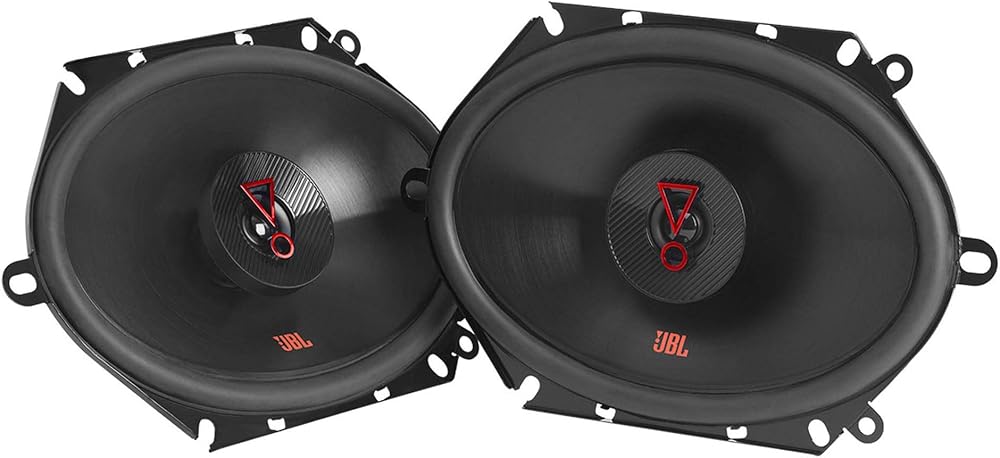
Size match, sensitivity, cone materials, and fit explained to help you choose the best 6x5 speakers for your car doors and rear deck.
A 6x5 inch speaker is an oval car speaker that sits in the doors and dash of many Ford, GM, and Japanese vehicles, and it is closely related to the 5x7 inch size that most brands list. If your factory speakers sound flat, crackle, or have failed, the right pair restores clear vocals and fuller bass without a major project. This guide to the best 6x5 speakers explains how to confirm the size, match power, and choose materials that last.
The product table right after this introduction lists current options side by side. Use it with the sections below, because fit, sensitivity, and install depth matter more than a peak power number.


Who Should Buy the Best 6x5 Speakers
These speakers suit drivers who want a straightforward upgrade over worn factory units, and they suit owners of vehicles with oval 5x7 or 6x5 door and rear deck openings. They also suit anyone adding a small amplifier later, since a good pair scales up with clean power. If your car uses round speakers or a 6x9 oval, you need a different size.
Is It 6x5 or 5x7?
Car speaker sizes are nominal, and the same oval opening is often described two ways. Many sellers list one pair as "5x7 / 6x5", and some vehicles are documented with one number while shops quote the other. Measure the factory opening, check the mounting hole spacing, and compare it with the dimensions on the listing, because that matters more than the name. Also check the depth behind the speaker, since a deep magnet can hit a window mechanism or door brace.
Key Features to Compare
Sensitivity and Power Handling
Sensitivity tells you how loud a speaker plays per watt, and RMS power tells you how much continuous power it can take. A factory radio typically delivers only about 15 to 20 watts per channel, so a speaker with sensitivity around 90 dB or higher sounds fuller on factory power. If you plan to add an amplifier, match the RMS rating to the amplifier output instead of chasing peak numbers.
Cone and Surround Materials
Treated polypropylene and similar cones resist the heat and moisture inside a door better than plain paper. Rubber surrounds outlast foam, which can crumble after several years in a hot climate. These small details decide whether a pair still sounds good in five years.
Tweeters and Crossovers
Coaxial designs build the tweeter into the center of the cone, which makes installation simple. Silk or textile dome tweeters sound smoother than cheap piezo units, and a basic crossover keeps bass out of the tweeter. Swivel tweeters help when the speaker sits low in the door and needs aiming toward the listener.
Mounting Depth and Hardware
Check the listed mounting depth against your opening, and look for included grilles, gaskets, and wiring adapters. A spacer ring can solve small depth problems, but it cannot fix a wrong hole pattern.
Budget Tiers and What They Deliver
Pairs around $30 to $60 replace worn factory speakers with crisper highs and less distortion, and they suit daily drivers. Pairs around $60 to $120 add sturdier cones, better tweeters, and more composed bass, which is where most buyers get the best balance. Pairs above that add refined materials and better power handling, and they only pay off when the head unit or an amplifier can use them. Spend leftover budget on sound deadening pads behind the speaker, which often improves midbass more than a pricier pair.
Installation Basics
Most oval speaker swaps are a one hour job. Remove the door panel or grille, unplug the factory speaker, fit adapters so you do not cut the factory wiring, and connect the new pair with correct polarity. Photograph the wiring before you start, and disconnect the negative battery terminal before touching any wiring. Seal the speaker to the panel with foam tape or a gasket, then try a familiar track at low volume to confirm both sides are in phase before you refit the panel.
Reading the Specifications
Spec sheets pack in numbers, so focus on the few that predict sound. Sensitivity and RMS power tell you how the pair behaves on your power source, impedance should match your head unit or amplifier (usually 4 ohms), and the listed mounting depth tells you whether the magnet will clear the window track. Frequency response ranges are a rough guide only, because a speaker may reach a low note without playing it loudly, so treat the bass end with some skepticism.
Handle grille and hardware details as part of fit. Check whether the box includes a mounting bracket, screws, and a grille, and whether the tweeter sticks out far enough to touch the factory grille. A speaker that rubs the grille buzzes at bass notes, and that buzz is often blamed on the speaker itself.
Tuning After Installation
Give new speakers a few hours of ordinary listening before you judge them, because the suspension loosens slightly with use. Start with the equalizer flat, then trim any harsh band by a few decibels before you boost anything. If bass sounds thin, check polarity first: one reversed speaker cancels low notes. If treble sounds sharp, aim the tweeter slightly away from the listener or lower the treble control by one step.
Set the balance and fade controls so voices sit in the center of the dash. Front oval speakers carry most of what you hear, so the rear pair should support the sound rather than compete with it. Keep the volume below the point where the sound hardens, because distortion from an overdriven radio is what damages speakers fastest.
Common Mistakes to Avoid
- Buying on the name 6x5 or 5x7 without measuring the opening and the depth.
- Choosing on peak watts instead of RMS power and sensitivity.
- Skipping sound deadening and gaskets, so panel rattle hides the upgrade.
- Reversing the polarity on one side, which cancels bass.
- Ignoring the return policy and warranty terms before you pay.
Related Guides
For nearby sizes and types, see best 6x8 speakers and best 6x9 car speakers, or browse best sounding speakers for tone advice.
Frequently Asked Questions
Are 6x5 and 5x7 speakers the same?
They are closely related nominal sizes for the same oval opening in many vehicles. Always measure your opening and mounting holes and compare them with the dimensions in the listing.
Do I need an amplifier for 6x5 speakers?
No. A pair with high sensitivity plays well on factory power. An amplifier adds volume and cleaner bass if you want more.
How do I know the speakers will fit my door?
Measure the opening, the hole spacing, and the clearance behind the speaker. Compare them with the dimensions in the listing, and use a spacer ring if the depth is slightly short.
Can I install them myself?
Most owners can, with a panel removal tool, a screwdriver, and wiring adapters. Choose a professional if the doors hold airbags or the panels are fragile.
How long do car speakers last?
Quality pairs with rubber surrounds commonly last 8 to 12 years. Buzzing on bass notes, distortion at modest volume, or one side sounding dull signals that replacement time has arrived.
Final Thoughts
Confirm the fit and depth first, then match sensitivity and RMS power to your source, and choose durable cone and surround materials. Compare current options in the product table with those checks in mind.
Picked that way, the best 6x5 speakers turn a tired factory sound into clear, lively music for every drive.


