Best 6k Cameras for 2026: Budget, Midrange, and Premium Tiers
Disclosure: We may earn a commission when you buy through links on this page, at no extra cost to you. As an Amazon Associate I earn from qualifying purchases. Learn more

Compare the best 6k cameras at every price point. Learn what you get at budget, midrange, and premium levels and where spending more pays off.
Prices for cameras that record 6K video stretch from under $1,000 to well past $5,000, and the gap is not only about resolution. The best 6k cameras give you extra detail you can crop, reframe, or downsample into clean 4K video, but they differ a lot in autofocus, heat control, and recording media. This guide shows where the money actually helps, so you can use the comparison table below with a clear plan.
Start with the work you deliver. A creator who posts short clips needs different tools than a filmmaker who records long interviews in warm rooms. The sections below match each tier to sensor size, lens choice, and handling details that decide whether 6K feels easy or frustrating.

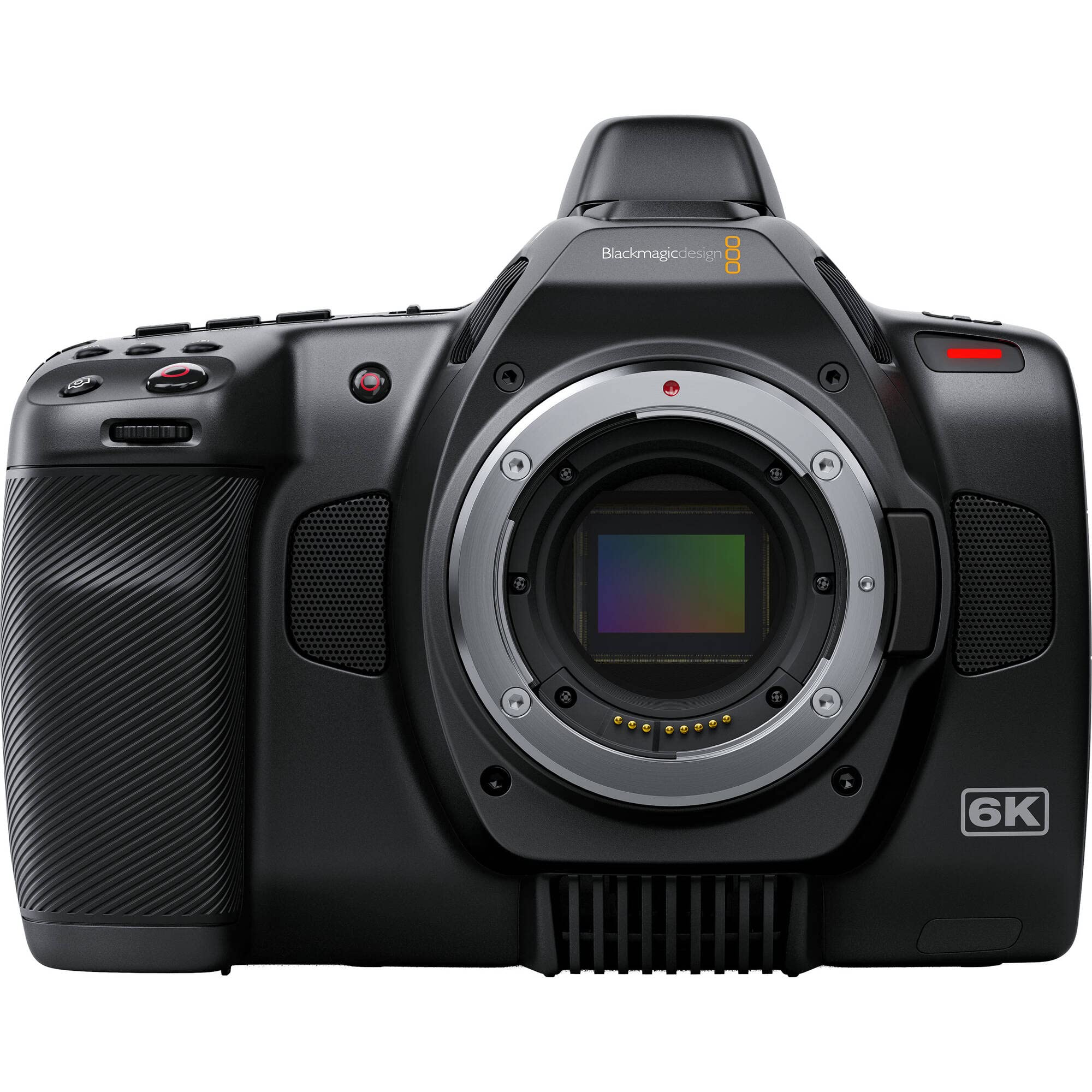

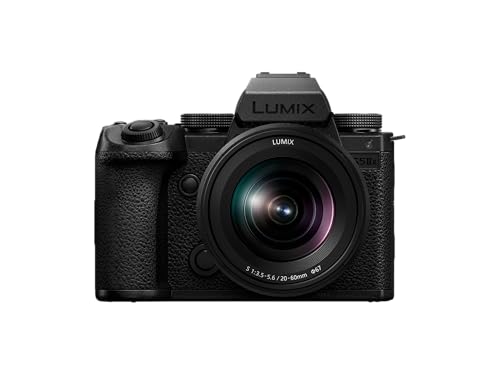
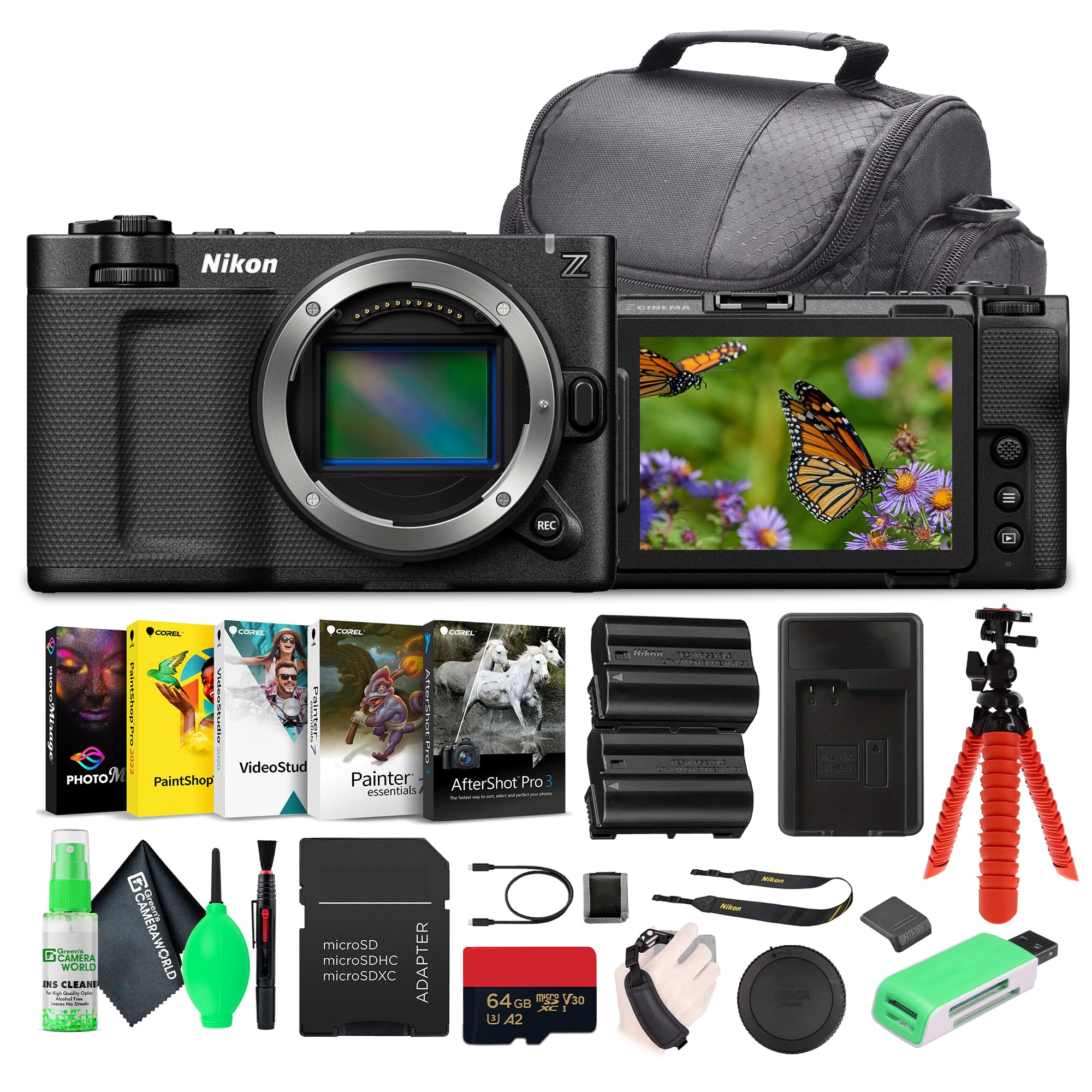

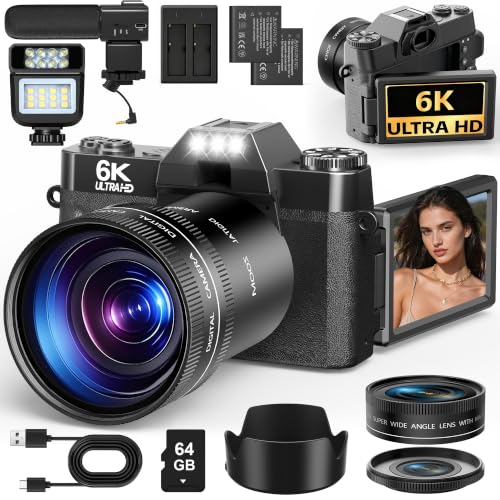
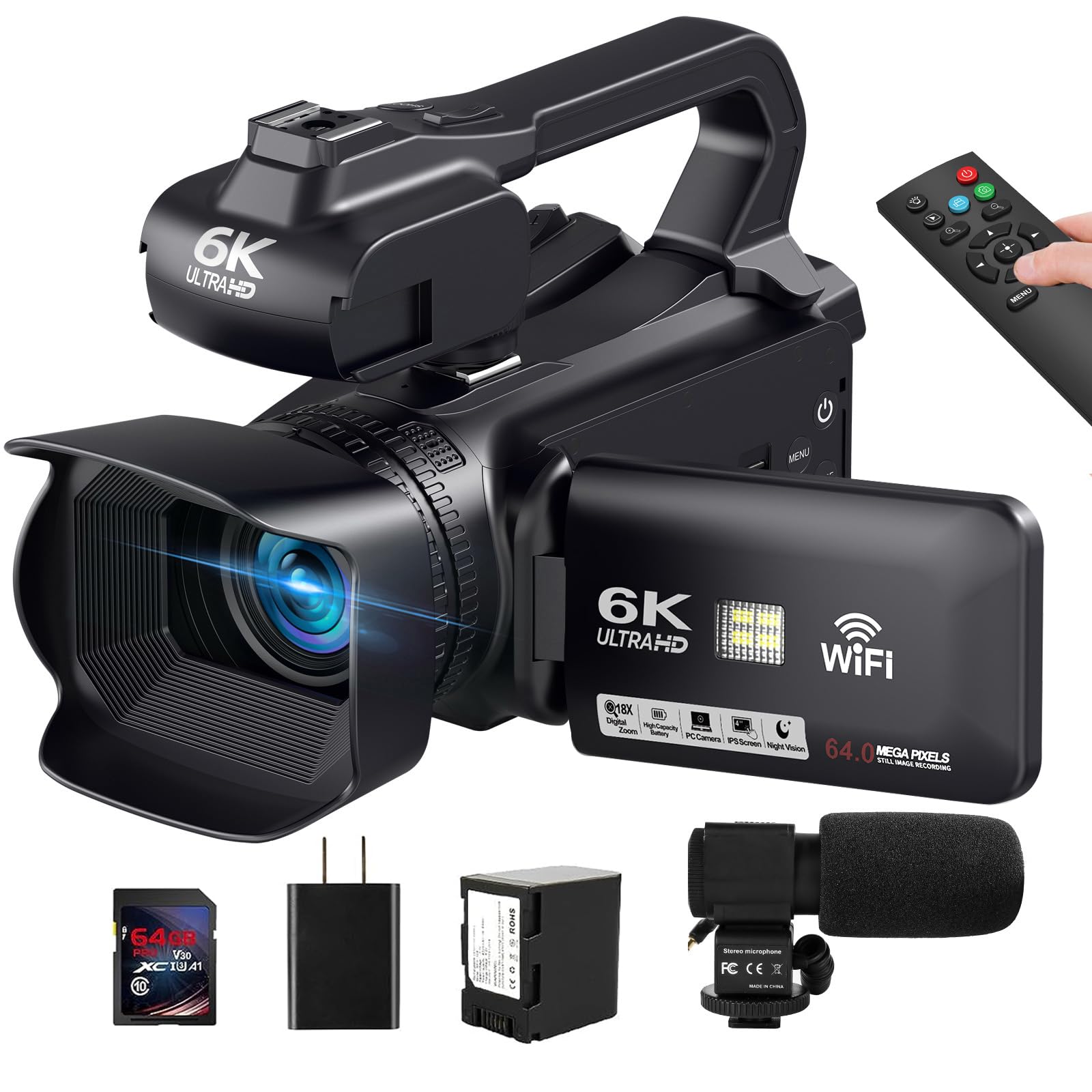
Who Should Buy a 6K Camera?
Buy for the footage you finish, not for the largest number on the box. Your delivery format, shooting length, and lens needs point to the right tier more reliably than resolution alone.
Creators Who Crop and Reframe in Post
You shoot once and publish in more than one shape, often a wide version and a vertical version from the same take. The extra pixels in 6K let you punch in, level a tilted shot, or pull a tighter framing without your 4K video turning soft. Choose reliable autofocus and image stabilization, because handheld clips get reframed most often.
Hybrid Shooters Who Want Stills and Video
You take photos on the same day you record video, so still quality matters as much as the movie mode. Look for a sensor that serves both jobs, a viewfinder you enjoy, and controls that switch modes without deep menus. If stills lead your work, see our guide to the best cameras for photography for a photo first comparison.
Professionals Who Record Long Sessions
You film weddings, talks, or interviews where a missed moment cannot be staged again. Your priorities shift toward dual card slots, full size audio and monitoring ports, and a body that manages heat across a long take. At this level, backup recording often matters more than a small gain in sharpness.
Key Features to Compare
When you compare best 6k cameras side by side, work through the five factors below in order. Together they decide image quality, recording time, and how the camera handles on a real shoot day.
What the 6K Mode Actually Records
Not every 6K label means the same thing. Some cameras read the full width of the sensor, while others use a cropped area that narrows your field of view and changes which lens you need. Some offer 6K only at lower frame rates, so check the rate you plan to use, such as 24, 30, or 60 frames per second.
Sensor Size and Low Light Behavior
Sensor size shapes depth of field, low light cleanliness, and lens cost. Full frame sensors gather more light and blur backgrounds more easily, but their lenses are larger and pricier. APS C sensors sit in smaller bodies with more affordable lenses, while Micro Four Thirds sensors make long zoom lenses light to carry. Megapixels alone do not predict video quality.
Autofocus and Image Stabilization for Video
Video autofocus has to track a moving face without pulsing or drifting to the background. Eye detection helps for interviews and solo presenting, while subject detection helps with animals or vehicles. In body image stabilization steadies handheld work and smooths small steps, though it cannot replace a tripod for locked shots.
Codecs, Color Depth, and Recording Media
6K files are large, so codec choice affects editing speed and card budgets. Recordings with 10 bit color hold up better when you adjust exposure or apply a strong grade, while lighter formats fill cards more slowly and edit on modest computers. Check the card type each format needs, since fast CFexpress cards can cost as much as a basic lens.
Heat Limits, Ports, and Everyday Handling
High resolution recording creates heat, and some compact bodies stop mid take in warm weather to protect themselves. Look for published recording limits at your settings, plus a fan or venting on pro focused models. Full size HDMI, a headphone jack, and a microphone input make monitoring far easier on paid work.
6K Camera Bodies by Budget: What Each Tier Gives and Takes Away
Budget here usually means about $800 to $1,500 for the body, midrange means about $1,500 to $3,000, and premium models start around $3,000. Each step buys specific gains, and each tier also asks something of you in return.
Budget Tier: Real 6K With Sensible Trade Offs
Budget models give you genuine 6K recording, but often with a crop, shorter recording limits, or fewer frame rate options. Autofocus is usually good for one subject in decent light, and ports stay basic. This tier suits learners and solo creators who shoot short clips. If you are starting out, see our guide to the best starter cameras to weigh a simpler first step.
Midrange Tier: Broader Modes and Stronger Tools
Midrange bodies add features working creators feel every day, such as full sensor 6K, better heat handling, and more capable autofocus. You also tend to get dual card slots, 10 bit internal recording, and a headphone jack. Lenses stay reasonably priced, which keeps the whole kit within reach. For many buyers this is where extra spending starts saving retakes.
Premium Tier: Full Sensor 6K and Pro Support
Premium cameras pair 6K with large sensors, fast readout, internal raw options on some models, and bodies built for daily professional use. The trade off is size and total kit cost, since pro lenses and media add up quickly. If top build leads your list, see our guide to the best quality cameras.
Long Term Costs Beyond the Body Price
The body is only the first payment. Fast cards, spare batteries, a card reader, and one good lens can add about 30 to 60 percent to your first year spending. Storage drives fill quickly with 6K footage, so plan archive space before a big project. Count the full kit cost before you stretch into a higher tier.
Common Mistakes to Avoid
- Buying 6K for bragging rights when you deliver in 1080p leaves you with huge files and no visible gain.
- Ignoring the crop factor of a 6K mode makes your widest lens behave like a much narrower one.
- Choosing cheap slow cards causes recording stops because the card cannot keep up with the data rate.
- Skipping a headphone check during filming lets a buzzing or silent audio track ruin an unrepeatable take.
- Spending the whole budget on the body leaves nothing for a lens, so the camera never shows what it can do.
- Assuming every 6K camera records all day leads to heat shutdowns during long summer events.
Care and Maintenance for 6K Cameras
Keep the sensor and lens contacts clean, because dust spots show clearly at high resolution and multiply your editing work. Use a blower first, and cap the body when no lens is fitted. Store the kit in a dry bag or cabinet away from bathroom steam and kitchen grease.
Rotate batteries, avoid leaving them fully drained for months, and format cards in the camera after you have backed up your footage. Install firmware updates from the maker when they address heat or card issues, and check a short clip after each update. If you are also comparing simpler models for family use, see our guide to the best digital cameras for context.
6K Cameras: Your Questions Answered
How much should you spend on a first 6K camera?
Most first time buyers do well with a body around $1,000 to $1,800, plus a versatile zoom lens. Keep roughly a third of your total budget for the lens, cards, and a spare battery, because a balanced kit beats a costly body with a weak lens. Renting for a weekend project also teaches you more about handling than weeks of spec reading.
What specs matter most for beginners buying a 6K camera?
Beginners should rank autofocus reliability, a helpful guided menu, and comfortable handling above raw resolution numbers. A camera that explains its movie settings in plain language helps you learn faster and miss fewer moments. Touch focus on the rear screen is another quiet advantage, because tapping a subject is simpler than learning focus buttons on day one.
Is a smartphone enough instead of a 6K camera?
A smartphone is enough for casual clips, quick sharing, and travel days when you want no extra bag. A dedicated camera pulls ahead when you need shallow depth of field, proper audio inputs, or long recording without calls interrupting the take. Choose the camera when the footage marks an occasion you cannot repeat.
Which 6K camera setup is better for low light video?
A full frame 6K camera with a fast prime lens is better for low light video than a smaller sensor body with a slow zoom. Before you pay for a larger sensor, price a small LED light panel, because adding light at the scene often improves faces more than any sensor upgrade. Fast lenses also focus more confidently in dim rooms.
Is 6K video worth choosing over 4K video on a camera?
Yes, 6K video is worth choosing when you crop, stabilize, or deliver both wide and vertical versions from one recording. The vertical use is one many buyers overlook, since a 6K frame holds enough width to carve out a tall clip for phones without it looking soft. If you always deliver one wide version, a strong 4K camera may serve you just as well for less money.
Our Verdict
Choose your tier by delivery work first, then confirm the 6K mode, autofocus, and media costs before you fall for a headline price. Budget bodies reward short form creators, midrange bodies serve most working shooters, and premium bodies earn their cost on long days. Use the product table above to compare the finalists against the factors in this guide.
When the numbers line up with your real shoots, the best 6k cameras stop being a spec race and become a practical tool. Buy the kit you can carry and store footage from, and the extra resolution will show in every finished video.