
Best 65 Inch Grill Covers (2026): Sizes, Types and Prices
Disclosure: We may earn a commission when you buy through links on this page, at no extra cost to you. As an Amazon Associate I earn from qualifying purchases. Learn more

Choosing the best 65 inch grill cover? A 65 inch cover protects large gas grills from rain, sun and dust.
Picture a Saturday morning after a week of rain. You walk out to the patio, lift the corner of your grill cover, and find dry grates and clean burner knobs instead of rust spots and soggy debris. That small moment is the whole point of choosing the best 65 inch grill cover for your home. The right cover fits your grill without sagging, sheds water instead of pooling it, and comes off in seconds when you are ready to cook.
This guide is built around how real homes actually use a grill: patio space, how many people you cook for, and what you can comfortably spend. Use the comparison table below to see how the main cover types stack up, then work through the checklist so your first purchase is the right one.


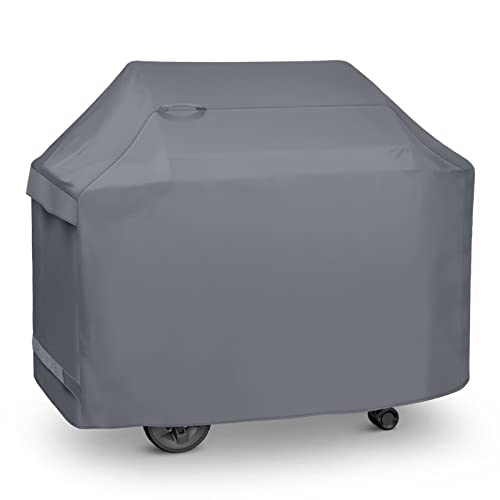
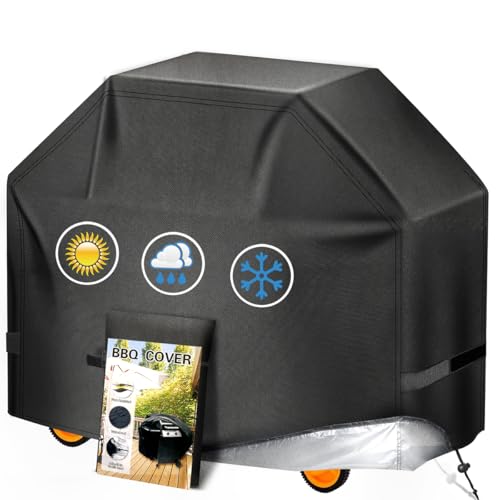


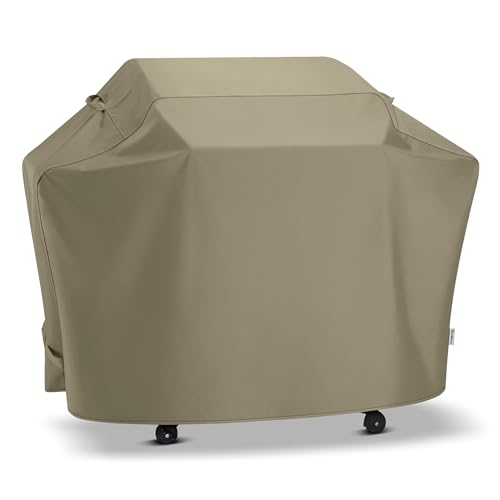

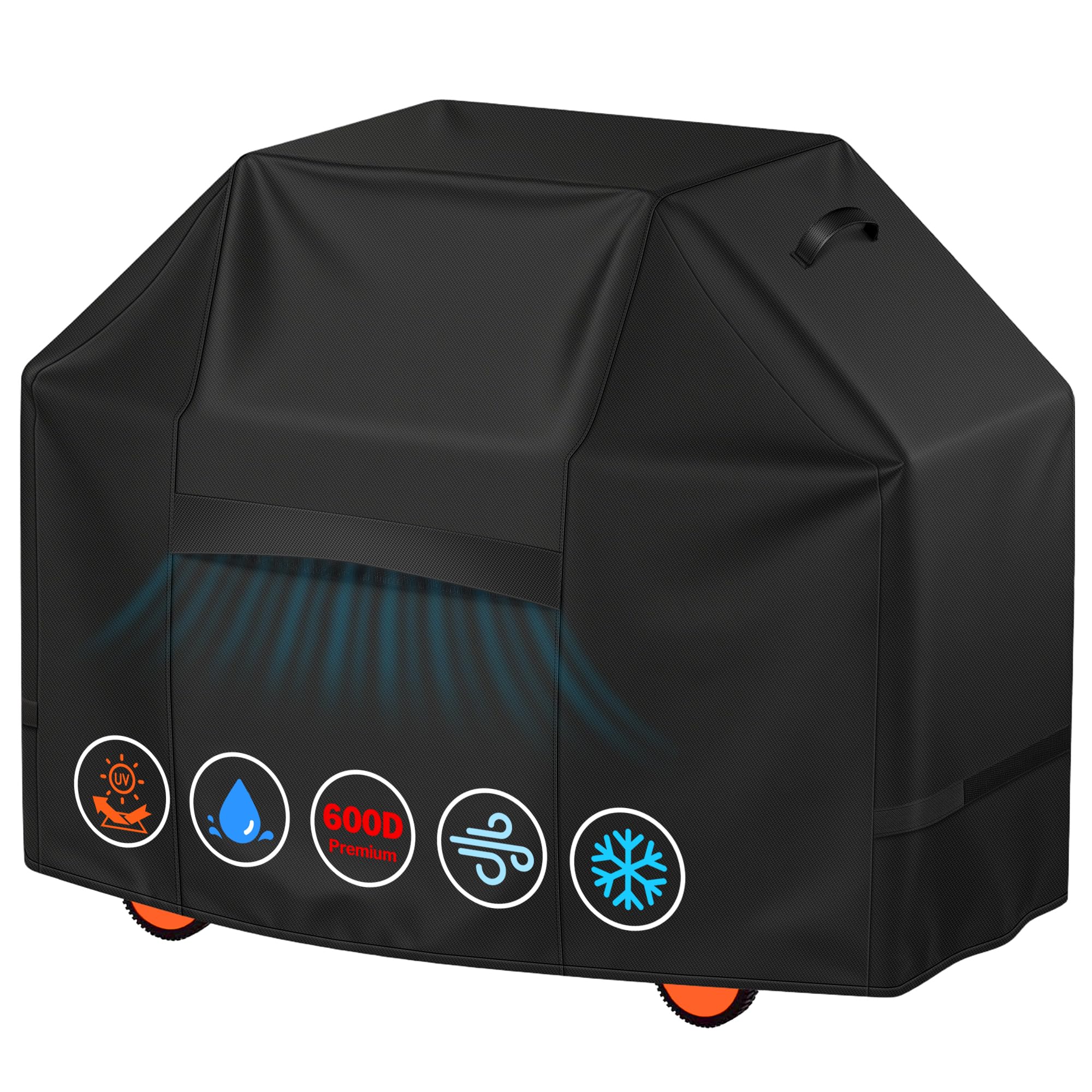
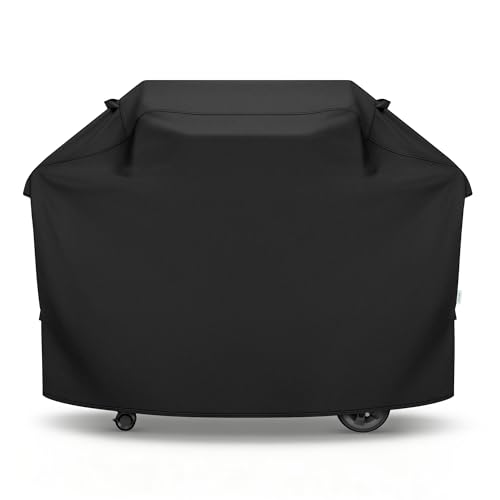
Quick Answer: What a Good 65 Inch Cover Looks Like
A good 65 inch cover is made from thick polyester fabric with a water resistant coating, has straps that keep it in place on windy days, and measures a little larger than your grill on every side. If your grill lives outdoors all year, weight and seam quality matter most. If you move the grill in and out of a garage, a lighter cover with sturdy handles matters more.
Before You Buy: A Quick Checklist for Choosing a Grill Cover
Size: Match It to Your Space
The 65 inch figure refers to the width of the cover from left to right, and it suits large gas grills with four to six burners, wide side shelves, and a full cart base. Before you order, measure your grill at its widest point with the shelves up, then measure its depth from front to back and its height from the ground to the top of the closed lid. Your cover should be about 2 inches wider and deeper than the grill itself, so the fabric slides on without tugging and leaves room for the lid handle and knobs. Covers also come in 58 inch, 60 inch, 64 inch, and 70 inch widths, so if your measurements land between sizes, choose the larger one and take up the slack with the straps.
Which Type Fits Your Routine
Cover types differ mainly in how much protection they trade for convenience. A heavy duty cover uses thick fabric and reinforced seams, which suits a grill that never leaves the patio. A waterproof cover adds a sealed coating that sheds heavy rain. A universal cover fits many grill shapes, while a custom fit cover follows the exact shape of one grill model and looks neater on a small patio. If you are still deciding between protection levels, our guide to the best grill cover walks through the broader options for every grill size.
Materials and Fabric Weight
Most covers in this size are polyester, and the fabric weight is usually shown as a denier number such as 300D or 600D. A higher denier means thicker yarn and better resistance to tearing and fading. A 600D cover feels stiff at first but holds its shape for years, while a lighter 300D cover folds flat and stores easily. Look for a coating on the underside, since that layer does most of the work of keeping water out. Owners of a specific large model often prefer a closer fit, and our best grill cover for weber genesis guide shows how model specific sizing works in practice.
Cleaning: Hose It Down or Wipe It Clean
Grill covers are never dishwasher safe, and they should not go in a washing machine either, since agitation can crack the water resistant coating. Most covers clean up with a garden hose and a soft brush, and stubborn spots respond to mild soap and warm water. Let the cover dry fully in the shade before you put it back on the grill, because trapped moisture under the fabric can encourage mildew on the grill surface. Our step by step guide on how to clean a grill cover covers stain removal and storage cleaning in more detail.
Realistic Budget Ranges
Covers under about $20 are thin and light, and they make sense for a grill stored under a roof or used only in summer. The middle range, about $20 to $50, is where most families should shop, since it buys thicker fabric, real straps, and a coating that lasts more than one season. Covers from about $50 to $100 add the heaviest fabrics, vents that release trapped heat and moisture, and stronger stitching. Above that level you are mostly paying for an exact custom fit rather than extra protection.
Grill Cover Types Compared: Which Style Suits Your Home
Instead of ranking individual products, compare the three styles that dominate this size, since each suits a different routine.
Heavy Duty Covers for Grills That Live Outdoors
A heavy duty cover is the default choice for a grill that stays on an open deck through every season. The thick fabric resists tearing when you pull it over shelf corners, and wide straps keep it seated during storms. It is heavier to lift, so it suits adults who grill in place rather than anyone wheeling the grill around often. If this sounds like your setup, the styles in our best heavy duty grill cover guide show what separates a sturdy cover from a merely thick one.
Waterproof Covers for Wet Climates and Open Patios
A waterproof cover focuses on the coating and the seams. Sealed seams stop rain from seeping through the stitching lines, which is where cheaper covers fail first. Side vents matter here too, since a fully sealed cover can trap humid air against the grill after a storm. Homes with frequent rain and no covered patio benefit most from this style, and our best waterproof grill cover guide explains how coatings differ. It costs a little more, but it protects the ignition parts and burner tubes that rust fastest.
Lightweight Covers for Garages and Covered Patios
A lightweight cover is thinner, cheaper, and far easier to fold, which suits a grill that spends most of its life under a carport or inside a garage and only needs dust and splash protection. Side handles make it quick to pull off with one hand while you carry a tray of food with the other. The trade off is durability, since thin fabric fades and tears sooner in direct sun. For a sheltered grill in a mild climate, that trade off is often worth it.
What to Compare in a Grill Cover
Five factors matter most: ease of use, meaning how quickly a cover goes on and off; durability of the fabric and seams; how simple it is to clean; design details such as vents, straps, and handles; and value for the price range. Manufacturer specifications and patterns in buyer feedback, such as where covers tear and how coatings age, tell you most of what you need.
Is a 65 Inch Grill Cover the Right Size for You?
The best 65 inch grill cover fits large family grills, typically four to six burners with both side shelves in use, the kind of grill that cooks for six to ten people at a cookout. It suits homes with a patio wide enough that the cover lifts straight up without catching on railings or planters. If your grill measures under 60 inches across, a smaller cover will sit tighter and flap less, and loose extra fabric is not harmless, since it catches wind and pools rainwater. If your grill is wider than 65 inches with the shelves up, move up to a 70 inch cover instead. Measure with the shelves in the position you actually store the grill, because shelf position causes most sizing returns.
Common Buying Mistakes to Avoid
- Measuring only the width. A cover that matches the width but is too short in depth leaves the front knobs and lower cart exposed to rain.
- Buying the exact measurement with no margin. A cover the same size as the grill is hard to pull on and stresses the seams every time you remove it.
- Ignoring the straps. An unstrapped cover can lift off in a strong gust and end up across the yard, leaving the grill bare in the storm that follows.
- Skipping vents on a waterproof cover. Without vents, humid air stays trapped against the metal and can speed up the rust the cover was bought to prevent.
- Paying for features you will never use. A custom fit premium cover adds little for a grill stored in a garage.
Cost of Ownership and Care
A grill cover has no running costs, so ownership cost is really about replacement timing and a few minutes of care each season. A mid range cover that is cleaned and dried before storage commonly lasts several seasons, while a cover left dirty and damp ages much faster. Store the cover indoors when the grill is put away, folded loosely rather than compressed, so the coating does not crack along sharp folds. Check the straps and stitching each spring, and patch small tears early with fabric repair tape before they spread.
Your Questions, Answered
How do you clean a 65 inch grill cover without damaging the coating?
Shake off loose dirt, lay the cover over a railing or the grill itself, and rinse it with a garden hose. Scrub dirty patches with a soft brush and a small amount of mild soap, then rinse again and let it air dry fully in the shade. Skip bleach and skip the washing machine, since both attack the coating. Cleaning it at the end of each season also gives you a chance to spot small tears while they are still easy to patch.
Is a grill cover worth it for a grill kept under a covered patio?
Yes, in most cases. A roof stops direct rain but not wind blown dust, pollen, or splashes, and birds and insects still reach a sheltered grill. A light cover keeps the cooking surface clean between uses, so you scrub less before each cookout. The one caution is humidity: in a damp climate, lift the cover every week or two and let the grill air out, since a grill that never dries can develop surface rust under the fabric.
How long does a 65 inch grill cover usually last?
A heavy cover in the middle price range typically lasts about three to five years outdoors, while thin budget covers often show cracks and tears after one or two seasons of sun. Fading is usually the first sign of aging and is mostly cosmetic, but stiffness and cracking mean the coating is failing and water will soon get through. Covers stored indoors when the grill is not in use last noticeably longer than covers left out in every season.
What size grill cover do I need if my grill measures 63 inches wide?
A 65 inch cover is the right choice for a 63 inch grill. The extra couple of inches let the cover slide over shelf ends and the lid handle without stretching the seams, and the straps take up the small amount of slack so the fabric does not flap. Going down to a 60 inch cover would force the fabric over the shelves and shorten its life, while jumping far above your measurement adds loose material that pools rainwater.
Should a grill cover touch the ground?
No. A cover should end a few inches above the ground. A hem that reaches the patio can wick up rainwater and hold it against the lower cart, and it gives insects and small animals an easy path up inside. Most covers in this size are cut to hang just above the wheels or the base of the cart. If your cover drags, check whether you bought a size too tall for your grill rather than simply a size too wide.
Final Thoughts
Choosing well comes down to three checks: measure your grill with the shelves up, pick the fabric weight that matches where the grill lives, and confirm the cover has straps and vents suited to your weather. Do that, and the best 65 inch grill cover for your home will keep the grates dry and the knobs clean. Before you order, glance back at the product table above to confirm which style matches your space and budget.


