
Bear Mountain Gourmet Blend Review: Honest Pros, Cons & Who It's For (2026)
Disclosure: We may earn a commission when you buy through links on this page, at no extra cost to you. As an Amazon Associate I earn from qualifying purchases. Learn more

A home focused Bear Mountain Gourmet Blend review covering smoke flavor, pellet quality, storage and cost per cook.
A gourmet blend bag sounds simple, but it has to suit your grill, your storage space, and the food your household cooks week after week. This bear mountain gourmet blend review judges the blend on everyday home use rather than contest cooking. If you are still comparing pellet types in general, start with our guide to best wood pellets, then return here for the blend specific details.
The comparison table below sums up the main points at a glance. The sections after it cover what to check on the bag, how a mixed hardwood blend behaves in a home pellet grill, and what it costs to own over a season.

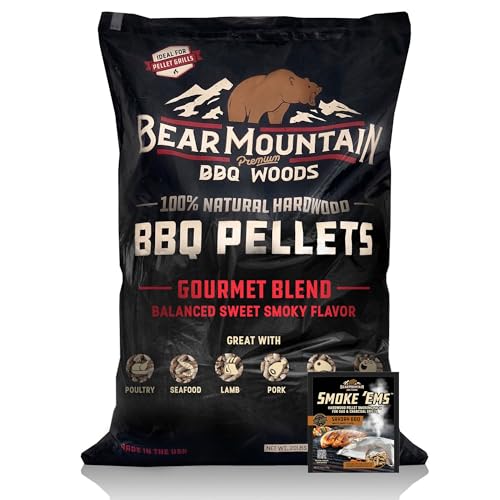


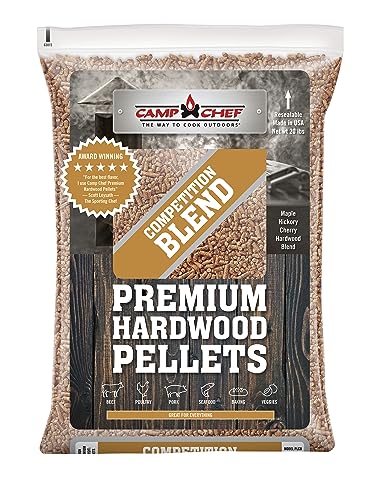


Quick Verdict
A gourmet blend is the all purpose choice in the pellet aisle. It mixes several hardwoods into one bag, so smoke flavor stays balanced across beef, pork, poultry, and vegetables instead of leaning toward one wood.
- Best for: families who cook varied foods and want one bag for nearly every meal, with no pellet swaps between cooks.
- Skip if: you want a strong single wood flavor, such as bold hickory on brisket, because a blend softens each wood.
Bear Mountain Gourmet Blend: Key Specs to Check
Pellet bags do not follow one standard label, so read the fine print before judging any blend. These details matter most, and each affects how the pellets burn.
- Wood content: look for hardwood with no fillers, oils, or binders added.
- Blend makeup: the bag should name the woods in the mix or describe the flavor direction, such as mild and balanced.
- Bag size: bags around 20 pounds and 40 pounds are common, and the bigger size lowers cost per cook if you have dry storage.
- Pellet size: short, uniform pellets feed through an auger more evenly than long or broken pieces mixed with dust.
- Moisture guidance: the label should advise dry storage, because damp pellets swell and lose heat.
First Impressions and Build Quality
With pellets, build quality means how the pellets themselves are formed. Good pellets look smooth and slightly shiny, with consistent color that suggests the wood was compressed under high pressure. Dull, crumbly pellets with rough edges break apart in the bag and leave dust at the bottom.
Length matters more than most new buyers expect. Pellets that are mostly uniform, roughly an inch or less, move through the auger at a steady rate, while many long pieces and fine dust can feed unevenly and cause temperature swings. Smell the pellets too. You should notice clean wood, nothing chemical or musty, since a stale smell points to moisture damage.
How It Performs in Everyday Home Use
A mixed hardwood blend is built for variety rather than extremes. These four areas are what home cooks notice most in regular use.
Ease of Use
The biggest daily advantage is leaving the same pellets in the hopper for weeks of mixed cooking. Burgers on Tuesday, chicken on Friday, and a pork shoulder on Sunday all work with one fill, so you skip the messy job of emptying the hopper to change woods. Keep the lid closed between cooks and top up before long sessions.
Durability
For pellets, durability means holding together from the bag to the burn pot. Dense pellets resist crumbling when you scoop or pour them and survive the ride home without turning into dust. Softer pellets break down faster near the bottom of a large bag, so pouring part of it into a smaller sealed bin protects the rest from handling and humid air.
Cleaning
A quality hardwood blend tends to leave fine, dry ash that vacuums out of the burn pot without much effort. Ash that clumps or feels heavy can signal added bark or fillers. Vacuum the burn pot after every few cooks, and check the grease tray at the same time, since ash and grease together make later cleanup harder.
Design
Design here is about the bag and how it fits your home. A large bag is awkward to carry up deck stairs and needs a dry spot in a garage, shed, or pantry corner, off bare concrete. Bags that reseal or pour cleanly from a corner make daily use less messy. With a small balcony or closet, the smaller bag size may suit you better.
Features You Will Actually Use
The useful traits of a gourmet blend are practical. Its balanced flavor is a safe middle ground when you feed a group with different tastes, because no single wood dominates the food. Wide availability also matters for a consumable you reorder several times a year, since a blend sold in many stores means you rarely run out mid season.
Blends also forgive small mistakes. If your temperature runs a little high or a cook goes long, a mild mixed smoke is less likely to turn bitter than a strong single wood burned for hours. And one bag simplifies shopping. You track one product and one storage bin instead of juggling three partial bags that slowly go stale.
Living With It: Setup, Cleaning and Upkeep
There is no assembly with pellets, but a short routine keeps them performing well. Store the open bag in a sealed bin with a lid, in the driest spot you have, and keep pellets off the floor where spills can reach them. Before a long cook, stir the hopper gently and remove dust settled near the auger intake.
Grill side upkeep is brief. Vacuum the burn pot on a regular cycle, wipe grease from the drip tray, and check that the hopper stays dry after rain if the grill lives outdoors under a cover. During humid months, fill only what you expect to use in the next few weeks.
What We Like and What We Don't About the Bear Mountain Gourmet Blend
Weighing the bear mountain gourmet blend pros and cons comes down to balance versus character. These strengths and limits reflect what any mixed hardwood blend does by design.
- Like: one bag covers beef, pork, poultry, fish, and vegetables with mild, even smoke.
- Like: no hopper changes between meals, which keeps weeknight cooking fast and tidy.
- Like: large bags bring the cost per cook down for families who grill often.
- Don't like: each single wood flavor is muted, so cooks chasing a signature hickory or cherry note may feel underwhelmed.
- Don't like: big bags are heavy and need dry storage that small homes may struggle to provide.
Is the Bear Mountain Gourmet Blend Right for Your Household?
Households of three to six people who cook outdoors once or twice a week get the most from this blend. The bag moves fast enough to stay fresh, and the flavor suits the mixed menu most families rotate through. Couples who grill only on holidays may find a large bag sits open too long and absorbs moisture, so a smaller size fits better.
Space matters too. A garage or covered patio handles bulk bags easily, while an apartment balcony demands stricter storage discipline and smaller, more frequent purchases.
How the Bear Mountain Gourmet Blend Compares
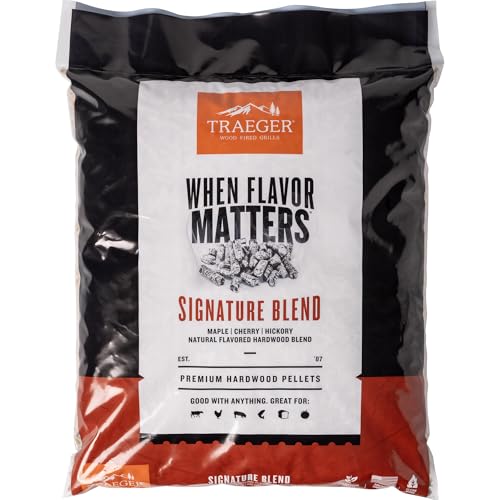
Most buyers cross shop this blend against two other well known pellet styles. A traeger signature blend review shows a similar mixed hardwood idea, where differences come down to the woods in the mix, bag sizes offered, and local price. Both aim at the same all purpose role, so local stock often decides between them.
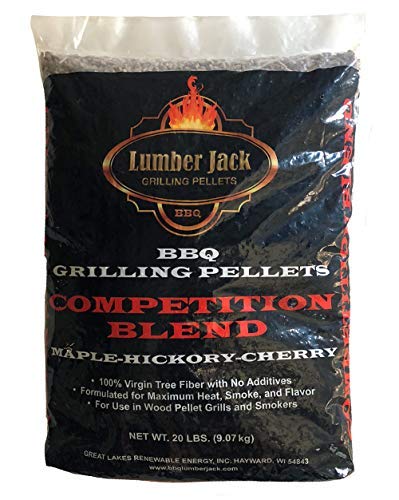
A lumberjack competition blend review covers a blend aimed at contest style cooking, built for stronger bark and a deeper smoke ring on large cuts. That style suits dedicated smoking sessions, while a gourmet blend leans toward everyday grilling and lighter smoke. Match the blend to how often you smoke low and slow versus grilling quick meals.
Price, Deals and Warranty
The bear mountain gourmet blend price usually lands in the middle of the pellet market, with bags costing about $20 to $35 depending on size and store. Cost per pound drops as bag size rises, so compare that figure rather than the sticker alone. Seasonal sales in spring and autumn often cut the price further.
Pellets carry no real warranty, but reputable sellers accept returns on damaged or water logged bags. Check for tears and swelling before you leave the store, and keep your receipt for online orders, since a photo of a damaged bag speeds up a replacement.
Common Buying Mistakes to Avoid
- Buying the largest bag without dry storage: savings vanish when half the bag absorbs moisture and gets thrown out.
- Judging a blend by one cook: smoke flavor builds differently on quick grilled foods and long smoked cuts, so try both first.
- Mixing old and new pellets blindly: stale pellets at the bottom of the hopper can cause uneven feeding for the fresh fill above.
- Storing the bag open in the garage: humid air reaches the pellets within days and heat output drops.
- Expecting a blend to mimic a single wood: a mix will never taste like pure cherry, no matter the brand.
Cost of Ownership and Care
Pellets are a running cost, so think in seasons rather than bags. A household grilling twice a week through spring and summer might use roughly one large bag every month or two, depending on cook length and grill size. Long smokes consume far more fuel than short grilling sessions.
Care costs are mostly your time. A bin with a sealing lid is a one time purchase that protects every bag after it, and a small ash vacuum keeps the burn pot clean so the grill ignites reliably. Replacing one moisture damaged bag costs more than both habits combined.
Your Questions, Answered
How do you clean the Bear Mountain Gourmet Blend?
You clean up after the pellets rather than cleaning the pellets themselves. Let the grill cool fully, then vacuum ash from the burn pot and firebox, empty the grease tray, and brush pellet dust out of the hopper. If dust keeps building up, sift the last portion of the bag through a coarse screen before loading it, which keeps fines out of the auger.
What is a cheaper alternative to the Bear Mountain Gourmet Blend?
Store brand hardwood blends and larger bag sizes of any comparable blend usually cost less per pound, and seasonal sales lower the price further without changing products. Watch the tradeoff, though. Very cheap pellets sometimes include more bark or softwood content, which can mean more ash and a less clean flavor, so compare the wood content statement before switching for price alone.
How long does the Bear Mountain Gourmet Blend last?
An unopened bag in a dry place keeps well for many months. Once opened, aim to use the pellets within about two to three months in humid climates and somewhat longer in dry ones, as long as they stay sealed in a bin. In the hopper, pellets are best used within a few weeks. Swollen or powdery pellets have absorbed moisture and should be discarded.
What are common Bear Mountain Gourmet Blend problems?
Most bear mountain gourmet blend problems trace back to moisture or dust rather than the recipe. Swollen pellets can jam the auger, and heavy dust can cause uneven feeding and temperature swings. Flavor complaints usually mean the mild blend was used for a very long cook where a stronger wood was expected. Sealed storage, sifting fines, and matching the blend to the cook solves nearly all of these.
Is the Bear Mountain Gourmet Blend worth it?
So, is the bear mountain gourmet blend worth it for your home? For households that grill varied foods often, yes, because one versatile bag replaces several single wood purchases and keeps weekly cooking simple. The value drops if you mostly cook one style, such as brisket every weekend, where a dedicated wood brings more character. Judge it against your menu and your storage.
Final Thoughts
A gourmet blend earns its place by being dependable rather than dramatic, with even smoke, simple hopper management, and a fair cost per cook across a season of family meals. Look back at the product table above and weigh your storage space and how varied your cooking is.
For most mixed menu households, the bear mountain gourmet blend review verdict is positive. Buy the size you can store dry, keep the pellets sealed between cooks, and let one balanced blend carry you from weeknight burgers to slow weekend pork without any fuss.


