Best 60 Inch Electric Fireplaces (2026): Sizes, Types and Prices
Disclosure: We may earn a commission when you buy through links on this page, at no extra cost to you. As an Amazon Associate I earn from qualifying purchases. Learn more

Choosing the best 60 inch electric fireplace? A 60 inch electric fireplace adds flame and extra heat without a chimney.
A 60 inch unit is a big visual commitment, and the most common regret is buying for width alone and then finding the depth, heat, or controls do not suit the room. This guide helps you find the best 60 inch electric fireplace for your wall, your wiring, and the way you actually use heat. We compare mounting styles, flame and heat adjustability, build quality, and fit in the comparison table below.
Rather than naming models, this guide walks through the types and criteria that separate a fireplace you enjoy daily from one that feels like a large screen stuck on the wall.
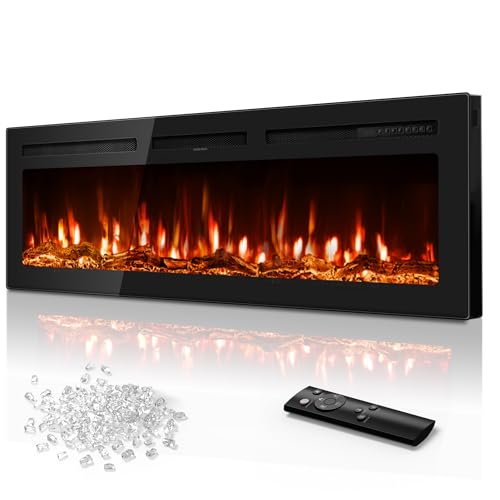

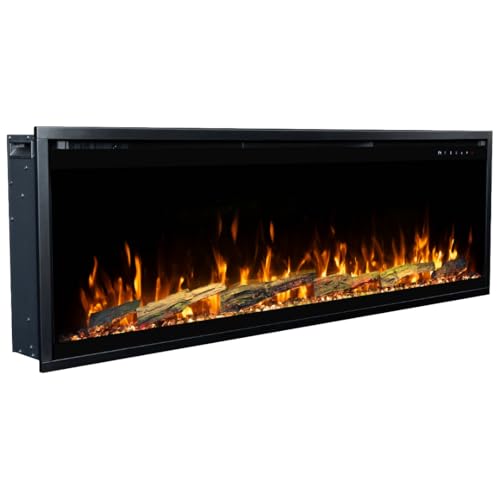
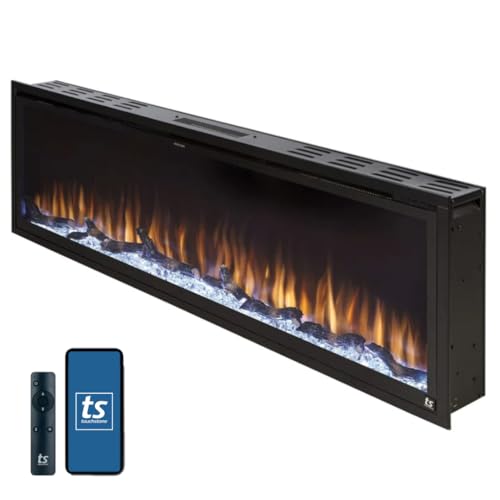
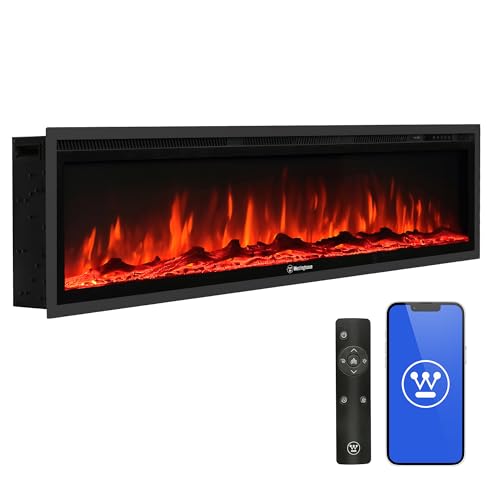


Who Should Buy a 60 Inch Electric Fireplace?
Living rooms with a wide, clear wall
You have a long sofa, a wide TV, or a broad seating arrangement and a smaller unit would look lost above or below it. A 60 inch width fills that span and gives everyone on the sofa a direct view of the flame. Measure the wall first and leave breathing room on both sides so the unit reads as a deliberate focal point, not a tight fit.
Homeowners building a media wall
You are framing a recess, adding paneling, or placing a TV above the fireplace as part of one planned wall. This size suits that project because the frame, the screen, and the seating can all be laid out around a single center line. Plan the recess depth, outlet position, and TV heat clearance before framing starts.
Renters and remodelers who want flame without a chimney
You want the look and supplemental heat of a fire but cannot add venting, gas lines, or a masonry opening. A surface mounted 60 inch model can go on a finished wall with a nearby outlet, and it can come down again with only screw holes to fill. For smaller and larger formats, see our guide to the best electric fireplace.
Types Compared in the 60 Inch Size
Recessed models sit inside a framed opening so the front sits flush with the wall. They give the cleanest finished look, but they demand accurate framing, enough wall depth, and access to power inside or near the cavity. Choose this type for new builds and media walls where the extra carpentry is already planned.
Surface mounted models hang on brackets over finished drywall, much like a large TV. They are the fastest route in a completed room and the easiest to remove later. The trade off is that the body projects a few inches into the room, and the cord needs a tidy route to an outlet. Our guide to the best wall mounted electric fireplace covers bracket and stud checks.
Insert models slide into an existing fireplace opening or a cabinet built to hold them, often with a log look inside. They suit a room with a disused hearth that you want working again without a fire. If that is your situation, compare dimensions carefully with the options in our guide to the best insert electric fireplace, because opening height matters more than outer width.
How to Evaluate a 60 Inch Electric Fireplace
Start with the specification sheet rather than the photos. Confirm the true outer width, height, and depth, the heater rating in watts and BTU, the cord length, and whether the unit needs a dedicated circuit. Then check the controls: flame brightness levels, flame color options, heat settings, a thermostat, and a timer tell you how adjustable the unit is in daily use.
Finish with build quality and support. Look for a metal body rather than thin plastic trim, tempered glass that sits flat, a clear warranty term, and a manual that states required clearances.
How to Choose the Right Electric Fireplace
Size and form factor
The 60 inch figure usually describes the outer frame, not the visible flame area, which can be several inches narrower once the border is counted. Mark the width with painter's tape on your wall at seated eye level before you order, and check that the width leaves space for art, speakers, or shelving you plan to keep. A linear form suits low, wide furniture, while a taller framed form fills a wall with high ceilings better.
Type and installation route
Your wall decides the type as much as your taste does. A recessed unit needs a cavity deep enough for the body plus the clearance the manual requires, and framing must land on studs that can carry the weight. A surface mounted unit needs solid stud anchoring too, because drywall anchors alone are rarely rated for a unit this wide. An insert needs an opening with level support underneath. Pick the route your wall can support safely, then shop within it.
Features worth paying for
A remote you will use daily, a thermostat that holds a set temperature, and a timer that shuts the heater off at night all earn their cost. Multiple flame colors and brightness levels help the unit work in daylight and in a dark room. A mantel adds display space on freestanding formats, and a Bluetooth speaker is a pleasant extra for some buyers. Skip paying extra for app control if you know you will only ever reach for the remote.
Fit, weight, and mounting strength
A unit this wide is heavy enough that mounting is a two person job, and the bracket must fix into studs or masonry, never into drywall alone. Check the stated weight in the manual, the spacing of the bracket holes, and whether your stud spacing lines up. Also confirm the depth works with your furniture: a projecting body above a narrow console can crowd the space below a TV. If the numbers feel marginal, choose a lighter surface mounted model.
Adjustability of flame and heat
Good adjustability is what makes a large flame feel natural instead of theatrical. Look for several brightness steps, at least two heat settings plus a flame only mode, and a thermostat with a readable range so the room does not overshoot. Crackle sound and flame speed controls are finer touches that some models add. The flame only mode matters most in warmer months, when you want the look without adding heat.
Materials and durability
A steel body, a flat tempered glass front, and a heater vent that does not flex or rattle point to a unit built to last. Plastic surrounds can look fine in photos but may warp near heat outlets or yellow over time. Inside, a simple log or crystal ember bed with LED lighting tends to age better than complex moving parts. Check that the manufacturer sells replacement remotes, since small parts are what you will need first.
Assembly and warranty
Most 60 inch models arrive assembled as a single unit, so your work is mounting, leveling, and adding the ember media, which is often loose crystals or logs packed separately. Read the manual before the box arrives so you know what tools and help you need. Warranty terms vary from about one year to several years, and coverage for the heater and electronics matters more than coverage for trim.
How much should you spend?
Basic 60 inch models start at about $300 to $500, with simple flames, a remote, and a standard fan heater. Spending about $500 to $900 usually buys better flame depth, quieter fans, a thermostat, and stronger materials. Above about $900 to $1,500 you pay for flush installations, larger viewing areas, and refined ember effects. Note that a true 60 inch unit rarely sits under $150, so a price that low should prompt careful checks of the actual dimensions listed.
Is a 60 Inch Electric Fireplace the Right Size for You?
The best 60 inch electric fireplace is the one that fits the wall with margin on each side. As a rough guide, this width suits viewing distances of about 8 to 14 feet and walls at least about 7 to 8 feet wide, so the unit has margin on each side. In a small bedroom or a narrow den, a 42 or 50 inch model often looks better and costs less to run visually, even if the larger size technically fits. In a very large open room, stepping up to 72 inches may balance a long sectional.
Heat is a separate question from looks. Most models in this size use a heater of about 1,500 watts, which adds comfortable supplemental warmth to a single room rather than heating a whole home. If you are deciding between fuel types for that main living space, our comparison of electric vs gas fireplace explains running costs, venting, and upkeep side by side.
Common Mistakes to Avoid
- Ordering by the headline width without checking the visible flame width and the frame depth in the manual.
- Mounting the bracket into drywall anchors instead of studs, so a heavy unit can pull loose over time.
- Placing a TV above the fireplace without the clearance the manual states, so heat rises into the screen.
- Running the heater on an extension cord or a shared circuit, which can trip breakers and overheat the cord.
- Framing a recess before the unit arrives, then finding the cavity is too shallow for the body and plug.
- Ignoring fan noise ratings in a bedroom, where a loud heater fan becomes the dominant sound at night.
How to Make Your Electric Fireplace Last Longer
Dust is the main enemy. Wipe the glass with a soft dry cloth, vacuum the heater intake and outlet vents with a brush attachment, and keep the ember bed free of household dust so the light stays even. Our step by step guide on how to clean an electric fireplace covers safe products and what to avoid on the glass.
Check the cord, plug, and outlet each season for heat marks or looseness, and stop using the heater and contact the manufacturer or an electrician if you find any. Keep soft furnishings and curtains at the clearance distance in the manual, and run the flame only mode now and then in summer so you notice any fault before winter.
FAQ
What size room suits a 60 inch electric fireplace?
A midsize to large living room, roughly 200 to 400 square feet, suits this width best. The flame stays in proportion at normal sofa distances, and the heater can take the chill off that one room. In a much larger space, treat the heat as a local comfort boost near the seating.
Can a 60 inch electric fireplace be plugged into a normal outlet?
Most models run on a standard 120 volt household outlet, because the heater draws about 1,500 watts at its highest setting. The outlet should be grounded, reachable without an extension cord, and ideally not shared with other heavy loads on the same circuit. If your home has older wiring or the breaker trips when the heater runs, have an electrician check the circuit before using the fireplace regularly.
How long does an electric fireplace last?
The LED flame systems in current models are rated for many years of evening use, and the body itself has few parts that wear out. The heater fan and the remote are the parts most likely to need attention first. Keeping vents clear of dust reduces strain on the fan motor, which is the single most useful habit for a long service life.
Does a 60 inch electric fireplace use a lot of electricity?
With the heater on high, expect draw close to that of a portable space heater, around 1,500 watts, while the flame only mode uses a small fraction of that for the LED lighting and effects. Running the flame without heat in the evening therefore costs very little. A built in thermostat also cuts running time, because the heater cycles off once the room reaches the temperature you set.
Can a 60 inch electric fireplace sit below a TV?
Yes, many living rooms are arranged this way, but the gap between the top of the fireplace and the bottom of the TV must meet the larger of the two manuals. Heat rises from the outlet vent, so a mantel or a recessed niche that deflects warm air forward can help. Also plan cable routes before mounting.
Final Thoughts
Measure the wall, choose the mounting route your studs and depth can support, and then compare flame and heat adjustability within that type. Do that, and the best 60 inch electric fireplace for your home stops being a guess and becomes a clear match. Use the product table above to compare finalists before ordering.