Best 6 Slice Toaster Ovens (2026): Types and Buying Guide
Disclosure: We may earn a commission when you buy through links on this page, at no extra cost to you. As an Amazon Associate I earn from qualifying purchases. Learn more

A practical guide to the best 6 slice toaster oven: interior size, counter fit, convection and care for families of three to five.
Picture a weeknight when the big oven feels like too much work for six slices of toast, a tray of chicken nuggets, and a small pan of roasted vegetables. A countertop oven that holds that much food in one round can calm the whole routine. Choosing the best 6 slice toaster oven for your home comes down to counter space, household size, and how you cook on ordinary days. The comparison table below sums up the main styles, and this guide walks through the checks that matter before you order.


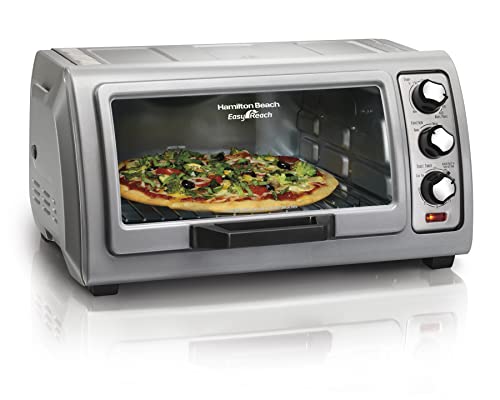
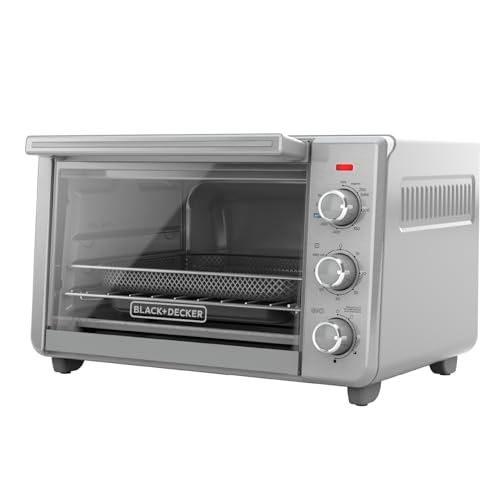


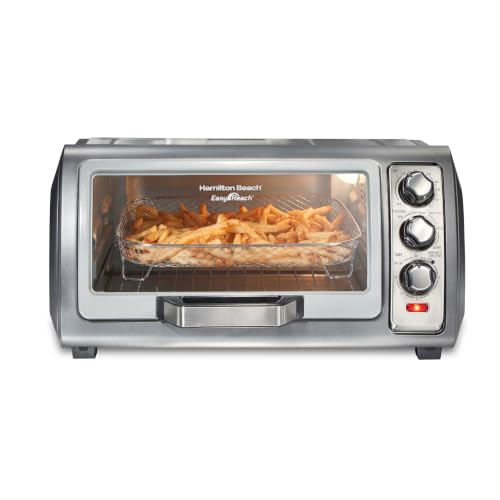

Quick Answer: Which Style Fits Most Homes
For most families of three to five people, a 6 slice model with a convection fan, a removable crumb tray, and simple controls covers nearly every daily task. If your kitchen is tight, a compact 6 slice design with a shallower depth is the safer fit. Homes that bake often should look at taller interiors and steady temperature control instead. If you want the wider view across every size class first, read our guide to the best toaster oven before you narrow down.
One more quick test helps. Count the slices, bagel halves, or portions you cook in a normal breakfast rush. If that count sits at five or six most days, this size earns its counter space. If it sits at two, the oven will feel bigger than your routine needs.
Before You Buy: A Quick Checklist for Choosing a Toaster Oven
Work through these checks in order, because a model that fails the space or safety checks will frustrate you no matter how strong its cooking features look on paper.
Size: Match It to Your Space
Slice count describes the toast layout, and it hints at the interior width you get for pans and pizzas. A 6 slice interior often fits a pizza of about 12 inches or a baking pan of about 9 by 11 inches, though makers measure differently, so confirm the exact interior dimensions. Households that cook toast for two and reheat single portions may be happier with a smaller footprint, and our guide to the best small toaster oven covers those options.
Which Type Fits Your Routine
Basic models toast, bake, and broil with dial controls and suit homes that want speed and simplicity. Convection models add a fan that moves hot air around the food, which helps frozen snacks and roasted vegetables brown more evenly. If that style matches your cooking, compare shapes in our roundup of the best convection toaster oven models. Digital models add preset programs and precise temperature settings, which help if you bake delicate foods often.
Wattage, Power, and Energy Use
Most countertop ovens in this class draw about 1300 to 1800 watts, and higher wattage usually means faster preheating rather than better cooking on its own. What matters more is how evenly the elements hold a set temperature once the food goes in. For small meals, a countertop oven also heats a far smaller space than a full size oven, so it can finish the job with less energy when the portion is modest.
Safety Features and Certifications
Look for a listing from UL or ETL on the product page or the rating label, since that shows the appliance met an independent safety standard. An automatic shutoff after the timer ends is worth having in busy homes, and a cool exterior matters when children can reach the counter. Keep the oven away from curtains and paper goods, and leave clear space above it, because the top surface gets hot during broiling.
Counter Space and Dimensions
Measure your counter before you shop, then add room on every side for air flow and for the door to swing down fully. Note the space under your upper cabinets too, since tall models can crowd that gap and trap steam against the cabinet bottom. Depth is the dimension buyers misjudge most often, because plugs and rear vents push the oven farther forward than the listed depth suggests.
Realistic Budget Ranges
At about $50 to $100, expect dial controls, fewer presets, and thinner accessories, which still suits toast and reheating well. Spending about $100 to $200 usually adds convection, digital controls, and sturdier racks and pans. Above about $200, you pay for larger interiors, more cooking programs, and finer temperature control. Decide which of those gains matches your actual cooking before you stretch the budget.
Three Types of 6 Slice Toaster Ovens Compared
Instead of chasing a single winner, match the type to your household. These three styles cover nearly every home that shops in this size class.
The Simple Dial Control Type for Busy Families
This style uses two or three dials for function, temperature, and time, and anyone in the house can run it without reading a manual. It toasts and reheats fast, costs the least to buy, and has fewer parts to fail over the years. The trade off is looser temperature precision, so cakes and delicate bakes can vary from batch to batch. Choose it when breakfast speed and easy daily use matter more than exact baking control.
The Convection Type for Crisp and Even Results
A fan inside this style circulates hot air, so fries, wings, and roasted vegetables tend to brown on more sides without constant turning. Many cooks lower the temperature by about 25 degrees compared with a still air recipe, because moving air transfers heat faster. The fan adds a low hum and a modest price increase. Choose it when frozen foods and roasting fill your weekly menu and even browning is your top complaint about your current setup.
The Digital Multi Function Type for Frequent Bakers
This style pairs a digital display with preset programs for tasks like bake, broil, toast, and warm, plus closer temperature steps for recipes that need them. Interior lights and countdown timers help you judge doneness without opening the door and losing heat. It takes the most counter space and the highest budget of the three styles. Choose it when you bake weekly, proof dough, or want one appliance to handle most small oven jobs.
How Options Are Compared in This Guide
Options in this size class are compared on capacity, cooking performance, ease of use, cleaning, noise, safety listings, and warranty length. The figures come from maker specifications and from patterns in verified buyer feedback, such as repeated comments about toast evenness or crumb tray access. Use the product table above as your shortlist, then check the interior dimensions and control style of each finalist against your own routine.
Is a 6 Slice Toaster Oven the Right Size for You?
This size suits households of three to five people who cook breakfast for a group, reheat leftovers for more than one plate, or bake small casseroles on weeknights. It also suits a solo cook who freezes meals in batches and wants to reheat two portions at once. It is more oven than a single person who only makes two slices of toast each morning truly needs.
Think about the largest dish you cook weekly. If your routine centers on big roasts, tall casseroles, or two trays at once, step up instead and see the options in our guide to the best large toaster oven. If your largest dish is a modest pizza or a pan of salmon for four, the 6 slice class sits right in the middle ground. Learning the basic settings first also helps, and our walkthrough of how to use a toaster oven explains rack positions and mode choices in plain steps.
Common Buying Mistakes to Avoid
- Trusting slice count alone: two ovens with the same slice rating can have very different interior heights, so a thick casserole dish may not fit under the top element.
- Skipping the cabinet check: an oven that fits the counter but crowds the cabinets above it can trap heat and steam where you do not want them.
- Paying for programs you will never open: long preset lists add cost, and most homes use toast, bake, and broil for nearly everything.
- Ignoring the crumb tray: a tray that only opens from inside the oven makes a weekly chore awkward, and skipped cleanings lead to smoke and stale odors.
- Forgetting rack and pan replacements: house brand pans and racks vary in size, so confirm that spares are easy to find before you commit.
Cost of Ownership and Care
Running costs stay modest, because the oven heats a small cavity and most sessions last under 30 minutes. The ongoing expenses are replacement racks, baking pans, and the electricity itself, all of which stay low when the appliance is kept clean. Wipe the interior once it has cooled, empty the crumb tray weekly, and wash the rack in warm soapy water so grease does not bake into a stubborn film.
Avoid abrasive pads on coated interiors, since scratches give grease more surface to cling to next time. For a fuller routine with solutions for burnt on spots, follow the steps in our guide on how to clean a toaster oven. Store the oven with the door closed and the tray in place, and check the cord now and then for heat damage near the plug.
Your Questions, Answered
Is a toaster oven worth it if you already own a full size oven?
For many homes, yes, because the smaller cavity heats up in a few minutes and suits single pans, snacks, and reheating without warming the whole kitchen. It earns its keep when you cook small amounts several times a week. It adds less value if you mostly cook large family meals, since the full size oven already handles those in one batch. Count your small cooking sessions for a week to judge honestly.
Can a 6 slice toaster oven replace a full size oven completely?
For a small household, it can cover most daily cooking, from toast and pizza to a small roast chicken in compact form. It cannot match a full size oven for tall layer cakes, large holiday birds, or two dishes on separate racks at once. Apartment cooks often pair it with a stovetop and cover nearly every meal that way. Keep the full oven for the biggest jobs if you have the choice.
How long does a toaster oven usually last?
With ordinary home use and regular cleaning, many owners get about five to eight years from a countertop oven in this class. Heating elements and timer dials are the parts that most often tire first. Signs that the end is near include toast that browns on one side only, a door that no longer seals, or a thermostat that overshoots every setting. At that point, repair parts rarely cost less than a new basic model.
How often should you clean a 6 slice toaster oven?
Empty the crumb tray after any session that leaves loose crumbs, and wipe the interior walls about once a week in a busy home. Fatty foods such as bacon or wings call for a wipe on the same day, because their splatter smokes at lower heat later. Always unplug the oven and let it cool fully before you reach inside. A steady light routine prevents the deep scrub that most owners dread.
What is the best 6 slice toaster oven for a small kitchen?
The right pick for a small kitchen is the model with the shallowest depth that still fits your main pan, plus a door that opens without striking the wall or items behind it. Vertical clearance matters as much as footprint, so measure the gap to your cabinets before you decide. A lighter body also helps if you plan to slide the oven into a pantry between uses. Match those fit checks first, then compare features.
Final Thoughts
Start with your counter measurements and your real breakfast and dinner counts, then pick the type that fits that life. The simple dial style serves busy families, the convection style serves crisp food fans, and the digital style serves frequent bakers. Whichever route you take, the best 6 slice toaster oven is the one whose size, controls, and care routine you will still enjoy a year from now. Check the product table above once more, confirm the interior dimensions, and order with confidence.