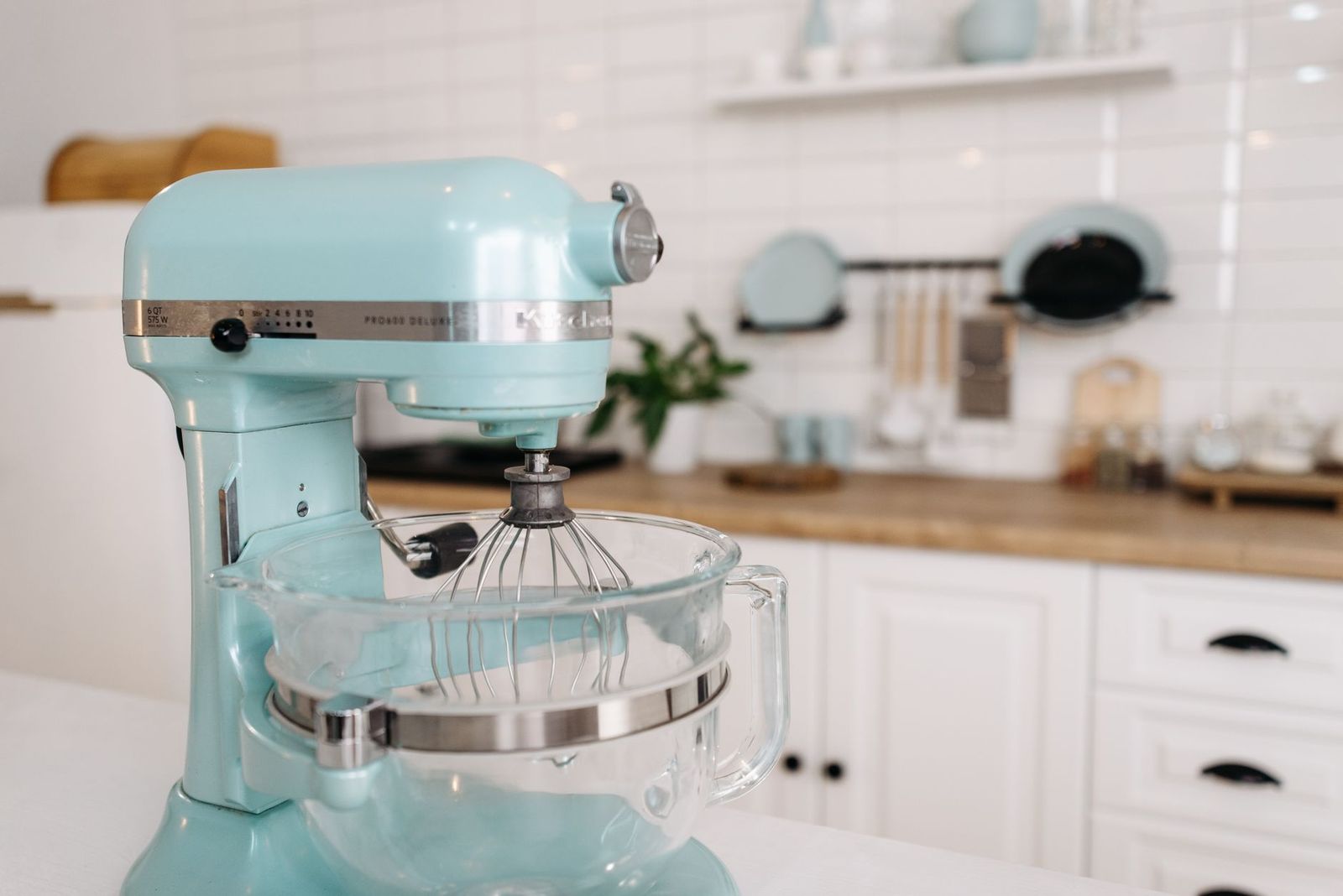
Best 6 Quart Stand Mixers (2026): Buying Guide and Sizing
Disclosure: We may earn a commission when you buy through links on this page, at no extra cost to you. As an Amazon Associate I earn from qualifying purchases. Learn more

Choosing the best 6 quart stand mixer? A 6 quart bowl handles double batches of dough and cookies at home.
A big family dinner can turn into a juggling act when one small bowl has to handle mashed potatoes, dinner rolls, and dessert in turn. The best 6 quart stand mixer solves that problem by giving you room for generous batches without forcing you into a commercial size machine. This guide helps you judge that size by your kitchen space, your household, and your budget.
Instead of chasing the longest feature list, focus on how the mixer will live in your home. Will it stay on the counter or move to a cabinet? The comparison table below sums up the main types, and our guide to the best stand mixer range covers smaller and larger options if you are still weighing the whole market.
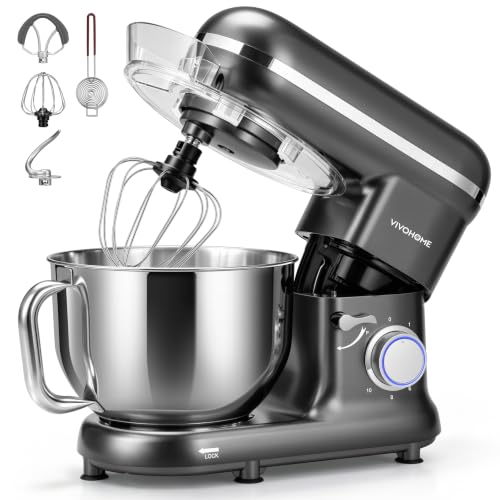
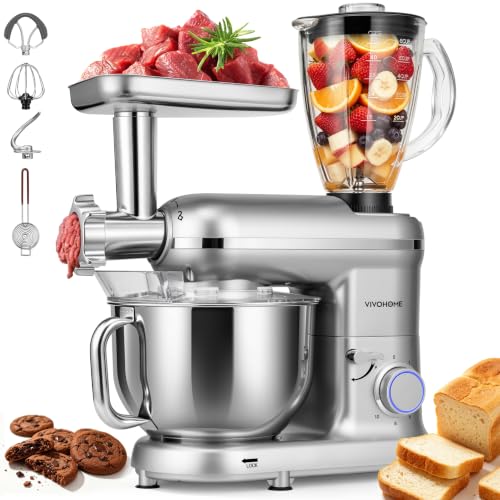

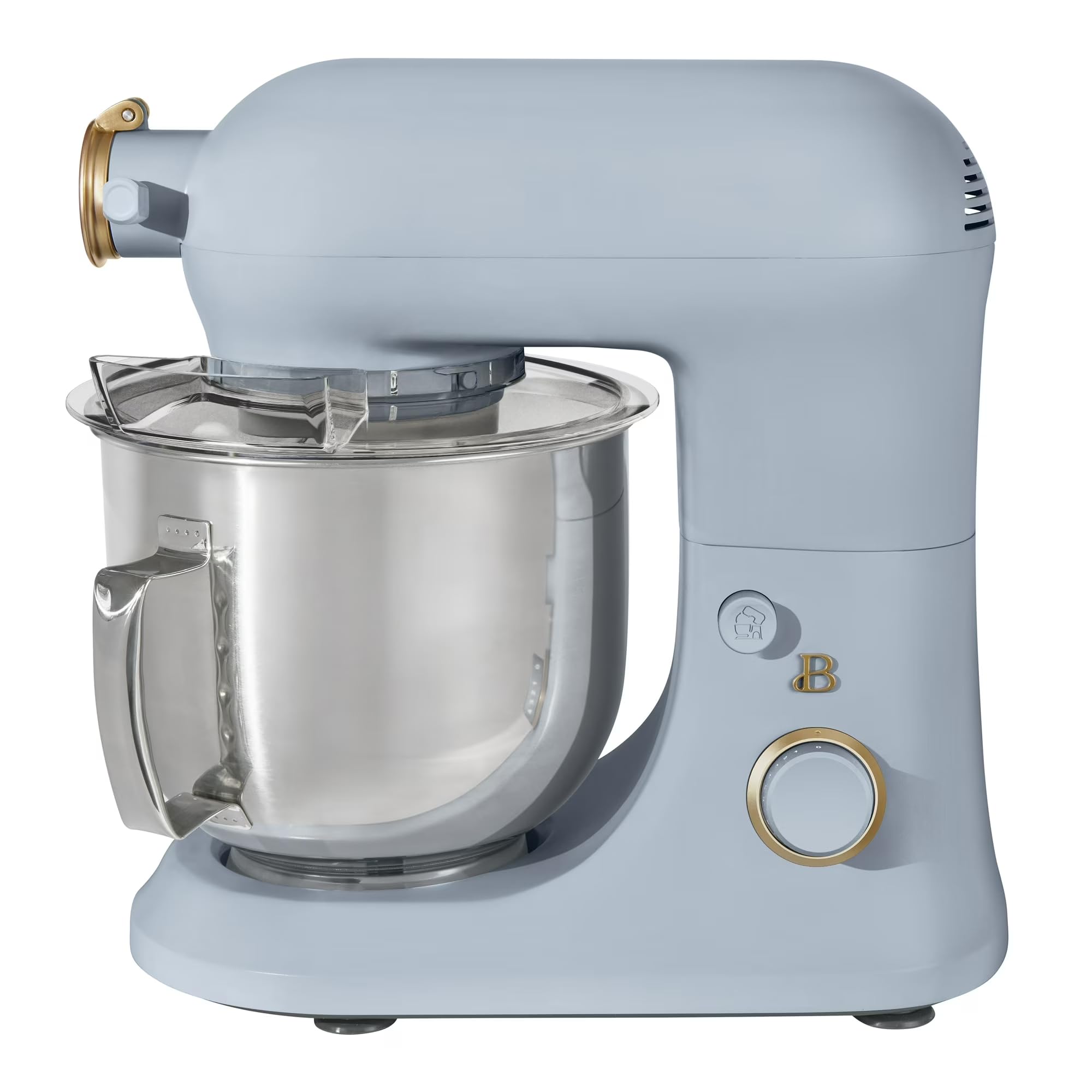
Quick Answer: What This Size Does Best in a Real Home
A 6 quart bowl suits households that cook for four to six people, bake for gatherings, or like to double a favorite recipe and freeze half for later. It handles a full batch of cookie dough, a large loaf worth of bread dough, and whipped cream or mashed potatoes for a crowd without ingredients climbing out of the bowl.
Readers comparing a best stand mixer for baking will find this size a calm middle ground. It is larger than most homes need for a single cake, yet far easier to store than an 8 quart model built for constant heavy use.
Before You Buy: A Quick Checklist for Choosing a Stand Mixer
Work through the points below in order, from space and batch size to power, safety, and cost. A mixer that fits your counter and routine will get used weekly, while one that fights your cabinets will gather dust.
Size: Match It to Your Space and Your Batches
Smaller bowls around 3.5 to 5 quarts suit one or two people and single batches. A 6 quart bowl steps up to double cookie batches, big bread doughs, and holiday sides for guests. Models at 7 or 8 quarts serve very large families or near constant baking. If you are torn, the guide on what size stand mixer do i need walks through batch math in more detail.
Which Type Fits Your Routine
Tilt head models let the head swing back so you can swap tools and reach the bowl easily. Bowl lift models raise the bowl on a sturdy frame, which stays steadier under thick dough and suits frequent bread making. Compact and quiet designs help small kitchens. Read the full tilt head vs bowl lift stand mixer comparison before you decide, since the style affects height, stability, and daily ease more than most buyers expect.
Features Worth Paying For and Ones to Skip
A stainless steel bowl with a handle resists stains, chills well for whipped cream, and is easy to carry when full. A pouring shield, speeds with a gentle start, and tools for kneading, mixing, and whipping cover most home needs. A glass bowl adds weight and breakage risk. Pasta and grinder attachments are worth buying only when you already make those foods often.
Wattage, Power and Energy Use
Wattage alone does not tell you how a mixer handles stiff dough, because gear design and motor control matter just as much. Look for clear guidance on maximum flour weight. In normal home use the electricity cost per batch is small, since mixing runs for minutes. A weak machine costs you more by forcing smaller batches and longer sessions.
Safety Features and Certifications
Check for a safety listing such as UL or ETL on the label, which means the electrical design met an independent safety standard. A stable base, a bowl that locks firmly, and a head or lift that locks before the motor starts all reduce movement and spills. Keep cords away from hot pans and water, and keep hands and loose sleeves out of the bowl while the tool turns.
Counter Space and Dimensions
Measure before you order, especially the height from your counter to the bottom of your upper cabinets. Bowl lift models are often tall and may need to slide out before use, while tilt head models need room above for the head to swing back. Note the footprint and weight too. A heavy mixer will likely live on the counter, so be honest about that space.
Realistic Budget Ranges
Under about $100 you are usually looking at smaller or lighter machines, so a true 6 quart model at that level is rare. Between about $200 and $300 you can expect solid home performance and a useful warranty. From about $300 to $500 the gains are steadier handling of dense dough, quieter running, and stronger service support. Spend for the work you actually do.
Types Compared: How 6 Quart Models Differ
Compare the three broad types below by routine rather than by brand. The right match depends on how much bread you make and how much storage you can give.
Bowl Lift Models for Heavy and Frequent Batches
Bowl lift designs anchor the bowl on a frame and raise it into the tool, which keeps the machine planted when dough pulls hard. They suit households that bake bread weekly and mix dense batches often. The trade off is height and weight, so plan a permanent counter spot. Bakers focused on loaves should also see our guide to the best stand mixer for bread dough for flour limits and kneading tips.
Tilt Head Models for Simple Daily Use
Tilt head designs in this size class give you fast access to the bowl, easy tool changes, and a familiar feel for cakes and batters. They fit cooks who value convenience and add ingredients often during mixing. Very stiff dough can make the head flex a little, so work in the batch sizes the maker states.
Commercial Style Models for Very Busy Kitchens
Commercial style home models add stronger frames, larger motors, and duty ratings for long sessions. They make sense for bakers who sell at markets or cook for large groups every week. Most families will not use that extra capacity enough to justify the cost and weight. If your baking is weekly, a standard home model will feel easier to own.
How to Evaluate Options Before You Buy
Judge each model on capacity in real batches, steady handling of thick dough, ease of use, cleaning, noise, and the safety listing and warranty behind it. Use maker specifications and verified buyer reports about fit and cabinet clearance. Confirm maker flour limits and dimensions on the product page before ordering.
Is a 6 Quart Stand Mixer the Right Size for You?
Choose this size if you regularly cook for four or more people, double recipes, or bake for school events, holidays, and shared meals. A single pizza night for a family can use most of the bowl once dough, sauce toppings, and sides enter the plan, and readers planning that routine can compare the best stand mixer for pizza dough guide for dough specific advice. One or two person households that bake small cakes may find a 4.5 or 5 quart bowl easier to store and better at small batches, where a large bowl can leave batter under the tool path.
Think about your largest honest batch, not your largest imagined one. If a holiday is the only day you need huge capacity, mixing in two rounds with a smaller machine may serve you better all year. If big batches happen monthly, the 6 quart bowl will save time every session.
Common Buying Mistakes to Avoid
- Buying for the biggest holiday of the year, so the mixer feels oversized and awkward for normal weekly cooking.
- Skipping cabinet measurements, then finding the mixer cannot open or lift fully in the spot you planned for it.
- Judging power by wattage alone and ignoring stated flour limits, so dense dough strains the motor.
- Paying for a large bundle of attachments you never use, which raises the price and fills your drawers.
- Overlooking replacement costs for bowls, tools, and attachments, which vary a lot between model lines.
- Choosing a bowl with no handle, then struggling to lift and pour from a full, heavy 6 quart load.
Cost of Ownership and Care
Running costs stay low because a mixer draws power for short bursts, but ownership costs include replacement bowls or tools, attachments, and service after the warranty ends. Check part prices before you buy, not after something chips or bends. A model with widely available parts will be cheaper to keep in service.
For care, unplug the mixer and wipe the body with a damp cloth, keeping water away from vents. Wash the bowl and tools as the maker directs, dry metal parts promptly, and store tools inside the bowl. Stop and call for service if you smell burning, hear grinding, or see the tool striking the bowl.
Your Questions, Answered
What is the most reliable stand mixer brand?
Reliability depends more on the model line, gear materials, and service network than on a single brand name. Look for a clear warranty, spare parts that are easy to order, and verified owner reports covering several years of use. A maker that publishes flour limits and part numbers openly also tends to support its machines longer.
How do you clean a stand mixer?
Unplug the mixer first, then remove the bowl and tool and wash them in warm soapy water unless the maker allows a dishwasher. Wipe the body and head with a damp cloth and dry it fully. A small brush clears flour from seams. Cleaning right after use is far easier than scraping dried residue later.
Is a stand mixer worth it for a home kitchen?
It is worth it if you bake in batches a few times a month and want to free your hands for other prep. Kneading, whipping, and creaming go faster than working by hand. If you bake only a couple of times a year, the counter space and cost are hard to justify, and borrowing for big events may suit you better.
How long does a stand mixer last?
A well cared for home model can serve for many years, often a decade or more, when you respect its batch limits. Heavy dough at maximum size every day shortens that life, while weekly cakes are gentle by comparison. Keeping the original box helps if you ever need to ship the unit for service.
What size stand mixer do I need for a family of five?
For a family of five, a 6 quart bowl usually covers double cookie batches, a large bread dough, and holiday sides without a second round. Smaller bowls can still work if you bake one batch at a time and rarely host guests. Consider storage as well, since a busy family kitchen may favor a smaller model that stays within easy reach.
What is the best 6 quart stand mixer for bread dough?
For bread dough, the strongest choice in this size is a bowl lift model with a clear flour limit and a sturdy dough hook. Start on a low speed, add flour in stages, and stop if the motor labors or the bowl shifts. Those habits protect the gears and give the dough a smoother knead.
Final Thoughts
Match the bowl to your batches, the style to your routine, and the footprint to your cabinets, and the best 6 quart stand mixer for your home becomes an easy call. Use the product table above to compare the main types side by side, confirm height and flour limits on the product page, and pick the design your household will reach for every week.