Best 6 Inch Travel Mountain Bike of 2026: Complete Buying Guide
Disclosure: We may earn a commission when you buy through links on this page, at no extra cost to you. As an Amazon Associate I earn from qualifying purchases. Learn more
Learn how to choose the best 6 inch travel mountain bike by fit, suspension, gearing, brakes, and terrain, with practical tips for new riders.
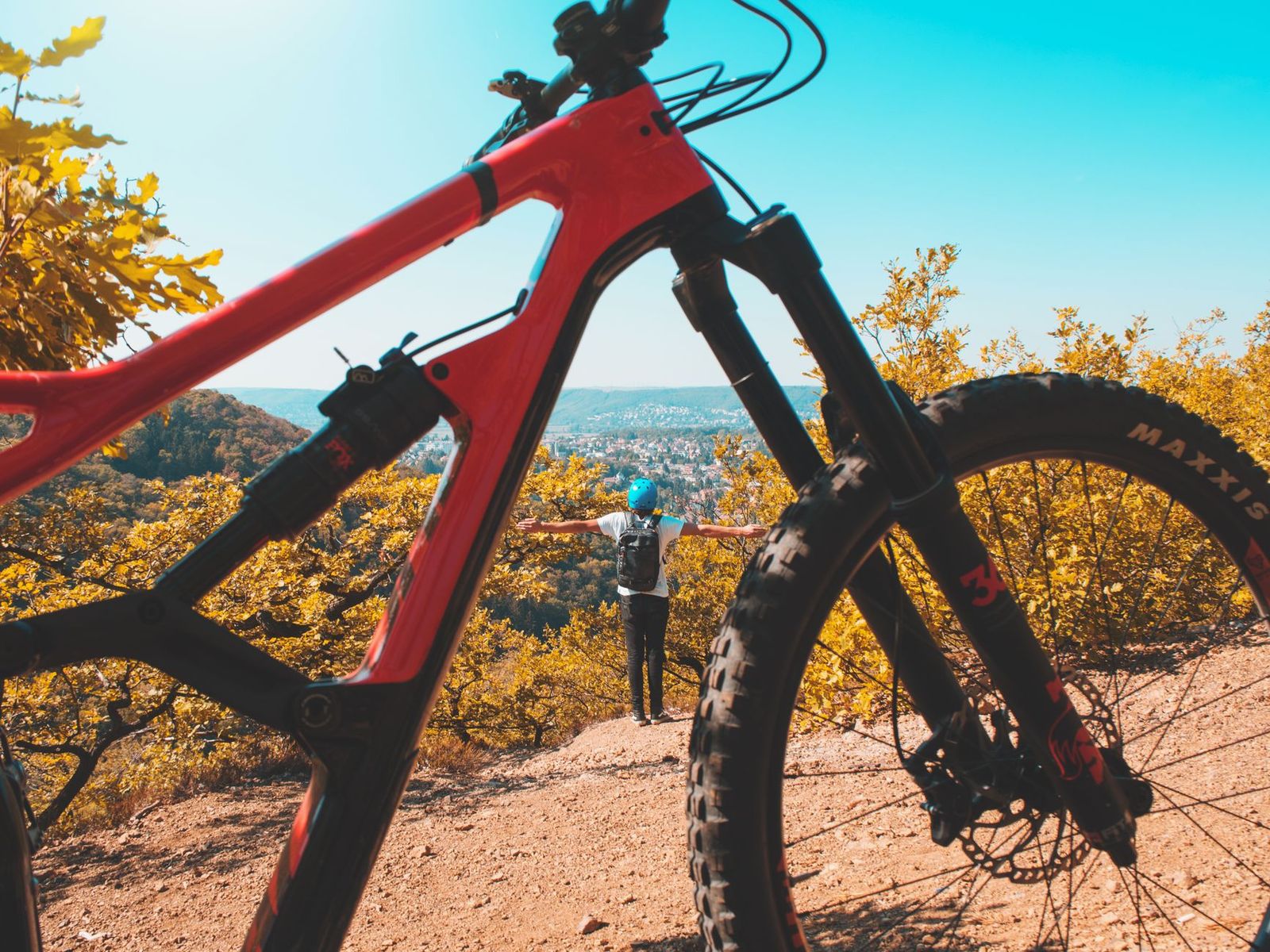
Six inches of suspension travel, roughly 150 mm, puts a mountain bike in serious trail and enduro territory, able to absorb rock gardens, drops, and steep rough descents. It also adds weight and cost, so buying this much travel without a plan wastes money and energy on climbs. This guide to the best 6 inch travel mountain bike options explains who this travel class suits and how to choose wisely.
You will learn how travel interacts with fit, gearing, brakes, and wheel size, plus what the three common buying paths trade off.
Our Top 3 Paths at a Glance
Best Overall Path
The overall path is a full suspension trail or light enduro bike with about 150 mm of travel at both ends, hydraulic disc brakes, a wide range 1x drivetrain, and a dropper seatpost included. It suits riders whose local trails mix long climbs with rough descents and who ride several times a month. Expect complete bikes around $2,500 to $4,500 in this class. The trade off is weight, since these bikes rarely dip below about 32 lb, so pure cross country speed is not their gift.
Best Value Path
The value path keeps the same travel and geometry but uses an aluminum frame, simpler suspension units, and mid tier brakes and wheels, often landing around $1,800 to $2,800. It fits progressing riders who want genuine long travel capability without paying for carbon. The smart move at this price is prioritizing brakes and the dropper post over drivetrain badges. What you surrender is suspension adjustability, because basic dampers offer fewer tuning dials for very rough or very fast riding.
Best for Beginners Path
A genuine beginner on a 150 mm bike should favor stable geometry, a low standover height, and forgiving brakes over low weight. This path often means an aluminum frame, suspension with simple setup guides, and tires with strong shoulder knobs for confidence in corners. Budget around $1,800 to $2,500 and reserve money for a quality helmet and pads. Be honest about your trails, because if your riding is smooth and flat, less travel will feel faster and teach skills sooner. Long travel forgives mistakes on descents but can mask poor technique.
How to Choose a Long Travel Mountain Bike: Buying Guide
Measuring for Size and Fit
Travel describes suspension movement, not bike size, so fit still starts with the frame size chart for your height and inseam. Reach, the horizontal distance from the bottom bracket to the head tube, is the key modern fit number, and long travel bikes run long reaches for downhill stability. Do not confuse travel with wheel diameter either. Riders researching wheel sizes for younger family members can see the guide to the best 24 inch mountain bike range, while this article stays with adult trail bikes. A parking lot ride tells you little, so favor shops that allow demo days on real trails.
Bike Type and Riding Style
Around 150 mm of travel defines the aggressive trail and enduro categories. Cross country bikes use about 100 to 120 mm and climb far better, while downhill bikes use about 200 mm and barely climb at all. Choose this class if your descents are steep, rocky, or full of roots and you accept slower, steadier climbing. Riders whose trails are mostly smooth singletrack will enjoy a shorter travel bike more. Be guided by the hardest trail you ride monthly, not the hardest you imagine riding once.
Weight and Components Upgrade Path
Expect about 31 to 36 lb for aluminum builds and a little less for carbon. Wheels and tires are the best first upgrade, because lighter rotating parts and proper tread change how the bike accelerates and grips more than any other swap. Suspension serviceability matters too, so favor forks and shocks with published service intervals and available spare parts. A frame with standard sized bearings and a threaded bottom bracket is easier and cheaper to keep quiet and smooth for years.
Motor, Battery, and Range for Electric Models
Electric versions of this travel class exist and use mid drive motors, which keep weight low and central and work with the bike gearing on steep climbs. Battery capacity around 500 to 750 Wh is typical, giving roughly 20 to 50 miles depending on assist level, rider weight, and climbing. Check local trail rules before buying, because many trail systems limit which electric classes may ride. Buy only systems with proper safety certification for the battery and charger, and charge at room temperature away from exits and bedding.
Drivetrain and Gearing
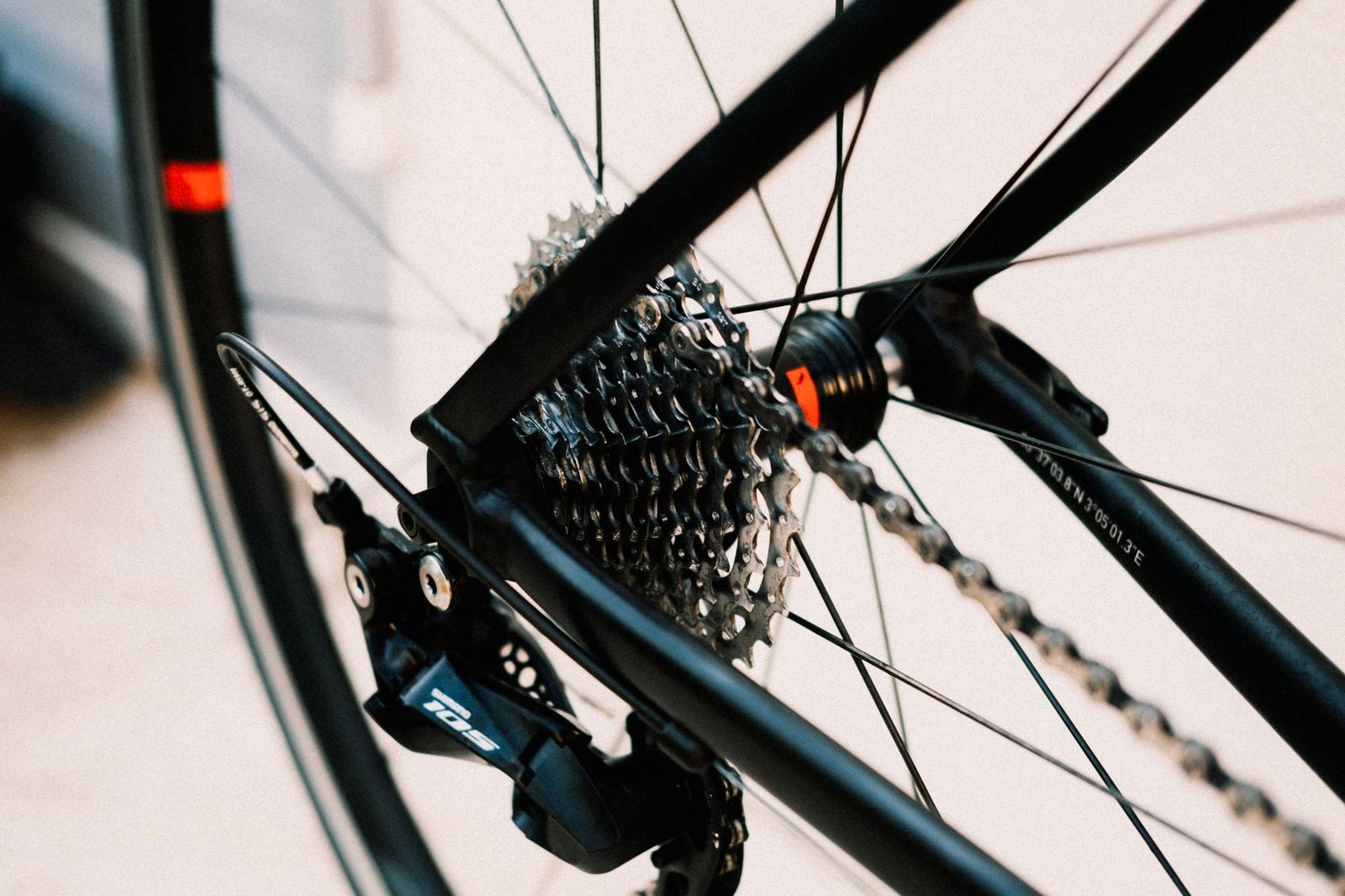
A modern 1x drivetrain with a single front chainring and a wide range cassette, commonly 10 to 52 teeth, is the standard for this class because it is simple and keeps the chain secure on rough ground. Lower climbing gears matter more here than top speed, since long travel bikes climb slowly by design. Electronic shifting is a luxury, while a clutch rear derailleur is a genuine need for chain control. Budget for chain and cassette replacement about once a season if you ride weekly in gritty conditions.
Suspension and Travel
At this travel level, full suspension is the whole point, with a fork near 150 to 160 mm and a rear shock giving about 140 to 155 mm. Set sag, the amount the suspension settles under your weight, near 25 to 30 percent as your starting point and adjust from there. Air shocks suit most riders because pressure changes tune them quickly. If you are still learning the categories, note that hardtails at any price cannot match this comfort on rough descents, though they remain lighter and simpler. Match travel to terrain, not ego.
Types of Long Travel Mountain Bikes
Road and Gravel Bikes
Road and gravel bikes appear in searches for this topic, but they share almost nothing with a 150 mm trail bike beyond two wheels. They use rigid frames, narrow tires, and drop bars for speed on pavement and smooth dirt. They are the right tool for distance on gentle surfaces and the wrong tool for rocky descents. If your riding mixes roads and light trails only, a gravel bike will feel faster and cost less than any bike in this guide.
Hardtail Mountain Bikes
A hardtail has front suspension only, usually 100 to 140 mm, and a rigid rear end. Hardtails are lighter, cheaper, and easier to maintain, and they teach smooth line choice because the rear wheel follows every bump. They suit smooth to moderate trails and riders on a budget. On the steep, broken terrain that justifies six inches of travel, a hardtail will feel harsh and tiring, no matter how skilled the rider is.
Commuter Electric Bikes
Commuter electric bikes use upright positions, road oriented tires, and small travel or none at all, built for pavement, racks, and lights. They are excellent daily transport and a poor substitute for a trail bike, because their wheels, brakes, and frames are not made for jumps or rock impacts. Treat the categories as separate purchases. A rider who needs both transport and trail fun is better served by one good trail bike and modest tires than by a commuter bike taken off road.
How to Make Your Mountain Bike Last Longer
- Check tire pressure before every ride, because long travel bikes rely on tire grip and low pressure invites rim damage on rocks.
- Clean and lube the chain every 100 to 200 miles, and more often after wet or dusty rides, to slow wear on the whole drivetrain.
- Have a professional tune up yearly, including suspension service at the hours the maker specifies, since seals and oil age even in storage.
- Charge electric bike batteries at room temperature with the certified charger supplied, and store them partly charged during winter months.
- Wash the bike gently with low pressure water, keeping jets away from bearings and suspension seals.
Riders who fly to ride should protect the investment in transit, and our guide to the best mountain bike travel bag options explains padding, wheel pockets, and size checks before a trip.
Frequently Asked Questions
How much should I spend on my first bike?
For a first long travel bike, around $1,800 to $2,800 buys an aluminum frame, trustworthy brakes, and suspension you can service for years. Spending less usually means weak brakes or a fork with little adjustment, which costs confidence on steep trails. Reserve about 10 percent of your budget for a helmet, pads, a pump, and basic tools. If that total stretches you, a shorter travel bike at the same money often rides better than a compromised long travel one.
What size bike do I need?
Start with the maker size chart using your height and inseam, then check reach against your arm length and riding style. Long legs with a short torso often suit sizing down for control, while downhill focused riders often size up for stability. Wheel size interacts with fit as well, and adults comparing formats can read the guide to the best 29 inch mountain bike range for rollover benefits, or the guide to the best 26 inch mountain bike models for the older nimble standard. When between sizes, the smaller frame is usually easier to handle.
How far can an electric bike go on one charge?
Most long travel electric models cover about 20 to 50 miles per charge, with steep climbing, high assist, and heavy riders at the low end. Eco modes and smooth pedaling stretch range, while turbo settings on big climbs drain a battery in under two hours. Plan rides around the low estimate and carry the charger on overnight trips. Battery range claims assume gentle conditions, so treat the biggest number on any listing as a best case rather than a promise.
Hardtail or full suspension for beginners?
For the terrain this travel class targets, full suspension is the right answer, because it keeps tires planted and reduces fatigue and mistakes on rough descents. A hardtail is a fine first bike for smooth trails and tighter budgets, and it builds skill quickly. The real beginner mistake is buying travel that does not match local trails in either direction. Match the bike to your actual riding, wear a properly fitted helmet on every ride, and build speed gradually as your control improves.
What electric bike class is legal where I live?
Rules vary by state, country, and even by trail system, so check both road law and land manager rules before you ride. In much of the United States, Class 1 pedal assist bikes with a top assisted speed of 20 mph are the most widely accepted on trails, while throttle equipped and faster classes face more limits. Private landowners and race organizers set their own rules too. When in doubt, ask the local trail association, because a short conversation prevents fines and trail access problems. Youth sizing questions belong with the guide to the best 20 inch mountain bike range rather than adult long travel models.
The Bottom Line
Choose by terrain first, fit second, and brakes third, and this travel class rewards you every ride. Aluminum value builds serve most riders, carbon and premium suspension serve racers and devoted riders. Always ride within your skill, scout new features on foot first, and wear a helmet that fits. Picked with that discipline, the best 6 inch travel mountain bike turns intimidating trails into the rides you plan your weekends around.