
Best 6 Cup Moka Pot: Buying Guide (2026)
Disclosure: We may earn a commission when you buy through links on this page, at no extra cost to you. As an Amazon Associate I earn from qualifying purchases. Learn more
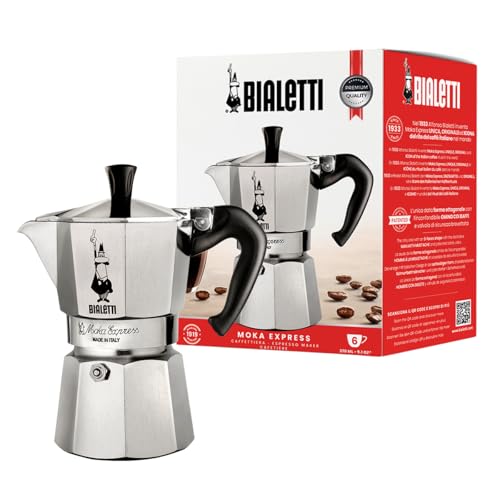
Aluminum, stainless or electric: how to pick a 6 cup moka pot that fits your stove, shelf and morning routine.
Morning coffee at home often has to suit more than one person, and it has to fit a real counter and a real routine. If you brew for two people who each want a generous mug, the best 6 cup moka pot gives you enough coffee in one brew without taking over the stove. The comparison table below sums up the main types so you can see the trade offs at a glance.
This guide focuses on fit for your home. You will learn how size, material, stove fit, and care needs change daily use, and where a broader guide to the best moka pot helps if you are weighing other sizes.
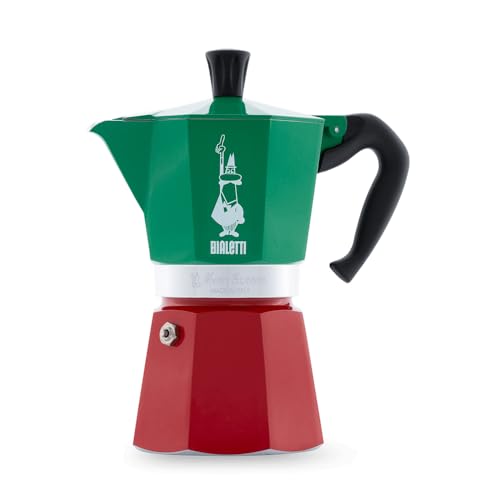
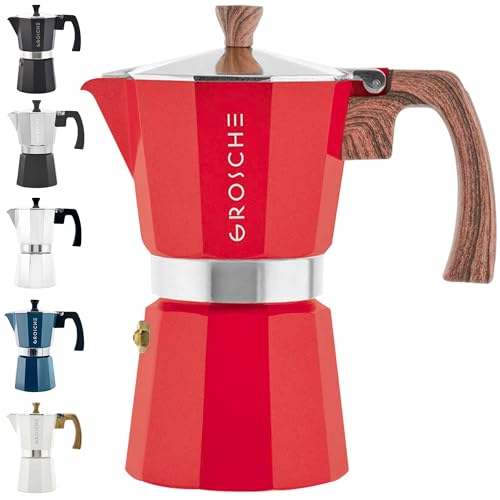


Quick Answer: Choosing a 6 Cup Style in 30 Seconds
A 6 cup moka pot brews about 9 to 12 ounces of strong coffee, because one moka cup is a small espresso style serving of about 2 ounces. That amount suits two large mugs when you add hot water or milk, or three to four small cups served straight.
- Classic aluminum: Light, affordable, and quick to heat on gas or electric coil stoves. It needs gentle washing and dry storage.
- Stainless steel: Heavier and often priced higher, but easier to wash.
- Induction ready or electric: Built for specific stoves or for brewing away from the stove, so check fit before you buy.
Start with your stove and your storage space.
Before You Buy: A Quick Checklist for Choosing a Moka Pot
Size: Match It to Your Space and Your Servings
Moka pot sizes are named by small cups, not by standard measuring cups, and that naming causes most sizing confusion. A 1 cup pot makes a single small serving, a 3 cup pot suits one person, and a 9 cup or 12 cup pot suits a larger group but needs a bigger burner and more storage height. A 6 cup pot sits in the middle. It fills a shared morning routine without forcing you to brew twice, and it still fits most burners and cabinet shelves.
Which Type Fits Your Routine
Aluminum pots heat fast and stay light to pour, but they should be washed by hand and dried well. Stainless steel pots feel solid, tolerate dish soap better, and suit homes that want low fuss care. Electric models plug in and brew on a counter, so they suit a dorm, office, or kitchen with no free burner. Induction models have a magnetic base for induction cooktops, and a standard aluminum pot will not heat on that surface at all.
Heat Control and Brew Temperature
A moka pot does not let you set a temperature the way an electric kettle does. Water in the lower chamber heats until steam pressure pushes it up through the ground coffee, and that process works best with steady medium heat. Heat that is too high can make the coffee taste harsh and the pot sputter. Heat that is too low can stall brewing and make the coffee weak. A thick base and a good seal help keep pressure steady.
Boiler, Filter Basket, and Gasket
Look at the parts you will handle daily. The lower boiler should have a clear fill line and a safety valve that sits free of scale and coffee residue. The filter basket should sit flat without warping. The rubber or silicone gasket forms the seal between chambers, and it is the part you will replace most often. A pot that uses a common gasket size saves money and hassle later, because spares are easy to find and you can swap the gasket at home with no tools.
Counter Footprint and Storage
Measure before you buy, because a 6 cup pot is taller than many shoppers expect once the lid and handle are counted. Check the height under your cabinets or on your cupboard shelf. The base diameter matters on the stove too. A base much smaller than the burner wastes heat, and a base that hangs over a gas burner can heat the handle. Leave room for the handle to stay clear of open flame.
Realistic Budget Ranges
Most basic aluminum 6 cup pots cost about $20 to $35, and that range buys a simple, proven design. Stainless steel models often cost about $35 to $60, with the extra money going to material, finish, and induction fit on some designs. Electric models often cost about $40 to $70 because they add a heating base and cord. Paying more should buy you a better seal, a sturdier handle, and easier spare parts, not decorative extras you will never use.
Types Compared for Daily Home Use
Classic Aluminum for Gas and Electric Coil Stoves
Classic aluminum is the original stovetop espresso maker style, and it remains the lightest option for a 6 cup size. It heats quickly, pours easily with one hand, and suits Cuban coffee and other strong, small servings at home. The trade off is care. Aluminum can discolor if you leave coffee sitting in it, and strong detergents can dull the surface. If you rinse, dry, and store the pot with the lid open, this type gives you the lowest cost.
Stainless Steel for Simple Care and a Solid Feel
Stainless steel pots weigh more, but many home users prefer the solid feel and the simpler washing routine. The surface resists staining, and the pot looks at home on an open shelf. Some stainless models also work on induction, while others do not, so the base matters more than the label on the box. If you want to compare material and base options in depth, see our guide to the best stainless steel moka pot before you decide.
Induction Ready and Electric Designs for Specific Setups
If you cook on induction, you need a base that a magnet will stick to, and you should confirm the minimum burner size for your cooktop. Our guide to the best induction moka pot explains base sizing for that stove type. Electric designs sit on a powered base and need no burner at all. That helps in a small apartment, and our guide to the best electric moka pot covers cord length and counter needs.
How to Evaluate a 6 Cup Moka Pot Without Guesswork
You can judge a pot in minutes if you know what to check. First, unscrew the chambers and look for smooth threads that turn without grit or wobble. Second, press the gasket with a fingertip. It should feel flexible, not hard or cracked. Third, set the empty pot on a flat surface and check that it sits level, because a warped base heats unevenly. Fourth, lift the pot by the handle. It should feel firmly attached, with no loose movement at the joint.
Finally, read the care and spare parts notes. A maker that lists gasket size and filter plate availability makes ownership easier. Vague notes and no listed spares are a warning sign.
Is a 6 Cup Moka Pot the Right Size for You?
Choose a 6 cup pot if you regularly brew for two people, or if one person drinks coffee more than once from a single brew and reheats or adds ice later. It also suits couples who use different amounts of milk, because the strong base coffee can be split and diluted to taste in each mug. For a single person who drinks one small cup each morning, a 3 cup pot will taste fresher and waste less coffee.
For four adults who all drink at the same time, a 6 cup pot will likely feel small. Think about your normal weekday, not a holiday gathering, when you choose. If you are new to the method, our guide on how to use a moka pot walks through grind size, fill level, and heat steps.
Common Mistakes to Avoid
- Buying by mug size: Shoppers assume 6 cups means six full mugs, then overfill the boiler to try to make more.
- Ignoring stove type: A standard aluminum pot bought for an induction cooktop will not heat at all.
- Packing the coffee down: Pressing ground coffee into the basket blocks water flow and makes the taste bitter.
- Leaving coffee in the pot: Old coffee stains the metal and leaves stale flavors.
- Skipping the fill line: Water filled above the safety valve stops the valve from working as it should.
- Storing the pot sealed while damp: A closed, damp pot can develop musty odors.
Cost of Ownership and Care
Running a moka pot costs very little beyond coffee and water. There are no paper filters to buy, and a stove uses only a few minutes of heat per brew. Your main ongoing costs are spare gaskets and, less often, a new filter plate. A gasket often costs under $10 for a pack, and you should keep one spare at home so a worn seal does not stop your routine.
For daily care, empty the grounds, rinse all parts with warm water, and dry them before you put the pot away. Leave the pot open so air can circulate. Our guide on how to clean a moka pot covers scale removal and gasket checks. Avoid putting an aluminum pot in a dishwasher, because harsh detergents can damage the finish.
FAQ
What makes a 6 cup moka pot reliable for daily use?
Reliability comes from build details, not from a name alone. Look for smooth threads, a flexible gasket, a safety valve that moves freely, and a handle that stays firmly fixed after many brews. A maker that sells spare gaskets in common sizes also helps, because you can restore a good seal at home instead of replacing the whole pot when coffee starts to leak.
How do you clean a 6 cup moka pot after each brew?
Let the pot cool, then unscrew it, knock out the grounds, and rinse each part with warm water. Check the filter plate holes for trapped grounds, because blocked holes change pressure on the next brew. Dry every part fully before storage. Once a month, inspect the gasket for cracks and run a brew with water only to clear residue from the valve area.
Is a 6 cup moka pot worth it for a small household?
Yes, if your household drinks strong coffee most days and wants to avoid pods or a large machine on the counter. The pot takes little space, uses no disposable filters, and makes a concentrated coffee you can serve straight or dilute for longer drinks. It is less worthwhile if you prefer mild drip coffee in large volumes, because you would need several brews to fill a carafe.
How long does a 6 cup moka pot last with regular use?
The metal body can last for many years if you dry it well and keep the handle clear of flame. The gasket is a wear part and often needs replacing once it hardens or stops sealing, which can show up as steam leaking from the side during brewing. Replacing that one part usually restores performance. A dropped pot with a dented rim is different, because a poor seal at the rim may not be fixable with a new gasket.
What size moka pot do you need for two people?
For two people who each drink a mug made with milk or added hot water, a 6 cup pot is usually the right fit, because the strong brew is meant to be diluted. If both of you drink only small straight servings, a 3 cup pot may be enough and will use less coffee per brew. Consider your mug size in ounces, not just the number of drinkers.
Can you make only half a brew in a 6 cup moka pot?
You can, but the result is often less consistent, because moka pots work best with the boiler and basket filled to their intended levels. A half filled basket lets water pass too quickly and the coffee can taste thin. A better approach is to brew the full pot and store the extra in the fridge for iced coffee later that day.
What should I check before buying the best 6 cup moka pot?
Confirm that the base suits your stove, especially for induction, and check that spare gaskets and filter plates are sold for the model. Material and care needs matter after that.
Final Thoughts
The right pot fits your stove, your shelves, and the number of cups your home drinks on a normal morning. Aluminum keeps cost and weight low, stainless steel simplifies washing, and induction ready or electric designs solve a specific stove or space problem. Use the product table above to compare base type, care needs, and footprint, and you will choose the best 6 cup moka pot for your home with confidence.


