
Best 3 Cup Moka Pots (2026): Stove Fit, Materials and Care
Disclosure: We may earn a commission when you buy through links on this page, at no extra cost to you. As an Amazon Associate I earn from qualifying purchases. Learn more
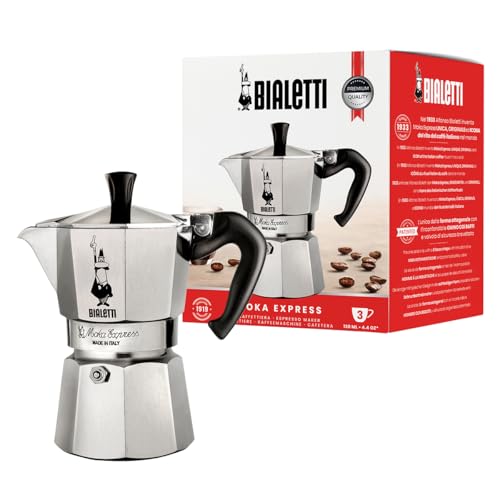
Choose the best 3 cup moka pot for your stove, with clear advice on aluminum, stainless steel and electric types.
A small kitchen with one or two coffee drinkers creates a very specific problem. A large brewer wastes coffee and counter space, yet a tiny one cup pot leaves a partner waiting for a second round. Choosing the best 3 cup moka pot solves that balance, and this guide helps you match the size to your household, your stove, and your budget. Start with the comparison table below, then use the checklist to narrow the type that fits your daily routine.
The 3 cup size brews a modest amount of strong coffee in a few minutes, stores in a small cabinet, and asks for no pods or paper filters. What separates one model from another is material, stove compatibility, gasket quality, and how easy the pot is to rinse and dry every day.

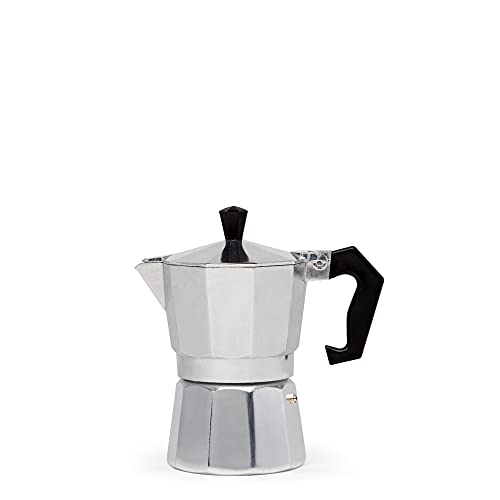


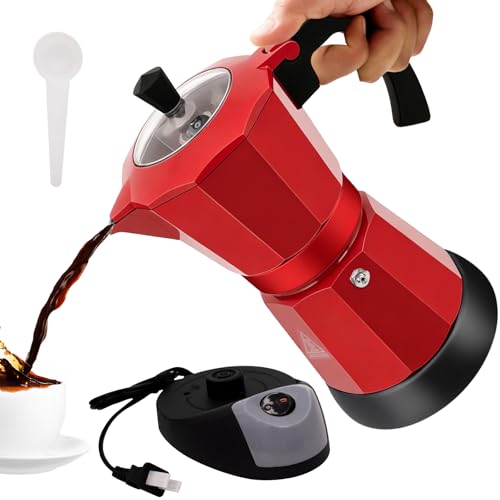


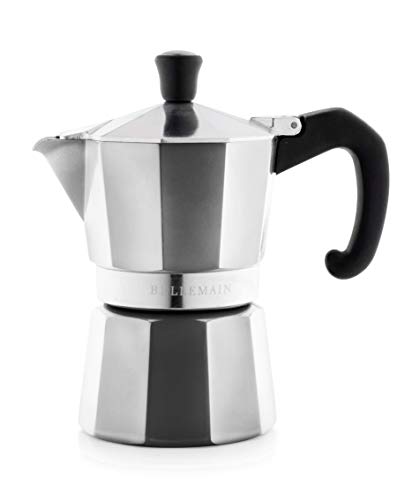


Quick Answer: The Types That Fit Real Homes
Think in types rather than in names. A classic aluminum pot suits a gas or electric coil stove and a tight budget. A stainless steel pot suits induction cooktops and buyers who want a tougher finish. An electric pot suits a dorm room or office corner where a free burner is hard to find. Each type brews the same small amount, so your stove and your cleaning habits should drive the choice.
One person who drinks a single strong cup, or two people who share small cups, will use this size daily without waste. A home that serves four or more drinkers at once will outgrow it quickly and should compare the wider range in our guide to the best moka pot sizes before deciding.
Before You Buy: A Quick Checklist for Choosing a Moka Pot
Work through these six checks first.
Size: Match It to Your Space
Moka pot cup counts measure small espresso style cups, not full mugs. A 1 cup pot brews a single shot sized serving, a 3 cup pot brews about 4 to 5 ounces, and 6, 9, and 12 cup pots climb from there for bigger households. Pick the 3 cup size when one or two people drink, when shelf space is tight, and when you would rather brew a fresh second round than reheat a large batch.
Which Type Fits Your Routine
Aluminum pots heat fast and cost least, but most cannot work on induction and they dislike soaking in soapy water. Stainless steel pots cost more, resist stains, and often work on induction, though they heat a little more slowly. Electric pots plug in and free up your stove, which helps in shared kitchens. If your mornings involve an induction cooktop, study the fit notes in our guide to the best induction moka pot before you buy.
Brew Temperature and Pressure Basics
A moka pot pushes hot water through ground coffee with steam pressure, and the water in the base passes the ideal brewing range of about 195 to 205 degrees Fahrenheit as it heats. You control the result with heat level and timing, not with a thermostat. Use medium heat, fill the base with hot water to shorten the time on the burner, and lift the pot off the heat as the flow turns pale. A certification badge matters far less here than a tight seal and steady heat.
Water Chamber, Filter Basket, and Gasket
Three parts do the daily work. The base holds water up to a small safety valve, the basket holds ground coffee without tamping, and a flat metal filter plus a rubber or silicone gasket seals the top chamber. Check that the gasket feels thick and flexible and that spares for the model are easy to find. A standard gasket size keeps the pot cheap to maintain, while an odd size can leave you hunting for parts within a year.
Counter Footprint and Storage
A 3 cup pot is small, but its handle and spout add width, and the two chambers unscrew to roughly double its height when taken apart for drying. Measure the shelf or cabinet where it will live, and picture it next to your kettle and grinder. If storage is your main concern, a compact stainless steel body stores well and pairs with the advice in our guide to the best stainless steel moka pot for narrow kitchens.
Realistic Budget Ranges
Most aluminum models cost under $30, and that buys a sound pot for daily use on gas or electric heat. Spending about $30 to $50 usually buys stainless steel, a heavier base, and a cooler handle. Electric models often cost about $40 to $70 because the heating base is built in. None of these tiers brews dramatically better coffee on its own. Spend extra for material and stove fit, not for decorative finishes.
Types Compared: Three Routes to the Same Small Brew
Since the output is nearly identical across types, compare how each one fits your stove, your sink, and your morning pace.
Aluminum Pots for Classic Stovetop Brewing
Aluminum is the traditional material, and it suits buyers who want the lowest price and the fastest heat up on a gas flame or an electric coil. The body is light, so a full pot is easy to lift and pour with one hand. The trade off is care. Aluminum can darken over time, it should be rinsed and dried by hand, and it will not work on induction without an adapter plate. For a first pot in a simple kitchen, this remains the sensible default.
Stainless Steel Pots for Durability and Induction
Stainless steel suits households that cook on induction and people who dislike the darkened interior that aluminum develops. The surface resists flavor carryover between brews, the exterior wipes clean with a cloth, and many models tolerate a gentle wash with mild soap. The pots feel heavier and cost more, and a thick base responds a little more slowly to heat changes. If your stove demands a magnetic base, this type earns its higher price.
Electric Pots for Simple Daily Routines
An electric moka pot carries its own heating base, so it brews on a counter, in a small office, or in a room with no stove at all. That freedom helps students and anyone whose burners are busy cooking breakfast. The costs are a cord to store, a base that must stay dry, and a price above most stovetop models. If that trade sounds right, compare the category in our guide to the best electric moka pot.
How to Judge the Best 3 Cup Moka Pots
This guide weighs five criteria drawn from maker specifications and patterns in verified buyer reviews. Brew quality comes first, meaning a seal that holds pressure without leaking or sputtering early. Next come ease of use and cleaning effort, including whether parts dry without trapping moisture. Build quality covers handle strength, thread smoothness, and gasket thickness. Temperature stability matters last, since steady heat depends as much on your stove habits as on the pot itself.
Is a 3 Cup Moka Pot the Right Size for You?
Answer three questions honestly. How many people drink coffee at the same time in your home? How strong do they like it? And how often do guests join you? One drinker who fills a mug will often add hot water or milk to a 3 cup brew, which stretches it nicely. Two drinkers who enjoy small strong cups can share one brew with nothing left over.
The size fails in two situations. A household of three or more daily drinkers will brew back to back rounds until the routine feels slow, and a person who drinks large mugs of mild coffee will find the output too concentrated without dilution. In both cases a 6 cup pot is the better tool. Moka coffee tastes best fresh, so two small rounds for guests usually beat one large round that sits and cools.
Common Buying Mistakes to Avoid
- Reading the cup count as full mugs, which leads buyers to expect far more coffee than a 3 cup pot can brew.
- Buying an aluminum pot for an induction stove, which leaves the pot unable to heat at all on that cooktop.
- Ignoring gasket size, which turns a cheap wear part into a hard search when the seal starts to leak.
- Paying for decorative finishes or gift packaging, which adds cost without changing the coffee in the cup.
- Choosing a larger pot to be safe, which wastes coffee on solo mornings and takes longer to brew.
Cost of Ownership and Care
Owning a moka pot costs very little beyond the purchase. There are no pods and no paper filters to restock. Your running costs are ground coffee, a replacement gasket every year or so with daily use at around a few dollars, and an occasional new filter plate if mineral deposits clog the holes. Energy use is minor because a small pot brews in about five minutes.
Daily care takes two minutes. Rinse each part in warm water, wipe away coffee oils with a soft cloth, and let the parts dry fully apart before you screw the pot back together. Trapped moisture dulls aluminum and can give the next brew a stale taste. If scale builds up, a soak in water with a little white vinegar loosens it. For the full routine, follow our guide on how to clean a moka pot.
Your Questions, Answered
What grind size works best in a 3 cup moka pot?
Use a medium fine grind, a little coarser than espresso but finer than drip coffee. Grounds that are too fine pack down, slow the flow, and push bitter flavors into the cup, while grounds that are too coarse let water rush through and taste weak. Buy coffee ground for moka pots if you have no grinder, and fill the basket loosely to the rim without pressing it down.
Can a 3 cup moka pot brew Cuban style coffee at home?
Yes, and the small size suits the style well because Cuban coffee is served in small cups. Brew as usual, then whip the first few drops of coffee with sugar until pale and frothy, and pour the rest of the brew over that foam. One 3 cup brew can serve three or four small servings at a gathering. Our walkthrough on how to use a moka pot covers the basic brew timing this method builds on.
Why does coffee from a 3 cup moka pot taste bitter?
Bitterness usually traces back to heat that stayed on too long. Once the upper chamber fills, extra minutes on the burner scorch the coffee and force steam through the grounds. Start with hot water in the base, keep the heat medium, and remove the pot as the stream turns light and begins to gurgle. Running the top chamber under cool water stops the brewing at once. Fresh beans also help, since stale coffee tastes harsh no matter how careful the timing is.
How long does a 3 cup moka pot last with daily use?
The metal body can last for many years because it has no motor, no electronics, and no pump to fail. The parts that wear are the gasket, which flattens and hardens with heat cycles, and the safety valve, which can clog with scale. Expect to swap the gasket about once a year with daily brewing. A pot that hisses steam from the side joint is asking for that new gasket, so check the seal before you replace the whole pot.
Is a 3 cup moka pot a good choice for camping trips?
It travels well because it is small, light in aluminum, and needs no electricity or filters. A camp stove with a stable grate handles the heating, and the pot packs inside a cooking kit with room to spare. Two points matter outdoors. The handle can get hot over an open flame, so keep it turned away from the fire, and wind can stretch the brew time, so a simple windscreen helps the pot heat evenly.
Final Thoughts
The right choice comes down to your stove and your household, not to a long feature list. Pick aluminum for value on gas or electric heat, stainless steel for induction, or an electric model when no burner is free. Any of them can be the best 3 cup moka pot for your home once the fit is right. Check the product table above before you order, and plan on a spare gasket so the pot stays in daily service for years.


