
Best 5x7 Component Speakers: Which One Fits the Way You Use It? (2026)
Disclosure: We may earn a commission when you buy through links on this page, at no extra cost to you. As an Amazon Associate I earn from qualifying purchases. Learn more

The best 5x7 component speakers matched to how you drive and listen: tweeters, crossovers, power and fit explained.
There is no single component speaker set that suits every driver, because a commuter who lives on podcasts needs something different from a hobbyist building a loud, detailed front stage. This guide sorts the best 5x7 component speakers by how you actually use your car, then explains the features that matter for each style of listening. A component set separates the woofer and tweeter and adds an external crossover, which raises sound quality but also raises install effort.
Find your driver profile first, then use the comparison table below to check real sets against it. Choosing by use case keeps you from paying for power handling you will never use, or skimping on the tweeter your music deserves.
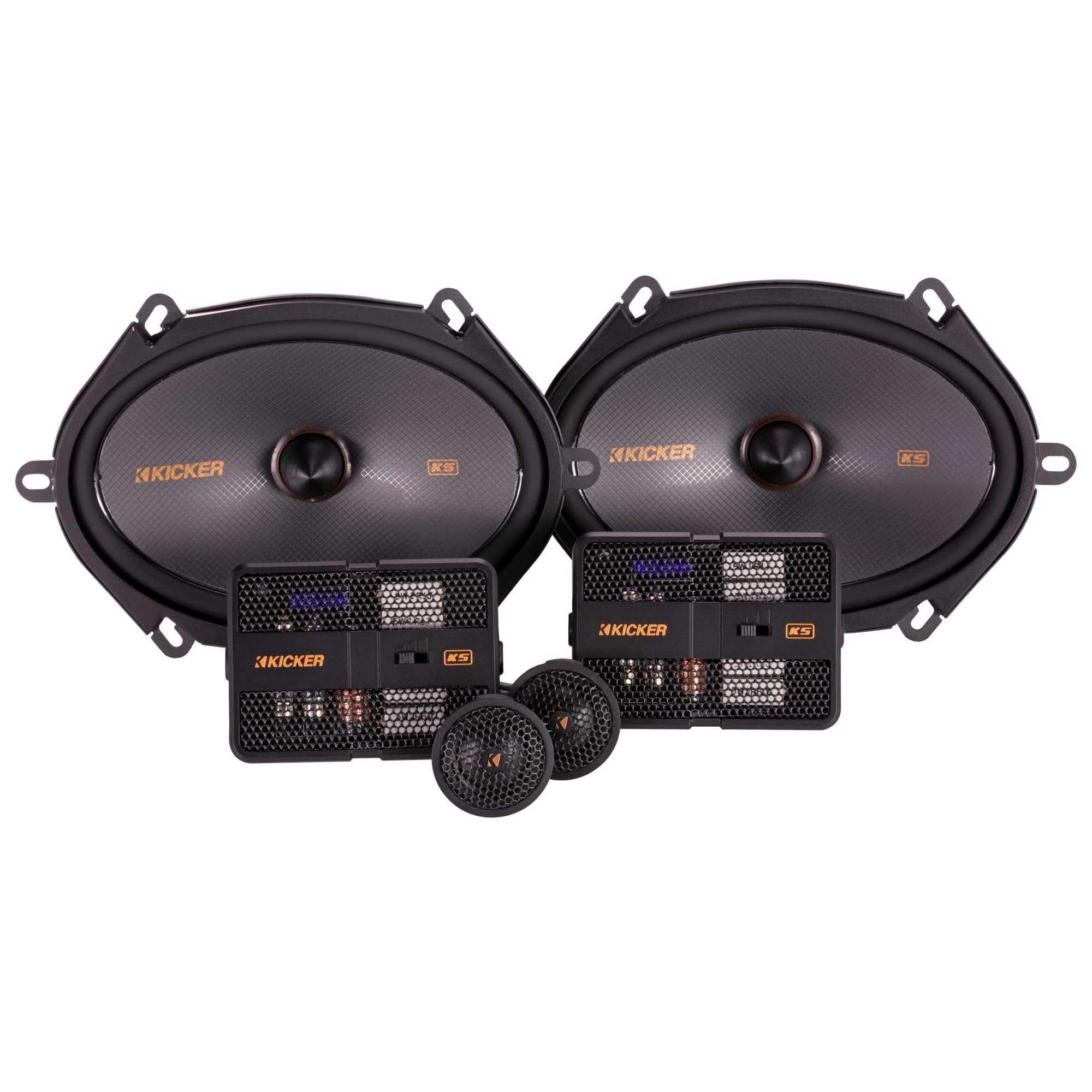


Who Should Buy Which 5x7 Component Speakers?
For Commuters and Everyday Drivers
If your seat time is mostly traffic, news, and playlists at moderate volume, prioritize high sensitivity and a smooth soft dome tweeter. Sensitivity near 90 decibels means your factory or basic aftermarket stereo drives the set easily, so voices stay clear without turning the volume knob far. Choose a set with a compact inline crossover rather than a large external box, because it tucks behind the door panel and keeps the install simple. You can skip very high power ratings, since clean and clear at normal volume is your goal, and spend the savings on sound deadening for the doors.
For Music Lovers Who Listen Loud
If you play detailed music at strong volume, prioritize power handling, a rigid woofer cone, and a crossover with real slope control. Look for RMS handling around 75 to 100 watts per side and plan a matching amplifier, because component tweeters and crossovers absorb power that a stereo alone struggles to supply. A metal or hard dome tweeter can give the extra sparkle and detail you want, though you should confirm your stereo has equalizer control to tame brightness. This profile benefits most from careful tweeter aiming, since loud listening exposes poor staging quickly.
For Callers and Podcast Listeners
If calls, audiobooks, and talk radio fill your drives, your priority is midrange clarity, because the human voice lives in the midrange. Choose a set whose crossover point and woofer design favor the vocal band, and mount the tweeters high on the door or dash so consonants stay crisp above road noise. A hands free microphone, if your stereo supports one, should be mounted near the visor and away from the tweeter to avoid feedback. You do not need huge power handling, but a modest amplifier can still help by keeping voices clean at freeway volume without strain.
For Road Trippers and Travelers
Long distance drivers should prioritize comfort of sound over hours, durability, and efficiency. A slightly warm tuning with a soft dome tweeter avoids listening fatigue on day long drives, and high sensitivity keeps the system relaxed at cruising volume. Choose materials that shrug off heat, such as rubber surrounds and treated cones, because a parked car in summer sun bakes door speakers. If your trips cross wet climates, sealed crossovers mounted inside the cabin rather than inside the wet door cavity will last longer and stay trouble free.
Key Features to Compare
Crossover Quality and Adjustment
The crossover is the traffic controller that sends lows to the woofer and highs to the tweeter, and it shapes the sound more than any single driver. Better sets use larger external crossovers with steeper slopes, which protect the tweeter and clean up the handoff between drivers. Many offer tweeter level adjustment, often 0, minus 2, or minus 4 decibels, so you can calm a bright install without an equalizer. If you plan to run an amplifier with active crossovers later, confirm the set allows that wiring, because some crossovers are designed only for passive use with the included network.
Tweeter Placement and Materials
Separate tweeters are the whole point of a component set, because raising them toward ear level lifts the sound stage off the floor. Surface mount pods angle easily toward the listener, flush mounts look cleaner but need a hole cut, and factory tweeter locations in the sail panel or A pillar are ideal when they exist. Silk domes sound smooth and forgiving, aluminum and titanium domes sound vivid and detailed, and larger domes usually play lower, easing the crossover handoff. Before cutting anything, try positions with temporary tape and a familiar song, since two inches of movement can change the result.
Woofer Materials and Power Handling
The woofer handles bass, mid bass, and most of the midrange, so its cone material sets the character of the set. Polypropylene cones are light, stiff, and immune to door moisture, woven glass fiber or carbon style cones add stiffness for tighter bass, and treated paper cones can sound natural in the midrange. Match RMS handling to your power source with headroom to spare, and remember that an underpowered set driven into distortion fails sooner than a well fed set playing cleanly. A cast or sturdy stamped basket and a rubber surround round out a woofer built to last, a theme our guide to the best sounding component speakers returns to often.
Sensitivity and Amplifier Match
Sensitivity tells you how much sound you get for each watt, and component sets often rate a little lower than coaxial sets because their crossovers consume some power. If you run stereo power only, stay near 90 decibels sensitivity and keep expectations modest at high volume. If you add an amplifier of about 50 to 75 watts RMS per channel, sensitivity matters less and you gain control, punch, and cleaner highs. Either way, set the amplifier gain correctly with tuning tones or a meter, because gain is not a volume knob and setting it too high adds distortion that damages tweeters first.
Fit and Installation Needs
Component installs ask more of you than coaxial swaps, since you must mount tweeters, place crossovers, and run extra wire through the door boot. Confirm woofer depth and magnet clearance just as you would with any 5x7, then plan crossover placement inside the cabin side of the vapor barrier where it stays dry. Budget two to four hours for a careful first install, or price professional labor before you buy. Owners comparing vehicle specific options can cross check fit notes in our guide to the best component speakers for car, and general sound notes in the best 5x7 car speakers overview.
Common Mistakes to Avoid When Buying 5x7 Component Speakers
- Buying only on price. The cheapest sets often skimp on the crossover, which is the part that shapes the sound most.
- Ignoring your power source. A low sensitivity set on a weak factory stereo sounds quiet and dull, no matter how premium the drivers are.
- Mounting tweeters without a trial fit. Cutting holes before a tape trial locks in a position you may not like.
- Putting crossovers inside the wet door. Doors channel rain past the window seal, so cabin side placement protects the electronics.
- Skipping the warranty check. Component sets cost more, so confirm coverage length and keep proof of purchase, advice that also applies when comparing the best 6x9 component speakers for a rear stage.
Tips to Get the Most From Your 5x7 Component Speaker
Seal the woofer to the door with foam gasket tape and add a sound deadening sheet on the door skin behind it, because a firm, sealed mount deepens bass more than a small power upgrade. Aim both tweeters at the opposite listener rather than straight across, then use the crossover tweeter level switch before reaching for tone controls. Recheck mounting screws after the first month, since new installs settle. Keep grilles free of dust with a soft brush, and if one side ever sounds dull, swap the crossover outputs to learn whether the driver or the network is at fault before buying parts. Detailed listeners can compare tuning approaches in our notes on the best sounding 5x7 speakers.
5x7 Component Speakers: Your Questions Answered
Are 5x7 component speakers worth it over coaxial speakers?
Yes, if you care about sound staging and clarity, because the raised tweeter places voices and instruments at dash height instead of at your ankles. The gain is largest in cars with good tweeter locations and some amplifier power. If your budget is tight and your stereo is basic, a quality coaxial set may satisfy you for less money and far less install time.
How much power do 5x7 component speakers need?
Most sets sound good on about 25 to 75 watts RMS per channel, with high sensitivity models working acceptably on stereo power alone. Check the rated RMS range and stay inside it, favoring clean power over maximum power. If your stereo lists only peak watts, assume roughly a quarter of that figure is its real continuous output.
Where should I mount the tweeters in a 5x7 component setup?
The sail panel at the top front corner of the door is the most popular spot, because it sits near ear level and aims across the cabin. A pillar and dash corner mounts also work well. Avoid placing tweeters low beside the woofer, since that wastes the main advantage of a component set, and always try positions with tape before drilling.
Can I install 5x7 component speakers myself?
Yes, with basic tools, patience, and a free afternoon, most owners can complete the job. The extra steps beyond a coaxial swap are tweeter mounting, crossover placement, and running short wire runs through the door. If your car has door airbags or a premium factory amplifier you cannot identify, professional installation is the safer choice.
Do 5x7 component speakers need a subwoofer?
Not for satisfying everyday listening, since a well mounted 5x7 woofer covers bass down to roughly 55 to 65Hz in most doors. A subwoofer adds the lowest octave that door speakers cannot reproduce and relieves them of deep bass duty, which cleans up the midrange. Add one later if you want full range sound, and set the crossover so each driver does the job it handles best.
Our Verdict
Start from your profile, not from a spec sheet. Commuters and callers should buy sensitivity and smooth tweeters, loud listeners should buy power handling and crossover control, and travelers should buy durability and easygoing tuning. Confirm fit, plan the tweeter position, and compare your shortlist with the product table above. Chosen that way, the best 5x7 component speakers for you will match your car, your power, and your ears the first time, with no parts left over and no second purchase needed.


