Best 50 Bottle Wine Cooler: Buying Guide (2026)
Disclosure: We may earn a commission when you buy through links on this page, at no extra cost to you. As an Amazon Associate I earn from qualifying purchases. Learn more

Dual zone, single zone or built in: how to match a 50 bottle wine cooler to your niche, bottles and running costs.
Maybe your collection started with a few bottles on a kitchen counter, then grew into a case in a closet and a few prized bottles you keep moving away from heat and light. That is the point where the best 50 bottle wine cooler starts to make sense for a household. This guide helps you choose by room layout, household size, and budget, and the comparison table below sums up the main configurations to consider.
This article compares the types of 50 bottle coolers that fit real homes. If you want the broader category view first, see our guide to the best wine cooler before you narrow in on this size.


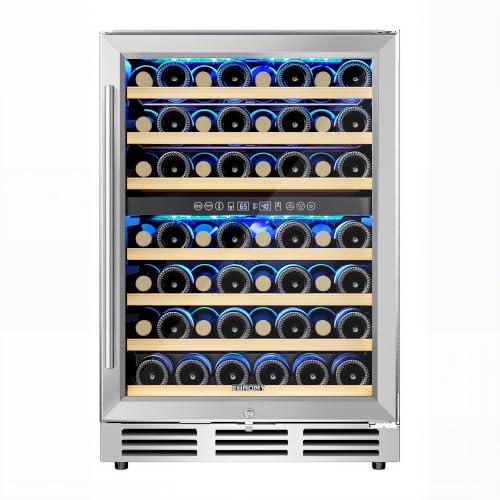
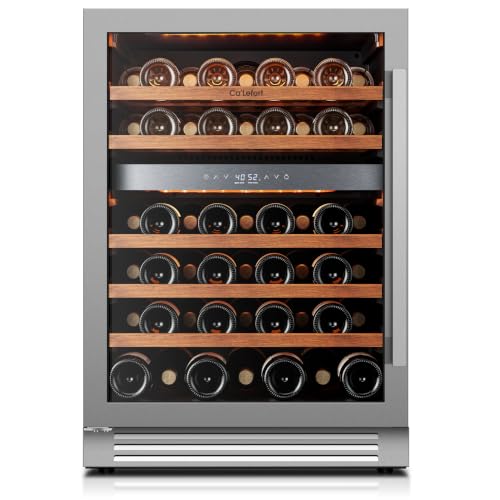


Quick Answer: Which Configuration Fits Your Home
Start with configuration, not capacity, because two coolers with the same bottle rating can suit very different rooms. Use this summary to find your lane, then work through the checklist below for the details that confirm the fit.
- Most homes: a dual zone compressor cooler, freestanding or built in, if you store both reds and whites for more than a few weeks.
- Budget friendly: a single zone compressor cooler if most of your bottles are one style and one storage temperature works for all of them.
- Long term kitchens: a built in dual zone cooler with sturdy shelves and a replaceable carbon filter if the unit will live in cabinetry for years.
Before You Buy: A Quick Checklist for Choosing a Wine Cooler
Capacity is only the headline number. The checks below decide whether a 50 bottle cooler works in your space and on your budget.
Size: Match It to Your Space
Most coolers in this class are about 24 inches wide, though some trade width for height in a slimmer cabinet. The rated count assumes standard Bordeaux style bottles, so wider bottles for sparkling wine or pinot noir take more room and lower the real total. Check shelf spacing and whether a shelf removes without tools, because that flexibility decides how many of your actual bottles fit. Count the bottles you own now, then add what you expect to buy this year.
Which Type Fits Your Routine
Placement and temperature zones shape daily use more than any display feature. Built in models vent at the front, while freestanding models need open air around the sides and back to release heat. If you cellar reds and pour whites in the same week, our guide to the best dual zone wine cooler explains the two temperature approach in depth. Still unsure about placement? Read the comparison of built in vs freestanding wine fridge designs before you commit to a spot.
Features Worth It, and Ones to Skip
A few features earn their cost in daily use. A lock matters if children or guests can open the door freely, LED lighting adds visibility without much heat, and a reversible door helps when the only good spot opens from the other side. Wooden shelves cradle bottles and slide smoothly. You can usually skip color changing lights, phone apps, and extra display screens, since none of them keep wine steadier or make bottles easier to reach.
Wattage, Power and Energy Use
Compressor models cycle on and off, so the watt rating on the label is a peak figure, not a constant draw. To estimate running cost, find the annual kilowatt hour figure in the listing or manual and multiply it by your local electricity rate. Placement changes that total, because a cooler in a hot garage runs longer cycles than one in a cool room. For the trade off between cooling systems, see compressor vs thermoelectric wine cooler.
Safety Features and Certifications
Look for a UL or ETL listing, which means the electrical design was checked against a recognized safety standard. Use a grounded outlet, keep the cord away from heat and foot traffic, and never run the cooler on a damaged cord. If the cooler trips a breaker, smells hot, or stops holding temperature, unplug it and call a qualified technician rather than opening the sealed cooling system yourself.
Counter Space and Dimensions
Measure the niche three ways, width, height, and depth, and write the numbers down before you shop. Add the door swing to the depth figure, since a door that cannot open fully makes lower shelves hard to load. For a kitchen run, our guide to the best undercounter wine cooler covers standard cabinet openings in detail. Follow the clearance distances in the manual for your chosen type, and confirm the outlet sits within easy cord reach.
Realistic Budget Ranges
Expect basic single zone freestanding models under $300, with fewer shelves and simpler controls. The range of about $300 to $600 is where dual zone layouts and better shelving become common. From about $600 to $1,000 you are mostly paying for built in venting, quieter operation, and stronger fit and finish. Above about $1,000, and up to about $2,000, the gains are cabinet grade looks and finer temperature control.
Types Compared: Three Ways to Configure a 50 Bottle Cooler
With no single configuration right for every home, compare the three types below against your room, your bottles, and how long you plan to keep the unit.
For Most Homes: A Dual Zone Compressor Cooler
This is the flexible default for households that drink both colors of wine. One zone holds reds a little warmer while the other keeps whites ready to pour, and a compressor handles warm rooms better than a thermoelectric system can. Choose it if your collection mixes everyday bottles with a few you hold for months. The trade off is price and a little more fan noise than a single zone unit.
On a Budget: A Single Zone Compressor Cooler
If nearly all your bottles are red, or nearly all are white, one zone set to a single storage temperature does the job for less money. Freestanding versions are the simplest to place, since you only need floor space, airflow, and an outlet. This type suits a dining room corner, a home office, or a finished basement bar.
For Long Term Kitchens: A Built In Dual Zone Cooler
For a kitchen you plan to keep for years, a built in dual zone model gives a finished look and front venting that works inside cabinetry. Prioritize shelves that glide without flexing under a full load, a carbon filter you can replace, and clear warranty terms for the compressor. This type costs the most and rewards careful measuring, because swapping a built in unit later is far more work than moving a freestanding one.
How to Compare 50 Bottle Wine Coolers
Sort models by the factors in the checklist above, using maker specifications, manual details such as clearance and filter schedules, and patterns in verified owner feedback about noise and shelf fit. A model is a strong candidate when its stated capacity matches real bottle shapes, its controls hold a steady setting, and its warranty terms are plain about parts and labor.
Is a 50 Bottle Wine Cooler the Right Size for You?
This size fits a household that buys by the case a few times a year, keeps perhaps 20 to 30 bottles on hand, and wants room for a dinner party surge without stacking bottles in a warm closet.
It is more than you need if you finish bottles within a week or two of buying them, because a smaller cooler costs less to run and takes less floor space. It is too small if you are aging reds for several years or collecting by the case each season, since a full unit leaves no room to organize by year or style.
Common Buying Mistakes to Avoid
- Trusting the headline count: assuming 50 wide bottles will fit leads to a shelf removed on day one and a real capacity well below the rating.
- Blocking the vents: pushing a freestanding cooler tight into cabinetry traps heat, so the compressor runs longer and the temperature drifts.
- Skipping the door swing check: a door that hits a counter edge or a wall makes the bottom shelves nearly unusable.
- Paying for zones you will not use: buying two zones for a one style collection adds cost and controls with no benefit to the wine.
- Ignoring the noise rating: placing a louder unit beside a bedroom or a quiet living room turns a small hum into a daily annoyance.
Cost of Ownership and Care
Beyond the purchase price, budget for electricity each year and replacement carbon filters if your model uses one. Our overview of how to use a wine cooler covers loading patterns and first settings that help any new unit settle in. Filters on many models are due every three to six months, so check the manual for your unit and note the date on a calendar.
Care is simple but steady. Keep the unit level so the door seals evenly, brush dust from the rear coils or intake grille a few times a year so heat can escape, and press the door gasket along its full length now and then to feel for gaps or tears. A gasket that no longer seals lets warm air in, which raises running costs long before the wine itself suffers.
Your Questions, Answered
What makes a 50 bottle wine cooler reliable?
Reliability shows up as steady temperatures after the door has been opened several times, a compressor that cycles calmly instead of running without pause, and controls that return to your setting after a power cut. Read what the warranty covers and whether service is local, because plain, generous warranty terms usually mark the safer long term bet.
How do you clean a 50 bottle wine cooler?
Unplug the unit, remove the bottles and shelves, and wash the shelves and interior walls with warm water and a small amount of mild soap. Rinse with a damp cloth, then dry every surface fully before reloading, because leftover moisture feeds odor and mold. Wipe inside the folds of the door gasket, where spills collect unnoticed, and never use abrasive pads or bleach inside the cabinet.
Is a 50 bottle wine cooler worth it?
It is worth it if the value of the wine you store at home regularly exceeds the cost of the cooler, or if you have lost bottles to a hot room or a bright window. A kitchen refrigerator is too cold and too dry for holding wine beyond a few days. If you only keep two or three bottles at a time, that money is better spent on the wine itself.
How long does a 50 bottle wine cooler last?
Many units serve for about a decade, with the actual span set by placement, ventilation, and how hard the compressor works each day. Treat drifting temperatures, ice building on the back wall, or a compressor that rarely rests as signs the unit is near the end, even if it still feels cold. At that point, compare repair cost with replacement cost before paying for a major cooling repair.
What size wine cooler do I need for weekly wine drinking?
If you open two or three bottles a week and buy in small batches, your standing stock is what matters, not your yearly total. Count the bottles you like to keep ready, add a buffer for guests, and pick the size that holds that number without crowding. Many weekly drinkers keep 25 to 40 bottles on hand, which is exactly the working range of this size.
What is the best 50 bottle wine cooler?
The best choice is the configuration that fits your niche, your bottle shapes, and the styles you pour most often, rather than the one with the longest feature list. Before ordering, confirm the delivery path into the room, because these units are heavy and awkward on stairs. A generous return window helps, since shelf fit and noise are only clear once the cooler is loaded and running at home.
Final Thoughts
Match the configuration to your home first, then let capacity and budget settle the rest. A dual zone compressor cooler serves most mixed collections, a single zone model keeps costs down for one style drinkers, and a built in unit earns its price in a kitchen built to last. Use the product table above to compare the best 50 bottle wine cooler options for your space, and measure once more before anything ships.