Best 5 Speed Hand Mixer: Buying Guide (2026)
Disclosure: We may earn a commission when you buy through links on this page, at no extra cost to you. As an Amazon Associate I earn from qualifying purchases. Learn more
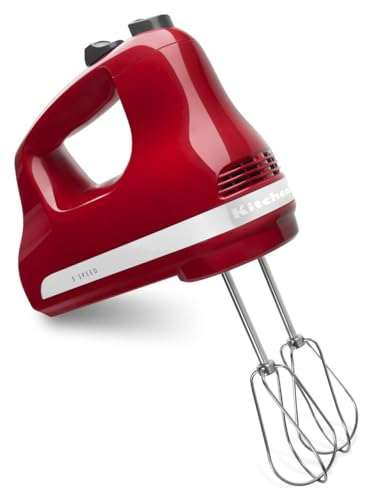
Compact, value or upgrade type: how to match a 5 speed hand mixer to your baking habits, drawer space and budget.
Picture a weeknight dinner where the potatoes are boiled, the gravy is on, and you still need whipped cream for dessert. A bulky stand mixer feels like too much machine for jobs like these, yet a fork and tired arms are not the answer either. The best 5 speed hand mixer sits in that sweet middle ground: small enough for a drawer, strong enough for everyday baking, and simple enough that anyone in the house can use it.
This guide helps you choose by the things that actually shape daily life at home: how much counter and drawer space you have, how many people you cook for, and what your budget allows. The comparison table below sums up the main types, and the checklist that follows explains what each feature means in practice.



Quick Answer: What a 5 Speed Hand Mixer Does Best
Five speeds cover nearly every job a home cook asks of a hand mixer. The lowest settings fold in flour and stir chunky batters without spraying the counter, the middle settings handle cake mixes and cookie dough, and the top setting whips cream and egg whites to firm peaks. You give up the extra gears found on models with seven or nine speeds, but for most homes that trade is barely noticeable.
If you bake once or twice a week for a household of two to six people, this is the class to shop in. For the broader category, our guide to the best hand mixer compares models across every speed count and style.
Before You Buy: A Quick Checklist for Choosing a Hand Mixer
Which Type Fits Your Routine
Start with how you actually cook. A standard corded 5 speed model suits most homes because it never needs charging and holds steady power through thick batter. A cordless or rechargeable model frees you from the outlet, which helps in small kitchens with awkward socket placement, though you trade some strength. Lightweight models, usually under two pounds, suit anyone who finds longer mixing sessions tiring. Digital controls give precise speed readouts, while a simple slide switch is easier to use with floury hands.
Features Worth It (and Ones to Skip)
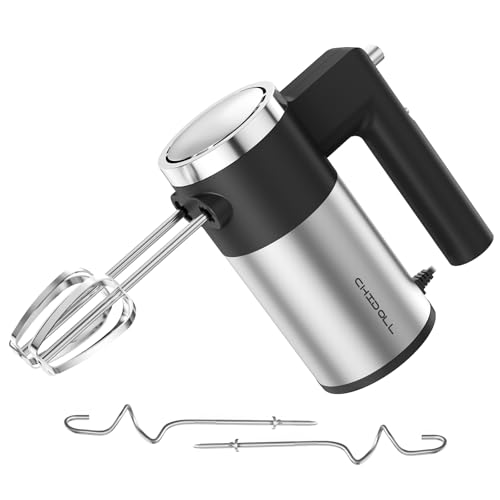
Three attachments earn their keep. Standard beaters handle most batters and frostings. A whisk attachment whips cream and eggs faster and with more volume than beaters alone. Dough hooks help with small batches of bread or pizza dough, though a hand mixer is not built for large or stiff loaves. A storage case that holds the attachments and the mixer itself keeps a drawer tidy and stops beaters from vanishing. You can safely skip burst buttons that add a brief surge of power, since the top speed already covers that need, and decorative finishes that raise the price without changing performance.
Wattage, Power, and Energy Use
Most 5 speed hand mixers draw about 60 to 250 watts, and the number on the box can mislead you. Some listings quote peak wattage, the brief maximum the motor can reach, rather than the steady power it delivers while mixing. Torque and beater design matter more than the headline figure, since a well designed pair of beaters moves through dough with less strain. Energy use is minor either way, because a mixer runs for minutes at a time.
Safety Features and Certifications
Look for a UL or ETL mark on the box or product page, which shows the appliance was reviewed by an independent safety body against United States safety standards. A resting heel lets the mixer sit upright between steps, so batter coated beaters stay off the counter. An eject button that releases attachments without your fingers near the beater shafts is worth having, and a swivel cord reduces tugging that can pull a bowl toward the edge. Keep the motor body away from sink water, and unplug before changing attachments.
Counter Space and Dimensions
A typical 5 speed hand mixer measures about 8 to 9 inches long and 3 to 4 inches wide, roughly the footprint of a paperback book. That size matters in apartments, dorms, and RV kitchens where drawer space is scarce. Measure your drawer depth before ordering if you plan to store the mixer with attachments fitted, because beaters add several inches. Models with a snap on storage case stand neatly in a cabinet instead.
Realistic Budget Ranges
Under about $25, expect a basic corded mixer with beaters only, a lighter motor, and a shorter cord, which suits occasional baking and small households. Between about $25 and $50, you gain stronger motors, a whisk and dough hooks, quieter running, and better built cases. Under about $100, the top of this class adds soft grip handles, smoother starting speeds, and longer warranties. Spending beyond that usually buys extra speeds or a stand mixer instead.
Three Types of 5 Speed Hand Mixers Compared
The Compact Everyday Type
This is the default choice for most homes: a corded mixer with beaters and a whisk, a weight near two pounds, and enough power for cakes, brownies, and mashed potatoes. It stores in a drawer, washes up in minutes, and costs in the middle range described above. Choose it if you bake a few times a month and want one tool that covers birthdays, holiday sides, and weekend pancakes without fuss. It is also the easiest type for older kids and less confident cooks to handle safely.
The Value Type for Tight Budgets
Value models trim the extras to keep the price low. You usually get beaters only, a basic slide control, and a lighter body that can feel less steady in thick dough. For light jobs such as boxed mixes, scrambled eggs, and whipped toppings, that is plenty. This type makes sense for a first apartment, a vacation home, or a backup mixer kept at a relative's house. Just check the cord length before buying, since short cords are a common cost cut and can limit where you can work.
The Upgrade Type for Frequent Bakers
If you bake weekly, the upgrade type repays its higher price through comfort and control. Expect a gentle starting speed that keeps flour in the bowl, a soft grip handle, dough hooks for small loaves, and a storage case included rather than sold separately. Motors in this group hold their speed better under load, so cookie dough mixes evenly instead of slowing midway. Readers comparing models mainly for baking projects will find more detail in our guide to the best hand mixer for baking, which focuses on flour handling and bowl technique.
What to Look For in a 5 Speed Hand Mixer
A few factors decide whether a mixer stays in your kitchen or gets returned. Look at how the lowest speed behaves with loose flour, how steadily the motor holds pace in thick dough, how loud it runs at full speed, and how the grip feels after several minutes of use. Also weigh cleaning effort, attachment quality, storage design, warranty length, and safety certification, using manufacturer specifications and verified buyer reviews as your sources.
What Five Speeds Do Well, and Where They Fall Short
Five speeds hit the practical middle of the hand mixer market. Compared with three speed models, you gain a gentler low gear and a stronger top gear, which matters with whipped cream and stiff frosting. Compared with seven or nine speed models, you lose some fine steps between settings, but you also pay less and face a simpler control.
The honest limit is workload. A 5 speed hand mixer handles cookie dough in standard batches well, and our guide to the best hand mixer for cookie dough explains batch size and technique in depth. Large double batches and heavy bread dough will strain the motor, heat the body, and shorten its life. If that is your weekly routine, a stand mixer or a higher wattage model is the better tool.
Common Buying Mistakes to Avoid
- Judging by wattage alone: peak wattage figures flatter weak motors, so a high number can still leave you with a mixer that slows down in real dough.
- Ignoring storage until delivery day: a mixer that fits no drawer and has no case ends up buried in a cabinet and rarely used.
- Paying for speeds you will never use: extra settings beyond five help only if you regularly make delicate foams or very stiff doughs.
- Skipping the certification check: an unlisted model without a UL or ETL mark has not had the independent safety review you should expect from a kitchen appliance.
- Forgetting cordless trade offs: a cordless model bought for a heavy baking routine can run low mid recipe, as the options in our guide to the best cordless hand mixer make clear.
Cost of Ownership and Care
Ownership costs stay low with this appliance. Electricity for a few minutes of mixing costs next to nothing, and there are no filters or consumable parts to replace. The realistic expenses are replacement beaters if a set bends or rusts, which run about $10 to $20, and a storage case if your model did not include one. Wipe the motor body with a damp cloth, never submerge it, and wash attachments in warm soapy water. For step by step detail, see our guide on how to clean a hand mixer. Store the cord loosely coiled rather than wrapped tight around the body, since tight wrapping stresses the cord where it enters the housing.
Your Questions, Answered
Is a hand mixer worth it if you already own a stand mixer?
For many homes, yes. A hand mixer comes out for small and quick jobs where hauling out a stand mixer feels excessive: whipping a cup of cream, mashing potatoes right in the pot, or mixing a single batch of muffins. It also reaches into bowls and pans that a stand mixer cannot use. Most cooks find the small tool earns its drawer.
How long does a 5 speed hand mixer usually last?
With weekly home use and basic care, a decent model typically serves about five to ten years. Longevity depends mostly on load: motors that regularly strain through oversized dough batches wear out sooner, while mixers used for batters and creams last far longer. Warning signs of wear include a burning smell, speed settings that stop responding, and beaters that wobble in their sockets. At that point replacement is safer and usually cheaper than repair for this appliance class.
How do you clean a hand mixer without damaging it?
Eject the beaters first and wash them separately with warm soapy water, then dry them fully so the shafts do not rust. Wipe the body with a slightly damp cloth and keep water away from the vents and the cord entry point. Rinse sticky frosting off the beaters soon after use, before it hardens. Our walkthrough on how to use a hand mixer covers safe handling habits that also make cleaning easier.
Are 5 speed hand mixers strong enough for bread dough?
They can handle small, soft doughs with their dough hooks, such as a single loaf of enriched dough or a batch of pizza dough, as long as you keep the speed low and the batch modest. Stiff, low hydration doughs can overheat the motor. Knead in short bursts, let the motor rest, and finish by hand if the dough resists.
What should you check first if a hand mixer feels weak?
Start with the load rather than the motor. A bowl filled beyond the beaters forces the motor to work far harder than designed, so split the batch in half and try again. Check also that both beaters are fully clicked into their sockets, since a half seated beater drags and rattles. If the mixer still slows on light batter at top speed, the motor itself is likely worn, and no attachment change will fix that.
What should the best 5 speed hand mixer include?
Look for a smooth low speed, two beaters, a whisk or dough hooks if you bake bread, a heel rest and a cord long enough for your outlet. Those basics matter more than a long accessory list.
Final Thoughts
The right choice comes down to your home: the compact everyday type suits most kitchens, the value type covers light baking on a small budget, and the upgrade type rewards people who bake every week. Whichever direction you lean, the best 5 speed hand mixer for you is the one whose size, attachments, and strength match the food you actually make. Use the product table above to compare the main types side by side, then check the current price and certification details on the product page before ordering.