
Best 4x10 Speakers: Fit, Sensitivity and Install Guide
Disclosure: We may earn a commission when you buy through links on this page, at no extra cost to you. As an Amazon Associate I earn from qualifying purchases. Learn more

Measure first, then compare sensitivity and power to find the best 4x10 speakers for your car or truck.
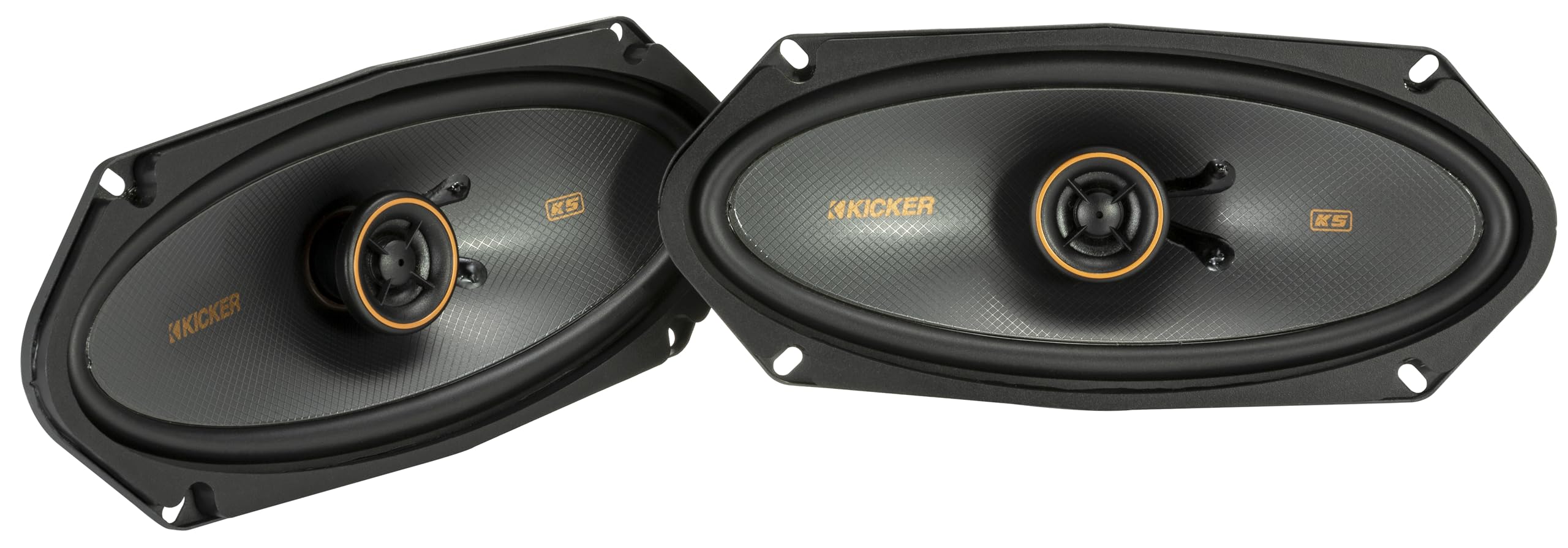
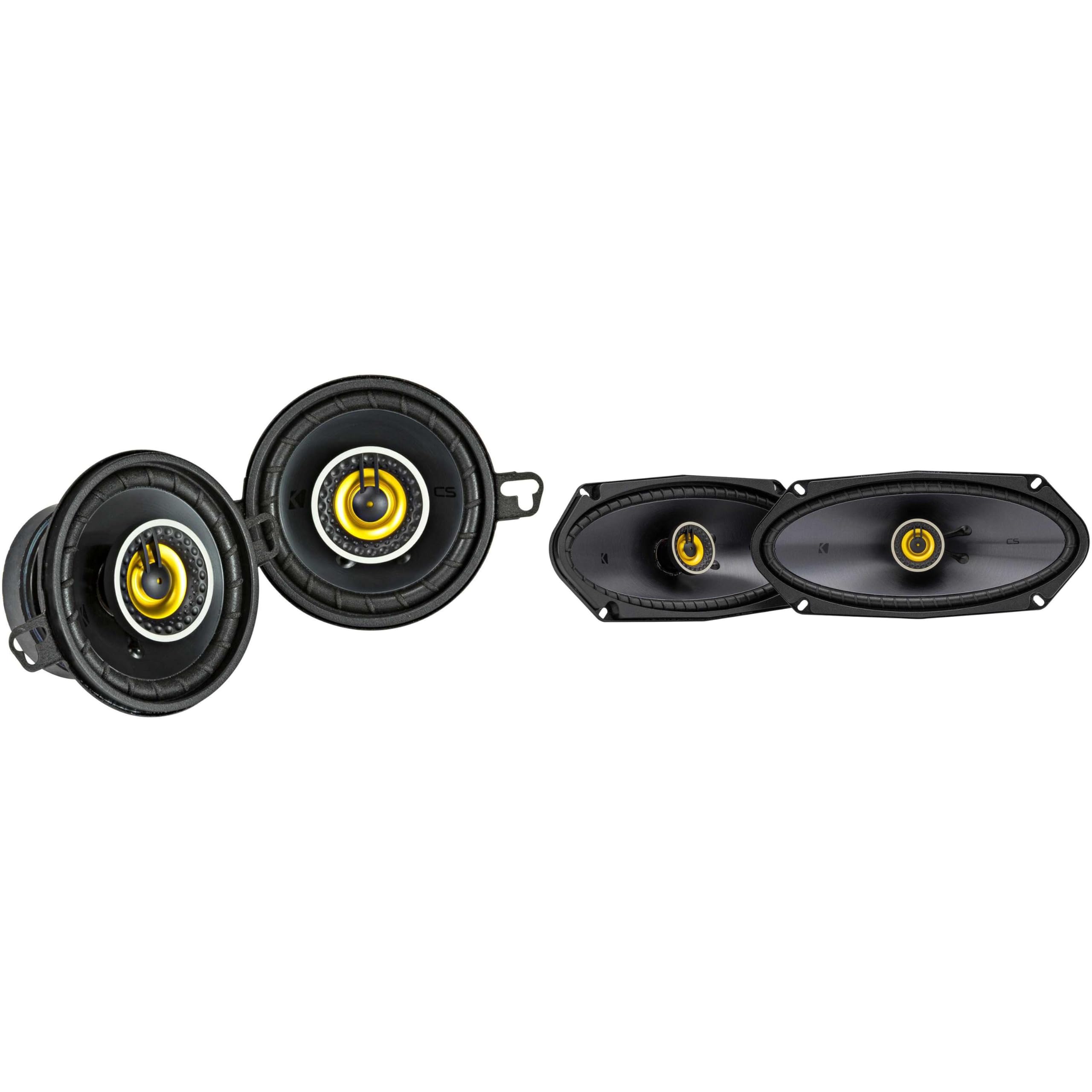
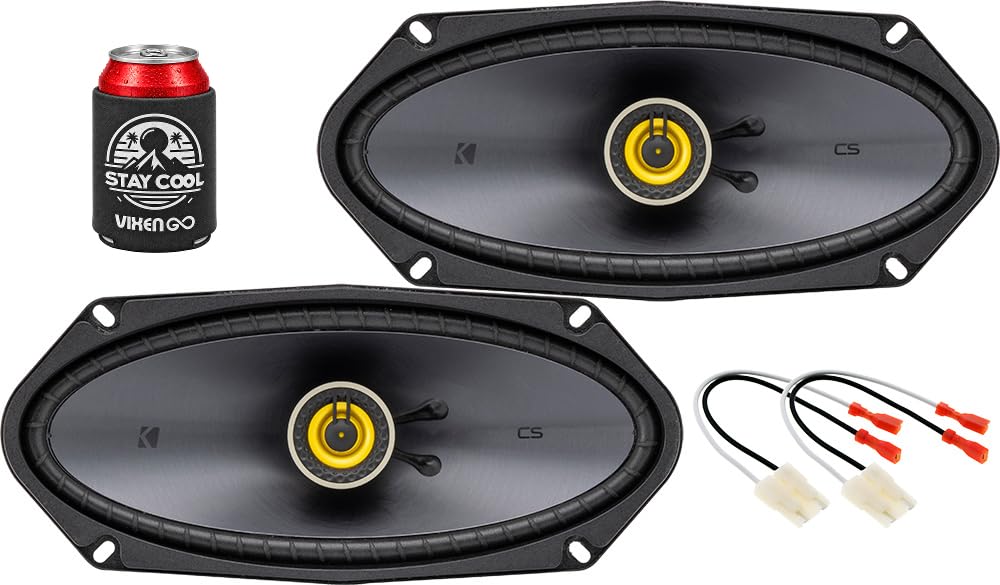
A 4x10 speaker is an oval driver about four inches wide and ten inches long, found in the rear decks, dashboards, and doors of many older American cars and trucks. Because the size is uncommon today, choosing among the best 4x10 speakers is mostly about fit and realistic expectations. A new pair can bring back clear vocals, but only if it fits the opening and suits your stereo.
Use the product table below to compare power handling and sensitivity, then use the checks here to confirm that a pair will fit your vehicle and play well from your radio.




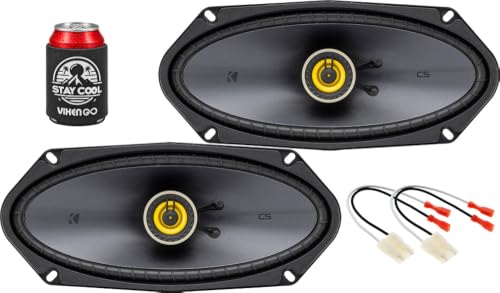
Who Needs 4x10 Speakers
The natural buyer owns a vehicle with factory 4x10 openings and speakers that sound dull, crackly, or dead. Classic truck and car owners often meet this size on the rear shelf or in the dash. A direct fit pair restores clarity without cutting panels. Buyers who want a simple upgrade with a factory radio also fit this size, provided the speakers are sensitive enough to play loudly on low power.
Measure Before You Buy the Best 4x10 Speakers
Nominal size is only the start. Measure the cutout, the mounting depth, and the clearance behind the panel. Magnet and basket depth vary a lot, and a speaker that fits the hole can still hit a brace or a window track. Check the screw pattern too: slotted or offset holes may need adapter plates, which add height.
Also check the space in front of the speaker. A raised tweeter or a deep surround can press on a grille and buzz. Take a photo of the opening and note its depth, then compare these numbers with the speaker dimensions on the listing.
Speaker Types
Coaxial Two Way
These mount a tweeter in front of the woofer, and they are the most common 4x10 design. They are simple to fit and work well in rear decks and doors.
Three Way and Triaxial
These add a second small tweeter or a midrange. They can sound brighter, and the claimed power is often large. Check the sensitivity rather than the peak wattage, because small oval drivers cannot move as much air as the number suggests.
Vehicle Specific Kits
Some makers sell kits sized for a particular truck or SUV, with the right mounting brackets or harness. They save time and remove fit guesswork, but they cost a little more.
Power Handling and Sensitivity
Power handling tells you how much amplifier power a speaker accepts. Sensitivity tells you how loud it plays from a given power. A factory radio is modest, so choose a high sensitivity pair, ideally 90 dB or more. If you add an amplifier later, look at the continuous (RMS) rating rather than the peak figure.
Sound and Bass Limits
A 4x10 oval can deliver clear voices and instruments with some mid bass. It cannot reproduce deep bass, so do not expect it to shake the car. Add a subwoofer if low end matters. Avoid heavy bass boost on the radio, which can distort a small driver quickly. A soft dome tweeter sounds smoother on long drives, while a harder tweeter can tire your ears.
Matching Speakers to Your Radio
Most factory radios put out only a few watts per channel. At that level a speaker with high sensitivity plays louder and sounds fuller than one with a bigger power rating but lower sensitivity. If your stereo has a built in amplifier of about 15 to 20 watts per channel, any pair with an RMS rating from 10 to 40 watts will be safe. Check the impedance too: most car speakers are 4 ohms, and older radios expect that value.
If you plan to add an amplifier later, buy a pair with a higher RMS rating now so you do not have to replace it. If you will keep the stock radio, favor sensitivity and a smooth tweeter.
Installation Basics
Disconnect the battery before you wire. Keep polarity consistent: a speaker wired out of phase sounds thin and loses bass. Use proper connectors instead of twisted wire, and tie wiring away from moving parts. Test the speakers before you put panels back on, and fix rattles with foam tape or a better mount while the trim is off.
Care and Long Term Use
Speakers in a rear deck face sun and heat, which dry out foam surrounds over time. Park in shade when you can, and check the surround and cone for cracks once a year. Keep wiring away from moving parts such as window tracks, and check connectors for corrosion if you drive in wet or salty areas. A quick listen after a winter or a long summer will catch problems early.
Mistakes to Avoid
Ordering by nominal size alone is the biggest mistake. Expecting deep bass from an oval driver is another. Mixing a very bright front pair with a dull rear pair makes the sound lopsided, so aim for similar sensitivity and tone. Keep your original speakers until the new pair proves itself.
Frequently Asked Questions
Where do 4x10 speakers usually fit?
They fit oval openings in some car and truck rear decks, dashboards, and doors. Measure your opening, depth, and screw pattern because nominal size does not guarantee fit.
Do 4x10 speakers need an amplifier?
No. A sensitive pair can sound good from a factory radio. An amplifier adds headroom and clarity, but it is not required for a simple upgrade.
How much bass can a 4x10 speaker produce?
Expect clear mid bass but not deep low end. Add a subwoofer if you want strong bass.
Can I mix 4x10 rear speakers with round front speakers?
Yes, many cars do this. Aim for similar tone and sensitivity, and adjust balance and fade to even out the sound.
How do I avoid buzzing after installation?
Check grille clearance, secure the mounts, and test before you reassemble trim. Foam tape stops most panel rattles.
Final Thoughts
A good 4x10 upgrade starts with measuring, not a spec sheet. Compare the best 4x10 speakers in the product table above, check depth and screw pattern, and choose a sensitive pair for your radio. If you want a related guide, see the best 4x10 car speakers.


