Best 4x10 Car Speakers 2026: A Complete Buying Guide
Disclosure: We may earn a commission when you buy through links on this page, at no extra cost to you. As an Amazon Associate I earn from qualifying purchases. Learn more

How to choose best 4x10 car speakers: compare the main types and key features, match size and performance to your space, and set a budget before you order.
Shopping for best 4x10 car speakers is easier once you separate size, power handling, and mounting, because those three facts filter most options quickly. The comparison table below gathers the main options, and this guide explains what each specification means in a real vehicle.
A 4x10 speaker is an oval size found in some older cars and trucks, often in the rear deck, and finding a good fit matters more than chasing exotic features.





The Basics
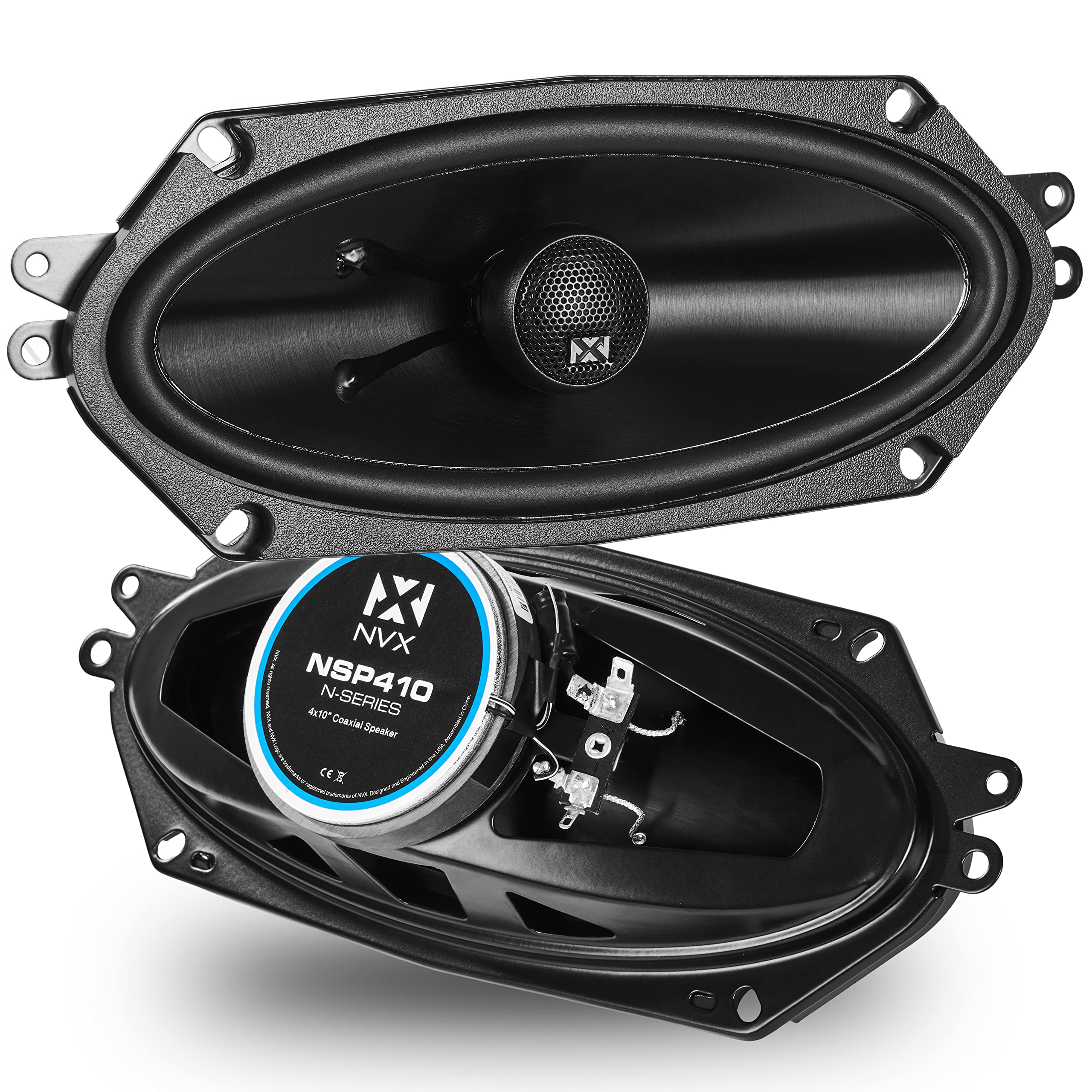
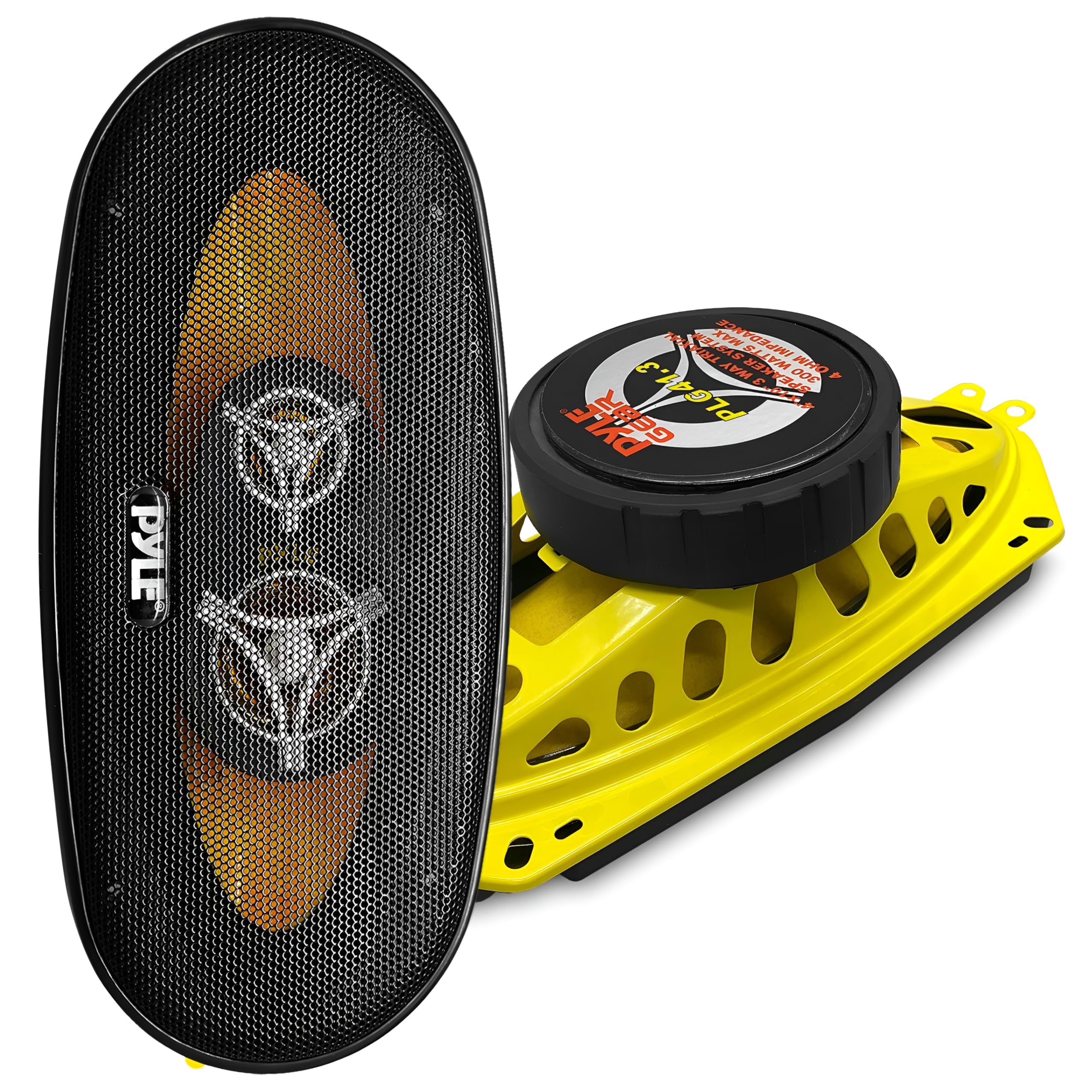
A 4x10 speaker measures roughly 4 inches by 10 inches, and it was common in American cars and trucks where a wide, shallow opening suited the rear deck. Because the size is less common today, check availability and mounting depth before falling in love with a particular model.
Oval speakers can sound uneven if poorly designed, so look for a well braced cone and a tweeter that blends smoothly. In many cars, a 4x10 upgrade still beats a tired factory speaker clearly, especially for vocals and midrange clarity.
Types Compared
There is no single type that suits every car, so start by matching the type to the job you actually need done. Speaker designs differ in how they split sound, and the right design depends on your system and your ears.
Coaxial Speakers
Coaxial speakers mount the tweeter in the center of the woofer, giving a simple drop in upgrade for factory locations. They suit most buyers, because installation is straightforward and sound improves clearly over worn factory speakers.
Component Speakers
Component speakers separate the woofer and tweeter with a crossover, giving better imaging and detail. They need more installation work and often an amplifier, but they reward careful fitting with a wider, clearer soundstage.
Speakers with an Amplifier
Adding an amplifier gives speakers clean power, tighter bass, and less distortion at higher volume. If your head unit alone sounds thin or strained, an amplifier often improves sound more than a speaker swap alone.
Key Features to Compare
Once you know the type, the features below decide how happy you will be after the first month. These specifications matter more than brand badges when you compare speakers.
Power Handling
Match RMS power handling to your amplifier or head unit, not to peak numbers, which exaggerate. A speaker rated well above your amplifier stays safe, while a speaker rated far below it risks damage when you turn up the volume.
Sensitivity
Sensitivity shows how loud a speaker plays from a given power, and higher sensitivity helps modest head units sound fuller. For factory head units, sensitivity matters more than maximum power handling.
Materials and Durability
Polypropylene cones resist moisture, rubber surrounds last longer than foam, and silk tweeters sound smooth while metal tweeters sound brighter. Choose materials that suit your climate and your listening taste.
Frequency Response
A wide frequency range hints at bass and treble reach, but the numbers alone do not guarantee pleasant sound. Use them to compare similar speakers, then trust listening impressions and reviews from owners with similar vehicles.
Sound Character and Bass Limits
A 4x10 oval driver gives useful midrange and upper bass, but it cannot move as much air as a larger speaker. Expect clear vocals and instruments, with modest bass that suits rock, country and talk radio well. Deep bass needs a subwoofer, and pushing a small oval driver with heavy bass boost leads to distortion. A soft dome tweeter sounds smoother on long drives, while a harder tweeter sounds brighter and can tire your ears over an hour.
Size, Fit, and Compatibility
Measure the opening, the mounting depth, and the screw pattern, and compare them with the speaker guide, because 4x10 openings vary. Check clearance behind the panel for magnets and wiring, and confirm that the grille or panel cover fits over the new speaker. If an adapter plate is needed, include it in the budget.
Common Mistakes to Avoid
The most common mistake is ordering by size name alone without checking depth and screw pattern. Another mistake is ignoring power matching, which can leave speakers quiet or damaged. Finally, do not forget the front speakers, because rear only upgrades leave the soundstage behind you.
Who Should Buy the Best 4x10 Car Speakers
A 4x10 speaker suits owners of older cars and trucks keeping factory locations, and anyone wanting a simple rear speaker upgrade. It is a weaker choice if you are building a full custom system, where round components and a subwoofer usually give better sound. For a faithful restoration, though, the factory size keeps the car original.
Budget and Long Term Value
Prices range from about $40 to $200 per pair, with the middle buying better materials and smoother tweeters. An amplifier adds cost but improves clarity, so budget for one if your head unit sounds strained. Keep a little aside for adapters, wiring, and sound deadening if panels rattle.
Installation Basics
Disconnect the battery before wiring, and keep polarity consistent so the speakers stay in phase. Out of phase speakers sound thin and lose bass, which is a common do it yourself error. Use proper connectors instead of twisting wires, and route wiring away from moving parts and sharp edges. Play varied music and listen for buzzing against grilles before you reassemble the panels, and fix rattles with foam tape while the trim is still off.
Care and Everyday Use
Keep grilles clear, avoid poking cones during loading, and check connections if a speaker crackles, because vibration loosens terminals over time. Clean dust gently, and protect rear deck speakers from heavy objects that can dent cones. If sound distorts, reduce bass boost before assuming the speaker has failed.
Related Guides Worth Reading
To compare neighboring sizes and styles, read our guides to the best sounding car speakers, the best car stereo speakers and the best car radio speakers. If you want deeper bass than a small oval can give, see our guide to the best sub speakers for car.
Frequently Asked Questions
Will 4x10 speakers fit my car?
They fit if your opening matches the 4x10 size and the mounting depth clears behind the panel. Measure the opening, depth, and screw pattern, and compare with the speaker guide. Adapter plates can solve small mismatches, but large depth problems need a different speaker.
Are oval speakers worse than round speakers?
Not necessarily, because a well designed oval speaker sounds smooth and clear, while a poor round speaker sounds harsh. Design quality matters more than shape. Listen to reviews from owners with similar cars, and prioritize smooth vocals over shape debates.
Do I need an amplifier for 4x10 speakers?
Not always, because many 4x10 speakers run well on a decent head unit, especially at moderate volume. An amplifier helps if sound distorts at higher volume or bass feels thin. Start with the speakers, then add an amplifier if the sound still feels strained.
Can I mix 4x10 rear speakers with round front speakers?
Yes, mixing sizes is normal, because front and rear speakers serve different roles. Keep the front speakers as the main soundstage and use rears for fill, so the sound does not pull backwards. Balance the fader slightly forward for the most natural result.
Why do my new speakers sound quiet?
Quiet sound often means a wiring polarity mistake, a low sensitivity speaker on a weak head unit, or a head unit setting that limits output. Check wiring polarity, raise the volume carefully, and confirm the head unit is not set to a low power mode. If problems persist, check connections behind the panel.
Final Thoughts
The right speaker is the one that fits your vehicle, matches your system, and sounds clear on your everyday drives.
Check size, power, and mounting, compare the product table above, and choose best 4x10 car speakers that you will enjoy for years.