Best 4WD Lawn Mowers: Buying Guide for 2026
Disclosure: We may earn a commission when you buy through links on this page, at no extra cost to you. As an Amazon Associate I earn from qualifying purchases. Learn more

Compare the best 4wd lawn mowers by drive system, deck, and slope handling, with price bands and plain buying advice for hilly or muddy yards.
Wet grass on a slope is where ordinary mowers give up: one drive wheel spins and you end up pushing a machine that was supposed to pull itself. Four wheel drive solves that by sending power to every wheel, so the mower keeps climbing and tracking straight. This guide explains how to choose the best 4wd lawn mowers for your terrain and budget.
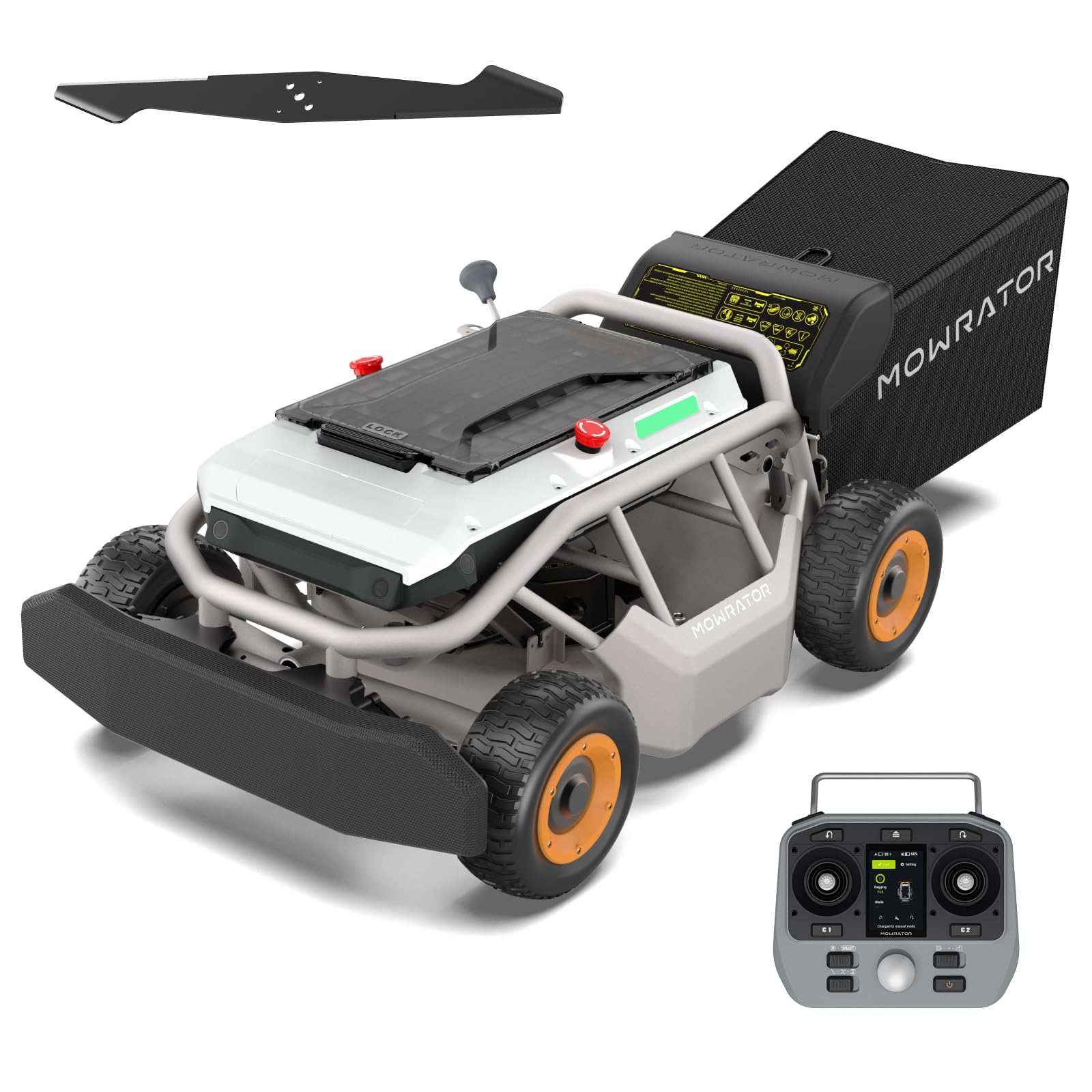
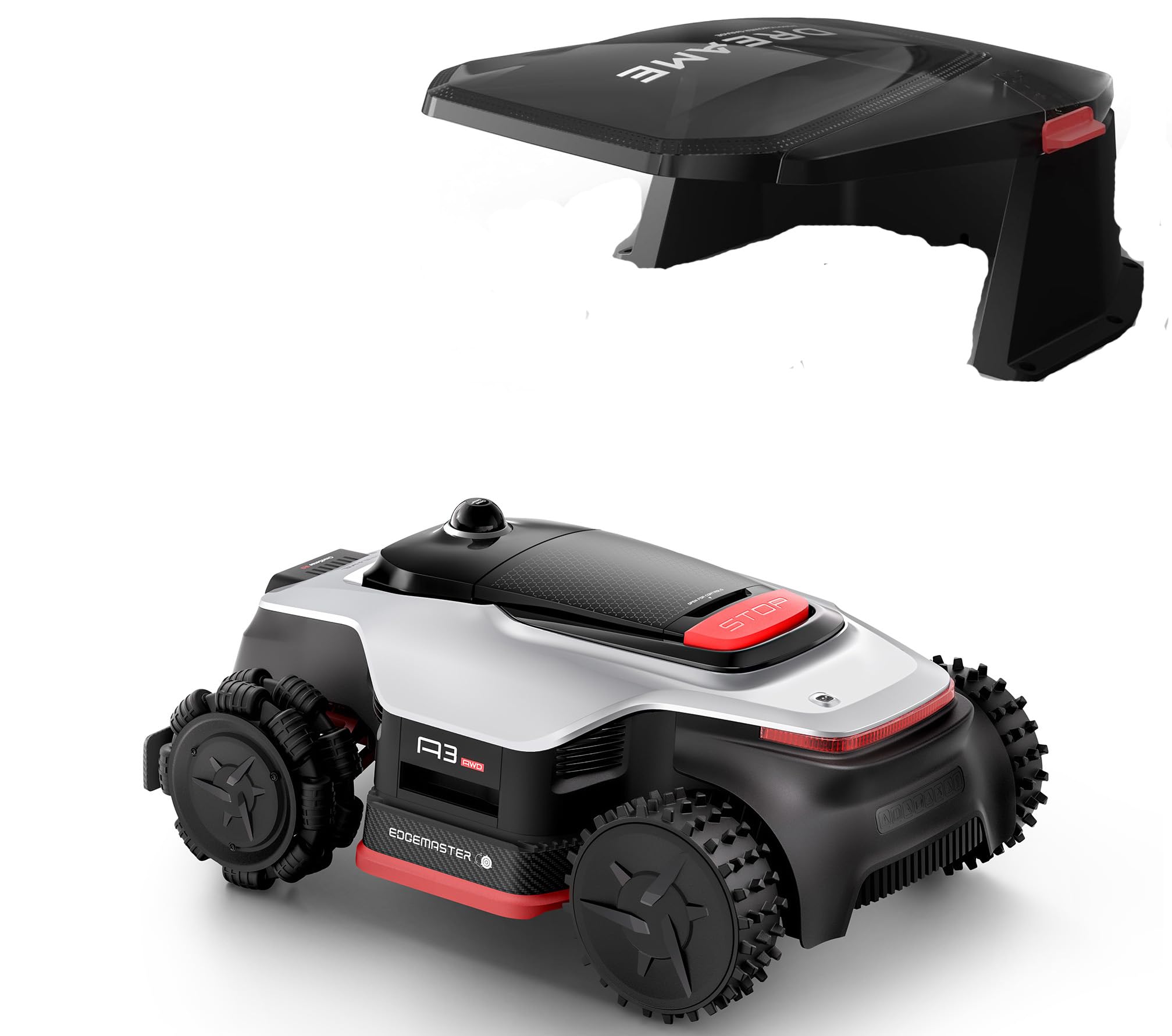
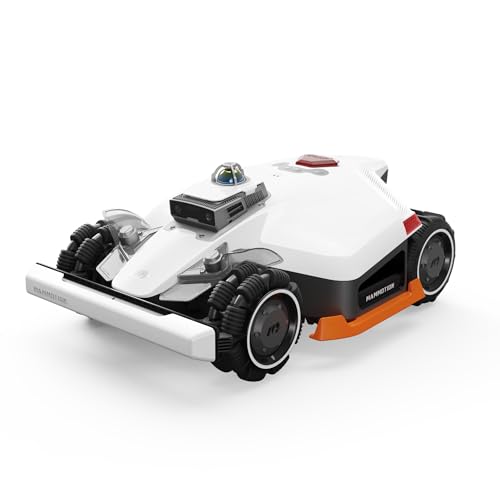
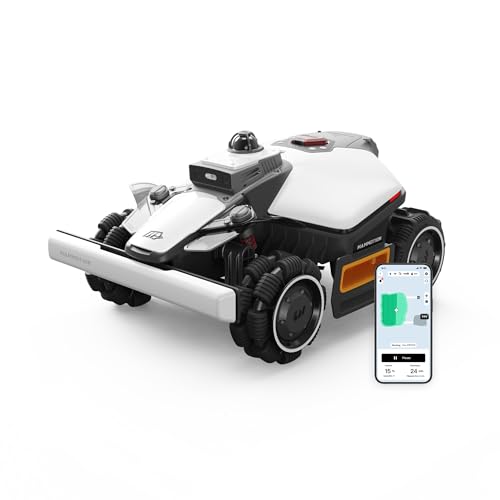
You will find 4wd in two main forms, self propelled walk behind mowers and riding tractors, plus a few robotic models. The comparison table below lines up the main options side by side.


What Your Money Buys: 4wd Mower Price Bands
Driving all four wheels raises the price at every size, because you are paying for a second driven axle and a heavier frame. Prices also swing with the season, and our guide to the best time to purchase lawn mowers explains when discounts usually appear. The three bands below show what the money buys.
Walk Behind Budgets: About $450 to $900
At this level you get a self propelled walk behind mower with drive at both axles and a steel deck of about 21 inches, suited to sloped or soft yards up to about half an acre. If four wheel drive turns out to be more than your yard needs, our guide to the best affordable lawn mowers covers simpler two wheel drive models at lower prices.
Garden Tractor Budgets: About $3,000 to $6,000
Midrange money buys a 4wd garden tractor with a hydrostatic transmission, a deck of about 42 to 54 inches, and the frame strength to tow a cart. Most owners of one to three sloped acres should shop in this band. A differential lock, which forces both rear wheels to turn together, appears on many tractors here and is worth having on mud.
Estate Grade Budgets: About $6,000 to $11,000
Premium tractors add shaft drive, power steering, heavier frames, and fabricated decks that shrug off rough ground. They also accept attachments like a snow blade or tiller, so the machine earns its keep all year. Buy here when the property is large and the ground is rough.
How to Choose a 4wd Lawn Mower
Choosing the best 4wd lawn mowers starts with the drive system, because traction is the whole reason this class exists.
Drive System and Traction
The drive system governs what a 4wd mower can do, so judge it before deck size. Power at all four wheels keeps the mower moving on wet grass, mud, and leaf covered banks where a two wheel drive machine spins and stops. Some systems run full time, while others engage the front axle only when the rear wheels slip, saving fuel and tire wear. A locking differential matters almost as much, because it stops one spinning wheel wasting all the power.
Slopes and Terrain
Slope is the limit that decides whether 4wd helps or merely tempts you, and makers rate most riding mowers for slopes up to about 15 degrees, a figure to treat as a ceiling rather than a target. Ride straight up and down a slope rather than across it, because a tractor can tip sideways long before it loses traction. With a walk behind model, mow across the slope so the machine stays below you if it slips. Four wheel drive improves grip, but it does not make a steep bank safe.
Deck Build and Cutting Width
The deck decides both cut quality and how long the mower survives rough use. Stamped decks are pressed from steel of about 13 gauge, which keeps them light and cheap, and they suit smooth lawns well. Fabricated decks are welded from plate of about 10 to 11 gauge, and since a lower gauge number means thicker steel, they shrug off roots and stones. Match width to the yard: about 21 inches is plenty under a quarter acre, self propelled models cover up to about one acre, and tractor decks of about 42 to 60 inches earn their price beyond that.
Power Source: Gas, Battery, or Electric
Gas still dominates 4wd, because driving four wheels takes sustained power batteries are only starting to match. Battery walk behind models with all wheel drive run about 40 to 60 minutes on a charge set, which fits small sloped yards. Robotic mowers are the other battery route, and a few drive all four wheels so they can climb. Corded electric models are push only, since a cord cannot follow a climbing mower.
Mulch, Bag, and Side Discharge
Most 4wd mowers are 3 in 1 machines that mulch, bag, or discharge from the side. Mulching suits regular weekly cuts because the clippings vanish into the lawn and feed it. Bagging suits leaf season and overgrown grass, though a small bag means frequent stops. Side discharge handles overgrown areas where mulching would clump and a bag would fill in minutes.
Noise, Storage, and Maintenance
Gas tractors are the loudest option and need a shed bay with room to walk around the machine. Battery walk behind models are quiet enough for early mornings and stand in a garage corner. Plan storage before ordering, because a tractor with a 54 inch deck will not fit through a narrow shed door. Treat fuel with stabilizer before winter so the first spring start is easy.
Types of 4wd Lawn Mowers
Four wheel drive shows up in three body styles, plus a fourth that shoppers often confuse with them.
Self Propelled Walk Behind Mowers
These look like ordinary walk behind mowers, but the drive reaches both axles, so the machine pulls itself up banks and across soft corners. They are the cheapest way into 4wd and the easiest to store.
Riding Lawn Mowers and Tractors
Garden tractors are where 4wd does its heaviest work: hauling carts, climbing slopes, and cutting several acres in a session. Our guide to best tractor lawn mowers compares tractor sizes and attachments in more depth. Choose one when the yard is big and the ground uneven enough that a two wheel drive tractor would spin.
Zero Turn Mowers
Zero turn machines steer with their rear wheels and are not 4wd, but buyers cross shop them constantly, and our guide to best ztr lawn mowers covers the class in full. They are fastest on flat, open ground, yet their caster front wheels give little grip, so they struggle on banks steeper than about 15 degrees.
Robotic Mowers
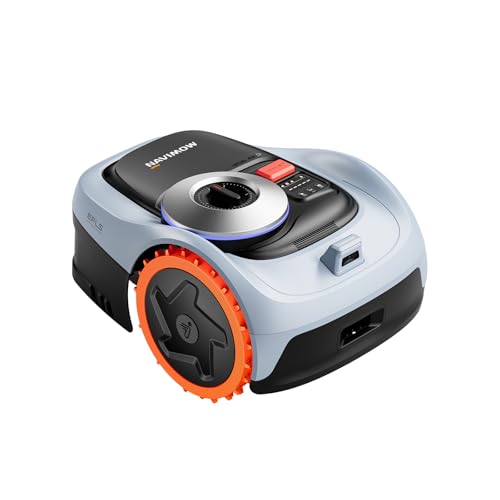
Robotic mowers cut in short, frequent sessions while you do something else, and all wheel drive versions climb banks that stop cheaper robots. Our guide to best automatic lawn mowers explains how robotic and other automatic options work. The trade off is price and a slower, tidier cut.
Tips to Get the Most From Your 4wd Lawn Mower
- Sharpen the blades at the start of each season, because a clean edge cuts rather than tears.
- Never cut more than one third of the grass blade at once, since scalping stresses the plant and invites weeds into the thin spots.
- Before clearing the deck or touching a blade, switch the engine off, remove the key, and pull the spark plug lead so the engine cannot start; on a battery model, take the pack out first.
- Keep all four tire pressures even and at the figure in the manual, because a soft tire tilts the deck and wastes traction.
- Scrape the deck underside after wet cuts, since packed grass rusts even a heavy fabricated deck.
4wd Lawn Mowers: Your Questions Answered
Is a zero turn worth it for one acre?
Yes, if the acre is flat and open, because a zero turn finishes open ground noticeably faster than a tractor. The saving shrinks in yards with fences, beds, and trees, where trimming time dominates. On a sloped acre the answer flips: a 4wd tractor tracks straighter and feels safer. Also budget for a trimmer either way, because no mower edges a fence line.
How often should I sharpen mower blades?
Sharpen at least once a season, and check the edge after any strike on a stone, root, or hidden toy. A quick check is to look at the grass tips a day after mowing: white, frayed tips mean the blade is tearing rather than cutting. Many owners keep a spare blade set so the mower is never parked waiting. A balanced blade matters too, since an uneven one vibrates and wears the spindle bearings.
How long does a 4wd lawn mower last?
A cared for garden tractor commonly lasts about 10 to 15 years, while a walk behind model usually gives about 5 to 8 years of regular use. The extra driven axle adds belts, shafts, and joints that need seasonal attention too. Hours matter more than birthdays: a tractor mowing three acres ages faster than one mowing an acre. Storing any mower dry adds years to every part of it.
Are battery mowers as good as gas?
For small and medium yards, yes: modern battery walk behind models cut normal grass with torque that feels much like a small gas engine. The honest limit is runtime, since a charge set covers a fixed area and a big lawn can outlast it. Gas still wins for multi acre properties and for towing work. Battery care is simpler, with no oil, no fuel, and no pull cord.
What size mower do I need for my yard?
Let the narrowest gate decide first: measure it, then choose a deck a couple of inches narrower. After that, match width to area, with about 21 inches for small lawns and 42 inches or more once you pass an acre. A deck that is too wide scalps uneven ground because it bridges the dips. When in doubt, the smaller deck with more passes beats the wider one that leaves ridges.
Final Thoughts
Start with your ground, not the brochure: if slopes, mud, or wet grass stop your current mower, four wheel drive is the fix, and the drive system deserves your first dollar. Then match deck build and width to the acreage. Chosen that way, the best 4wd lawn mowers become the machine that simply finishes the yard. Compare your shortlist in the product table above before you order.