
Best 4K Upscaling TVs: What to Check Before You Buy in 2026
Disclosure: We may earn a commission when you buy through links on this page, at no extra cost to you. As an Amazon Associate I earn from qualifying purchases. Learn more
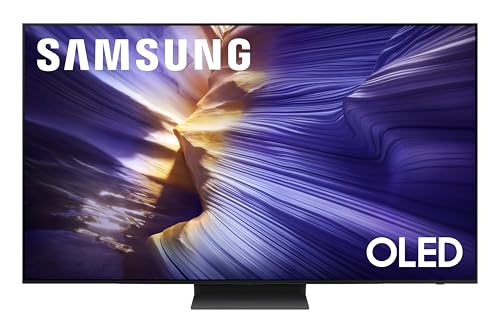
Upscaling decides how older shows look on a 4K screen. Learn what to check when choosing the best 4k upscaling tvs.
If you watch a lot of older shows, sports replays, or standard definition channels, best 4k upscaling tvs deserve special attention. A 4K screen must stretch lower resolution content to fill its pixels, and the processor decides whether the result looks clean or soft and noisy. Native 4K content hides weak upscaling, but daily viewing does not.
The comparison table below compares screens on processing, panel, and smart traits. Later sections explain upscaling in plain terms, what to check with your own content, and which settings help or hurt older programs. First time buyers can use this guide without any technical background.
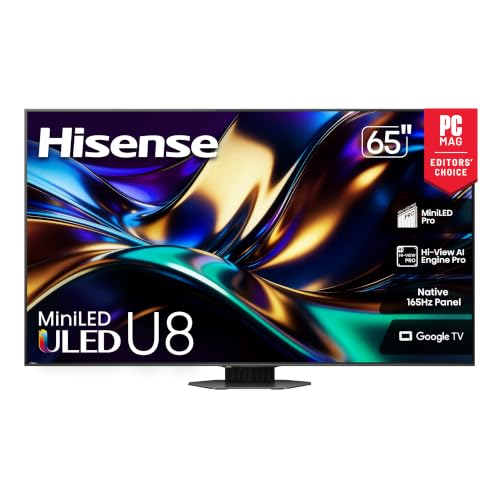


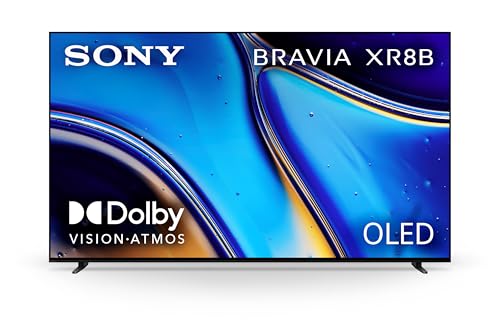


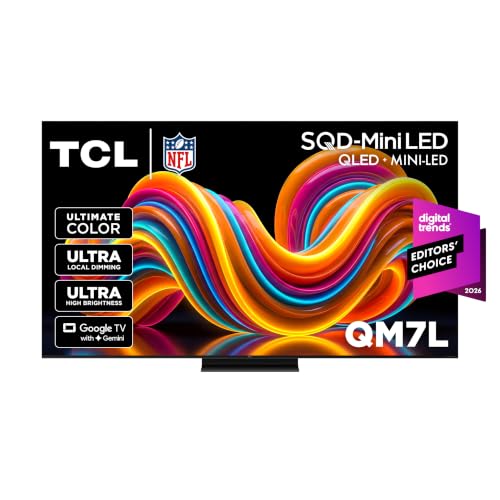

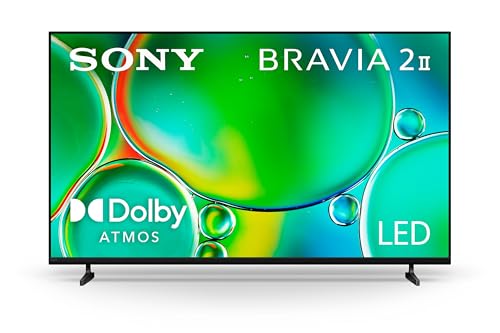
What Upscaling Does
Upscaling takes a lower resolution image and rebuilds it at 4K size, guessing detail that was not in the original signal. A good processor sharpens edges gently, reduces noise, and keeps motion smooth without adding harsh halos. A weak processor can look soft, blocky, or overly processed, especially on larger screens. Readers comparing related options may also find the guide to best quality 4k tvs useful, because it covers a closely related size or type.
Screen size magnifies upscaling differences. On a smaller screen viewed from farther away, flaws are harder to see, while a large screen close up reveals every weakness. Seating distance and size therefore matter as much as processor quality when you judge upscaling.
Who Should Prioritize Upscaling
Viewers who watch older box sets, classic films, broadcast channels, or lower resolution sports streams should prioritize upscaling. Their daily content rarely arrives in native 4K, so processor quality shapes most viewing hours. Native 4K streamers and gamers can place less weight on it. For a neighboring choice in the same family, the guide to best tvs for upscaling adds useful context on fit and features.
Households with mixed content still benefit, because even modern streaming services vary in quality by title and connection speed. A screen that handles variable sources gracefully will look better on a slow evening than one tuned only for perfect 4K demos.
Processor Traits Compared
Good upscaling balances sharpness, noise reduction, and motion handling. Over sharpening creates halos around edges, while heavy noise reduction can smear fine detail such as hair or grass. The best balance looks natural, not obviously processed, across varied content. If that trait matters to you, the guide to best gaming tvs 4k explores a related option in more detail.
Motion handling also interacts with upscaling. Fast sports and action scenes need clean motion as well as sharp detail, or the picture can judder. Check both a slow drama scene and a fast sports clip, because a processor can excel at one and struggle with the other.
Panel and Room Considerations
Panel brightness and contrast still matter, because upscaling cannot rescue a dim or washed out screen. A bright panel with good contrast makes older content look cleaner, while a dim panel makes noise and softness more obvious. Room light should therefore stay in the decision. A related guide, best 4k oled tvs, covers a similar product from a different angle that may suit your room better.
Viewing distance helps too. Sitting a little farther back hides minor upscaling flaws, while very close seating reveals them. If you sit close to a large screen, invest more in processing quality. If you sit farther away, panel brightness may matter more.
Settings That Help Older Content
Start with a movie or cinema mode, which usually applies gentler processing than a vivid shop mode. Reduce sharpness if edges look harsh, and try noise reduction at a low or medium level rather than maximum. Small adjustments often beat aggressive settings.
Turn off heavy motion smoothing for films, but try a light setting for sports if motion looks jerky. Save separate modes for day and night if the screen allows it, because daylight settings can mask flaws that evening viewing reveals. Note your best settings before a software update resets them.
Checking Before You Commit
Use content you actually watch, not just a 4K demo loop. Play an older drama episode, a news broadcast, and a sports clip, and watch faces, text, and fast movement. Look for halos, smearing, and blockiness, especially in dark scenes and fine patterns.
Check in your own room light during the return window. Shop lighting hides many flaws, while home lighting reveals them. If the screen handles your worst source well, it will handle your best source easily.
Upscaling by Source Type
Different sources need different amounts of rebuilding. Standard definition broadcasts and old DVDs ask the most from a processor, and they reward a set that reduces noise without smearing faces. Full HD streams and Blu-ray discs need a gentler lift, so a clean result there shows whether the processor stays subtle. Compressed streams on a slow connection add blocky patches, which good processing softens but cannot remove.
Plan around the sources you watch most each week. A household that mostly streams 4K shows can relax about upscaling, while one that keeps a shelf of older discs or watches regional channels should rank processing near the top of the list, right after panel brightness and contrast.
Best 4K Upscaling TVs: Mistakes to Avoid
The main mistake is judging upscaling only from native 4K demos, which flatter every screen. Another is setting sharpness and noise reduction to maximum, which creates artificial edges and smeared detail. Gentle settings and real content checks give a truer picture.
Do not assume a higher price always means better upscaling. Processing quality varies by model, not just by tier, so compare specific screens with your own content. A mid priced screen with careful processing can beat a premium screen tuned for demos.
Frequently Asked Questions
What is TV upscaling in simple terms?
Upscaling rebuilds lower resolution video at 4K size by estimating missing detail. A good processor makes older shows look clean and natural, while a weak one looks soft or noisy. The effect matters most for non 4K content on larger screens.
Does upscaling matter if I stream in 4K?
Less so, because native 4K content needs little rebuilding. It still matters when streaming quality drops, or when you watch older titles, broadcast channels, or sports replays. Mixed viewers should still weigh processing quality.
Can settings improve upscaling?
Yes, gentle sharpness and moderate noise reduction usually help, while maximum settings create halos and smearing. Start with a cinema mode and adjust slowly with familiar content. Save day and night modes separately if possible.
Is a larger TV worse for upscaling?
A larger screen viewed closely reveals upscaling flaws more clearly, so processing matters more at large sizes. Sitting farther back hides minor flaws. Match size to seating distance and invest in processing if you sit close.
How do I check upscaling in a shop?
Ask to play older broadcast or streaming content, not just a 4K demo. Watch faces, text, and fast movement for halos and smearing. Then check the same content at home in your own light during the return window.
Final Thoughts
Upscaling quality shapes daily viewing for anyone who watches older or variable quality content. The product table above compares processing alongside panel traits, so use it to shortlist screens, then check with your own programs at home. Gentle settings and real content reveal the truth faster than any demo.
Choose a screen that handles your worst source gracefully, and best 4k upscaling tvs will make your whole library look better, not just the newest titles.


