
Best 4K TVs Right Now: Matching the Right Model to Your Routine for 2026
Disclosure: We may earn a commission when you buy through links on this page, at no extra cost to you. As an Amazon Associate I earn from qualifying purchases. Learn more
Match the best 4k tvs right now to your routine, with plain guidance on panels, ports, refresh rate, and size for films, sports, and gaming.
There is no single TV that is best for everyone, because a bright family room, a film lover den, and a gaming corner all ask for different strengths. The smarter way to shop for the best 4k tvs right now is to start with your routine, then let that routine rank the specs for you. This guide sorts buyers into clear use cases first, explains the features behind each one, and keeps prices in broad, honest ranges.
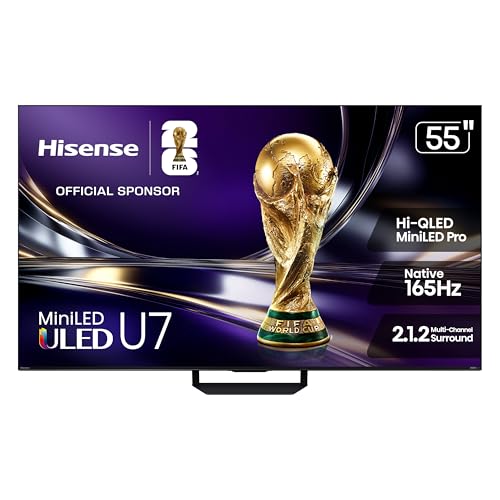
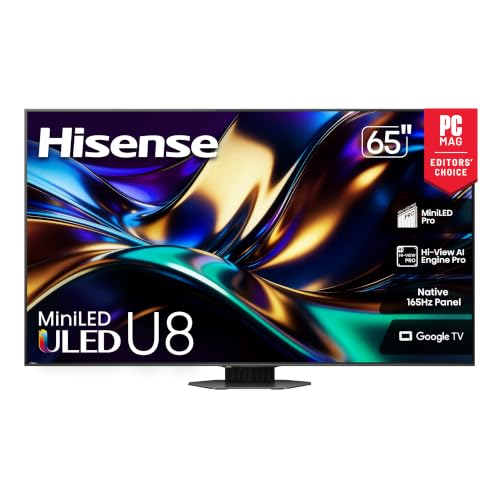
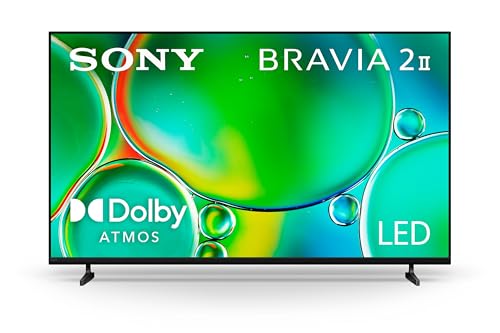
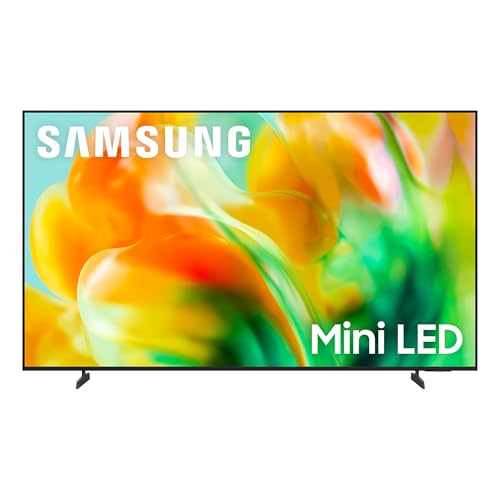
The comparison table below gives you a quick view of current sizes and panel types. Use it after you know your use case, not before, so the numbers have a context.



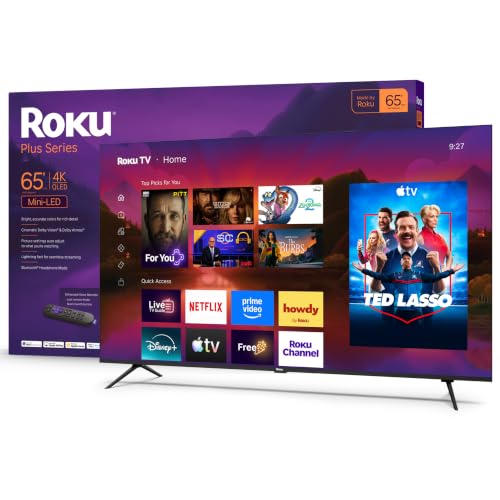
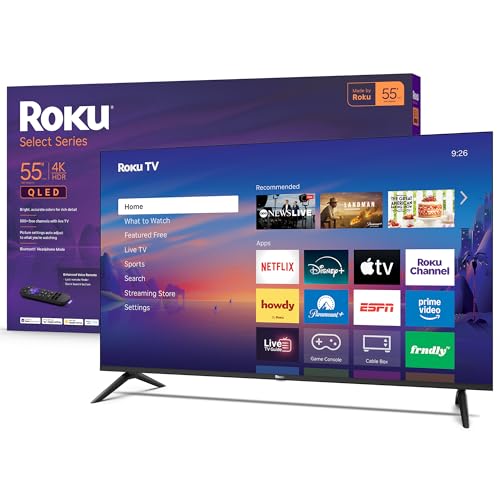
Who Should Buy the Best 4K TVs Right Now?
For Movie and Streaming Households
If most of your screen time is films and series in the evening, contrast and HDR handling matter more than raw brightness. OLED and good Mini LED VA panels show shadow detail without washing out dark scenes, and strong video processing smooths low quality streams. A 65 inch screen at normal sofa distance gives that cinema feel. Sound also matters here, so plan for a soundbar around $150 to $300 if dialogue clarity is a priority in your room.
For Students and Everyday Users
Students and everyday viewers need a TV that simply works well for classes, shows, casual gaming, and sports in a bright room. A mid range LED set around $400 to $700 at 50 inches or 55 inches, with a simple smart platform and decent viewing angles, covers all of that. IPS panels suit shared rooms where people sit at angles. Reliability, a clear remote, and a stand that fits a dorm desk or small bench matter more than flagship brightness at this level.
For Gamers and Power Users
Gamers should put HDMI 2.1, a 120 Hz panel, VRR, and low input lag at the top of the list, because consoles and gaming PCs can use all four. Power users who connect several devices also need three or four HDMI ports and a fast menu system that does not lag behind the remote. Expect to pay around $800 to $1,500 for a 55 inch or 65 inch set that does all of this well, with OLED at the upper end.
For Sports Fans in Bright Rooms
Sports viewing rewards brightness, glare control, and smooth motion more than perfect blacks. A bright Mini LED or LED set with a low reflection screen keeps daytime games watchable with curtains open. Wide viewing angles help when friends spread across the room, so check angle performance in person if you can. Motion handling should stay natural, so look for settings that smooth play without making the ball leave odd trails.
For a wider view across release years, you can also browse our guide to the best tvs right now, which includes non 4K sets for smaller rooms.
Key Features to Compare
Connectivity and Ports
Count your devices before you shop. A console, a streaming stick, a soundbar, and a cable box can fill four HDMI ports quickly. The soundbar will usually take the eARC port, so check that at least one other port carries HDMI 2.1 if you game. USB ports help for photo drives and bias lights. Few TVs include DisplayPort, so computer users connect by HDMI and should confirm the port version on the exact input they plan to use.
Adaptive Sync and Gaming Features
Variable refresh rate keeps games smooth when frame rates rise and fall, by syncing the screen to the console or PC rather than forcing a fixed rhythm. Auto low latency mode switches the TV into game mode on its own. Together they remove two common annoyances, tearing and laggy menus, without any effort after setup. If you never game, these features matter little, and you can safely spend the money on panel quality instead.
Smart Platform and Sound
Google TV, Roku, and webOS all run the major streaming apps, get regular updates, and support voice search. The real differences are menu speed, ad clutter on the home screen, and how well the remote fits your hand. Try the interface in a store if possible. Built in sound varies widely too. Thin sets often sound thin, so if you watch a lot of dialogue heavy drama, treat a soundbar as part of the true purchase price.
Shoppers comparing release timing may find our guide to the best tvs out right now useful for context on what is current.
Refresh Rate and Response Time
Most TVs are either 60 Hz or 120 Hz in native terms, whatever the marketing number on the box says. A native 120 Hz panel shows smoother sport and gaming and handles 24 frame film content evenly. Response time describes how fast pixels change color, and slow response causes smearing behind moving objects. OLED responds almost instantly, while VA panels can smear dark colors. For mixed family use, 60 Hz with good processing is acceptable, but 120 Hz is the safer long term buy.
Panel Technology
OLED gives perfect blacks and the widest contrast, ideal for dim rooms, at higher prices and with care needed around static images. VA panels give strong contrast for less money, with weaker side angles. IPS panels trade contrast for steady color from wide seats. Mini LED improves VA and IPS sets with many small backlight zones, raising brightness and dark scene control together. Match the panel to your room light first, since no setting can fully fix a poor match.
Brand loyal shoppers can narrow the field with our guide to the best samsung tvs right now before comparing individual sizes.
Common Mistakes to Avoid When Buying a 4K TV
- Shopping by price alone. The cheapest large screen often cuts brightness, processing, and port quality, which you notice every day for years.
- Ignoring connectivity. Too few HDMI ports or no eARC for a soundbar creates daily cable juggling that a spec check would have prevented.
- Buying the wrong size. Too small feels underwhelming for films, while too large overwhelms a short viewing distance and shows source flaws.
- Skipping the warranty terms. Panel warranties and return windows differ, and a generous return window is real protection when you try the set at home.
- Trusting shop floor picture modes. Vivid store settings hide how a TV handles normal content in normal light, so always try standard modes at home.
Tips to Get the Most From Your 4K TV Right Now
- Calibrate the basics. Turn off vivid mode, choose the film or standard preset, and set brightness so night scenes keep detail without glowing.
- Care for OLED panels. Use the built in pixel refresh when prompted and avoid static news tickers at full brightness for hours each day.
- Clean the screen gently. A dry microfiber cloth only, with light pressure, protects the surface coating from scratches and streaks.
- Update the software. Firmware updates often fix app bugs and improve HDR handling, so check monthly in the first season of ownership.
- Feed it good sources. A 4K TV shows flaws in low quality streams, so use the highest quality setting your streaming plan and internet speed allow.
If your household is still debating timing, our short guide to the best tvs now explains when waiting for a sale makes sense and when it does not.
4K TVs Right Now: Your Questions Answered
IPS vs OLED: which is better?
OLED is better for dark rooms, films, and gaming, thanks to perfect blacks and instant response. IPS is better for bright rooms with wide seating and for buyers who leave news or sports channels on all day. The deciding factor is your room, not the specification sheet. One more point in favor of IPS at lower budgets is cost per inch, which lets you buy a larger screen for the same money.
Is 4K worth it?
Yes, 4K is worth it at 55 inches and above, where the extra detail is visible from normal seating and most new content is produced in 4K or high quality HD that upscales cleanly. At 43 inches in a kitchen or bedroom, the benefit is smaller but still helps with fine text in menus and sports graphics. Since 4K is now the standard price tier, you rarely save much by choosing less.
What size should I get for my room or desk?
For sofas, allow roughly 1.2 to 1.5 times the screen diagonal as your viewing distance in the same units, so a 65 inch TV suits about 6.5 to 8 feet. For a desk, 43 inches is the practical ceiling for most people. Measure your wall and your stand, and check that the stand feet fit, since wide feet on large sets are a common delivery day surprise.
Does refresh rate matter for non gamers?
It matters modestly. Sports look smoother on a native 120 Hz panel, and film content plays without the uneven pulldown some 60 Hz sets show. For news, drama, and casual viewing, most people are content with 60 Hz. If two TVs cost similar money, take the 120 Hz model for future proofing, but do not stretch a tight budget for refresh rate alone when panel quality would suffer.
How long do 4K TVs last?
A typical 4K TV lasts about 7 to 10 years in normal home use. Backlights fade gradually, and smart platforms age faster than panels, a problem you can solve later with an inexpensive streaming stick. Keeping vents clear and avoiding maximum brightness around the clock helps. Surge protection is a cheap safeguard too, since power events damage electronics more often than wear does at this age range.
Final Thoughts
Let your routine decide. Film lovers should buy contrast, sports fans should buy brightness and motion, and gamers should buy HDMI 2.1 with a 120 Hz panel. When you rank features that way, the best 4k tvs right now for your home become much easier to spot. Compare your finalists in the product table above, measure your room once more, and buy with the return window in mind so you can judge the picture where it will actually live.

