
Best 4K TV Sets: Buying Guide and Checklist for 2026
Disclosure: We may earn a commission when you buy through links on this page, at no extra cost to you. As an Amazon Associate I earn from qualifying purchases. Learn more

Use this buying guide to compare the best 4k tv sets by panel, size, HDR, and gaming features, with a clear checklist for choosing with confidence.
A new TV changes how your whole room feels, from movie nights to Saturday sports to quiet mornings with the news. The hard part is that store displays all look bright and sharp, while home rooms differ in light, seating distance, and sound. This guide slows the choice down into clear steps.
If you are shopping for best 4k tv sets, you will learn which panel, size, and features fit your room before you spend. The comparison table below shows the current options together, and the sections after it explain how to judge each one for your home.
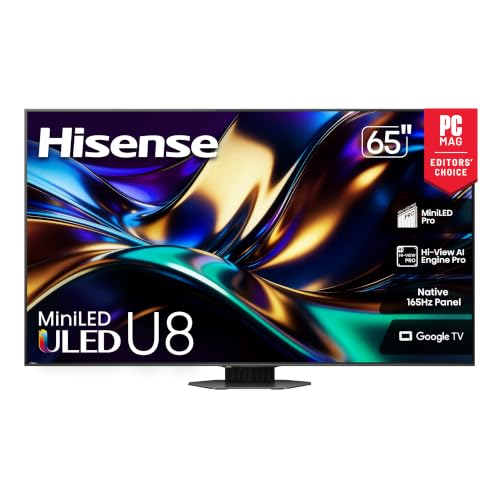

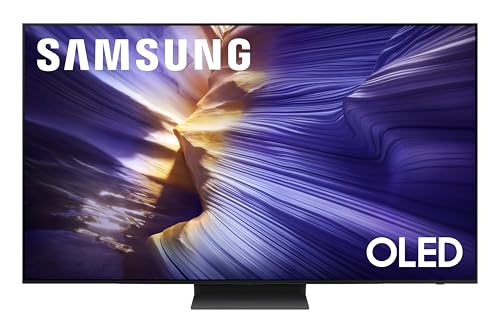



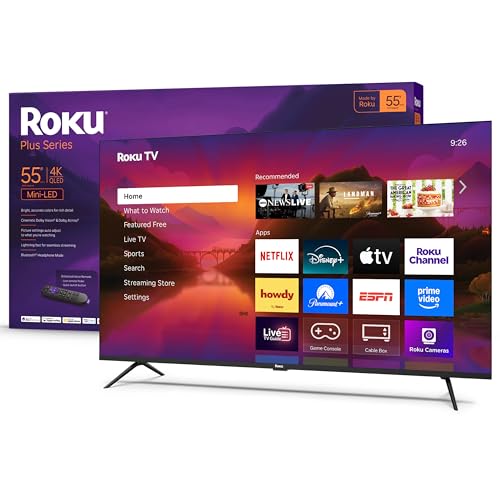

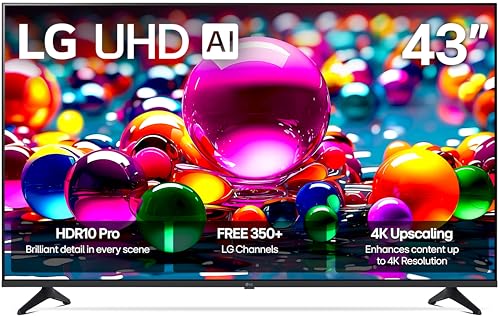

What to Look For at a Glance
Instead of chasing a single winner, think in terms of three buying profiles. Each profile below names who it suits, the two strengths to demand, and the one limit to accept. Use your profile to filter the product table above before you study the full buying guide.
Balanced Choice for Most Rooms
This profile suits most living rooms where films, sports, and streaming share the screen. Demand a bright panel with good local dimming for HDR, plus a smart platform that carries every app your household uses. Also demand at least three HDMI ports and eARC for a soundbar. The limit to accept is cost: a balanced set is rarely the cheapest in its size, because brightness, processing, and sound all cost money to do well.
Value Choice Without Gaming Extras
This profile suits buyers who want a big, clear picture without paying for pro gaming extras. Demand strong contrast, reliable HDR10 support, and a fast enough processor that menus never lag. A 55 inch or 65 inch VA panel often delivers this balance at a fair price. The limit to accept is gaming depth: you may get one high refresh port or none, and built in sound will be adequate rather than rich.
Simple Choice for Beginners
This profile suits a first 4K purchase, a bedroom set, or a gift for someone who wants simple setup. Demand a remote with few buttons, a home screen you can tidy, and clear voice sound for news and dialogue. Automatic picture modes that adjust to room light reduce fiddling. The limit to accept is peak performance: brightness and motion handling will be modest, which is fine for casual viewing in a smaller room.
How to Choose the Best 4K TV Sets: Buying Guide
This is the core of the decision. Work through each feature in order, because panel and size choices are hard to change later, while sound and accessories can improve over time. Note your answers as you go and your shortlist will shrink fast.
Panel Technology (IPS, VA, OLED, Mini LED)
Panel type sets contrast, color, and viewing angle. VA panels give deep blacks for movie rooms but can fade from side seats. IPS panels hold color from wide angles but show softer blacks in the dark. OLED gives perfect blacks and instant response at a higher price, with some care needed for static images. Mini LED raises brightness and dimming precision and suits bright rooms with HDR films.
Picture quality purists should also compare notes with our guide to the best quality 4k tvs, where panel and processing get an even closer look.
Smart Platform and Sound
The platform decides how fast you reach your shows each night. Google TV, Roku, and webOS all carry the major apps, but they differ in search, ads on the home screen, and voice control. Check that your must have services are present before you buy. Built in sound is thin on most slim sets, so budget for a soundbar if dialogue matters. At minimum, confirm eARC support so one cable can feed external audio.
Adaptive Sync and Gaming Features
Gamers should look for variable refresh rate, auto low latency mode, and HDMI 2.1 ports that carry 4K at 120Hz from current consoles. Variable refresh smooths frame changes, while auto low latency switches the set into its fastest mode when a game starts. Input lag under about 10 milliseconds feels responsive for most players. If you play only casual games, a good 60Hz set with a strong game mode can still serve you well.
For a gaming first shortlist, see our guide to the best gaming tvs 4k and compare port counts and lag figures there.
Resolution and Screen Size
4K resolution gives four times the pixels of 1080p, and the gain shows most on screens of 50 inch and larger at normal seating distances. Choose size from distance: about 55 inch suits 6 to 8 feet, and about 65 inch suits 8 to 10 feet. A screen that is too small makes subtitles and sports scores hard to read, while one that is too large can overwhelm a small room and expose flaws in lower quality streams.
Refresh Rate and Response Time
Refresh rate tells how often the panel redraws the image each second. A native 120Hz panel shows smoother sports and games than a 60Hz panel, though makers sometimes advertise inflated effective rates, so check the native figure. Response time tells how fast pixels change and affects blur in fast scenes. For console play at 120 frames per second you need both a 120Hz panel and an HDMI 2.1 port. For films and news, good processing matters more than raw rate.
Stand, Mounting, and Ergonomics
Measure the stand width before you buy, because many modern sets use feet near the edges that need a wide surface. If you plan to wall mount, confirm the VESA hole pattern and the set weight, and choose a mount rated above that weight. Center stands suit narrow furniture and make soundbar placement easier. Also check where the ports sit, because a tight wall mount can make side ports far easier to reach than rear ports.
HDR and Brightness
HDR expands contrast and color, but only if the panel gets bright enough and dims dark areas with control. HDR10 is the baseline format, HDR10 Plus and Dolby Vision refine brightness scene by scene, and higher peak brightness helps highlights sparkle without washing the room. In a bright room, favor brightness and glare control. In a dark room, favor black depth and dimming zones. A set that does both reasonably well is the safest all round choice.
Types of 4K TV Sets
Most sets on sale fall into three broad types. Knowing the type behind a model explains its price and its limits faster than any spec list. If you want the wider family view first, our guide to the best tv sets covers non 4K options as well.
Budget Displays
Budget displays keep cost down with 60Hz panels, modest brightness, and simpler processing. They suit bedrooms, kitchens, dorms, and second rooms where casual viewing rules. Strengths are price and simplicity. Limits are HDR impact and motion clarity. A budget set with good contrast and a fast smart platform will please you more than a larger budget set with a sluggish menu and washed out color.
Large Screen Options
Large screen options at 75 inch and above turn a living room into an event space for sports and films. They need more seating distance, a sturdy stand or mount, and often a soundbar because built in speakers rarely fill a big room. Readers who enjoy display history may also like our guide to the best tvs of all time for context on how big screens evolved. Measure doors and stairs before ordering, because delivery size surprises many buyers.
OLED Displays
OLED displays light each pixel on its own, so blacks are truly black and response is instant. They suit movie lovers, gamers, and anyone who watches in dim light. Strengths are contrast, motion, and viewing angle. Limits are price, lower peak brightness than the best Mini LED sets, and the need to vary content to reduce burn in risk with static logos or news bars shown for hours each day.
Setup and Care Tips
Good setup protects your purchase and improves the picture on day one. Keep these habits from the start.
- Calibrate picture settings early: turn off the vivid mode, start with a movie or standard mode, and adjust brightness for your room light.
- On an OLED set, let the built in pixel refresh run as the maker directs, and avoid leaving a static image paused for hours.
- Clean the screen with a dry microfiber cloth only, using light strokes and no sprays or paper towels.
- Use quality HDMI 2.1 cables for 4K at 120Hz so consoles send their best signal without dropouts.
- Leave space around vents and avoid pushing the set flat against a hot wall, because heat shortens electronic life.
- Update the software after setup and enable automatic updates if you trust your network, so apps stay secure.
FAQs
IPS vs OLED: which is better?
OLED is better for contrast and motion, while IPS is better for wide seating and bright rooms on a budget. OLED gives perfect blacks and instant response, which flatter films and games in dim light. IPS holds color from side chairs and costs less at large sizes. At most budgets the real contest is VA versus IPS, so match the panel to your light and seating rather than chasing a label.
How long do 4K TV sets last?
Most 4K TV sets last about 7 to 10 years in normal home use. Panels fade slowly, so you are more likely to replace a set because apps stop updating or a port standard changes. You can extend life by avoiding maximum brightness at all times, keeping vents clear, and adding a streaming stick later if the built in platform slows. A surge protector guards against the most sudden failures.
Does refresh rate matter for non gamers?
Refresh rate matters a little for non gamers, mainly during sports and fast action films. A good 60Hz panel with strong motion processing looks smooth for news, dramas, and most streaming. A 120Hz panel adds clarity to live sports and reduces blur when the camera pans fast. If you never game and rarely watch sports, spend the difference on brightness, size, or a soundbar instead.
Is 4K worth it?
Yes, 4K is worth it for most buyers because streaming, broadcasts, and game consoles now center on 4K output. The detail gain is clearest on 55 inch screens and larger at typical sofa distances. On a small bedroom screen viewed from far away, a good 1080p set can still look fine. Pair 4K with decent HDR, because contrast shapes picture quality as much as pixel count does.
What TV size should I get for my room or desk?
Pick TV size from your seating distance and your furniture width. Sit about 6 to 8 feet away and a 55 inch screen feels immersive without strain, while 8 to 10 feet suits a 65 inch screen. On a desk, 43 inch or smaller keeps the whole picture in easy view. Always measure the stand span and your surface, because diagonal size alone does not tell you whether the feet will fit.
The Bottom Line
Decide panel and size for your room first, then confirm HDR brightness and the ports your devices need. That order keeps the big choices right and the small ones simple. Use the product table above to check each candidate against those three checks. With that method, choosing best 4k tv sets becomes a calm, confident decision you will enjoy every night.

