
Best 4K Tablets at Every Price: What Your Money Really Gets You for 2026
Disclosure: We may earn a commission when you buy through links on this page, at no extra cost to you. As an Amazon Associate I earn from qualifying purchases. Learn more

Compare the best 4k tablets at every price point. Learn what you get at budget, midrange, and premium levels and where spending more pays off.
Prices for tablets span a very wide range, from simple screens for reading and streaming to powerful slates that replace a laptop for work. That spread makes it hard to know where extra money helps and where it simply buys features you will never open.
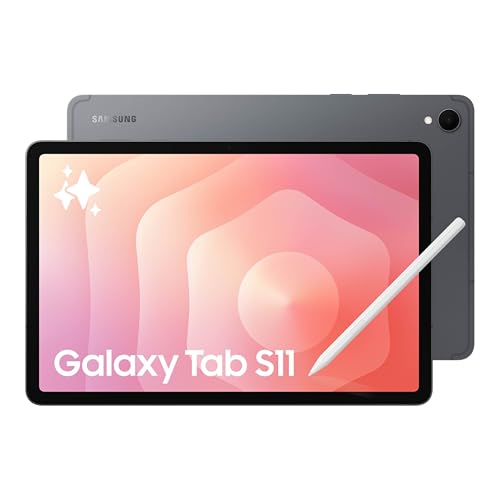
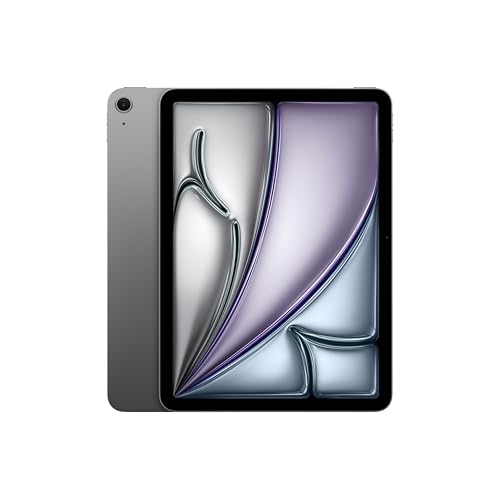
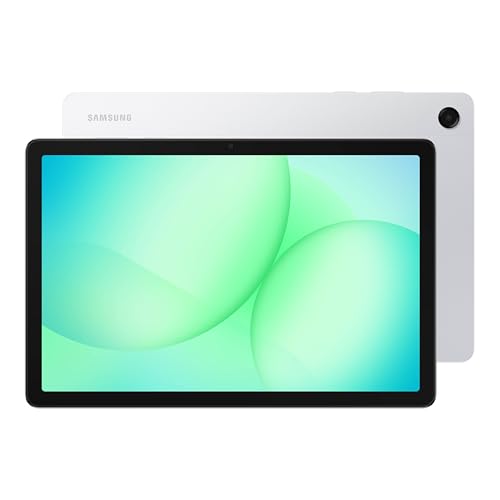
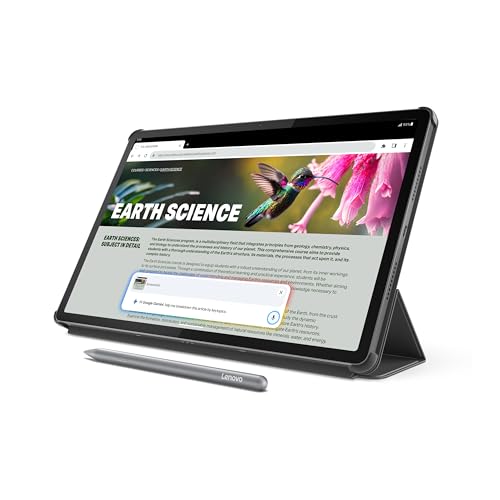
This guide maps best 4k tablets by budget tier, so you can see what each level normally delivers for display, speed, storage, and build. The comparison table below shows the current options in one place, and the sections that follow explain how to read those tiers with your own use in mind.





Choices by Budget: Who Each Tier Suits
Think of budget tiers as bundles of trade offs rather than ranks of worth. A budget tablet can be the right answer for a child or a kitchen screen, while a premium tablet earns its price only if you draw, edit, or work on it daily. Match the tier to the person and the task first.
Budget Tier: Best for Light Daily Use
A budget model around $100 to $250 suits reading, video streaming, web browsing, and simple games. You get a bright enough screen for indoor use, a processor that handles one or two apps at a time, and a plastic body that shrugs off casual drops. The limits are storage, slower app loading, and shorter update support. Choose this tier for a second screen, a travel spare, or a first tablet for a child with a sturdy case.
Midrange Tier: Best for Students and Families
A midrange model around $250 to $500 suits school work, note taking, streaming, and light photo editing. You gain a sharper and brighter display, more RAM for smooth switching between apps, and often support for a stylus and a keyboard cover. Build quality improves, speakers sound fuller, and updates last longer. For most households this tier gives the best balance of price, speed, and useful life without paying for pro level power you may not need.
Premium Tier: Best for Work and Creation
A premium model around $500 to $1000 or more suits drawing, video editing, demanding games, and full workdays. You get the best OLED or high refresh displays, the fastest processors, large storage options, and the best stylus response for art and handwriting. Accessories such as keyboard covers are better built and trackpads feel precise. Choose this tier only if the tablet will be a main device, because the value comes from daily heavy use over several years.
What Your Money Gets You at Each Price Tier
The same feature name can mean very different quality across tiers. This section spells out what to expect at each level for the parts you will notice most, so a spec sheet does not mislead you.
Budget Tier: What to Expect
Expect a display that looks good indoors, 64GB to 128GB of storage, and a battery that lasts a school day of mixed use. Cameras handle video calls and document scans but struggle in low light. Software updates may last two to three years. The smart checks at this level are screen brightness, speaker clarity for lessons and calls, and whether storage can expand with a memory card for downloads and photos.
Midrange Tier: The Sweet Spot for Most Buyers
Expect 128GB to 256GB of storage, 8GB of RAM or more, and a display with wide color that makes photos and shows look rich. Stylus support becomes common and useful for notes and markup. WiFi speed improves, video calls look cleaner, and cases and keyboards are easier to find. This tier also tends to hold value longer because performance stays comfortable as apps grow heavier over time.
Premium Tier: When Spending More Pays Off
Expect top tier color accuracy, high refresh rates for smooth scrolling and drawing, and processors that edit video and run demanding games without strain. Storage reaches 512GB or 1TB, and USB C ports may support external monitors and fast drives. Spending more pays off when the tablet replaces a laptop, when you earn money with art or media work, or when you plan to keep one device for five years.
When you are ready to narrow a list, our guide to the best tablets to purchase can help you compare buying routes and timing.
Best 4K Tablets: Features Worth Paying For (and Ones to Skip)
Not every upgrade deserves your money. The features below explain where paying more changes daily use and where you can safely save, with the tier where each feature usually appears.
Operating System (Windows, macOS, ChromeOS, Android, iPadOS)
Choose the system that matches the apps you already use and the phone or computer you own. iPadOS and Android offer the widest tablet app libraries and the best touch first design. Windows tablets run full desktop programs but can feel less smooth by touch alone. ChromeOS suits school and web work at low cost. Your ecosystem matters because notes, photos, and paid apps move most easily within one family of devices.
If full desktop software is a must, compare your shortlist with our guide to the best pc tablets before you commit to a system.
Weight and Portability
Weight decides whether a tablet travels with you or stays on a desk. Models near 1 lb feel easy for reading in bed and holding during a call, while larger 12 inch and 13 inch models suit a desk or a lap with a stand. Add the weight of a case or keyboard cover when you judge portability, because accessories can add half a pound or more. Students who walk across campus feel every extra ounce by the end of the day.
Keyboard, Trackpad, and Build
If you type often, check key travel and spacing on the keyboard cover, because shallow keys tire your hands during long essays. A trackpad should track smoothly without jumps and support common gestures. Build materials matter for daily carry: aluminum bodies resist flex and dents better than thin plastic. Check hinge and stand design as well, since a stand that only holds one angle will annoy you during video calls and drawing.
RAM and Storage
RAM keeps apps open in the background so you can switch without reloads. Treat 8GB as a sound minimum for study and family use, and 16GB as the comfort level for editing and heavy multitasking. For storage, 128GB suits cloud based users, while 256GB or more suits people who store video, games, and large art files on the device. Unlike a laptop SSD upgrade, tablet storage is fixed at purchase, so buy for your third year, not your first month.
Processor and Performance Tier
The processor decides how fast apps open, how smoothly games run, and how long the tablet stays useful. Entry chips handle reading, video, and light games. Mid tier chips from modern phone and laptop families handle notes, office work, and photo edits with ease. Top tier chips, including Apple M series class parts and high end mobile chips, handle video editing and 3D games. Match the chip to your heaviest weekly task, not your lightest daily one.
Long Term Costs to Factor In
The tablet price is only the first cost. A protective case, a screen protector, and a stylus or keyboard cover can add about $50 to $300 depending on tier. Cloud storage, app subscriptions, and a replacement battery or charger may add yearly costs. A longer warranty can be wise for a tablet a child uses daily or a premium model you carry to work. Add these costs before you compare tiers, because a cheap tablet with pricey required extras can cost more than a midrange model on sale.
Frequently Asked Questions
Is a Chromebook enough for school?
Yes, a Chromebook is enough for school when lessons run in a browser and documents live in the cloud. It handles writing, research, video calls, and classroom platforms well at a low price. It falls short for offline desktop programs, advanced art apps, and some exam software. Check your school list first, and for younger children also see our guide to the best tablets for kindergarteners for age fit and parental controls.
How long should a 4k tablet last?
A well cared for tablet should last about four to six years. Premium models last longer because faster processors and longer update support keep apps running well. Battery health usually fades first, showing as shorter days rather than sudden failure. You can extend life with a case, moderate screen brightness, and storage kept below full so updates install without trouble.
How much RAM do I need?
Most buyers need 8GB of RAM for smooth study, streaming, and app switching. Choose 16GB if you edit video, work with large images, or keep many browser tabs open beside office apps. Less than 8GB can still suit a budget streaming tablet, but reloads will be common. RAM cannot be upgraded later on tablets, so it is one of the safest places to spend a little more.
Is a dedicated GPU worth it?
A dedicated GPU is worth it only for demanding 3D games, serious video work, and some design tools on Windows tablets. Most tablets use integrated graphics built into the main processor, and modern top tier chips handle games and editing surprisingly well. For reading, notes, office work, and streaming, a dedicated GPU adds cost, weight, and heat with no daily benefit. Spend that money on display and storage instead.
Should I buy a laptop or a tablet?
Buy a tablet if touch, drawing, reading, and light weight matter most and your work lives in apps and the browser. Buy a laptop if you type long documents daily, run desktop only software, or need many ports and large local storage. Many students thrive with a midrange tablet plus a keyboard cover. If one device must do everything for years, a laptop still offers the safer keyboard and file system.
Our Verdict
Let your heaviest weekly task set the tier, let display and storage take priority over extras, and count accessory costs before you buy. The product table above puts current models into those tiers so you can compare with clear eyes. Chosen that way, the best 4k tablets for your home will feel fast, clear, and worth the money for years.


