Best 4K Smart TVs under 500 for Every Need: How to Pick the Right One for 2026
Disclosure: We may earn a commission when you buy through links on this page, at no extra cost to you. As an Amazon Associate I earn from qualifying purchases. Learn more
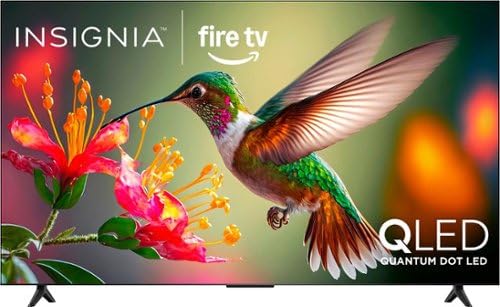
Match panel, brightness and ports to your room and habits to find the best 4k smart tvs under 500.
There is no single model that suits every room, every viewer, and every budget. A TV that feels perfect for movie nights in a dim living room can feel dim and slow in a bright family room or a small gaming corner. That is why this guide starts with how you actually watch.
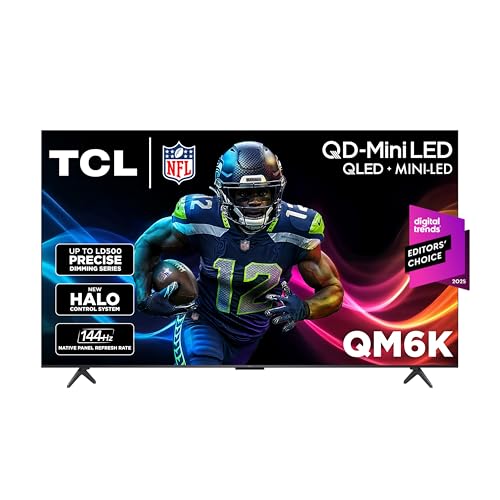
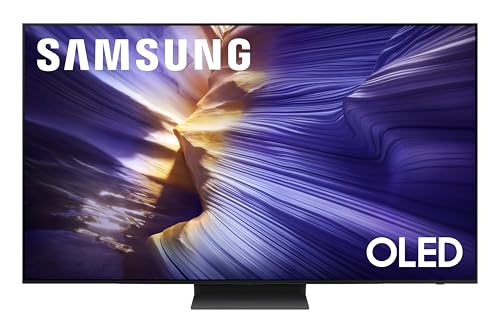
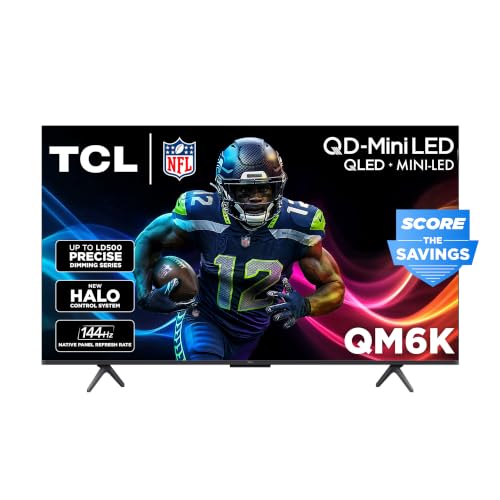
If you are comparing best 4k smart tvs under 500, the smart move is to match panel type, brightness, and ports to your main use first, then check size and smart platform. The comparison table below gathers the current options in one place so you can apply the criteria here as you shop.

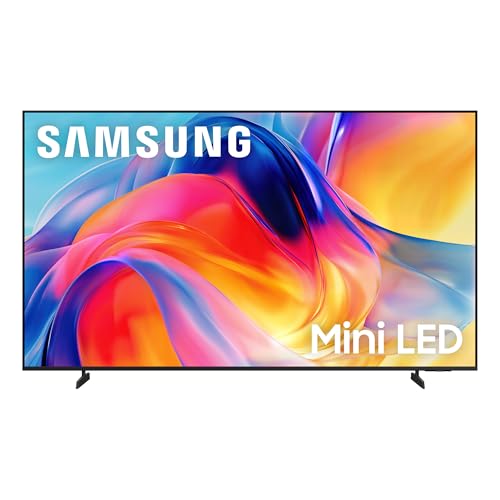



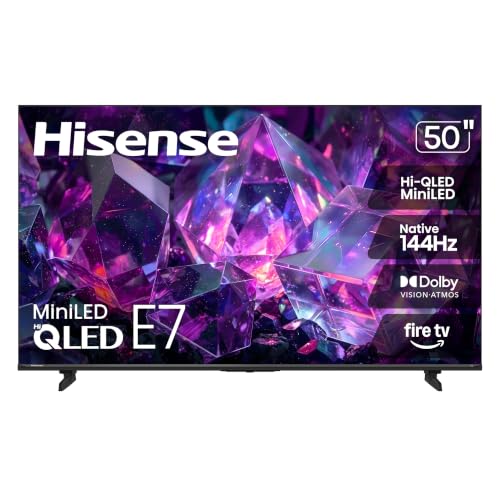
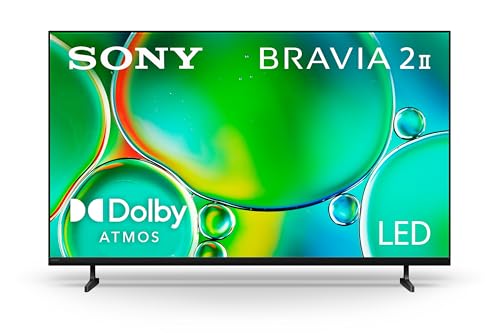
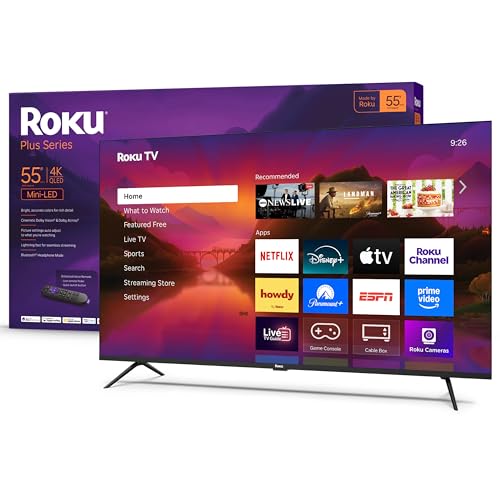
Who Should Buy Which 4K Smart TVs?
Your viewing habits should drive every other choice. A student who streams lectures and shows in a dorm needs something different from a creator who checks color work or a player who cares about input lag. Use the groups below to set your priorities before you look at screen sizes or brand names.
For Students and Everyday Users
You need a stable picture, simple menus, and a price that leaves room for books, rent, and a sound upgrade later. Look for a 43 inch or 50 inch screen, a remote you can use without thinking, and built in apps for the services you already pay for. Reliability matters more than peak brightness here. A clear voice mode for dialogue and an easy sleep timer are small touches you will use every day.
For Remote Workers and Creators
You need accurate color at normal brightness, steady motion for video calls shown on a big screen, and ports that accept a laptop without fuss. Prioritize good viewing angles so text stays clear when you sit a little to the side, plus screen mirroring and casting that work with your phone and computer. A matte or low glare finish helps in bright rooms. Consistent color matters more than dramatic contrast for slides, spreadsheets, and photo review.
For Gamers and Power Users
You need low input lag, smooth motion, and at least one port that supports high refresh play from a console or PC. Look for a game mode that keeps lag low, support for variable refresh rate, and clear motion settings you can adjust per input. Screen size should fit your seating distance so you can see detail without turning your head. Sound that stays clear at low volume also helps for late night sessions.
Choosing 4K Smart TVs for Your Situation
Budget language can be confusing, so it helps to separate a strict cap from a flexible target. The two short sections below explain how your criteria shift when your ceiling moves, and how to think when five hundred dollars is the goal rather than the limit.
Best 4K Smart TVs under 1000
When shoppers say best 4k smart tvs under 1000, they usually gain access to brighter panels, better local dimming, and larger sizes such as 65 inch screens. That extra budget often buys stronger HDR, more HDMI 2.1 ports, and better built in sound. If you can stretch, put the money toward brightness and dimming control first, because those two gains show up in every movie and show you watch.
Best 4K Smart TVs for 500
When your target is best 4k smart tvs for 500, treat the figure as a planning anchor rather than a hard wall. A set priced at about $450 to $500 often gives you a better panel and faster processor than one at about $300, while a sale can move a stronger model into range. Keep a short list of must have features, and let size flex by one step if it protects picture quality.
If your main goal is streaming value without gaming extras, see our guide to the best smart tvs under 500 for a narrower look at platforms and everyday picture quality.
Best 4K Smart TVs under 500: Key Features to Compare
Spec sheets list dozens of numbers, but only a handful change what you see and hear each night. Focus on brightness and HDR, the ports you will actually plug in, honest expectations for the price, gaming support, and the panel itself. Each feature below connects the specification to a real room and a real habit.
HDR and Brightness
HDR is about contrast and color range, not just resolution. HDR10 is the common baseline, while Dolby Vision adjusts picture settings scene by scene on supported content and often looks more refined. Brightness, often described in nits, decides how well highlights hold up in a bright room. For a sunlit space, favor higher brightness and a screen that controls reflections. For a dim room, strong contrast and good black levels matter more than raw peak brightness.
If HDR is your top priority, compare notes with our guide to the best 4k hdr tvs under 500 before you decide which format support you truly need.
Connectivity and Ports
Count your devices before you buy. Most homes need at least three HDMI ports for a console, a streaming box or stick, and a soundbar or receiver. One port should support eARC if you plan to send TV audio to external speakers with a single cable. USB ports help with a drive of family videos, and an ethernet port gives steadier streaming than WiFi in a crowded home. Bluetooth support matters if you listen with headphones at night.
What You Can Realistically Get Under $500
At about $300 to $500 you can expect a sharp 4K panel, a modern smart platform, solid streaming apps, and decent HDR for the price. You will usually give up the brightest HDR, the widest color, and multiple high refresh ports found on costlier sets. Do not save money by accepting a slow processor or poor viewing angles, because you will feel both every day. Spend first on panel quality and processing, then on size.
For a broader view that drops the smart focus and looks at resolution value alone, see our guide to the best 4k tvs under 500 and compare how the priorities shift.
Adaptive Sync and Gaming Features
Variable refresh rate lets the TV match the frame output of your console or PC, which reduces tearing and stutter. Auto low latency mode switches the TV into its fastest picture setting when a game starts, so you do not dig through menus each time. HDMI 2.1 is the port standard that carries 4K at 120 frames per second on supported gear. At this price, one such port is common and enough for most single console homes.
Players who care most about lag and motion should also read our guide to the best 4k tvs for gaming under 500 for a deeper look at game settings.
Panel Technology (IPS, VA, OLED, Mini LED)
VA panels usually give deeper blacks and stronger contrast, which suits movies in dim rooms, but viewing angles can be narrower. IPS panels keep color steadier from the side, which suits wide seating, though blacks may look more gray in the dark. OLED gives perfect blacks and fast response, but it is rare at this price and needs care with static images to reduce burn in risk. Mini LED improves brightness and dimming control and is slowly reaching lower prices.
Common Mistakes to Avoid When Buying 4K Smart TVs
Most regrets come from a few repeat errors rather than from a bad panel. Watch for these as you narrow your list.
- Choosing on price alone and ignoring brightness, so the picture washes out in your actual room light.
- Skipping HDR format checks, then learning your main streaming service looks best in a format the TV lacks.
- Buying a screen that is too large for your seating distance or too small to read text and subtitles with ease.
- Forgetting to count HDMI ports and eARC support, which leads to cable swapping every week.
- Ignoring the warranty and return window, which matter if a panel arrives with uneven backlight or dead pixels.
If your budget later drops, our guide to the best smart tvs under 300 shows which features you can trim with the least pain.
Tips to Get the Most From Your 4K Smart TV
A few setup steps make a budget set look notably better. Turn off the vivid or store demo picture mode and start with a movie or standard mode, then raise brightness only until whites look clean rather than harsh. Turn off motion smoothing for films if faces look waxy, but keep a low setting for sports if motion looks choppy. Clean the screen with a dry microfiber cloth only, with light pressure and no household sprays. Update the software after setup, then check again every few months for app and picture improvements.
Know how tip: place the TV so windows sit to the side rather than opposite the screen. That single change cuts reflections more than any picture setting, and it costs nothing. If glare remains, a slight downward tilt on a wall mount can help.
FAQs
Can you get a good 4k smart tv under $500?
Yes, you can get a good set under $500 for streaming, sports, and casual gaming. Expect a sharp picture, a current smart platform, and HDR that looks good in normal room light. What you give up versus costlier sets is peak brightness, the finest dimming control, and extra gaming ports. Choose panel quality and processing over the largest possible size and the result will satisfy most homes.
Does refresh rate matter for non gamers?
Refresh rate matters less for non gamers, but it still affects sports and fast camera moves. A native 60Hz panel with good motion processing looks smooth for news, shows, and most films. Higher refresh mainly helps games and some sports viewing. If you never play games, put your money toward brightness, contrast, and a faster smart platform instead of chasing a higher refresh number on the box.
Is 4K worth it?
Yes, 4K is worth it at common TV sizes and seating distances in most living rooms. The extra detail shows in nature scenes, sports graphics, and small text, and streaming services now send most new releases in 4K. On a very small screen viewed from far away the gain shrinks. Pair the resolution with decent HDR and brightness, because resolution alone does not decide picture quality.
IPS vs OLED: which is better?
Neither panel type is better for everyone, because they solve different room problems. OLED gives perfect blacks, instant response, and superb contrast for dim rooms and movie lovers. IPS keeps color and brightness steadier from wide seating angles and suits bright family rooms. At this budget OLED is uncommon, so most buyers will compare VA and IPS. Match the panel to your light and seating first.
What size should I get for my room or desk?
Choose size from seating distance first, then check that the stand or mount fits your furniture. As a simple guide, about 43 inch suits viewing near 4 to 6 feet, 50 to 55 inch suits about 6 to 8 feet, and 65 inch suits about 8 to 10 feet. On a desk, smaller is usually better so text stays within easy eye movement. Measure width, not just the diagonal, before you order.
How long do they last?
Most modern LED TVs last about 7 to 10 years with normal home use. The panel itself rarely fails first; apps, remotes, and WiFi parts age sooner as platforms evolve. You can extend useful life by keeping vents clear, avoiding constant maximum brightness, and using a streaming stick later if built in apps slow down. A surge protector is a cheap safeguard for any TV.
The Bottom Line
Start with your room light and seating, then choose panel type and brightness, then confirm ports and gaming support. That order prevents the most common regrets at this price. The product table above is the fastest way to apply these criteria to current models side by side. When you choose best 4k smart tvs under 500 with that order in mind, you get a TV that fits your habits rather than a spec sheet.