
Best 4K Large TVs: Matching the Right Model to Your Routine for 2026
Disclosure: We may earn a commission when you buy through links on this page, at no extra cost to you. As an Amazon Associate I earn from qualifying purchases. Learn more

Best 4k large tvs for movies, sports and gaming: pick the right size, panel type, brightness and ports for your room and seating distance.
There is no single large TV that suits every home. A screen that thrills a movie fan in a dark living room can disappoint a gamer who needs fast response, and a bright sports room asks for something different again. The best 4k large tvs for you are the ones whose size, panel, and ports match the way you actually watch, play, and work each week.
This guide starts with your routine, then walks through the features that matter for each routine. Use the comparison table below to shortlist a few sizes and panel types, then check them against the sections that follow before you spend.
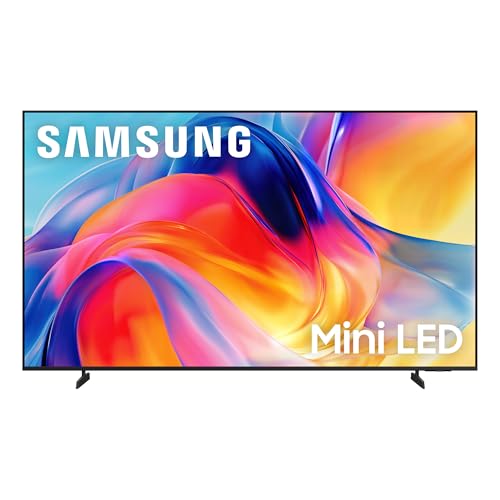
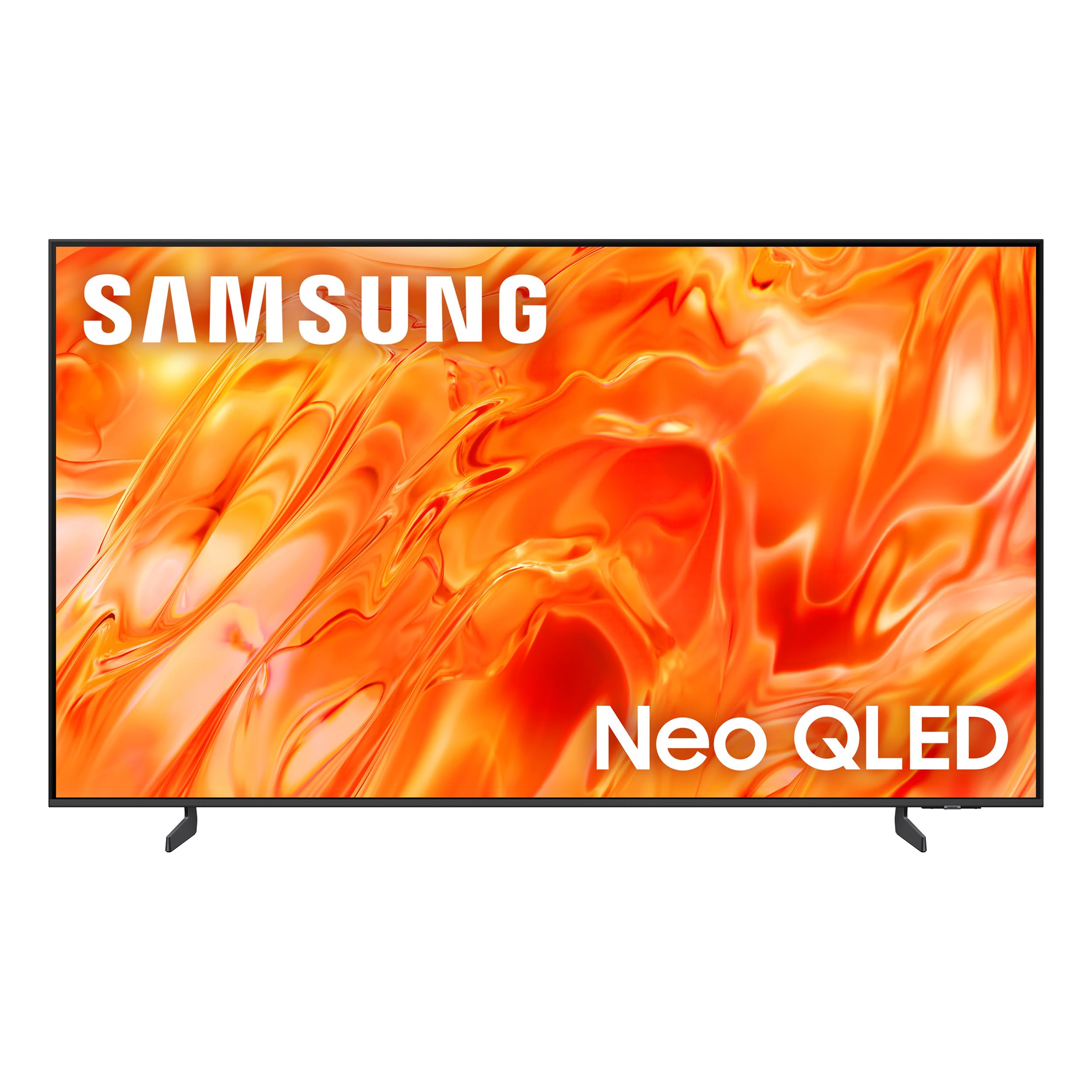

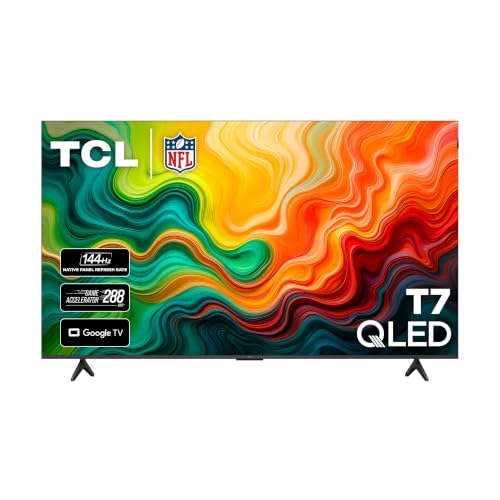
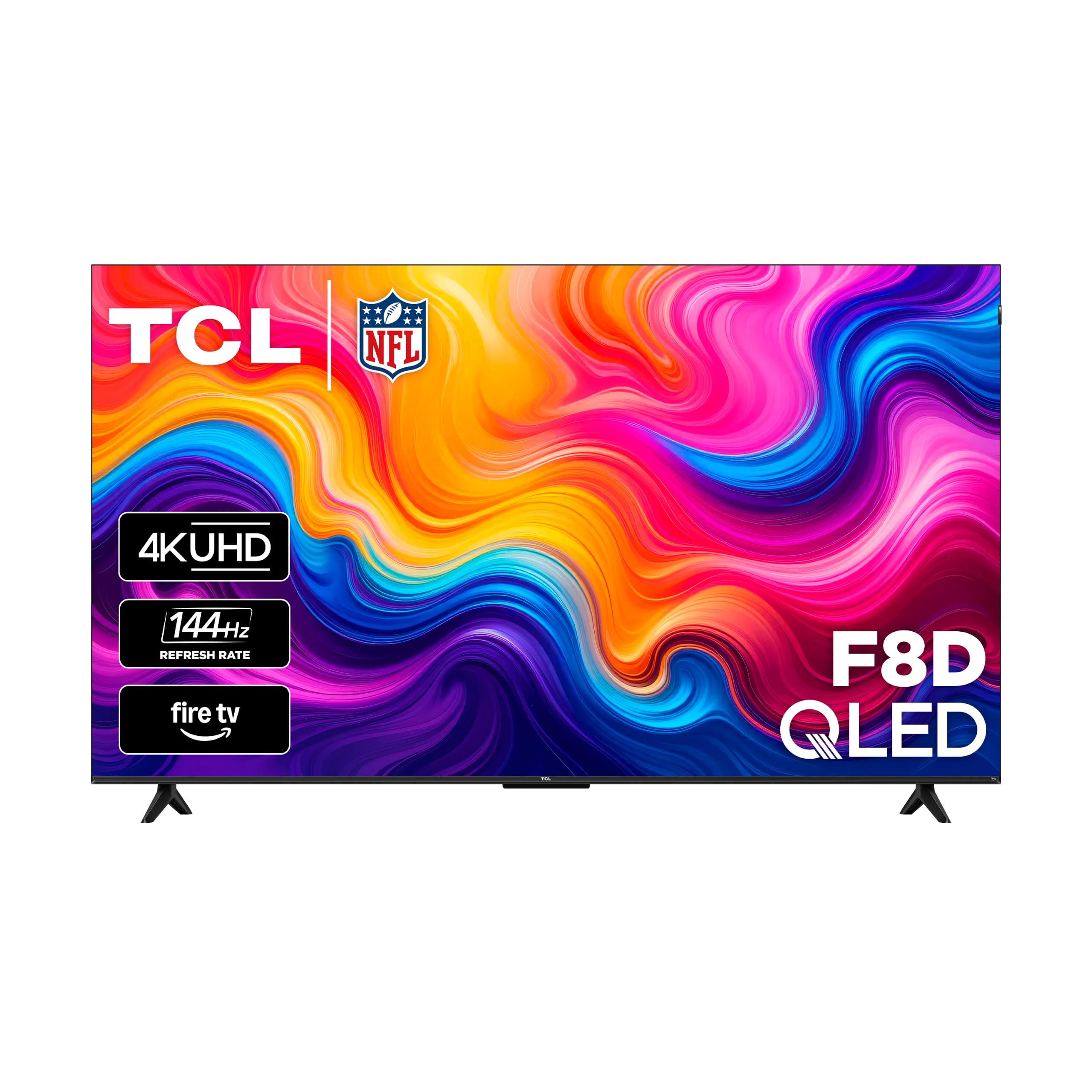
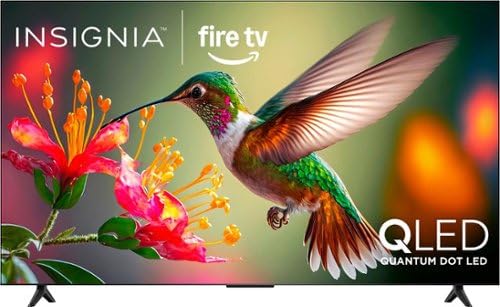
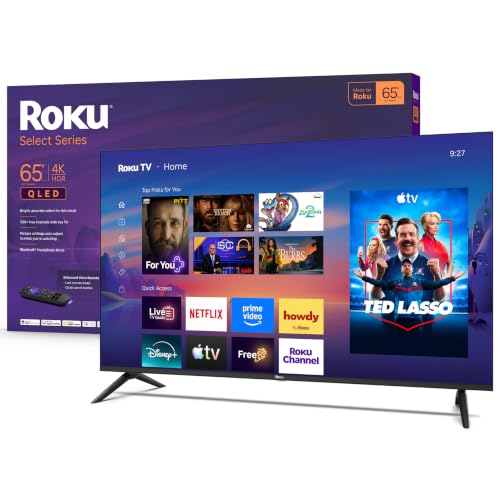
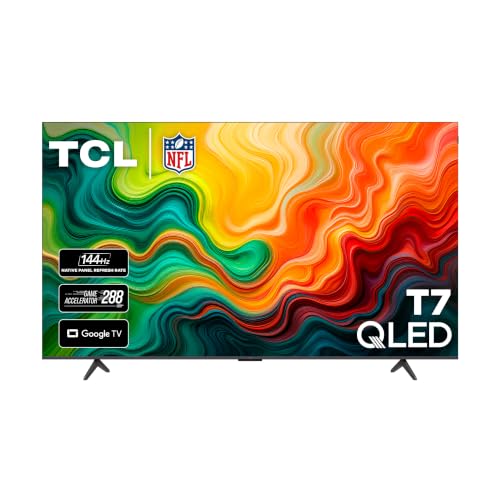

Who Should Buy Which 4K Large TVs?
Start by naming your main use, because that choice decides almost everything else. Screen size, brightness, and motion handling matter in different amounts for streaming, sports, gaming, and desk work. If you are still weighing screen size against other categories, see our guide to the best large tvs for a wider view of the options.
For Students and Everyday Users
If you mostly stream shows, watch news, and share the screen with roommates, value and reliability matter more than peak brightness. A 55 to 65 inch VA or IPS panel with a simple smart platform covers most needs and keeps the price sensible. Viewing angles matter in a shared room, so an IPS panel can help when seats spread out to the sides. Look for at least three HDMI ports, a headphone or Bluetooth audio option for late night viewing, and a stand that fits your furniture without wobbling.
For Remote Workers and Creators
A large 4K screen can double as a work display, and the extra space suits spreadsheets, timelines, and design work. For that role, text clarity comes first, so check that the TV handles a 4:4:4 color signal from a computer and offers a PC or game picture mode with low input lag. Creators should also care about color accuracy and a filmmaker or cinema preset that avoids heavy processing. A matte or low reflection finish helps if your desk faces a window during the day.
For Travelers and Commuters
If you move often, rent, or split time between two homes, think about weight and mounting before you fall for the biggest screen. Measure doorways, stair turns, and your car or elevator space, because a 75 inch panel is awkward to move without help. A lighter model with a standard VESA pattern and a simple stand is easier to pack and remount. Keep the original box if you can, since it protects the panel better than any blanket during a move.
For Movie Lovers and Sports Fans
Movie fans gain the most from deep contrast, so OLED and Mini LED panels with strong local dimming reward dark room viewing. Sports fans need the opposite strengths, namely high brightness and clean motion so the ball and players stay sharp during fast play. Both groups benefit from a screen large enough to fill the view at their seating distance. If image quality is your top priority, our guide to the best quality 4k tvs explains what separates a good panel from a great one.
Key Features to Compare
Features only matter when they change what you see or how the TV fits your room. Read each feature below against your routine from the section above, and skip the ones that do not change your daily viewing. For a broader size comparison, the guide to the best large screen tvs shows how the biggest screens differ from standard large models.
Adaptive Sync and Gaming Features
Gamers should look for HDMI 2.1 ports, variable refresh rate, and auto low latency mode. Variable refresh rate lets the TV match the frame rate of a console or PC, which removes screen tearing and smooths uneven scenes. Auto low latency mode switches the TV into its fastest picture mode the moment a console starts. At least one full bandwidth HDMI 2.1 port is essential for 4K play at 120Hz, and two are better if you own both a console and a gaming PC. If gaming is central to your setup, see our guide to the best gaming tvs 4k for a deeper look at these features.
Panel Technology (IPS, VA, OLED, Mini LED)
Panel type shapes contrast, color, and viewing angles more than any other spec. IPS panels hold color well from side seats but show weaker contrast in dark rooms. VA panels give deeper blacks and suit straight on viewing, while Mini LED versions add many dimming zones for brighter highlights. OLED panels control every pixel, so blacks are perfect and response is instant, though you should vary content and use the built in pixel care tools to reduce the risk of image retention over years of use.
Refresh Rate and Response Time
A native 120Hz panel draws smoother motion than a 60Hz panel, and the difference shows in sports, games, and camera pans across a landscape. Marketing numbers above the native rate usually describe processing, not real frames, so check the native rate in the spec sheet. Response time describes how fast pixels change, and lower values mean less blur behind moving objects. For film only viewing at 24 frames per second, a good 60Hz panel can still look fine, which is why your routine should drive this choice.
Measuring for Size and Portability
Measure your seating distance first, then choose a size that fills about 30 to 40 degrees of your view without forcing you to turn your head. Also measure the furniture, because many large TVs have feet set wide apart near the edges of the panel. Check the VESA hole pattern and the wall strength if you plan to mount, and confirm the mount can carry the weight with margin. Leave space behind the TV for cables and airflow, and plan a route for a soundbar if you want one.
Common Mistakes to Avoid When Buying 4K Large TVs
- Choosing size by price alone, then finding the screen overwhelms a small room or looks small in a large one.
- Ignoring the stand width and buying furniture that the TV feet cannot sit on safely.
- Skipping HDMI 2.1 and variable refresh rate when a current console is part of the plan.
- Judging the picture only in a bright showroom, where store settings hide weak contrast and reflections.
- Forgetting to check the warranty terms and the return window for panel defects such as dead pixels.
Most of these mistakes cost nothing to avoid. A tape measure, the spec sheet, and ten minutes with the manual online will answer nearly every sizing and port question before you order. For historical context on how far large screens have come, the roundup of the best tvs of all time shows which advances actually changed home viewing.
Tips to Get the Most From Your 4K Large TV
Start by leaving the vivid picture mode, which pushes color and sharpness past what the content intends. A cinema or filmmaker mode usually gives the most accurate picture with no tools at all. Turn off motion smoothing for films if you dislike the overly smooth look, but keep some motion help for sports if fast play looks blurry to you.
Care is simple. Clean the screen with a dry microfiber cloth only, and never spray liquid directly onto the panel. On an OLED, run the pixel refresh cycle when the TV prompts you and avoid leaving a static image on screen for hours. Update the firmware a few times a year, since updates often fix app and HDMI handshake issues.
4K Large TVs: Your Questions Answered
What size 4K large TV should I get for my room?
Match the size to your seating distance first. Sit about 4 to 6 feet from a 55 inch screen, 5 to 7.5 feet from a 65 inch screen, and 6 to 9 feet from a 75 inch screen for an immersive but comfortable view. If your seats vary, size for the main seat. A slightly smaller screen at the right distance looks better than a huge screen you sit too close to.
Is 4K worth it on a large TV?
Yes, 4K is worth it at large sizes because the extra pixels keep the image sharp when the screen fills more of your view. At 65 inches and above, the gap between 1080p and 4K is easy to see in fine detail such as faces, text, and grass on a sports field. Streaming quality still matters, since a low bitrate stream can look soft on any TV.
How long do 4K large TVs usually last?
Most modern large TVs last about 7 to 10 years of typical home use. The panel itself rarely fails first; backlights, power boards, and outdated smart apps are the usual limits. You can extend the useful life by adding a low cost streaming stick when the built in apps slow down, rather than replacing the whole TV for software reasons.
IPS vs OLED: which is better for a large TV?
OLED is better for dark room movies, while IPS is better for bright rooms with wide seating. OLED gives perfect blacks and instant response, but costs more and needs basic care with static images. IPS holds color from the side and resists image retention, yet its blacks look gray in a dark room. Choose by your room light and seating, not by a spec sheet alone.
Does refresh rate matter if you do not game on a large TV?
It matters less, but it is not irrelevant. A native 120Hz panel still smooths sports and fast camera moves, and it handles 24 frame film without the uneven pulldown some 60Hz sets show. If you watch mostly dramas and news, a good 60Hz panel is acceptable and saves money. Spend the savings on size or sound instead.
The Bottom Line
Choose by routine, then by room, then by panel. Size the screen to your seating, pick the panel that suits your light and seats, and confirm the ports your console, computer, and sound system need. The product table above pulls those choices together so you can compare the shortlist at a glance. When the fit is right, the best 4k large tvs disappear into the movie, the match, or the game, which is exactly what a large screen should do.


