
Best 4K HD TVs for 2026: A Practical Buying Guide
Disclosure: We may earn a commission when you buy through links on this page, at no extra cost to you. As an Amazon Associate I earn from qualifying purchases. Learn more

Compare the best 4k hd tvs by panel type, screen size, refresh rate, HDR brightness, gaming features and room fit, with plain advice for living rooms and bedrooms.
TV listings throw dozens of numbers at you, yet only a handful decide whether the picture will look right in your room. This guide sorts the best 4k hd tvs by the things that matter most, including panel type, brightness, screen size, and gaming support. You will learn how to match a TV to your seating distance, your light levels, and the shows, films, and games you watch most.
Start with the product table, then work through the buying guide to check each candidate against your room. A few minutes of measuring and honest thinking about your habits will narrow a long list to two or three solid choices.
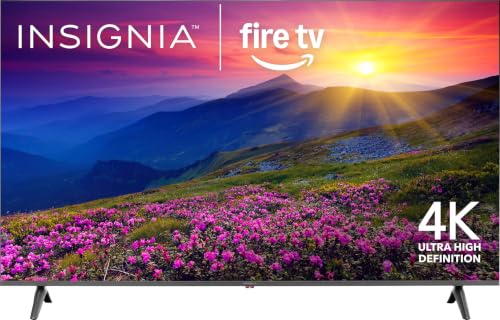
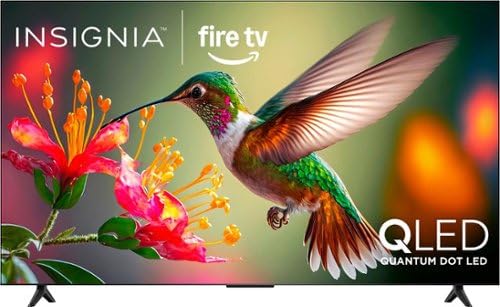
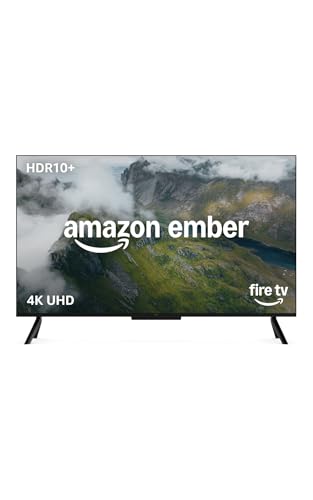
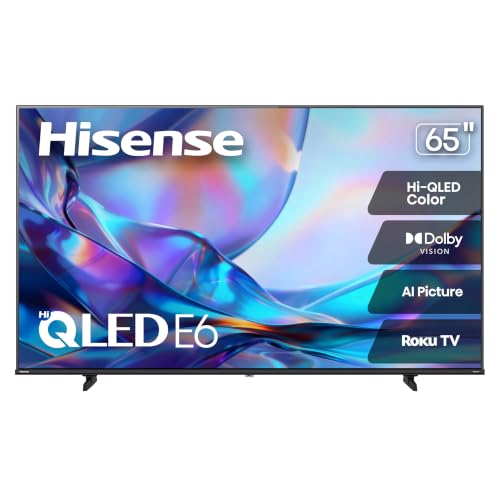
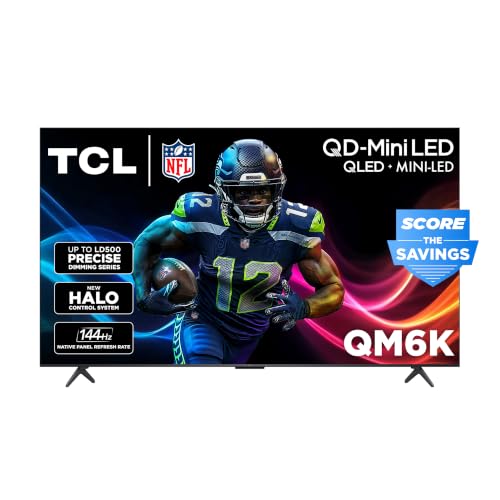

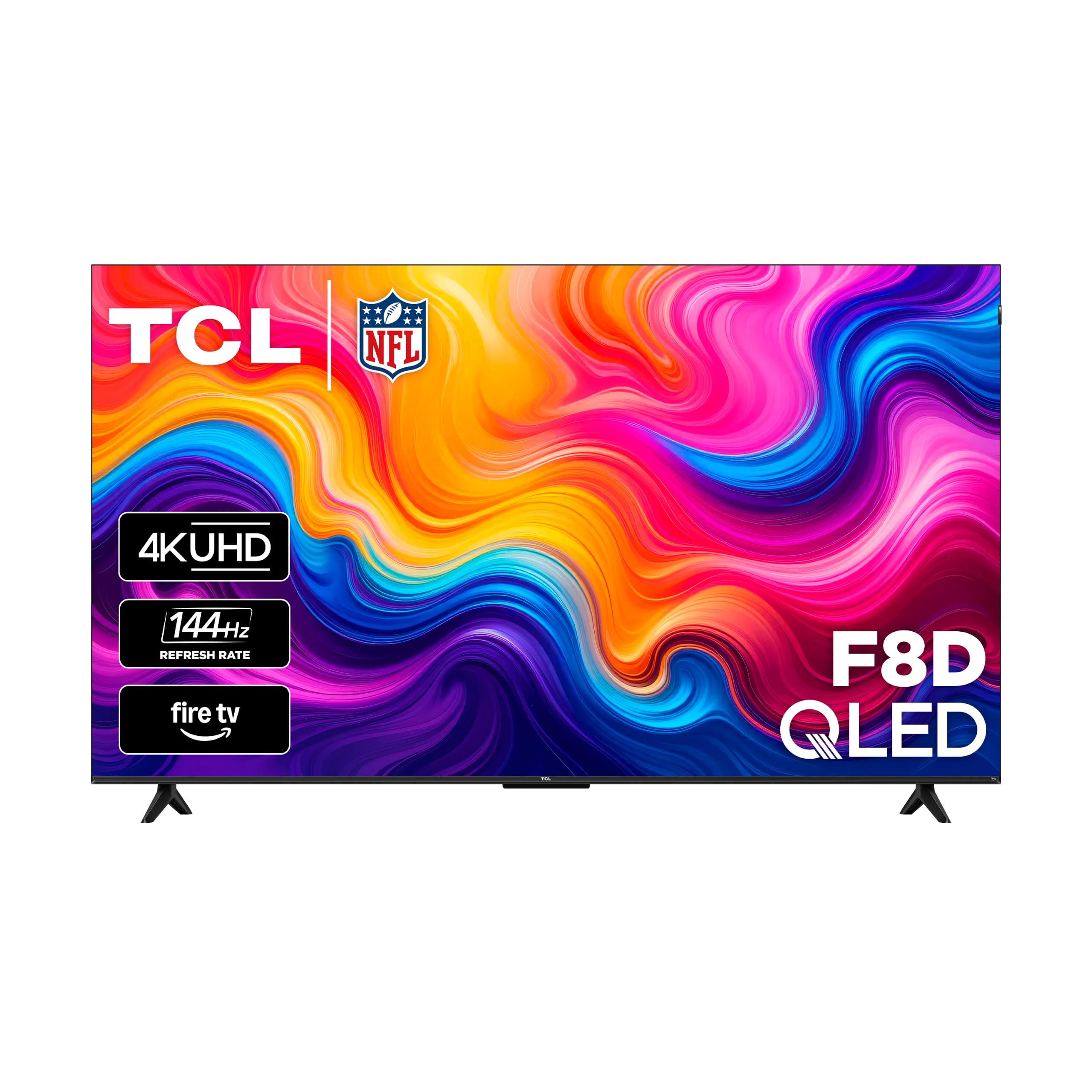
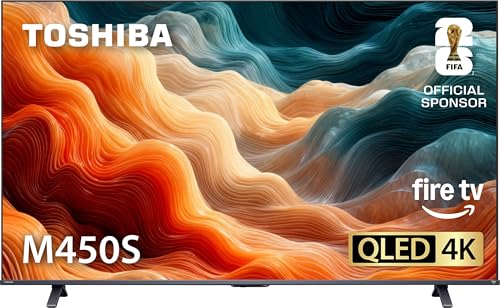
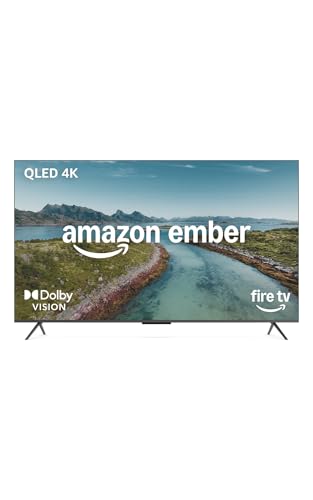
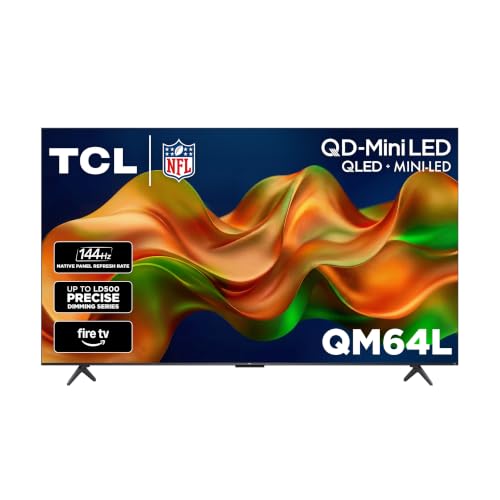
Tier Profiles at a Glance
Rather than naming winners, use these profiles to judge any model in the product table above. Each profile describes what a TV at that level should deliver, so you can spot when a price is fair and when a listing is charging more for style than for picture quality.
The Well Rounded Profile
A well rounded TV should pair a bright panel with strong contrast, accurate color out of the box, and at least two full bandwidth HDMI ports. Expect smooth motion for sports, convincing HDR highlights for films, and a smart platform that loads apps quickly. Around $700 to $1,200 covers many strong 55 inch and 65 inch options. The trade off at this level is usually sound, since slim TVs rarely include speakers with real bass, so plan for a soundbar if you want fuller audio for movies and live events.
The Value Profile
A value TV focuses on the panel and keeps the extras simple. Look for a VA or good IPS panel with direct backlighting at smaller sizes, solid HDR10 support, and a refresh rate of 60Hz, which is fine for news, streaming, and casual gaming. Prices around $300 to $600 are common for 43 inch to 55 inch sets. You give up some brightness and the fastest gaming features, but for a bright living room used mostly for streaming, this profile often delivers the most picture for the money you spend.
The Upgrade Profile
An upgrade TV earns its higher price with Mini LED or OLED panels, peak brightness that makes HDR highlights sparkle, and 120Hz motion for fast games and sports. Expect wide color coverage, low input lag, and sturdy build quality with a metal finish on larger sizes. Budgets around $1,200 to $2,500 are typical. The drawback is cost per inch, so measure carefully before jumping a size. Readers interested in picture purity may also enjoy our guide to the best quality 4k tvs, which focuses on accuracy above all else.
How to Choose the Best 4K HD TVs: Buying Guide
This is the core of your decision. Work through each feature in order, because panel type shapes everything else, while ports and stands decide whether the TV fits your home once it arrives.
Panel Technology (IPS, VA, OLED, Mini LED)
Panel type sets contrast and viewing angle. VA panels give deep blacks and suit movie nights in dim rooms, but their picture fades when you sit far to the side. IPS panels keep color steady from wide seats, which helps in broad living rooms, though blacks look more gray in the dark. OLED gives perfect blacks and fast response, with a small risk of burn in if a static logo stays on screen for many hours a day. Mini LED uses many small backlight zones for high brightness and strong contrast, and it suits bright rooms well.
Resolution and Screen Size
All TVs in this class show a 4K picture, so size and distance matter more than pixel count. Sit about 5 to 7 feet from a 55 inch screen or 6 to 9 feet from a 65 inch screen for an immersive view that still looks sharp. If you sit closer than that, a smaller screen will look cleaner and cost less. Measure your wall and stand width before ordering, and leave a little space on each side for airflow. A TV that overwhelms a small room makes even great content tiring to watch.
Refresh Rate and Response Time
Refresh rate tells you how often the picture updates each second. A native 60Hz panel is fine for films and broadcast TV, while 120Hz helps fast sports and modern consoles look smoother. Beware of marketing labels that double the real rate, and look for the word native in the specification. Response time affects ghosting behind moving objects, and values under 10 milliseconds are good for casual play. Serious gamers should also check input lag in game mode, where under 10 milliseconds keeps controls feeling direct and responsive.
Adaptive Sync and Gaming Features
Adaptive sync matches the TV refresh to the frame output of a console or PC, which prevents tearing during fast motion. Look for HDMI 2.1 ports, variable refresh rate support, and auto low latency mode, which switches the TV into game mode on its own. One HDMI 2.1 port may be enough if you own one console, but keen players with two consoles and a soundbar should count ports carefully. If gaming is a side interest rather than a main use, our guide to the best hd tvs covers simpler sets that still handle casual play well.
HDR and Brightness
HDR expands the range between dark shadows and bright highlights. HDR10 is the baseline format, while Dolby Vision adjusts brightness scene by scene and often looks better on mid brightness sets. Brightness is quoted in nits, and around 400 nits is a sensible floor for HDR that you can actually see, with 800 nits or more giving a clear step up in a sunny room. Local dimming zones matter too, because they let bright objects shine without lifting the black level of the whole screen.
Stand, Mounting, and Ergonomics
Check whether the stand feet are wide apart or centered, because wide feet need a long bench. Most TVs support VESA wall mounting, and the pattern size grows with screen size, so confirm your bracket matches. Cable routing through the stand keeps the setup tidy and reduces strain on ports. If you plan to use a soundbar, measure the height below the screen so the bar does not block the remote sensor or the bottom of the picture. Small details like these decide whether a great panel is pleasant to live with.
Types of 4K HD TVs
Most models fall into a few broad groups. Knowing which group fits your viewing saves you from paying for strengths you will never use.
Gaming TVs
Gaming focused TVs combine 120Hz panels, HDMI 2.1 ports, adaptive sync, and game menus that show frame rates at a glance. They suit players who split time between console games and streaming. The downside is that some gaming models trade a little picture processing quality for speed. If you compete online or play fast shooters, this group deserves your budget first.
OLED TVs
OLED TVs light each pixel on its own, giving unmatched contrast and viewing angles that stay true from almost any seat. Films with night scenes look superb, and response is nearly instant. Prices run higher and peak brightness is lower than Mini LED, so a very bright room can wash out the advantage. They fit film lovers who control their room light and vary what they watch.
Budget TVs
Budget TVs use simpler backlights and 60Hz panels, but many still offer a pleasing 4K picture for streaming and broadcast. They suit bedrooms, kitchens, and first apartments where cost matters most. Expect weaker HDR, basic speakers, and fewer ports. Choosing a slightly smaller size at this level often buys a better panel, which is a smart exchange for most rooms. For a look at how far the category has come, see our guide to the best tvs of all time.
Large Screen Options
Screens of 75 inches and above turn a living room into a small cinema and make sports feel like an event. They need viewing distances of about 8 feet or more, a strong wall bracket or a wide stand, and help during delivery and setup. Picture flaws also grow with size, so panel uniformity and processing quality matter more here. If your room and budget allow it, this group gives the biggest jump in immersion.
Picking the Right 4K HD TVs for Different Uses
Room size shapes the right choice as much as budget does. One common case deserves a closer look, because smaller 4K sets follow different rules than the big screens most guides assume.
Best 40in 4K HD TVs
The best 40in 4k hd tvs fit desks, dorms, and small bedrooms where you sit 3 to 5 feet away. At this size, panel quality and viewing angle matter more than screen area, so favor a bright VA or IPS panel with good color. Many sets in this class double as computer monitors, so check for a PC mode with clean text rendering, low input lag, and at least one HDMI port that accepts a full 4K signal at 60Hz. Stand depth is often the deciding factor on a narrow desk.
Setup and Care Tips
A few simple steps after unboxing will improve the picture and help the TV last.
- Calibrate picture settings by turning off vivid mode and choosing a movie or filmmaker preset, then adjust brightness for your room light.
- Use the pixel refresh tools on OLED models as the menu suggests, and vary content to reduce the risk of image retention.
- Clean the screen with a dry microfiber cloth only, since sprays and rough cloths can damage the surface coating.
- Use quality HDMI 2.1 cables for 4K at 120Hz, and keep cable runs as short as your setup allows for a stable signal.
- Leave space behind the TV for airflow, and plug it into a surge protector to guard against power spikes.
If you are still deciding between resolution labels and marketing terms, our guide to the best 4k ultra hd tvs explains the naming in plain language.
FAQs
IPS vs OLED: which is better for a 4K HD TV?
OLED is better for contrast and film viewing in a controlled light room, while IPS is better for wide seating and bright spaces. A point buyers often miss is longevity of habits, because a TV showing the same news channel all day is safer on IPS. Think about your brightest viewing hour and your most common seat, and let those two facts choose the panel for you.
Is 4K worth it on a TV?
Yes, 4K is worth it at normal living room distances, especially on screens of 50 inches and above. Streaming services now deliver most major releases in 4K, so the content is easy to find. One extra benefit is resale and longevity, since a 4K set will stay current with new consoles and streaming boxes for years, while a lower resolution set can start to feel dated much sooner.
Does refresh rate matter for non gamers?
It matters a little, mainly for live sports and fast camera pans in films. A 120Hz panel with good motion processing looks smoother during football or racing, even if you never play games. For news, drama, and documentaries, a 60Hz panel is honestly enough. Spend the difference on better brightness or a soundbar instead, and your daily viewing will improve more than it would from a higher refresh rate alone.
What size TV should I get for my room or desk?
Measure your viewing distance first, then pick the largest size that keeps the whole picture comfortable to follow. As a guide, 43 to 50 inches suits 4 to 6 feet, 55 to 65 inches suits 6 to 9 feet, and larger sets need more room. Also measure doorways and stairs before ordering a big screen, because delivery access is a common and avoidable problem with the largest models.
How long do 4K HD TVs last?
Most modern TVs last about 7 to 10 years of regular use before brightness fades or parts become hard to find. Backlight health is the usual limit on LED models, while OLED panels can slowly lose brightness with very heavy use. Keeping brightness at a sensible level rather than maximum, and using a screen saver for paused images, are simple habits that extend the useful life of any panel.
Final Thoughts
Put panel type, brightness, and size at the top of your list, then check gaming ports and stand fit before you buy. Match the tier profile to your budget instead of chasing the longest feature list. Do that, and the best 4k hd tvs for your home will be easy to spot in the product table above, ready for years of films, sports, and games.


