Best 4G Smart Watches: Types Compared and How to Choose for 2026
Disclosure: We may earn a commission when you buy through links on this page, at no extra cost to you. As an Amazon Associate I earn from qualifying purchases. Learn more
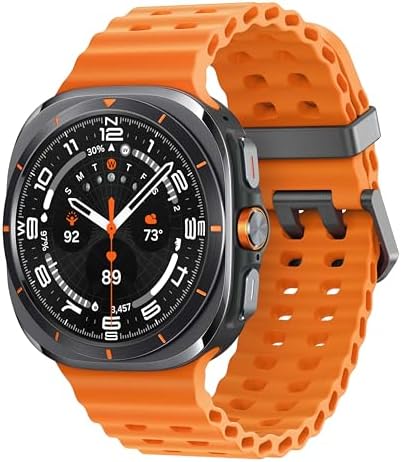
Confused by all the options? We compare every type of 4g smart watch side by side so you can choose the best 4g smart watches for your space and budget.
A watch with its own 4G connection can take calls, stream music, and call for help while your phone stays at home. Yet connected watches come in several very different types, with different case sizes and a wide spread of prices. This guide sorts the types clearly so you can find the best 4g smart watches for your wrist and your routine.
You will see how the main types of connected watch differ, and which features deserve your money. Start with the comparison table below, then read the type and fit sections that match your plans. For a plainer shortlist of cellular models, see our guide to the best 4g watches as well.


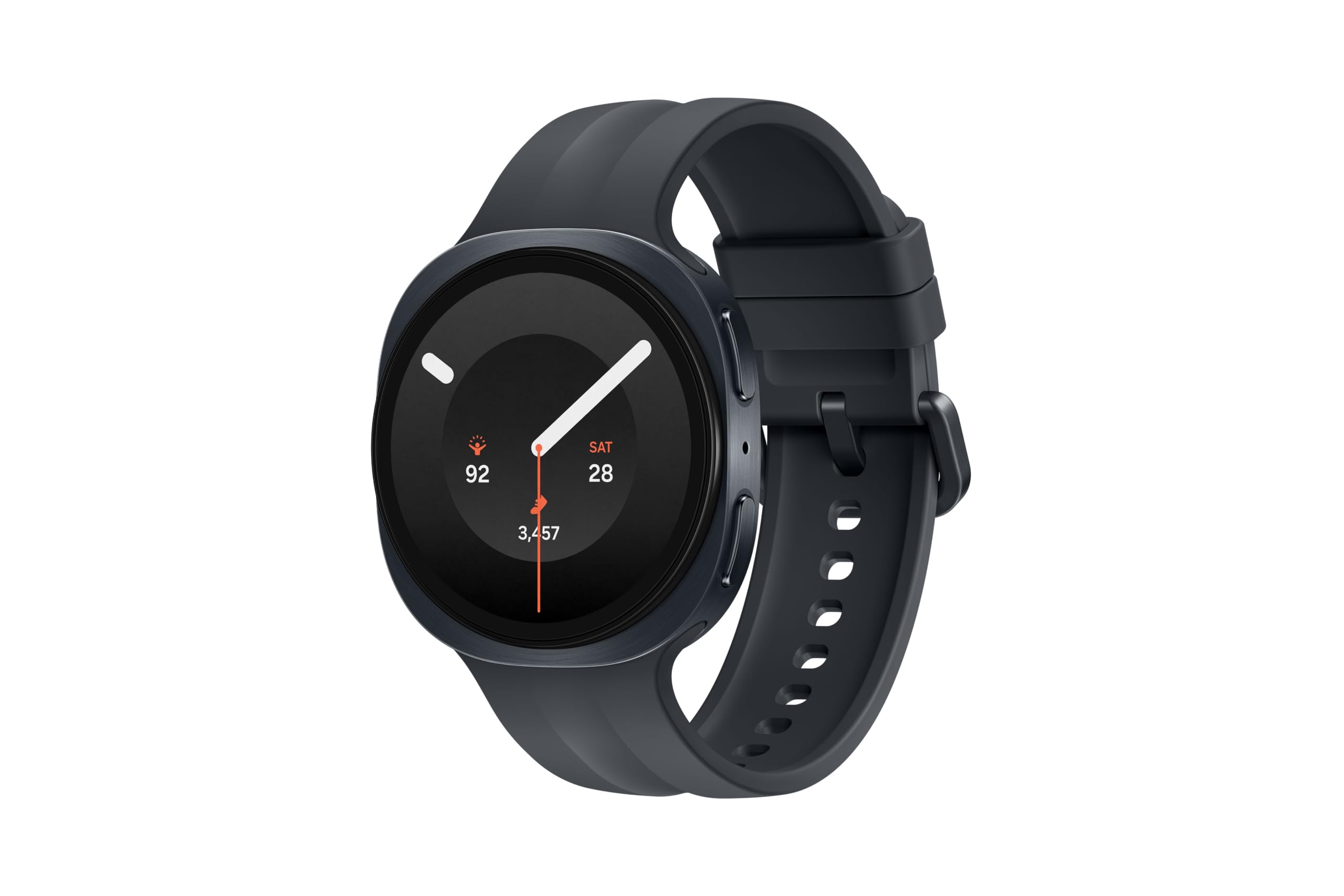
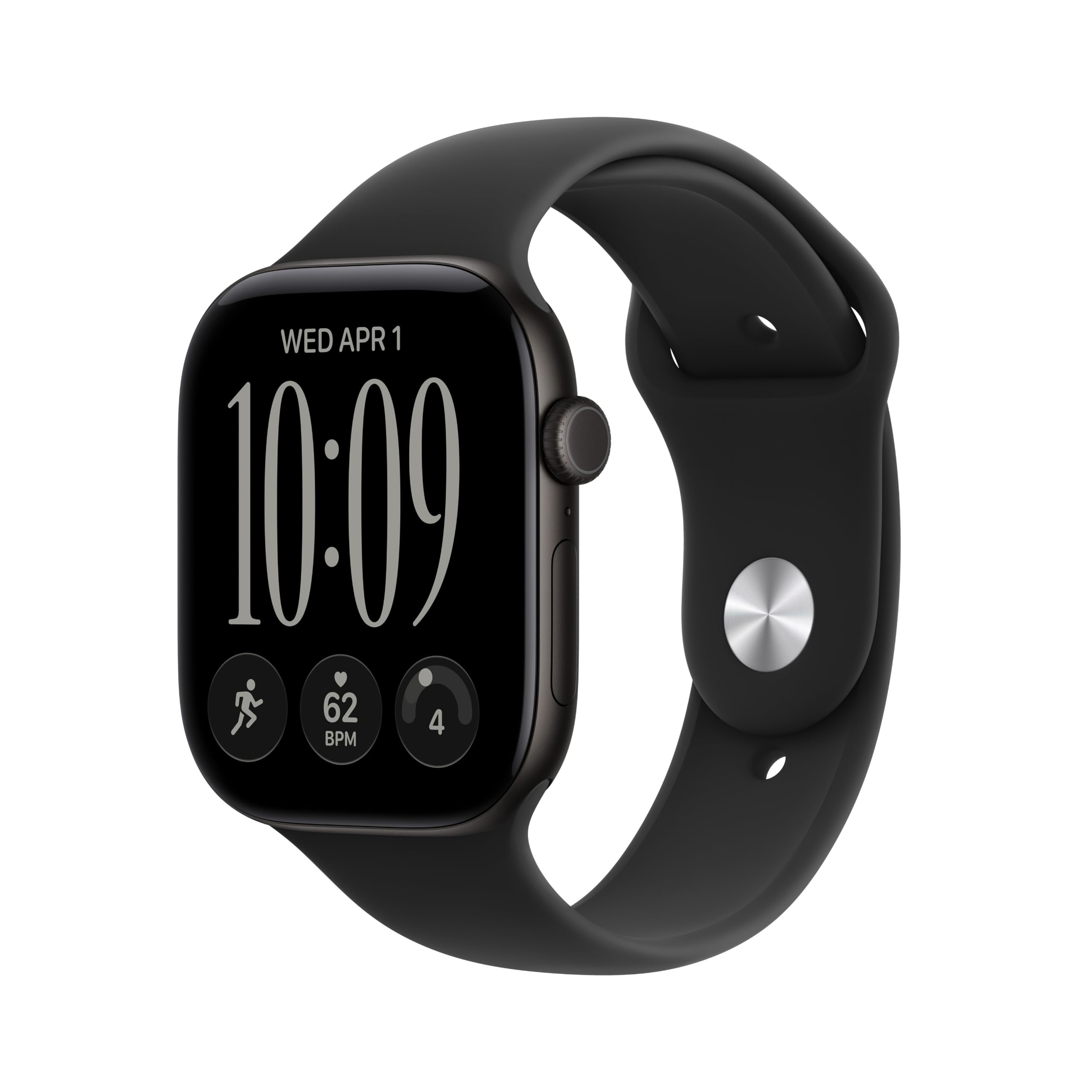
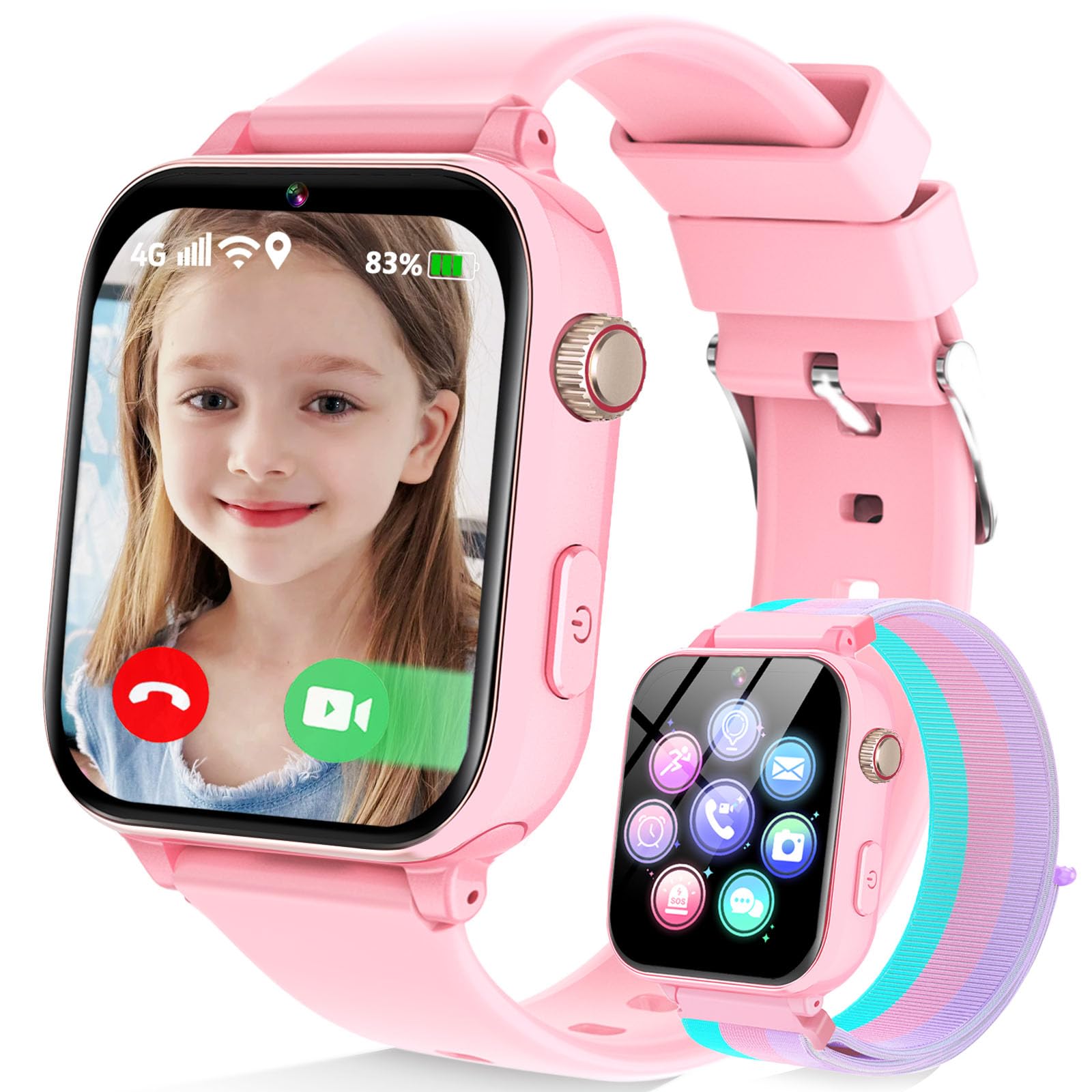

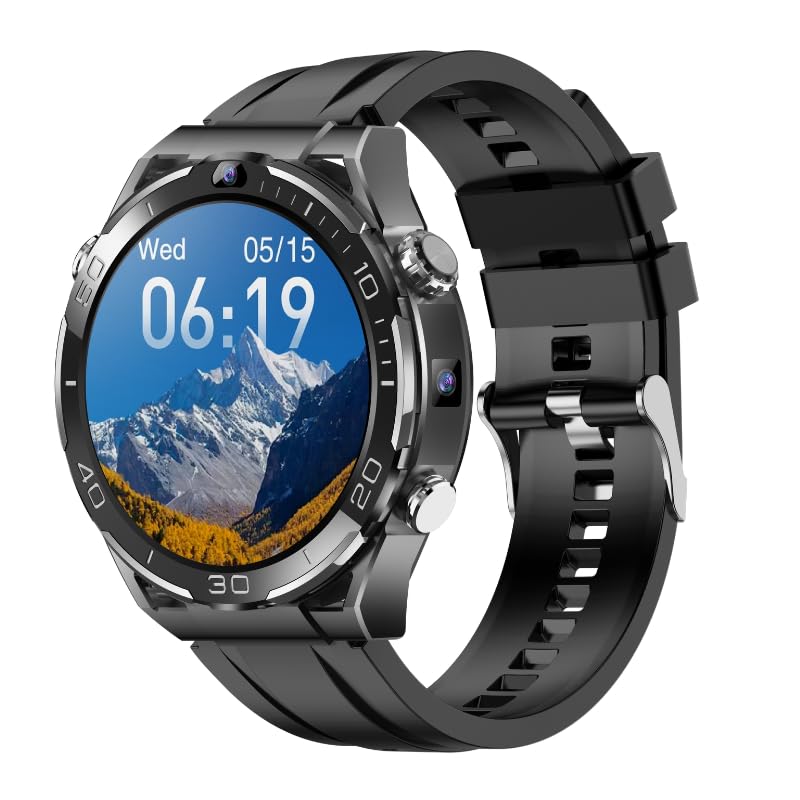
Types of 4g Smart Watches Compared
Four types cover almost every 4G smart watch on sale. Kids safety watches usually cost about $50 to $100, budget Android watches about $100 to $250, standalone watches from the big phone makers about $300 to $700, and rugged outdoor models sit at the top of that range. The right type depends on who wears the watch and what it must do when the phone is not nearby.
Kids Safety Watches
These watches pair a SIM, GPS location, and simple calling with a durable, colorful case. Parents choose approved contacts and can see where the watch is through an app. They suit children of roughly four to twelve who need to reach family without owning a phone. Expect small screens, basic apps, and battery life of about one to two days. Follow the maker's instructions for setup, privacy settings, and the monthly plan.
Budget Android Watches
Budget Android watches use a SIM slot and a full Android style system at a low price, often with a large screen and a camera. They can take calls, run basic apps, and track steps. The trade offs are slower chips, shorter software support, and battery life that may last only a day. They suit shoppers who want calls on the wrist without a large spend, as long as they accept some compromises.
Standalone Smart Watches From Phone Makers
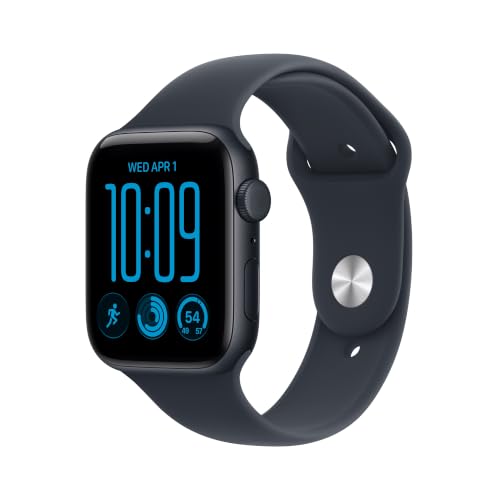
The major phone makers sell cellular versions of their watches that call, text, stream music, and track workouts without the phone. They offer the best screens, sensors, and software support, plus easy number sharing with a paired phone. They need a compatible phone and a monthly watch plan, and they cost the most. These suit people who want the most polished experience and plan to keep the watch for years.
Rugged Outdoor Watches
Rugged models add GPS, compass and depth tools, and strong cases to a cellular radio. They suit hikers, runners, and anyone who works outdoors and wants safety features and location sharing. Battery life is better than on slim watches, though heavy GPS use still drains it quickly, and the cases are larger and heavier.
Kids Safety Watches vs Standalone Smart Watches: Which Should You Choose?
These two types answer different needs. A kids watch focuses on location and simple calling with parent controls, while a standalone smart watch is a full companion for an adult with apps, health sensors, and music. The kids type costs far less and survives knocks, but it cannot do much beyond calling and tracking.
Cost of ownership differs too. Both need a monthly plan, usually around $10 to $15, so add the plan to the price over two years before judging either as cheap. If the wearer is a child, choose the kids type. If the wearer is an adult who wants fitness tracking and notifications, choose the standalone type, and look at a budget Android model only when price is the top concern.
How to Choose the Right 4g Smart Watch
Platform comes before everything else, because a cellular watch must match your phone and your carrier. If you use an Android phone, our guide to the best smart watches android explains which models pair smoothly and support standalone plans. Confirm that your carrier offers a watch plan and that the model supports its LTE bands.
Processor, Screen and Battery
A connected watch is a small computer, and its real specs are the chip, the screen, and the battery. A newer chip means smoother menus and longer support, while the radio is what drains power fastest on calls. Expect one to two days per charge with cellular use, far less than a traditional watch battery.
Think of charging as the maintenance you trade for connection. If nightly charging annoys you, choose a model with a larger battery and a dimmer always on setting. Be honest about your habits, because a dead watch tracks nothing.
Legibility and Style
On a smart watch, legibility means screen brightness outdoors, text size you can adjust, and watch faces with strong contrast. Most buyers should judge the display at noon in bright light. A quick release strap system lets you swap between sport and leather bands in seconds, which stretches one watch across work and workouts.
Style decides whether you actually wear it daily, so browse our guide to the best looking smart watches if appearance ranks high for you. Slim cases suit dress shirts, while bold cases read sporty even with plain faces. Pick a look that matches most of your wardrobe, not just your gym kit.
Case Size and Wrist Fit
Most connected watches come in case sizes around 40 to 47 mm, and fit matters more than the number suggests. Measure your wrist, then check lug to lug length, because overhang looks and feels awkward. Thickness counts too, since taller cases catch on cuffs and feel heavy during sleep tracking.
Smaller wrists usually land near 40 to 42 mm, while larger wrists carry 45 mm and up with ease. Try the watch with the strap you will use most, since a stiff sport band changes the feel. A light, well fitted watch disappears on the wrist, and that comfort is what keeps you wearing it.
Water Resistance Rating
Ratings confuse buyers, so here is the plain version. A 30 m rating means splash resistance only, despite the number, and it should stay out of the shower. A rating of 50 m or a 5 ATM label handles showers and pool swimming for most smart watches, while 100 m and above suits open water and high speed sports.
Remember that seals age and that hot water, soap, and sauna heat are hard on any watch. Rinse a cellular watch after swimming and let it dry before charging. If you dive or surf often, choose a model built and rated for it rather than trusting a basic rating.
Brand Reputation, Warranty, and Value
With connected watches, the brand behind the software matters as much as the hardware. Look for a maker with a record of updates, a warranty of at least one year, and service options in the United States. A watch abandoned by updates loses apps and security fixes quickly, whatever the case is made of.
Value also includes the monthly carrier fee for the watch line, often around $10 to $15, plus the cost of spare chargers and bands. Add those up over two years before judging a price as cheap or steep. Strong resale value on popular models can soften the total cost when you upgrade.
Choosing 4g Smart Watches for Your Situation
Best 4g Smart Watches under 100: Which Type Works Best
Shoppers searching for best 4g smart watches under 100 should expect compromises and choose them wisely. At around $100 or less, keep the cellular radio, GPS, and a bright screen, and give up premium case materials and advanced health sensors. Our guide to the best affordable smart watches shows where budget models cut corners safely and where they cut too deep.
Best Verizon 4g Smart Watches: Which Type Works Best
If your phone line is with Verizon, best verizon 4g smart watches are simply the models that carrier certifies and supports on a watch plan. Confirm the watch supports the right LTE bands, ask whether number sharing is included, and check the monthly fee before buying. A watch bought for another network may connect poorly or not activate at all, so buy the carrier matched version.
Setup and Care Tips
- Rinse after saltwater exposure. Salt and sand damage seals and straps, so rinse with clean water and dry the watch before charging.
- Store away from magnets. Strong magnets can affect sensors, so keep watches off speaker cabinets and magnetic clasps.
- Check the plan before you travel. Confirm that the watch plan works where you are going, and keep the paired phone updated so number sharing keeps working.
- Charge on a schedule. A nightly top up on the nightstand beats deep discharges, which age small watch batteries faster.
- Clean the case back sensors. A soft cloth keeps heart rate and sleep tracking readings consistent.
Frequently Asked Questions
How water resistant should a watch be?
For a smart watch you swim with, choose at least a 5 ATM or 50 m rating and follow the maker guidance on buttons in water. For daily wear with hand washing and rain, splash resistance is enough. Divers and surfers should pick models with a 100 m rating or higher that are built for the sport.
What case size fits my wrist?
Measure your wrist circumference and match it to case size: wrists under about 6.5 inches usually suit 40 to 42 mm cases, while larger wrists suit 44 mm and up. Lug to lug length should not exceed the flat width of your wrist. When in doubt, the smaller size wears comfortably for more hours a day.
Is a smartwatch worth it over a classic watch?
It is worth it if you will use calls without your phone, workout tracking, or safety features like fall alerts and location sharing. If you only want the time, a traditional watch does that job with far less charging and fuss, and many people keep one of each.
How long does a watch battery last?
A cellular smart watch typically lasts one to two days per charge, less with long calls or GPS workouts. The battery itself fades over about two to four years of daily charging, and many makers offer paid replacement. Your charging tolerance should guide your choice as much as any feature list.
Do I need a separate data plan?
Yes. A 4G smart watch needs its own cellular plan to call and use data without the phone, usually added to your existing line for about $10 to $15 a month. Check that your carrier supports the watch model, and ask whether number sharing is included.
Final Thoughts
Decide the job first: connection and health tools point to a cellular smart watch, while a plain traditional watch suits anyone who never needs a connection. Then fit the case to your wrist, confirm carrier support, and budget for the monthly watch plan. Check the product table above and choose the best 4g smart watches that you will happily wear and charge every day.