Best 48000 Grain Water Softener: Buying Guide (2026)
Disclosure: We may earn a commission when you buy through links on this page, at no extra cost to you. As an Amazon Associate I earn from qualifying purchases. Learn more

Single tank, cabinet or dual purpose: how to size and choose a 48000 grain water softener, from regeneration math to costs.
Choosing a softener in this size sounds simple until you compare valve types, tank layouts, and flow ratings and realize that two systems with the same grain rating can behave very differently in your home. This guide to the best 48000 grain water softener options sorts those differences by installation and compatibility, build quality, and features. Use the comparison table below to see the main types side by side, then read on for the sizing math. Our broader guide to the best water softener sizes covers smaller and larger homes if your numbers point elsewhere.



Types Compared at a Glance
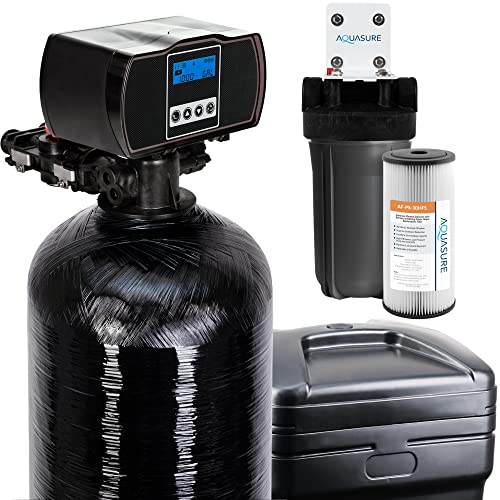
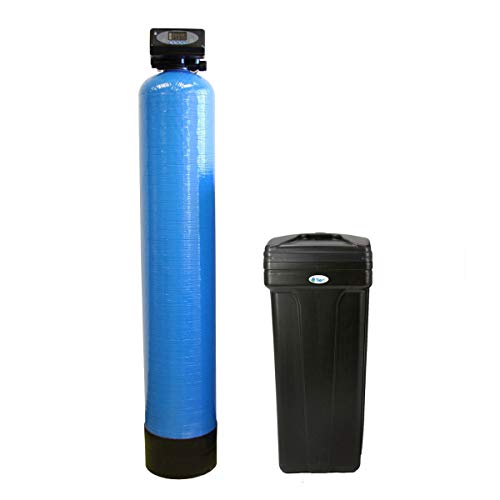
At this capacity, most systems fall into three layouts. A single tank salt based system pairs a resin tank with a separate brine tank and suits most homes. A cabinet style system hides both tanks inside one housing and fits tighter utility spaces. A dual purpose system adds filtration media or a second tank to handle iron or sediment along with hardness. All three can carry a 48000 grain rating, so the layout, valve, and flow rate matter more than the headline number alone.
Three Types Worth Considering in This Size
Single Tank Salt Based Systems
This is the most common layout at 48000 grains, with a resin tank beside a separate brine tank that holds salt for regeneration. The separate brine tank is easier to fill, easier to clean, and easier to replace on its own if it ever cracks. These systems remove calcium and magnesium through ion exchange, which is true softening rather than conditioning. Choose this layout if you have floor space near your main water line and want the widest choice of valve styles and replacement parts.
Cabinet Style Systems
A cabinet system places the resin tank inside the same housing as the salt storage, which gives you a smaller footprint and a tidier look in a laundry room or garage corner. The trade off is access. Adding salt is simple, but reaching the resin tank for service takes more work, and the compact housing can limit brine capacity between fills. Pick this layout when space is the deciding factor and your household can accept slightly more hands on attention during service visits.
Dual Purpose Systems With Added Filtration
Some 48000 grain systems pair the softening resin with added media that targets iron, manganese, or sediment before water reaches the resin bed. That pairing protects the resin from fouling and handles two problems with one unit, which matters on many private wells. If your water comes from a well, compare this layout against the dedicated options in our guide to the best water softener for well water before you decide. City water users with low iron levels rarely gain enough from the added media to justify the higher price.
How to Evaluate a 48000 Grain Water Softener
Start with the specification sheet from the manufacturer, not the marketing headline. Confirm the rated grain capacity, the service flow rate, the resin volume in cubic feet, and the salt usage per regeneration. Then check buyer feedback for patterns about valve reliability, leaking fittings, and how the seller handles warranty claims. Certifications and warranty length round out the picture.
How to Choose the Right Water Softener
Choosing the best 48000 grain water softener for your home comes down to matching the system to your water, your plumbing, and your habits. The factors below walk through that match in order, from size and type to budget.
Size and Form Factor
Grain ratings step up through 32000, 40000, 48000, 64000, and 80000 grains, and each step adds resin volume and tank height. A 48000 grain unit usually holds about 1.5 cubic feet of resin and stands roughly four feet tall for the resin tank alone. Measure your ceiling clearance, door width, and floor area before ordering, and leave room to lift the brine tank lid and pour in salt bags that weigh about 40 pounds each. Tight mechanical rooms sometimes rule out the layout you first wanted.
Type
Salt based systems soften water through ion exchange and remain the standard for removing hardness minerals. Salt free systems condition water so minerals form crystals that rinse away more easily, but they do not remove calcium and magnesium, and they do not leave that slippery soft water feel. Our comparison of salt vs salt free water softener systems explains the chemistry in plain terms. Dual tank systems regenerate one tank while the other stays in service, magnetic units lack strong independent evidence, and portable units serve RVs and small hookups rather than whole homes.
Features Worth Paying For
A metered control valve is the feature most worth your money, because it tracks the water you actually use and regenerates only when the resin needs it, saving salt and water compared with a simple timer. An iron filter stage helps if your water stains fixtures orange, while a carbon stage reduces chlorine taste and odor on city water. Note that softening and filtering solve different problems, as our guide to water softener vs water filter choices makes clear. WiFi alerts are convenient, and a bypass valve is close to essential for maintenance.
Measurements and Compatibility With Your Setup
Check your main line size, usually 3/4 inch or 1 inch, and match the softener connections to it so you do not restrict flow. Confirm you have a drain within reach for regeneration discharge and an electrical outlet near the valve head for the control unit. Water pressure between about 20 and 120 psi suits most residential systems. If you plan the job yourself, read our walkthrough on how to install a water softener first so you can spot missing shutoff valves or drain access before the unit arrives.
Certifications
Look for softeners certified to NSF/ANSI Standard 44, which covers efficiency and capacity claims for residential ion exchange systems. Lead free certification for valves and fittings matters because every drop of household water passes through them. WaterSense is an EPA program aimed mainly at water using fixtures, so do not treat its absence on a softener as a flaw. What counts is that the capacity and salt efficiency figures on the box come from a recognized standard rather than from the seller alone.
Do It Yourself vs Professional Installation
If your home already has a softener loop with a bypass and drain in place, swapping in a new unit is a manageable weekend job for a confident homeowner. Cutting into a main line, adding a drain, or working with older galvanized pipe points toward hiring a plumber. Professional labor varies widely by region and plumbing condition, so review the ranges in our breakdown of water softener installation cost before you request quotes. Ask each plumber whether the quote includes fittings, a bypass, and hauling away the old unit.
How Much Should You Spend?
Most 48000 grain systems for home use sell for about $500 to $1,000, with basic timer valve models near the low end and metered, higher flow models near the top. Under about $500 you usually give up metering or resin volume. Between about $500 and $1,000 you get the features most households need. Above about $1,000, you are paying for dual purpose filtration, larger connections, or a longer warranty. Budget separately for salt, which costs a modest amount each month, and for installation if you hire help.
Is a 48000 Grain Water Softener the Right Size for You?
Do the math with three numbers: people in your home, about 75 gallons per person per day, and your water hardness in grains per gallon. A household of four with hardness of 15 grains per gallon uses about 4,500 grains of capacity per day. Against a 48000 grain rating, that points to regeneration roughly once a week once you allow for the reserve the valve keeps aside, which is a healthy interval. Regenerating every two or three days signals an undersized system, while stretching past two weeks can let the resin bed sit idle too long. Households of five or six with very hard water may need 64000 grains, while couples in small homes often do well with 32000.
Bathroom count refines the estimate. Each added bathroom raises peak demand in the morning, when showers, toilets, and laundry compete, so a four bathroom home needs the flow rate to match even if total daily use looks moderate. Check the service flow rating, often about 10 to 12 gallons per minute at this size, against your busiest hour rather than your daily average.
FAQ
What is the best 48000 grain water softener?
The strongest choice pairs a metered valve, about 1.5 cubic feet of resin, and a service flow rate that covers your peak demand without a sharp pressure drop. Look at the pressure loss figure at the rated flow, since a system can list a high flow number while losing several psi to deliver it. Match those traits to your hardness and household size and you have a better answer than any single model name, because the right pick changes with your water test results.
What size water softener do I need?
Start by learning your actual hardness instead of guessing from a regional map. Many city water reports publish hardness for free, and an inexpensive test kit or a sample mailed in for analysis gives you a firm number for well water. Multiply hardness by your daily water use to get daily grain demand, then pick a capacity that regenerates about once a week. If your result lands between two sizes, the larger one usually wastes less salt per gallon softened over time.
How long does a 48000 grain water softener last?
The resin inside the tank typically lasts about 10 to 15 years before its softening ability fades, and the control valve often needs seals or a motor sooner than that. Hard water with high chlorine or iron shortens resin life, because both attack the resin beads over time. The tanks themselves can serve far longer. Plan on resin replacement rather than a whole new system when capacity drops but the valve and tanks remain sound, and keep the model numbers recorded so ordering the correct resin volume is simple.
Is a 48000 grain water softener worth it for a home?
For homes with moderate to high hardness, yes, mainly because soft water stops scale from building inside your water heater and dishwasher, where it forces heating elements to work harder. You will also use less soap and detergent, since minerals in hard water react with soap and reduce its cleaning power. The value case weakens if your hardness is low, around 3 grains per gallon or less, because there is little scale to prevent and the system would regenerate rarely for minimal gain.
How do you clean a 48000 grain water softener?
Once a year, let the salt run low, scoop out any remaining salt and the crusty layer that can form at the bottom of the brine tank, wash the tank with soapy water, and rinse it well before refilling. Watch for a salt bridge, a hard crust above loose salt that stops brine from forming, and break it gently with a broom handle. A resin bed cleaner run through a regeneration cycle a few times a year helps clear iron and organic buildup from the beads.
What makes a 48000 grain water softener brand reliable?
Reliability shows up in the support behind the product more than in the badge on the tank. Favor brands that sell replacement seals, pistons, and valve parts separately and publish clear warranty terms you can read before buying. A long warranty that requires you to ship a heavy valve at your own cost is worth less than a shorter one with local service. Check how long the brand has sold the same valve platform, because mature designs tend to have parts available years later.
Final Thoughts
A 48000 grain system sits in the sweet spot for many three and four person homes, big enough for a weekly regeneration rhythm without the footprint of the largest tanks. Compare the types in the product table above against your hardness test, your flow needs, and your installation space, and the best 48000 grain water softener for your home becomes a clear, practical choice rather than a guess based on one headline number.