Best 40000 Grain Water Softener: Buying Guide (2026)
Disclosure: We may earn a commission when you buy through links on this page, at no extra cost to you. As an Amazon Associate I earn from qualifying purchases. Learn more
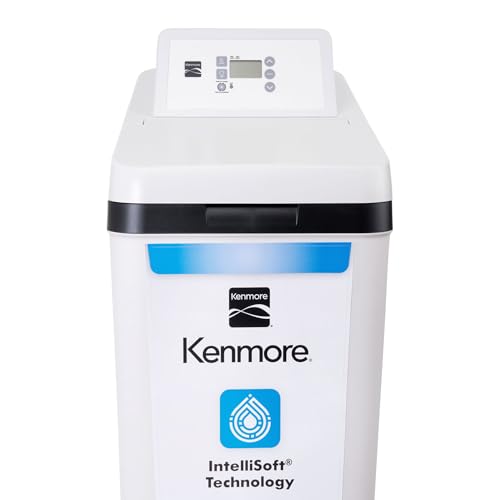
A mid-size softener for typical homes: how to match 40000 grains to your hardness and water use, plus types, features and costs to compare.
Scale crusting your faucets, spots on every glass, and soap that never quite rinses clean all point to one problem: hard water. Choosing the best 40000 grain water softener comes down to matching that capacity to your hardness level and daily water use, then checking how the system regenerates, how it installs, and how well it holds up over years of service. The comparison table below sums up the main types and key specs so you can spot the differences quickly.
A 40000 grain rating sits in the middle of the residential range. It is more softener than a small apartment with mild hardness needs, and less than a large home on very hard well water requires, but it fits a wide band of typical households well. This guide walks through the types sold at this size, the features that change daily use, and the math that tells you whether the size is right. If your numbers point elsewhere, our broader guide to the best water softener covers the full size range.




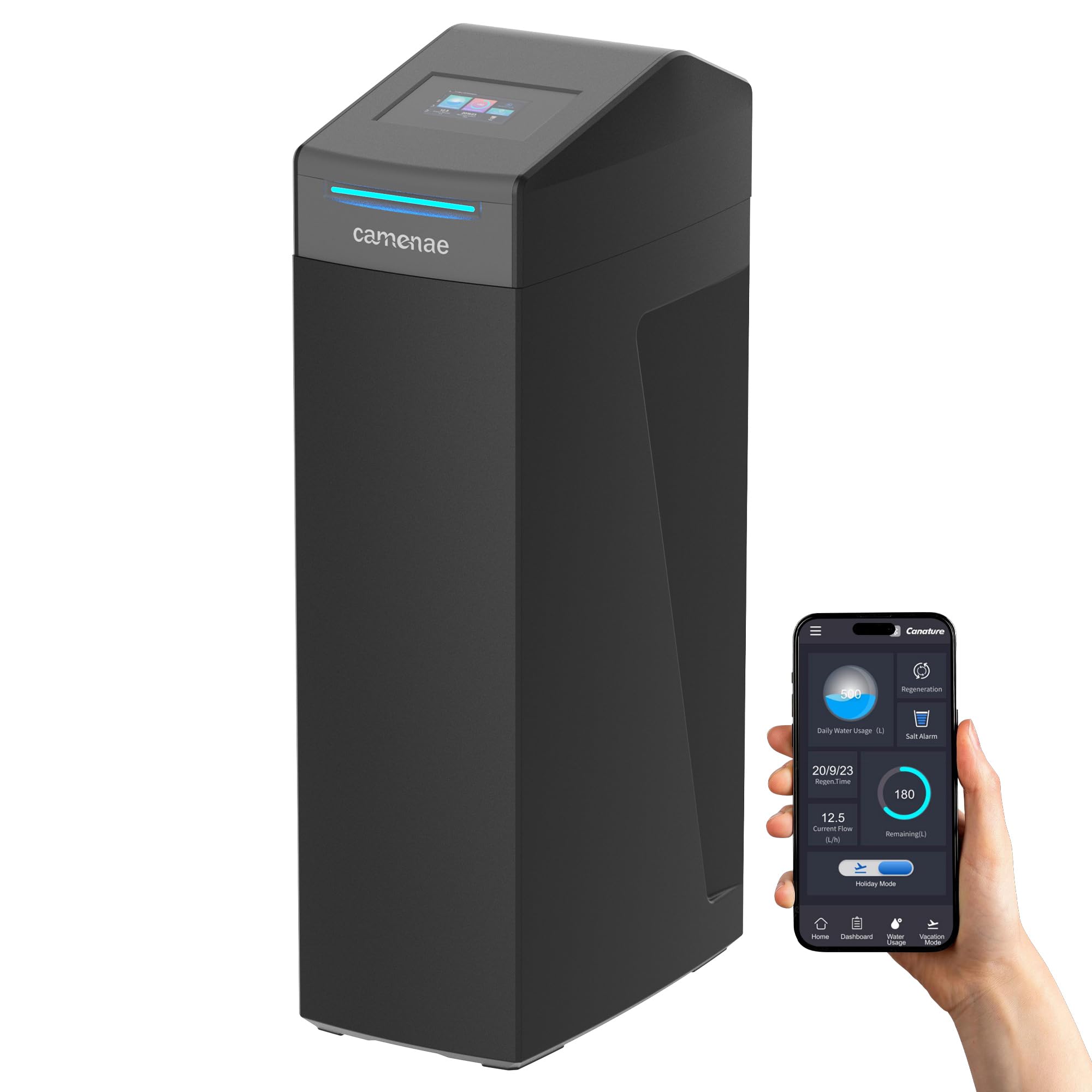

Types of 40000 Grain Softeners Compared
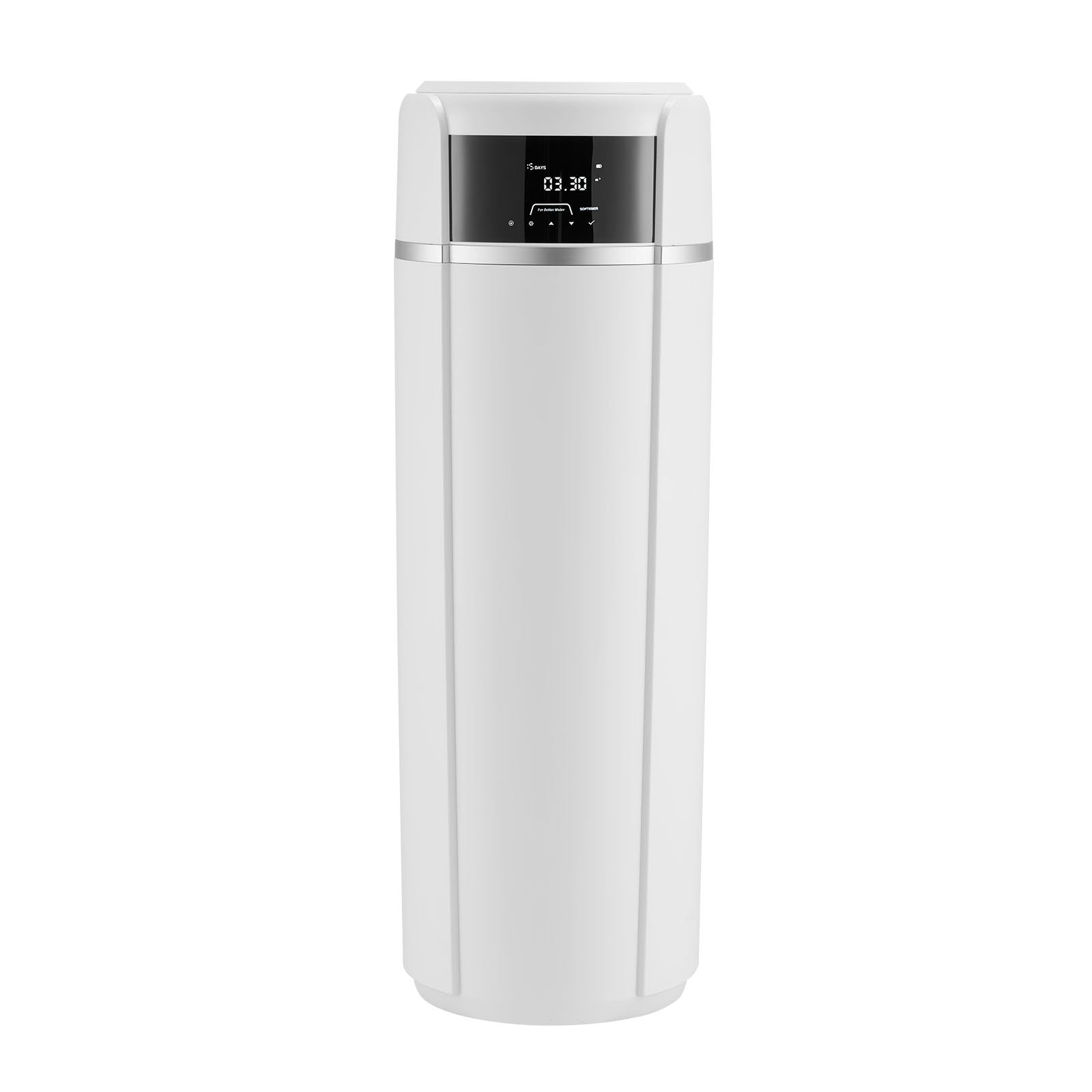
Nearly every system sold at this capacity falls into one of three builds. All treat water for the whole house where the main line enters, but they differ in how they regenerate, how much space they take, and what else they remove besides hardness.
Single Tank Ion Exchange Softeners
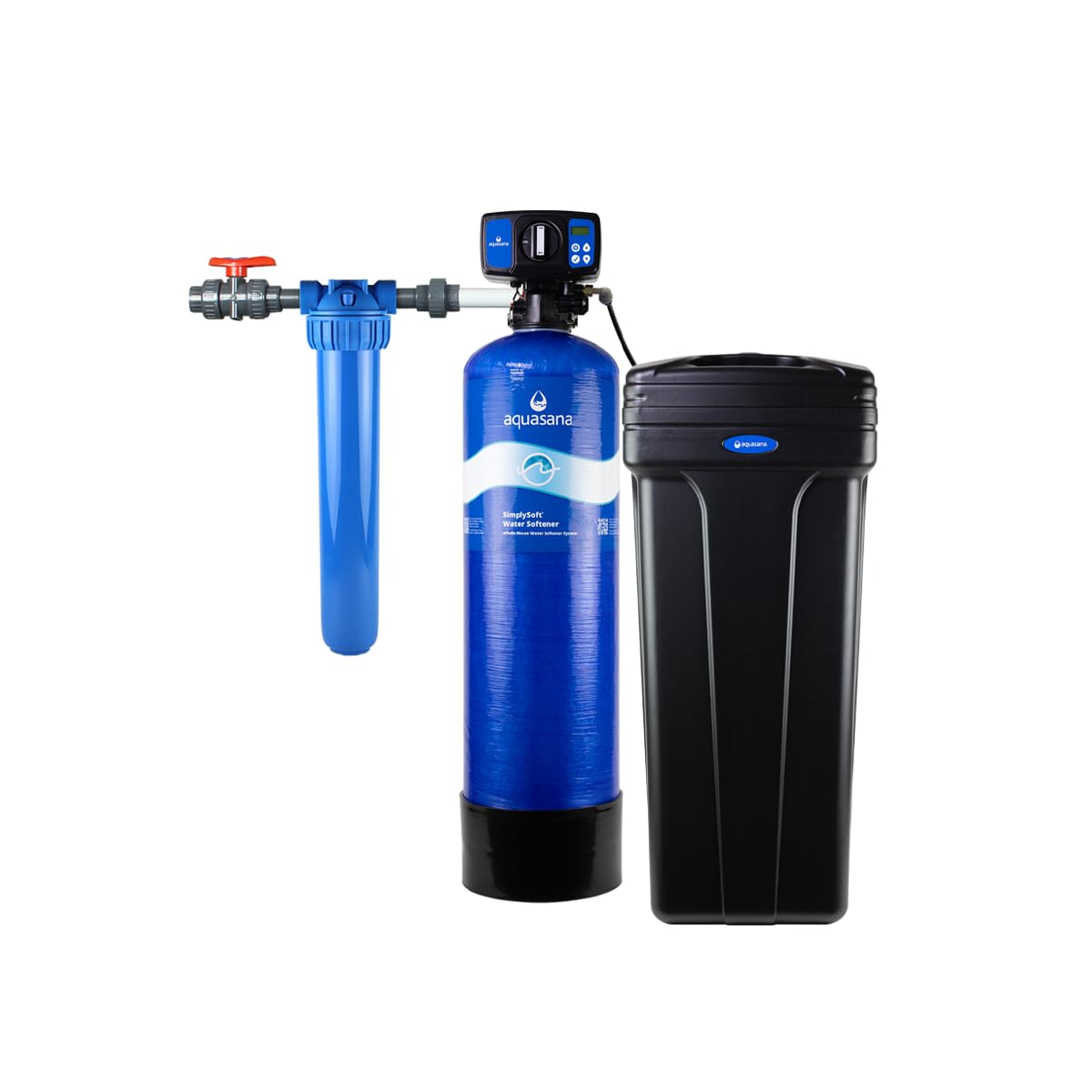
This is the most common build at this size: one resin tank, one brine tank beside it, and a control valve on top that tracks water use or runs on a timer. The resin bed swaps calcium and magnesium for sodium, and the brine wash restores the bed once exhausted. A single tank unit cannot soften water while it regenerates, so most run in the middle of the night. Footprints are modest, parts are widely available, and prices tend to be the lowest of the three types.
Dual Tank Softeners
A dual tank system carries two resin tanks that take turns working. When one bed is exhausted, the valve switches flow to the fresh tank and regenerates the spent one, so softened water is always available. That matters in homes where water use never really stops, such as houses with shift workers or a guest unit on the same line. The tradeoff is a wider footprint, more plumbing connections, a higher price, and a second bed to maintain as the system ages.
Softeners Paired With Carbon Filtration
Combo systems add a carbon stage ahead of the softener tank to cut chlorine and the tastes and odors that come with treated city water. Removing chlorine before the resin also protects the bed, since chlorine slowly breaks resin down. These units suit city water homes that want softer water and better tasting water from one piece of equipment. Expect a taller tank, a higher price, and carbon media that needs replacement on its own schedule.
What to Compare Between Models
Rather than ranking brand names, it helps to compare every candidate against five criteria: installation and compatibility, build quality and finish, features, certifications, and warranty. Manufacturer specification sheets and published plumbing standards are the best sources, and verified owner feedback shows patterns such as valve reliability and salt use. Whatever you shortlist, check it against your own hardness test and plumbing layout.
How to Choose the Right 40000 Grain Water Softener
Size and Form Factor
Grain ratings climb in steps: 32000, 40000, 48000, 64000, and 80000 grains are the common sizes. The rating is the maximum hardness one regeneration cycle can remove under ideal conditions, not a tank measurement. At 40000 grains most single tank builds use a resin tank roughly 9 to 10 inches across and about 48 inches tall, plus a separate brine tank. Measure your install space with both tanks included, and leave room above the valve so you can lift it off for service.
Salt Based, Salt Free, and Other Types
Only ion exchange truly softens water, using salt to recharge the resin. Salt free systems are conditioners, not softeners: they change how minerals behave so scale sticks less, but the calcium and magnesium stay in the water and a hardness test reads the same before and after. If you are weighing that tradeoff, our guide to the best salt free water softener explains where conditioning is enough, and our breakdown of salt vs salt free water softener performance compares the two. Magnetic units make scale claims that independent standards do not verify, and portable softeners serve single fixtures rather than a whole house.
Features Worth Paying For
Metered regeneration matters most, since the valve counts gallons and regenerates only when the bed actually needs it, saving salt and water compared with a fixed timer. Upflow regeneration, where brine moves upward through the bed, uses less salt per cycle on many designs. A bypass valve should be standard, letting you keep the house supplied during service. Fine mesh resin helps when your water carries a small amount of iron. WiFi alerts for low salt are convenient but optional, and a built in iron filter stage is only worth paying for if a water test shows iron worth treating.
Measurements and Compatibility With Your Setup
Before ordering, confirm four things: your main line pipe size and material, the drain distance for the backwash line, an electrical outlet near the valve, and level floor space for both tanks. Note peak flow demand too, since an undersized flow rating drops pressure when a shower, a washer, and a dishwasher run together; most 40000 grain units serve one to three bathrooms comfortably. Our walkthrough on how to install a water softener shows the fitting sequence so you can judge your layout before the unit arrives.
Certifications to Look For
Look for NSF/ANSI 44 certification, which covers capacity and efficiency claims for ion exchange softeners, so the grain rating on the box has been verified against a standard rather than invented by marketing. NSF/ANSI 372 addresses lead content in the plumbing parts that touch your drinking water. Efficiency ratings under the same standard tell you how much salt and water a regeneration uses, letting you compare running costs between two units with the same rating. An uncertified system is not automatically poor, but its claims rest on the word of the seller.
DIY or Pro Installation and What It Costs
A confident homeowner with basic plumbing skills can install a single tank unit in a few hours, since most come with a bypass and connections matched to common pipe sizes. Professional installation typically runs about $300 to $1000 depending on whether a loop already exists and how far the drain and outlet are. Our full breakdown of water softener installation cost itemizes what drives that range. Anyone unsure about cutting the main line should hire the job out, since a leak at the main supply affects the whole house.
How Much Should You Spend?
Basic timer controlled single tank units start under $500 and suit set schedules, though they waste some salt. The middle band, about $500 to $1000, buys metered valves, better resin, and longer warranties, and it is where most 40000 grain buyers land. Spending about $1000 to $2000 moves you into dual tank or combo filtration builds. Paying more should buy verified capacity, a proven valve, and warranty support, not features you will never open. Salt and a little electricity are the only real running costs.
Is a 40000 Grain Water Softener the Right Size for You?
Run this quick calculation. Multiply the number of people in your home by about 60 to 80 gallons of daily use each, then multiply by your hardness in grains per gallon from a water test. Four people using 70 gallons each on water measured at 12 grains per gallon need about 3360 grains of capacity per day, or roughly 23500 grains per week. A 40000 grain unit covers that with room to spare and regenerates about once a week, the efficient rhythm you want: frequent enough that the bed stays fresh, spaced enough that salt and water are not wasted.
Two situations push you to a different size. If your hardness is above about 20 grains per gallon, or your household has five or more people, step up to 48000 grains or beyond so regeneration does not creep toward every three or four days. Well water adds a wrinkle, since iron consumes capacity and often needs treatment ahead of the softener; readers on wells should compare the options in our guide to the best water softener for well water before settling on a size. Households of one or two people on mild city water can usually drop to 32000 grains and save money and space.
FAQ
What is the best 40000 grain water softener?
The best pick is the one whose usable capacity matches your weekly grain demand and whose valve you can get serviced locally. Prioritize a metered control valve from a maker with a long track record, standard size fittings, and replacement seals and resin that are easy to order years later. A plainer unit with strong parts support will outlast a feature packed unit from a seller who disappears, so check who answers the warranty line before you buy.
What size water softener do I need?
Start with an actual hardness number rather than a guess: city customers can read it on the annual water quality report, while well owners should get a water test done. Then add a hardness allowance for iron, since a common rule adds about 4 grains per gallon for each part per million of iron. Choose the size that lands regeneration near once every seven days.
How long does a water softener last?
A full system commonly serves 15 to 20 years, with the resin bed itself lasting about 10 to 15 of those years before softening fades and the bed needs replacement rather than the whole unit. Control valve seals wear sooner and are normal service parts. Chlorinated city water shortens resin life because chlorine attacks the beads over time, while a carbon stage ahead of the tank slows that damage. The brine tank rarely wears out and usually only needs cleaning.
Is a water softener worth it?
For homes with hardness above about 7 grains per gallon, most owners find it worthwhile. Scale buildup inside a water heater acts like insulation on the heating surfaces, so the heater works harder for the same hot water. You will also notice detergent and soap going further, and glassware leaving the dishwasher without the chalky film that needs rewashing. If your hardness is only 3 or 4 grains, the gains shrink and a conditioner may be the smarter spend.
How do you clean a water softener?
Check the salt level monthly and keep the brine at least partly full, breaking up any hard crust that bridges across the top so brine can form below it. Once or twice a year, scoop out the brine tank, scrub the walls with mild soap and water, and rinse before refilling with fresh salt. A resin bed cleaner dose, added to the brine well and followed by a manual regeneration, strips iron fouling from the beads. After any long vacancy, sanitize the system per the maker instructions before drinking the water again.
What is the most reliable water softener brand?
No single brand owns reliability at this size, and chasing a name is less useful than checking the parts underneath it. The most dependable systems use a simple valve design with few moving parts, a fiberglass resin tank that cannot rust, and electronics sealed against utility room damp. Ask how long the maker has sold the same valve platform, since a long running design has cheap, plentiful spare parts. A warranty answered by a real dealer network beats a longer warranty from a seller with no service presence.
Final Thoughts
Start with your hardness test and the weekly grain math, and let that decide whether this capacity fits before you compare features. Metered regeneration, verified certification, and a valve with good parts support matter more than screens and alerts. Compare the types in the product table above against your space, plumbing, and budget, and the best 40000 grain water softener for your home becomes a straightforward choice. Prices and availability can change, so check the product page before ordering.