Best 4 Inch Coaxial Speakers at Every Price: What Your Money Really Gets You in 2026
Disclosure: We may earn a commission when you buy through links on this page, at no extra cost to you. As an Amazon Associate I earn from qualifying purchases. Learn more

Compare the best 4 inch coaxial speakers by price tier and learn what budget, midrange, and premium models deliver in clarity, bass, build, and value.
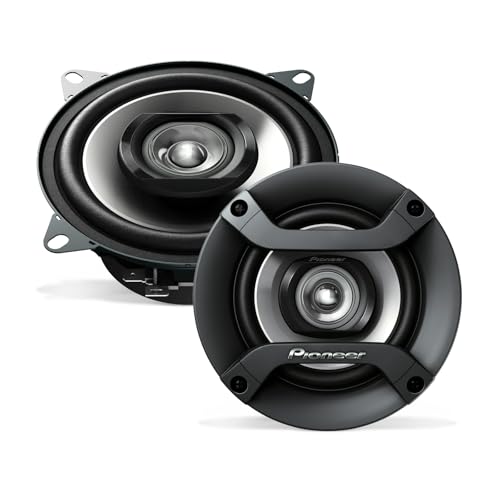
A pair of 4 inch coaxial speakers can cost about as much as a tank of fuel or as much as a weekend trip, and the boxes all promise clear highs and strong bass. This guide sorts the best 4 inch coaxial speakers by price tier so you can see what each step up actually buys. A coaxial speaker mounts the tweeter in the center of the woofer, which makes it a simple one piece replacement for most factory locations.
Use the product table to note prices and key specs, then read the tier breakdown to decide where your money works hardest.



Three Budget Profiles Worth Your Money: Best 4 Inch Coaxial Speakers
Because this is a price led guide, start with the three profiles most buyers end up choosing between. Each profile describes the build pattern to look for in the product table, who it suits, and the compromise built into the price.
Budget Profile
The budget profile, usually about $25 to $50 a pair, gets you a polypropylene or treated paper cone, a foam or basic rubber surround, and a small dome or cone tweeter on a fixed post. Sound is a clear step above tired factory speakers, especially in the midrange where voices live, but highs can sound coarse at high volume and bass stays modest. Choose this tier for a second car or a quick repair sale refresh. The main limitation is durability. Foam surrounds age fastest in hot cabins, so expect a shorter working life than the tiers above it.
Best Midrange Profile
The midrange profile, about $50 to $110 a pair, is where rubber surrounds, stiffer cones, and proper soft dome tweeters become common. You also start to see pivoting tweeters, real crossover parts that protect the tweeter, and sensitivity figures that suit factory radios. This tier suits daily drivers who want a lasting upgrade in one purchase, and it is the profile we would point most readers toward. Its limitation is depth. Better motors and baskets can be deeper than stock speakers, so confirm mounting clearance before you order.
Best Premium Profile
The premium profile, about $110 to $200 a pair, adds stronger baskets, higher grade cone materials such as woven fibers or coated composites, and crossovers with better components. The audible gains are control and composure: bass stays tighter at volume, and highs stay smooth on long drives. This tier makes sense if you already own or plan an amplifier, because these speakers can use the extra power. The compromise is value for quiet listeners. At gentle volumes in a small cabin, much of what you paid for never becomes audible.
What Your Money Gets You at Each Price Tier
Price tiers in this category follow a pattern. Early dollars fix weaknesses, later dollars chase refinement, and knowing which stage you are in prevents both overspending and buying twice.
Budget Tier: What to Expect
At the budget tier you are paying for function. Expect power handling around 20 to 35 watts RMS per speaker, basic mounting hardware, and a warranty near one year. Listings may skip sensitivity or state it in a way that flatters the speaker, so compare RMS and surround material first. For a general overview of the size class, see our guide to the best 4 inch speakers. Budget speakers serve well in rear fill locations, where passengers hear them at lower volume and small flaws stay hidden.
Midrange Tier: The Sweet Spot for Most Buyers
The midrange tier is the sweet spot because it buys the parts that decide longevity and tone: rubber surrounds, honest RMS ratings around 35 to 55 watts, and tweeters that do not turn harsh. You also gain install friendly details like included adapters and gasket material. Most factory head units drive this tier happily, and a modest amplifier wakes it up later without a speaker swap. If your main locations are doors or a dash, start your search here and only drop down a tier for secondary locations.
Premium Tier: When Spending More Pays Off
Spending more pays off when the rest of your system can reveal it. An amplifier, sound deadening in the doors, and a head unit with real equalizer controls all let premium materials show their worth. Premium models also tend to publish fuller specs, including frequency response with a stated tolerance, which makes honest comparison easier. Shoppers comparing formats may also want our guide to the best 4 inch component speakers, since separate tweeters solve some problems that no coaxial design can fully fix.
Features Worth Paying For (and Ones to Skip)
Not every listed feature changes what you hear. The four checks below separate features that earn their cost from features that only fill a box side.
Placement and Listening Space
Where a 4 inch speaker sits shapes its sound more than small spec gaps do. Dash locations fire into the windshield and gain brightness from the glass reflection, while low door locations aim at your ankles and lose high frequency detail. A pivoting tweeter is worth paying for in low doors because it redirects the highs toward your ears. In a small cabin, one good front pair beats two average pairs, so put your budget where you sit. Keep grilles in mind too, because a thick factory grille can dull any tweeter behind it.
Power Source and Charging Myths
Coaxial car speakers are passive, which means they have no battery and nothing to charge. They draw all their power from your head unit or amplifier through the speaker wires, so the real question is whether that power is clean and sufficient. Factory radios often deliver about 15 to 25 watts RMS per channel, which suits budget and midrange tiers. If a listing for a wired car speaker advertises battery life or fast charging, it is describing a different product category entirely, and that confusion is a reason to shop elsewhere.
Sound Quality and Tuning
Tone starts with the drivers. A stiff, light cone keeps vocals clear, while the tweeter material decides whether cymbals sound crisp or grainy. Frequency response ranges are only useful when two models are measured the same way, so treat them as a rough guide. Your head unit equalizer can lift or trim broad bands, but it cannot fix a tweeter that distorts. If low notes are your priority, read our guide to the best 4 inch speakers for bass for the cone and surround traits that help most, and remember that a small sealed door cavity limits every design.
Call and Voice Clarity
Coaxial speakers contain no microphone, so call quality claims on a speaker listing deserve a careful read. What the speaker does control is how clearly you hear the other person. A smooth midrange between about 300 Hz and 3,400 Hz, the band where speech sits, makes voices easy to follow at highway speed. The microphone itself lives in your head unit or phone, so poor pickup will not improve with new speakers. Buy for midrange clarity, and let the head unit handle the talking.
Long Term Costs to Factor In
The purchase price is only part of ownership. Add the cost of wiring adapters and mounting brackets if your car needs them, sound deadening if your doors buzz, and a professional install if the panels are complex, which can run about $75 to $150 for a pair. Foam surround models may need replacing years sooner in hot climates, which makes a slightly pricier rubber surround cheaper over the life of the car. Warranty length shifts this math too. A two year warranty on a midrange pair can be worth more than a small spec edge on a pair covered for only ninety days. For vehicle wide context, our guide to the best 4 inch car speakers outlines common install needs by location.
FAQs
Wired or wireless: which sounds better for coaxial speakers?
Coaxial car speakers are wired by design, and a wired connection still sounds better because it carries full power and full bandwidth with no compression or delay. The wireless part of a car system is the signal path between your phone and the head unit, not the speaker itself. Once that signal reaches the radio, it travels to the speakers by wire. So if your music sounds thin over Bluetooth, the fix is a better source setting or head unit, not a different speaker connection.
What IP rating do I need for outdoor use of 4 inch coaxial speakers?
Most car coaxial speakers carry no IP rating at all, because they are built for cabin use behind a grille. If your speakers will face direct water, as on a boat or an open vehicle, choose a model built and rated for that exposure instead. Our guide to the best 4 inch marine speakers covers that category. Inside a car, the realistic water risk is a door leak, so check that the cone and surround are moisture resistant and fix door seals promptly.
Do I need a special codec for 4 inch coaxial speakers?
No codec applies to the speakers themselves, because codecs govern how digital audio is packed for Bluetooth transmission between your phone and your head unit. The speakers only reproduce the analog signal they receive. A head unit that supports higher quality Bluetooth codecs can send a cleaner signal, and good speakers will reveal that difference more clearly than worn factory units. Spend on speakers for tone and build, and check codec support when you shop for the radio, not the drivers.
Is ANC worth the extra cost with coaxial speakers?
Active noise cancellation is a headphone technology and is not built into coaxial car speakers, so any ANC charge in this category is money aimed at the wrong problem. Cabin noise in a car is handled by tire choice, door seals, and sound deadening material, which reduce noise before it reaches your ears. A quieter cabin also makes modest speakers sound better, because your ears no longer fight road roar to hear detail. Put the money into deadening first if noise is your complaint.
How long does the battery last in a 4 inch coaxial speaker?
There is no battery to run down, because these speakers are passive and powered entirely by your stereo. The lifespan question that replaces it is how long the speaker itself lasts, and that depends mostly on surround material and heat. Rubber surrounds in a garaged car can serve for a decade, while foam surrounds in a sun baked cabin may crumble in a few years. If a listing quotes hours of play time, it is describing a portable Bluetooth product, which is a different purchase altogether.
Our Verdict
For most drivers, the midrange tier delivers the honest upgrade: rubber surrounds, a soft dome tweeter, and an RMS rating your radio can feed. Go premium only if an amplifier and a quieter cabin will let you hear the difference, and go budget for rear fill or a short term fix. Compare your shortlist against the product table, and the best 4 inch coaxial speakers for your car will be clear.