Best 4 Drawer Filing Cabinets (2026): Types, Rails and Load Ratings
Disclosure: We may earn a commission when you buy through links on this page, at no extra cost to you. As an Amazon Associate I earn from qualifying purchases. Learn more

Choose the best 4 drawer filing cabinet: vertical, lateral and wood finish types plus locks and slides.
Paper has a way of spreading across a desk until invoices, tax forms, and contracts share space with your keyboard. A tall cabinet with four drawers gives each category its own place, so you can close the drawer and see a clear work surface again. Finding the best 4 drawer filing cabinet comes down to drawer size, smooth travel, and a frame that stays steady when the top drawers are full. The comparison table below sorts the main types side by side so you can spot the right fit fast.
This guide explains the differences that matter before you order. You will learn how vertical and lateral formats use floor space, which locks and rails suit letter or legal files, and how much weight each drawer should hold.



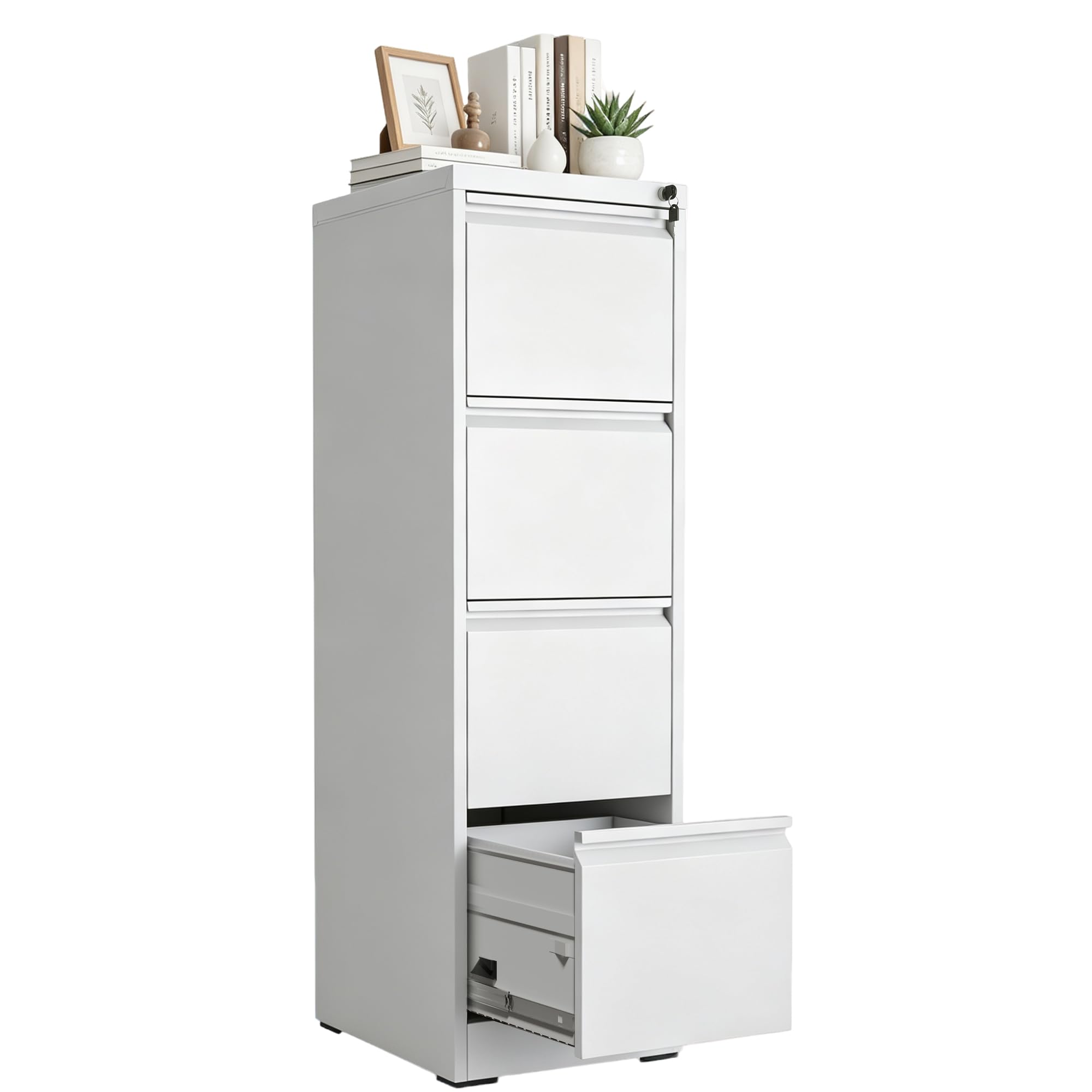
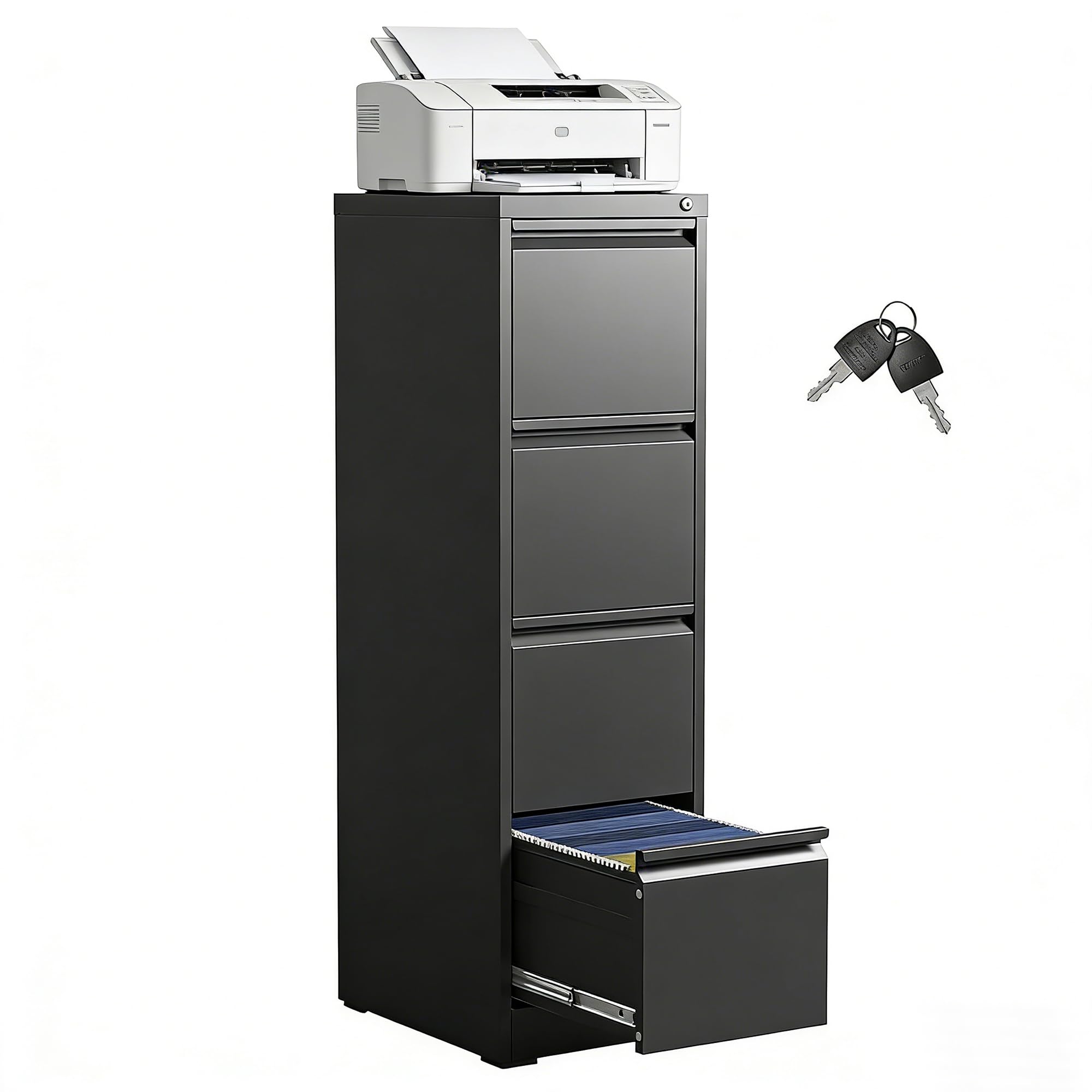


4 Drawer Filing Cabinet Types at a Glance
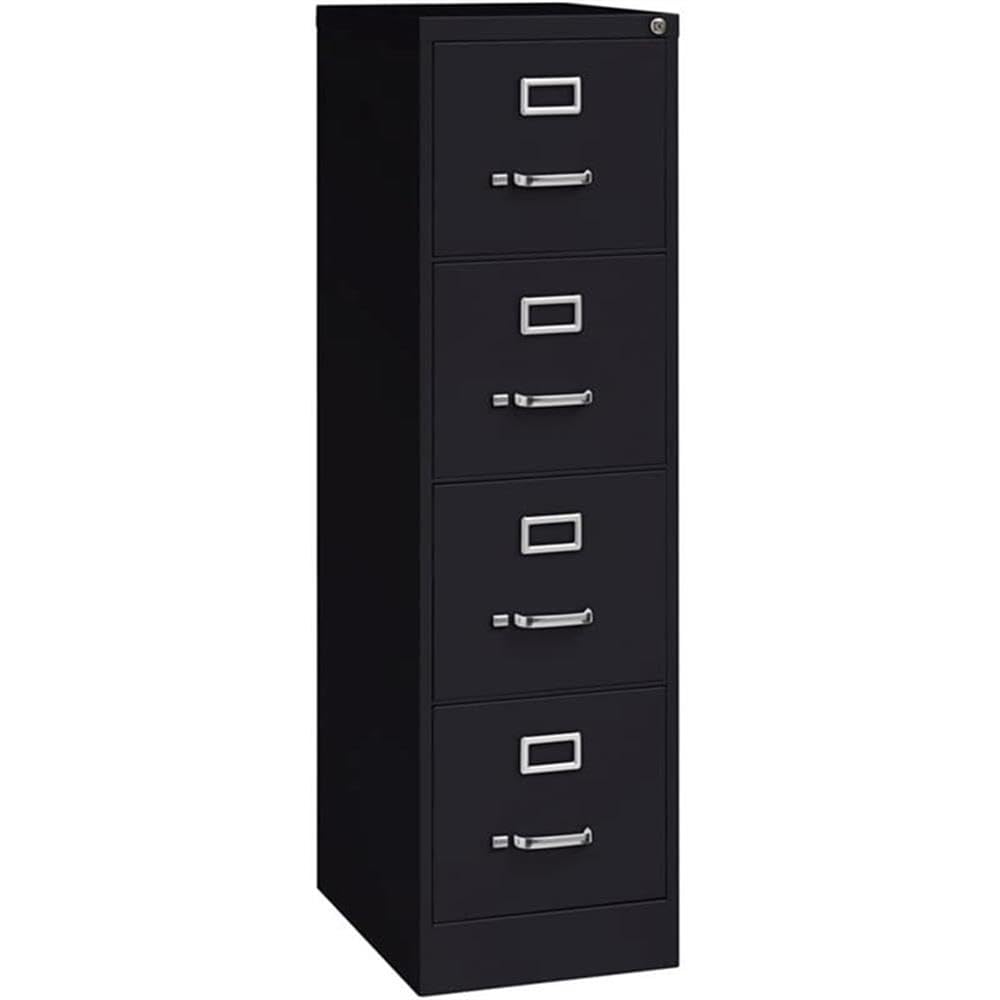
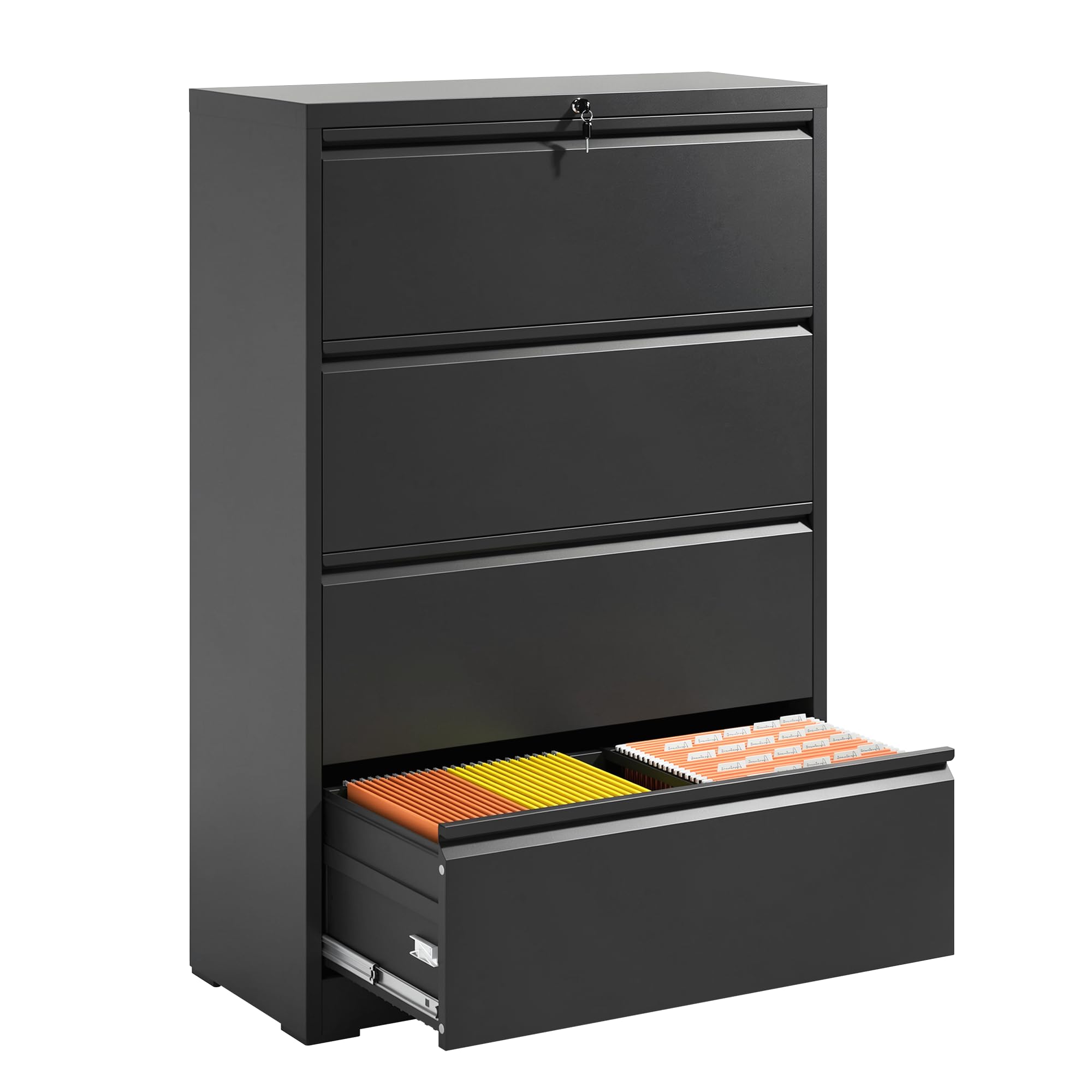
Most four drawer cabinets fall into three broad types, and the type shapes everything else about daily use. Vertical cabinets stack four drawers in a narrow column and suit small rooms. Lateral cabinets are wider and shorter in feel, with drawers that hold files side by side. Wood finish cabinets trade some toughness for a warmer look that blends with home furniture.
- Vertical metal cabinets: the classic choice for tight floor space, deep drawers, and heavy daily use in a busy office.
- Lateral cabinets: wide drawers that let you scan many folders at once, plus a top surface that can hold a printer or scanner.
- Wood or laminate cabinets: a furniture look for living areas and shared rooms, best for lighter loads and gentler use.
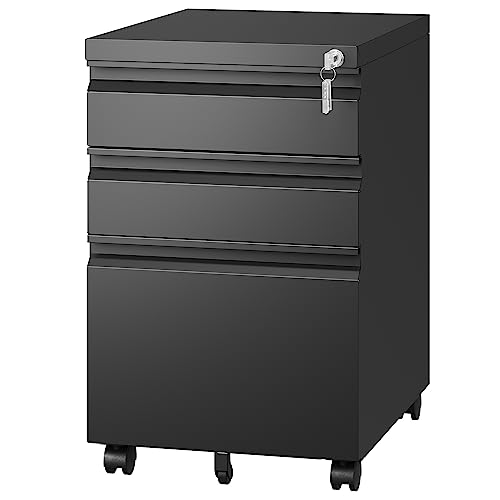
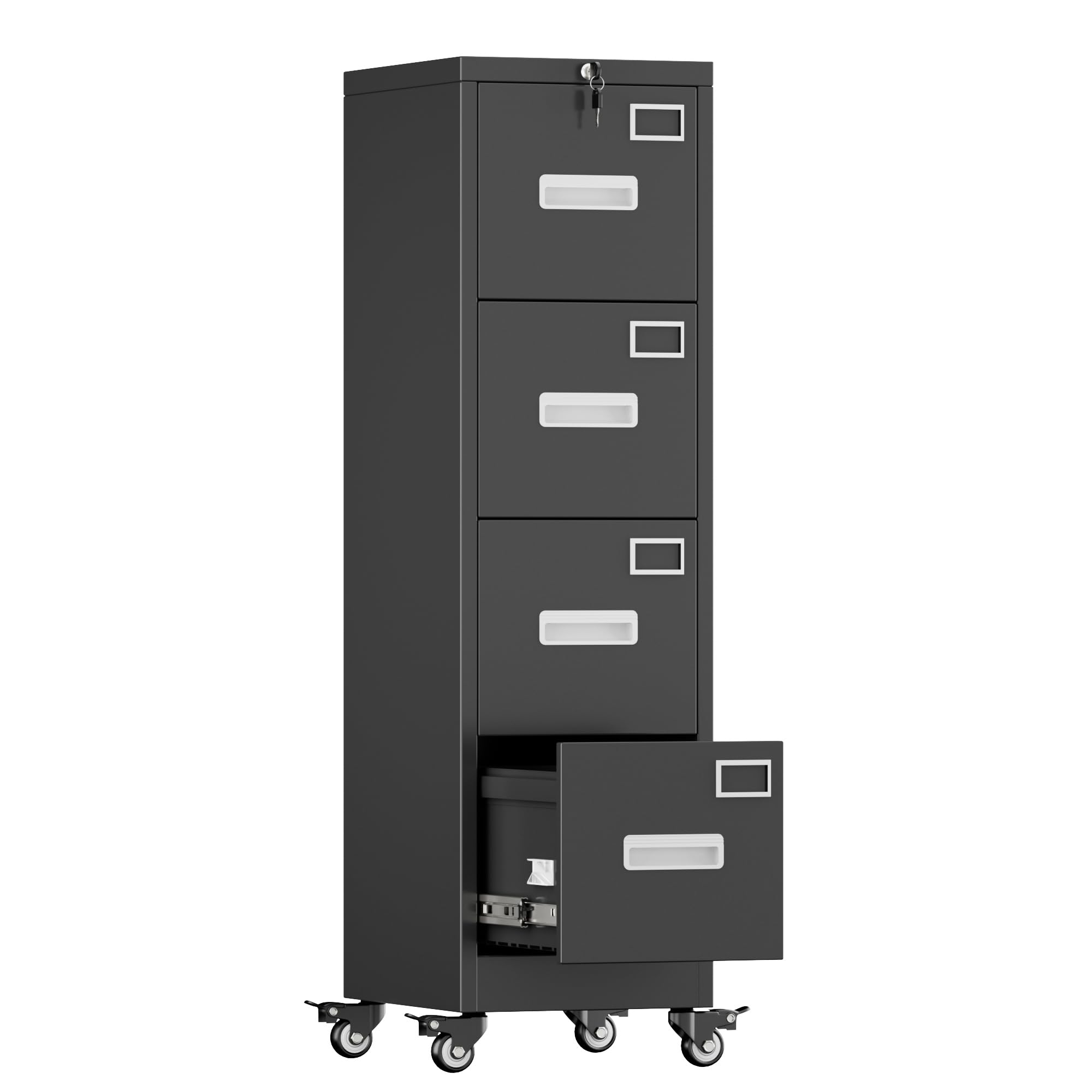
- Mobile cabinets: four drawer units on casters are uncommon at this height, so check stability ratings with extra care if you need wheels.
If your main goal is a general upgrade from a smaller unit, start with our overview of the best filing cabinet options, then return here to compare the four drawer size in detail.
Types Compared in Place of Individual Picks
Vertical cabinets earn their place when floor space is scarce. A typical unit is narrow, so it slides beside a desk or into a closet corner. The drawers run deep from front to back, which holds many folders in a single row. The trade off is reach, since files at the very back of a deep drawer take more effort to pull out.
Lateral cabinets spread the same storage across a wider frame, wide and shallow. Each drawer holds two or three rows of files placed side by side, so labels stay easy to scan. The trade off is floor space, since a lateral unit needs a longer stretch of wall.
Wood and laminate cabinets suit rooms where a metal box would look out of place. Their drawers tend to carry lighter loads, and the panels can chip if dragged across rough floors. For a home workspace that blends into a living area, reading about the best filing cabinet for home office setups can help you weigh looks against daily durability.
How to Compare 4 Drawer Filing Cabinets
This guide compares cabinets using maker specifications and patterns in verified buyer feedback. The criteria are drawer dimensions, load capacity per drawer, frame and drawer material, slide type, lock design, and the parts that adjust to your files. Assembly time, warranty length, and replacement part access also count.
How to Choose the Right Filing Cabinet
Size and Form Factor
Measure your space before anything else, including the swing and pull room each drawer needs to open fully. Vertical models fit narrow gaps but stand tall, so confirm ceiling and shelf clearance. Lateral models need width but give you a lower, broader top surface. Leave a little space behind the unit for wall protection, and check that the cabinet can pass through your door and turn in hallways on delivery day.
Type and File Format
Match the drawer interior to the paper you store most. Letter size drawers suit standard pages, while legal size drawers add width or depth for contracts and property records. Some drawers accept both formats when the hanging rails move, which helps mixed collections. If sensitive records need heat protection rather than simple storage, a standard cabinet is not enough, and you should look at the best fireproof filing cabinet category instead.
Features Worth Paying For
A central lock that secures all four drawers at once saves time and keeps tax and identity documents secured. Full extension slides let you reach the back file without lifting folders over the front ones. An anti tip device that allows only one drawer to open at a time adds real safety on tall units. Label holders and smooth handles sound minor, yet you touch them dozens of times a week, so they shape how the cabinet feels.
Body Size and Weight Capacity
Paper is heavier than most buyers expect, and a drawer packed with hanging folders can strain weak slides. Look for a stated load rating per drawer, and stay honest about your own collection. Total cabinet weight also matters, since a heavier frame resists wobbling but is harder to move upstairs. Distribute heavy files across lower drawers first so the unit keeps a low, stable center of balance.
Adjustability for Files and Floors
For a filing cabinet, adjustability means parts that adapt to your files and your room rather than to your body. Movable hanging rails switch a drawer between letter and legal layouts, and removable dividers keep thin folders upright. Adjustable floor levelers matter more than they sound, because a cabinet that rocks will make drawers drift and rub. Some models also offer rails at different heights inside the drawer, which helps with tall binders or supply storage in one drawer.
Materials and Durability
Steel cabinets remain the durability benchmark, and thicker steel resists dents when drawers close hard. A powder coated finish protects against scratches and light moisture in basements or garages. Laminate over engineered wood gives a warmer look but swells if water sits on it, so keep those units in dry rooms. Check drawer slide construction too, since ball bearing slides usually feel smoother under load than simple friction slides and tend to last longer.
Assembly and Warranty
Many steel cabinets arrive fully assembled, while flat packed wood models can take an hour or more with careful sorting of panels and screws. Read the instructions fully before you start, and keep the floor protected while you work. Our step by step overview of how to assemble a filing cabinet walks through the common stages. Warranty terms vary from one year to lifetime coverage on parts, so confirm what is covered for slides and locks before you buy.
How Much Should You Spend?
Light duty four drawer cabinets often cost about $100 to $250, and they suit moderate home filing with modest load ratings. Sturdier steel models with full extension slides and a central lock commonly run about $250 to $500. Lateral and fire resistant designs can cost more because of their size and added protection. Spending more should buy thicker steel, smoother slides, and a longer warranty. If a price looks far below similar models, check the load rating and steel thickness first.
Is a 4 Drawer Filing Cabinet the Right Size for You?
Four drawers suit households and small teams that keep several years of records, sorted by year, client, or project. If you file only a thin stack of personal papers, this size will sit half empty and eat floor space. In that case, the best 2 drawer filing cabinet options may fit your needs and budget better. If you regularly add archive boxes of records, four drawers fill faster than you think, so count your current folders before deciding.
A simple check helps. Gather your hanging folders and measure the total row length they occupy when packed with a little breathing room. Check the filing length listed for one drawer, then multiply by four to see your total row space. If your folders need well more than that, plan on a second unit or a lateral model with wider rows.
Common Mistakes to Avoid
- Skipping the doorway check: a tall assembled cabinet that cannot turn into your office becomes a return you have to arrange.
- Loading the top drawer first: heavy files up high raise the risk of wobbling and make the unit feel unstable.
- Assuming all drawers fit legal paper: some four drawer units hold letter files only, which strands wide documents.
- Ignoring the lock type: a lock that secures only one drawer leaves the other three open to anyone.
- Placing the cabinet on thick carpet without levelers: the frame settles unevenly and drawers start to stick.
FAQs
What is the best 4 drawer filing cabinet for a small office?
For a small office, the strongest choice is usually a vertical steel cabinet with full extension slides, a central lock, and a load rating near the top of its class. Narrow width saves floor space while four deep drawers still hold years of records. One point buyers overlook is delivery format. A fully assembled steel unit avoids setup time, but a flat packed model may be the only way to fit a cabinet through a narrow stairwell.
What size filing cabinet do I need for legal documents?
Legal documents need drawers with extra width or depth, so confirm the interior drawer dimensions rather than trusting the outer cabinet measurements on the listing. Legal folders are longer than letter folders, and the hanging rails must match that span. A useful extra check is the drawer front height, since overstuffed legal folders can catch on the drawer above. If only one drawer holds legal files, adjustable rails let the other drawers stay in letter layout.
How long does a filing cabinet last with regular use?
A steel cabinet with sound slides can serve for decades, while laminate models often show wear sooner at corners and drawer edges. The usual failure point is not the frame but the slides and lock, which wear from grit and overloading. Keep loads within the rating and vacuum grit from the tracks once a year. If a drawer starts to sag on one side, address it early, because a bent slide rarely improves with continued heavy use.
Is a filing cabinet worth it if I scan most documents?
Scanning reduces volume, but originals such as deeds, certificates, wills, and signed contracts often still need a physical home. A four drawer cabinet also stores passports, backup drives, and printed tax returns in one locked place. One practical gain is pairing the cabinet with a simple index on your computer, so each digital file notes the drawer where the paper original sits.
How do you clean a filing cabinet without damaging the finish?
Empty one drawer at a time, vacuum loose grit from the corners and tracks, then wipe surfaces with a soft cloth and mild soap solution. Dry everything fully before reloading, since trapped moisture invites rust on steel and swelling on laminate. Avoid abrasive pads on powder coated finishes, because fine scratches collect dirt and dull the surface. While drawers are empty, check for bent hanging rails and straighten them gently so folders hang evenly again.
What makes one filing cabinet brand more reliable than another?
Reliability shows up in the details you can verify rather than in a name alone. Look for clear load ratings, replacement slides and locks that you can actually order, and warranty terms written in plain language. A maker that publishes drawer dimensions and steel thickness gives you facts to compare. Long model runs also help, because parts stay available for years. If a listing hides basic specifications, treat that silence as useful information and keep looking.
Final Thoughts
Start with your file format and floor space, then compare slide quality, load rating, and lock design within the type that fits. A vertical steel model serves most small offices well, while a lateral unit rewards rooms with wall space to spare. Before you order, revisit the product table above and match each drawer dimension against your own folder count. Chosen with care, the best 4 drawer filing cabinet turns scattered paper into a calm, locked, and easy to search system.