Best 2 Drawer Filing Cabinet in 2026: Buying Guide and Top Picks
Disclosure: We may earn a commission when you buy through links on this page, at no extra cost to you. As an Amazon Associate I earn from qualifying purchases. Learn more

What to look for in the best 2 drawer filing cabinet: the main types, key features, realistic price ranges and mistakes to avoid before you order.
A two drawer cabinet sounds like a simple purchase until you stand in front of your paper pile and realize the drawers come in different depths, widths, and paper formats. Pick the wrong one and your folders sag, the drawer sticks, or the cabinet crowds a small room. This guide to the best 2 drawer filing cabinet options explains how the main types differ, so you can match one to your space and your paperwork.
The product table right after this intro lets you compare current options, and the sections that follow explain drawer format, build quality, and load capacity so you can narrow your choice with confidence.






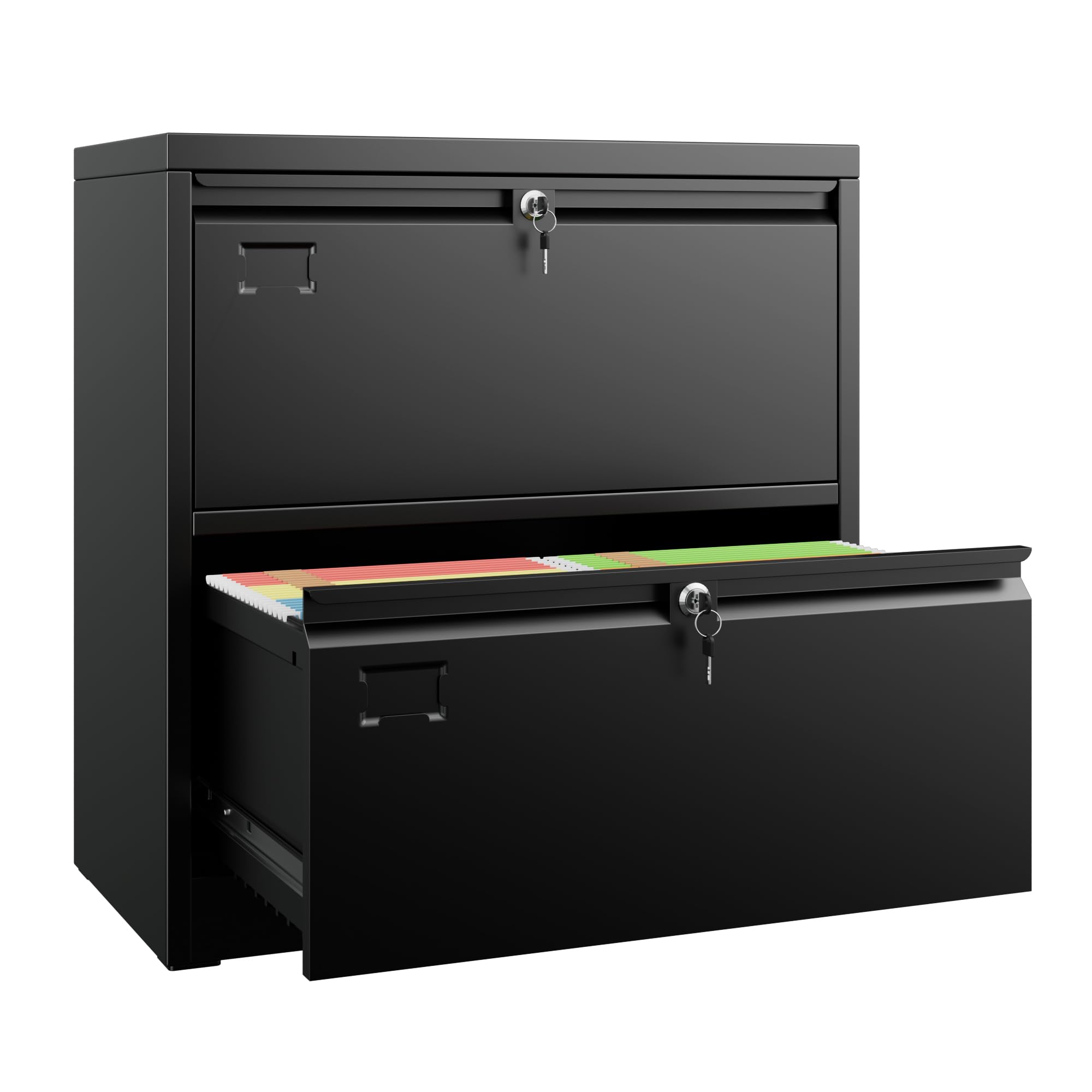

The Main Types Compared
Two drawer cabinets fall into three broad types, and each one suits a different room and filing habit. Knowing which type fits your situation matters more than any single feature, so start here before you compare finishes and locks.
Vertical Steel Cabinets
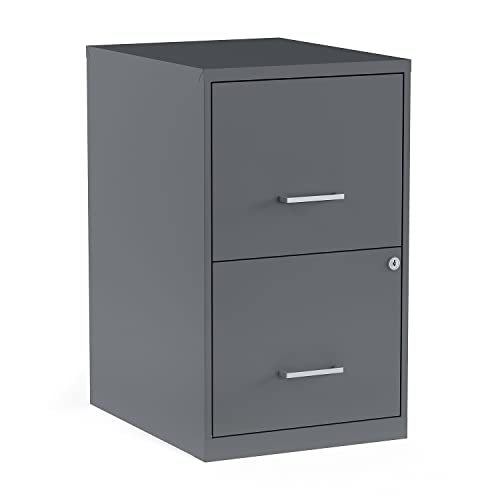
A vertical steel cabinet is the classic office shape, taller than it is wide, with deep drawers that hold a long row of hanging folders front to back. It suits letter size paperwork in most homes and gives you the most filing inches per square foot of floor. Steel bodies shrug off dents better than most alternatives, and the drawers usually ride on ball bearing slides that stay smooth under a full load of paper.
Wood and Laminate Cabinets
Wood and laminate cabinets trade some toughness for a furniture look that blends into a living room or a bedroom office. The drawers are often a little shallower, and the panels can chip at the corners if you drag the cabinet across the floor. Choose this type when the cabinet sits in plain view all day and you file a moderate amount of paper.
Mobile Pedestal Cabinets
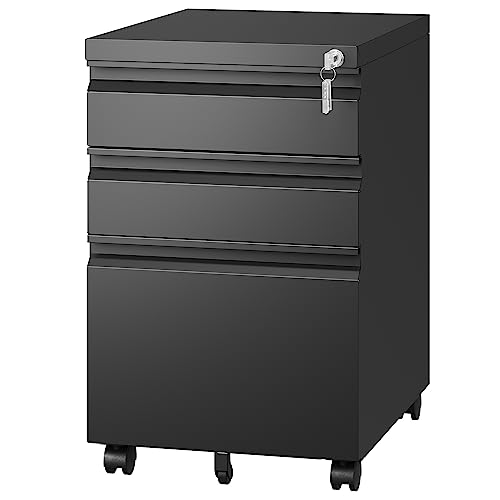
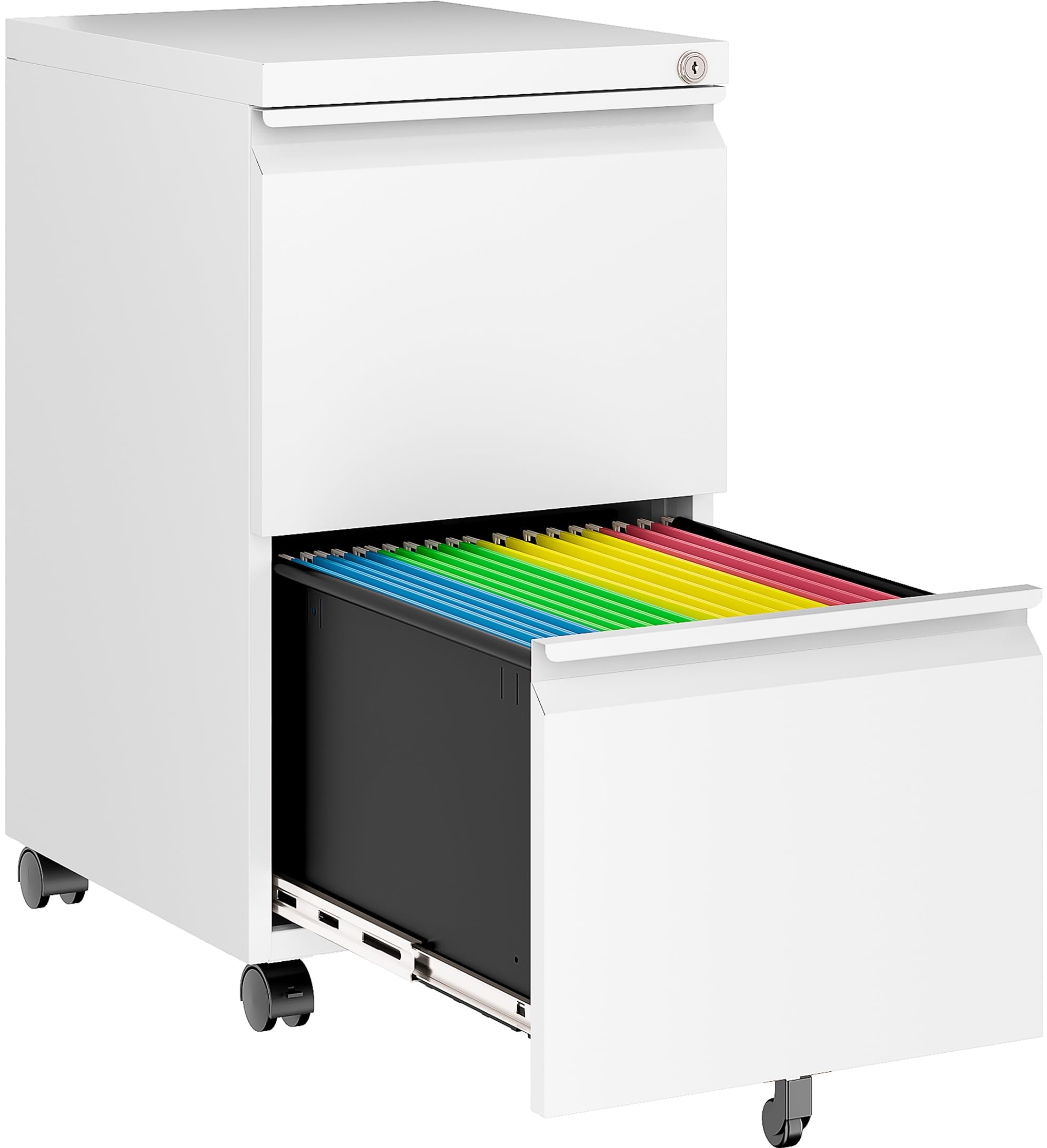
A mobile pedestal is a short two drawer cabinet on casters, sized to roll under a desk or beside a chair. The top drawer is usually shallow and works well for supplies, while the deeper bottom drawer holds hanging files. This type suits renters and anyone who rearranges a room often, since you can move it without emptying it first. Its capacity is the smallest of the three types, so it fits active files rather than years of records.
What to Compare Before You Buy
Judge two drawer cabinets on the points owners mention most: drawer format and paper fit, build quality and materials, size and weight capacity, ease of assembly, and warranty coverage. Manufacturer specifications and the wording of verified buyer feedback are the best places to check each one. If you want the wider picture across all sizes, our guide to the best filing cabinet covers the full range in one place.
How to Choose the Right Filing Cabinet
Size and Form Factor
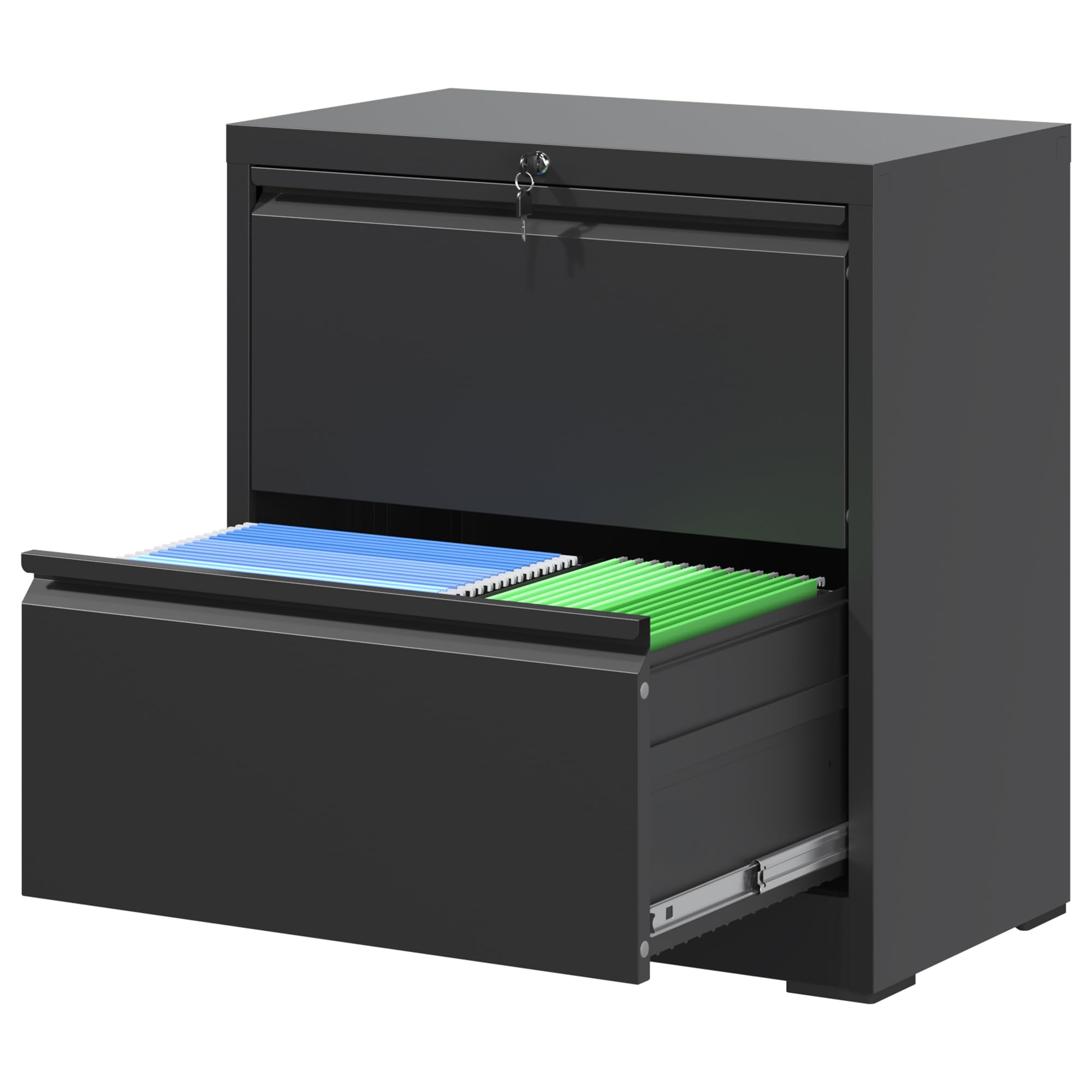
Start with the paper you actually file. Letter size folders need a drawer interior a little wider than the folder itself, while legal size documents need a wider or deeper drawer, so check the interior dimensions rather than the outside of the cabinet. A two drawer vertical cabinet stands roughly desk height and fits a corner, while a lateral cabinet spreads two wide drawers across more wall space. Measure your floor spot and the swing of nearby doors before you decide, and leave a few inches behind the cabinet for cords if a printer will sit on top.
Cabinet Types and What They Change
Beyond the three types above, a few variations change daily use. A locking cabinet secures both drawers with one lock, which matters for tax records and client files. A fire resistant cabinet adds heavy insulation that protects paper for a rated period, and our guide to the best fireproof filing cabinet explains those ratings in detail. A rolling cabinet adds casters for flexible placement, while a fixed cabinet feels steadier when you pull a loaded drawer toward you.
Features Worth Paying For
A lock is worth paying for when the cabinet holds financial, medical, or client paperwork, and it costs little on most models. Full extension slides let you reach folders at the very back of a deep drawer without pulling files out, which you will appreciate every week. An interlock that lets only one drawer open at a time keeps a loaded cabinet from tipping forward. Casters and a flat, sturdy top that doubles as a printer stand are worth it in small rooms. Decorative handles and premium finishes, by contrast, add cost without changing how the cabinet files.
Body Size and Weight Capacity
Paper is heavier than most people expect. A full drawer of hanging files can weigh about 30 to 50 pounds, so a two drawer cabinet may carry close to 100 pounds of paper plus its own weight. Check the rated load per drawer, not just the total, since a weak bottom drawer slide usually fails first. If you plan to stack heavy files in both drawers, pick a cabinet whose frame and slides are rated well above your expected load.
Adjustability Inside the Drawers
The adjustability that matters in a filing cabinet lives inside the drawers. Hanging rails should move or come in both letter and legal settings, so you can switch formats if your paperwork changes. Some drawers include a sliding support that keeps a half full row of folders upright instead of slumped, and removable dividers help when one drawer holds supplies instead of files. On mobile pedestals, check whether the casters lock, since a cabinet that drifts every time you open a drawer gets annoying fast.
Materials and Durability
Steel cabinets use sheet steel of varying thickness, and thicker steel resists flexing when a drawer is fully loaded and pulled out. Powder coat finishes protect steel from scratches and light moisture, though a deep chip can rust if you ignore it. Laminate over particle board costs less and looks warm, but the board can swell if water sits on it and screw holes can loosen over time. Whichever material you choose, look for reinforced drawer corners and metal slides rather than plastic rollers.
Assembly and Warranty
Many steel cabinets arrive fully assembled, while most wood and laminate models need assembly that takes about 30 to 60 minutes with basic tools. Read the instructions once before you start, and if you want a walkthrough of the general process, see how to assemble a filing cabinet. Warranty length tells you how much the maker trusts the slides and frame, so favor coverage of several years over a short 90 day promise, and keep your receipt with the warranty terms in the top drawer.
How Much Should You Spend?
Basic two drawer cabinets sell for under $100, and they file light paperwork fine if the slides feel smooth. Models at about $100 to $250 usually add thicker steel, full extension slides, and a lock, which is the range most home offices should target. Above that, you pay for fire resistance, furniture grade finishes, or commercial build quality. Spending more does not add filing space at this size, so put your budget toward slides and materials first. If your archive outgrows two drawers, the best 4 drawer filing cabinet guide covers the next size up.
Is a 2 Drawer Filing Cabinet the Right Size for You?
Two drawers hold roughly the paperwork of an average household: several years of tax returns, insurance policies, manuals, and school records, with room left for current files. If your paper fits in one or two boxes today, this size will feel generous. If you run a business from home with client files that grow every month, you will fill it within a year or two. Apartment dwellers benefit most, since the footprint fits a closet or the side of a desk. Readers setting up a dedicated room may want to compare setups in our guide to the best filing cabinet for home office before deciding.
Common Mistakes to Avoid
- Buying for outside dimensions and discovering your legal size folders do not fit the drawer interior.
- Opening both drawers fully at once on an unloaded cabinet, which can pull it forward onto your feet.
- Placing the cabinet on thick carpet, where it rocks each time a heavy drawer slides out.
- Storing the cabinet against a damp basement wall, which invites rust on steel and swelling on laminate.
- Overloading the top drawer while the bottom sits empty, which makes the whole cabinet unstable.
- Throwing away the key code card, leaving you unable to order a replacement key later.
How to Make Your Filing Cabinet Last Longer
Wipe the exterior with a damp cloth and dry it right away, since standing moisture dulls finishes and starts rust on steel. Vacuum dust and paper scraps from the drawer tracks a few times a year, because grit in the slides causes rough, noisy drawers. A drop of silicone lubricant on each slide keeps the action smooth without attracting dust the way oil does. Tighten handle and caster screws once a year, and level the cabinet so the drawers roll straight. Replace a slide as soon as it starts to grind, before the strain bends the drawer itself.
FAQ
What is the best 2 drawer filing cabinet for a small home office?
For a small home office, the best fit is usually a mobile pedestal or a compact vertical cabinet that slides under or beside your desk. Measure the height under your desk first, since pedestals vary by a few inches. A locking top drawer adds peace of mind for passports and checkbooks. If your office doubles as a guest room, a laminate finish blends in better than office gray steel.
What size filing cabinet do I need for legal size documents?
Legal size paper measures 8.5 by 14 inches, so the drawer interior must clear that length plus the folder tabs. Some letter width cabinets file legal folders sideways in a deep drawer, while lateral cabinets take them in a straight row. Always confirm the drawer interior dimensions on the spec sheet, and test one full folder before you load the whole drawer with a year of records.
How long does a filing cabinet last?
A steel cabinet with metal slides commonly lasts decades, because the frame rarely wears out and the slides can be replaced. Laminate cabinets tend to give shorter service, since edges chip and mounting holes loosen with moves. Your habits matter most: a cabinet that stays in one dry room, loaded within its rating, will outlast a stronger one dragged between rooms every year.
Is a filing cabinet worth it if most of my documents are digital?
Yes, for the paper that remains. Birth certificates, property deeds, vehicle titles, and signed contracts still exist as originals that a scan does not replace, and insurers and agencies often ask for the physical copy. A two drawer cabinet keeps those originals in one known place instead of scattered through closets. If you keep almost no originals, one drawer for supplies and one for the few papers you do keep is still a tidy use of the space.
How do you clean a filing cabinet without damaging the finish?
Use a soft cloth with mild soap and water, then dry every surface, including inside the drawer seams where moisture hides. Skip abrasive pads on powder coat and laminate, since fine scratches collect grime and make the finish look dull. For sticky residue from old labels, a little rubbing alcohol on the cloth works on steel, but test it on an inside edge of laminate first.
Can a 2 drawer filing cabinet tip over, and how do I prevent it?
Yes, a cabinet can tip toward you when a heavy top drawer is open and the bottom drawer is empty, because the load moves past the base. Load the bottom drawer first, open one drawer at a time, and place the cabinet on a hard, level floor. If children climb in your home, anchor the cabinet to a wall stud with a furniture strap for extra safety.
Final Thoughts
The right choice comes down to three checks: your paper format, the floor space you can give up, and how much weight the slides must carry. Match those, and the best 2 drawer filing cabinet for your home is simply the type that passes all three. Use the product table above to compare the options side by side, and pick the cabinet you will still be glad to open every week.