Best 4 Burner Gas Cooktops (2026): Layouts, Fuel and Install
Disclosure: We may earn a commission when you buy through links on this page, at no extra cost to you. As an Amazon Associate I earn from qualifying purchases. Learn more

Choose the best 4 burner gas cooktop: compact, standard and wide layouts, safety marks and care tips.
Picture a weeknight in a busy home. Pasta water needs to boil, sauce is simmering, vegetables are in a skillet, and someone still wants a warm pan for bread. Four burners handle that routine without the cost or counter space of a larger unit. Finding the best 4 burner gas cooktop for your home comes down to fit, household size, and daily ease.
This guide walks through sizes, layouts, fuel types, and ownership costs so you can match a cooktop to your kitchen. Use the comparison table below to see how the layout types differ, then work through the checklist before you order.
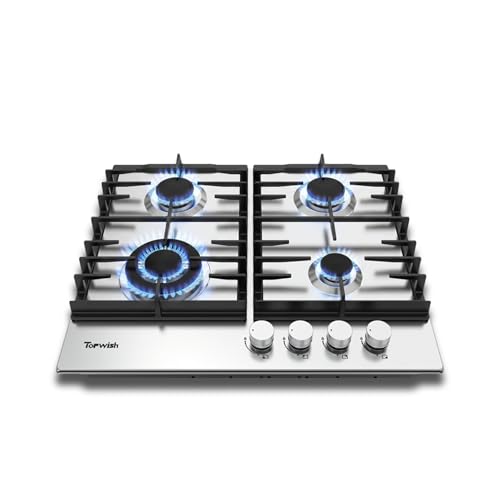
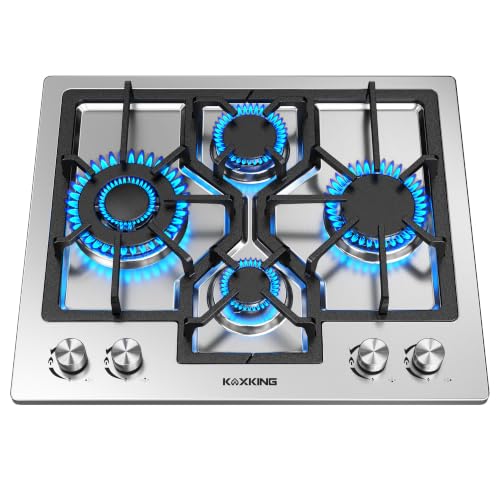

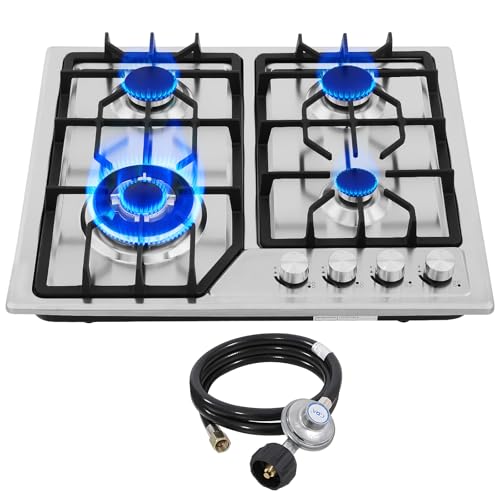


Quick Answer: The Three Layout Types That Fit Most Homes
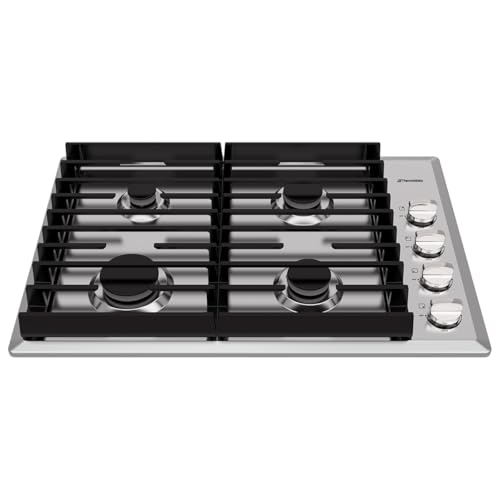
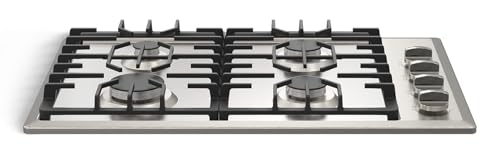
Most four burner cooktops fall into three layout types. The right one depends less on looks and more on how much counter space you can give up and how your household cooks during the week.
- Compact built in layouts, usually about 24 to 30 inches wide, suit small kitchens and apartments where counter space is tight.
- Standard built in layouts, usually 30 inches wide with wider burner spacing, suit most families who cook two or three pans at once.
- Wide layouts, usually 36 inches wide, spread the burners out so large skillets and stockpots fit side by side without crowding.
Before You Buy: A Quick Checklist for Choosing a Gas Cooktop
Work through these points in order. Size and fuel come first, because a cooktop that does not fit your cutout or gas supply is no bargain.
Size: Match It to Your Space
Four burner models most often come in 24, 30, and 36 inch widths, while larger kitchens may step up to five or six burners instead. A 30 inch unit replaces the opening left by most standard ranges and suits the majority of homes. If that width sounds right, our guide to the best 30 inch gas cooktop explains the fit in more detail. Measure your pans as well, because burner spacing matters as much as total width.
Which Type Fits Your Routine
Nearly all four burner models are built in units that sit in a counter cutout, fueled by either natural gas or liquid propane with a conversion kit. Sealed burners keep spills out of the burner box and make daily wiping simpler. If you are torn between a counter unit and a front control range style unit, read our gas cooktop vs rangetop comparison before you decide. Finishes such as stainless steel, black, or glass change cleaning effort more than cooking results.
Features Worth Paying For and Ones to Skip
Continuous grates are worth paying for, because you can slide a heavy pot between burners instead of lifting it. A low simmer burner keeps sauces steady without scorching. A strong power burner boils large pots quickly. A griddle or wok ring only earns its place if you cook those foods weekly. Downdraft venting can be skipped where a hood exists.
Measurements and Compatibility With Your Setup
Measure the cutout width, depth, and the clearance below the counter before ordering, because drawers and ovens often sit under the cooktop. Confirm the gas line location, the shutoff valve position, and the electrical outlet needed for the igniters. Check the distance to any cabinet or microwave above the surface, and follow the clearances in the manual for your model. A unit that fits the hole but blocks a drawer will cost you a second installation visit.
Certifications and Safety Marks
Look for a listing mark from UL, ETL, or CSA, which shows the cooktop meets recognized safety standards for gas appliances. Home models should also meet the ANSI standard for household cooking gas appliances. Flame failure protection is a sensible feature to look for, and so are knobs with a push and turn action if young children are around. Always follow the manufacturer instructions.
Professional Installation Versus Doing It Yourself
Gas work is where most households should hire help. A licensed installer connects the line, checks for leaks, and confirms the burners are set for your fuel type. To plan that expense, see our breakdown of gas cooktop installation cost before you budget for the unit alone. Adding a new gas line, a shutoff valve, or propane conversion adds real cost and often needs a permit and an inspection.
Realistic Budget Ranges
Prices spread widely for the same burner count. Most built in models that families buy land at about $300 to $900, and the differences buy build quality, grate weight, and burner range rather than extra cooking space.
- Under $200: basic units with lighter grates and a narrow burner range, plus most portable styles.
- About $200 to $500: the main value zone, with sealed burners and sturdy enamel or steel finishes.
- About $500 to $1,000: heavier cast iron grates and a wider simmer to power range.
- About $1,000 to $2,000: premium materials, tighter fit and finish, and longer warranty coverage.
Types Compared: How Four Burner Layouts Differ
Instead of ranking individual models, compare the three layout types below against your kitchen. The same burner count can feel cramped or generous depending on spacing and grate design.
Compact Layouts for Small Kitchens and Apartments
Compact layouts keep all four burners inside a narrow footprint, so two large pans rarely fit at once. They work best when you cook one main dish plus a side, and when every inch of counter is spoken for. Front edge knobs save depth but sit within reach of small children, while top mounted knobs leave more room for pan handles. For one or two people, this type covers daily cooking without wasting space.
Standard Layouts for Everyday Family Cooking
Standard 30 inch layouts stagger the burners, with a power burner at one front corner and a simmer burner at a rear corner, so a stockpot and a small saucepan can share the surface. Continuous grates usually cover the full width, giving you a stable landing spot for a pan taken off the heat. Most families settle on this type, since it handles a pasta pot, a skillet, and a sauce pan together without forcing you into a wider cutout.
Wide Layouts for Islands and Larger Counters
Wide layouts place four burners across 36 inches, leaving genuine elbow room between pans and keeping handles from colliding. They suit island installations and open plan kitchens where several cooks share the space. The trade off is counter space given up on both sides and a larger cutout that limits future options. Choose this type only if you regularly use two oversized pans at once.
How to Compare Four Burner Gas Cooktops
Compare cooktops on installation and compatibility first, then build quality, burner range, safety certifications, and warranty length. The comparison draws on manufacturer specifications and verified buyer feedback about fit and daily use. Leave prices to the listings, since those change often.
Is a 4 Burner Gas Cooktop the Right Size for You?
Four burners suit households of two to five people who usually cook one main dish and up to three sides at once. If you often run five pans or host large gatherings, a five or six burner unit will feel less crowded. Couples who cook simple meals may find two burners enough, and renters who cannot cut a counter can look at the best portable gas cooktop options instead.
Think about your largest week, not your largest holiday. Most families use three burners on a normal evening and reach for the fourth a few times a week, which is exactly the pattern this size serves well. Buying more burners mainly costs counter space you will miss daily.
Common Mistakes to Avoid
- Ordering by width alone, so the unit arrives and the cutout depth or drawer below does not match.
- Ignoring the fuel type, so a natural gas unit reaches a propane home with no conversion kit on hand.
- Paying for extras you will store, so a griddle and wok ring sit in a cabinet unused.
- Skipping the venting plan, so steam and grease end up coating the cabinets above.
- Forgetting the space below, so the gas line crowds out the drawer or oven already there.
Cost of Ownership and Care
Running costs stay modest, since a gas cooktop uses fuel only while a burner is lit and draws little electricity for ignition. The parts that wear are burner caps, grates, knobs, and igniters, all simple replacements you can order by model number. Budget for a professional line check whenever the unit is moved, and keep the manual for its part numbers.
For care, wipe the surface after spills cool and clear the small holes around each burner head with a soft brush so the flame stays even. Finishes last longer when you avoid harsh scouring pads that dull the surface. A cooktop cared for this way commonly serves a household for well over a decade.
Your Questions, Answered
What is the most reliable gas cooktop brand?
No single brand wins for every home, so judge reliability by parts support instead. Brands with wide service networks and parts that stay in stock for many years are easier to keep running. A long warranty on the sealed burner system matters more than a long list of cooking modes. Ask local dealers which brands their technicians can repair quickly in your area, since fast service protects your routine more than any badge does.
How do you clean a gas cooktop?
Let the grates cool fully, then lift them off and wash them in warm soapy water while you wipe the surface beneath. Soak burner caps that carry baked on residue, dry every part completely, and seat each cap flat before lighting the burner again. Our walkthrough on how to clean a gas cooktop covers stain removal for enamel, steel, and glass. Never pour water into the burner base, because moisture there causes slow ignition.
Is a gas cooktop worth it?
Yes, for cooks who value instant heat control and a flame they can see and adjust by eye. Gas responds the moment you turn the knob and pairs with every pan material you already own. It is less appealing if your home has no gas line, since adding one can cost more than the cooktop itself, or if you strongly prefer a flat surface that wipes clean in seconds.
How long does a gas cooktop last?
Most gas cooktops last about 15 to 20 years in regular home use. The surface itself rarely wears out, so lifespan usually ends when igniters, valves, or control parts fail and replacements become hard to find for an older model. Homes that cook with heavy cast iron daily may see grate finishes wear sooner, but replacement grates extend the useful life. Keeping the model number on record makes late life repairs far easier.
What size gas cooktop do I need?
Start with the pans you use together most often, not the counter alone. Set your largest skillet, stockpot, and usual saucepan out in the pattern you cook with, then measure the space they occupy. If that group needs more than about 28 inches of width, a 36 inch layout will feel calmer than a 30 inch one. Households that rarely use two big pans at once can stay compact and keep the extra counter for prep.
What is the best 4 burner gas cooktop for most homes?
For most homes it is a standard 30 inch sealed burner model with continuous grates, one power burner, and one low simmer burner. That mix covers weeknight family cooking without demanding a new cutout. Homes cooking for one or two people can drop to a compact layout, while frequent hosts gain more from width than from extra features. Match the fuel type to your supply first, then choose within the size that fits.
Final Thoughts
Start with your cutout, your fuel supply, and the pans you reach for on a normal evening, and the right size will narrow down quickly. Compare the layout types in the product table above against that routine, and spend on grate quality and burner range before extras. For a wider view, our guide to the best gas cooktop covers other sizes as well. Chosen in that order, the best 4 burner gas cooktop for your home will feel easy from the first weeknight dinner onward.