
Best 3D Massage Chairs in 2026: Which Type Is Right for You?
Disclosure: We may earn a commission when you buy through links on this page, at no extra cost to you. As an Amazon Associate I earn from qualifying purchases. Learn more

The best 3d massage chairs compared by type: track, roller depth, room fit and price, with pros and cons for every home.
Massage chair listings throw a lot of labels at you at once, and the 3D label causes the most confusion. In plain terms, 3D means the rollers move in and out from the backrest as well as up, down, and side to side, so the pressure can change instead of staying flat. The best 3d massage chairs all share that moving roller idea, but they split into clear types with different footprints and prices. This guide compares them side by side, with the product table as your quick reference.
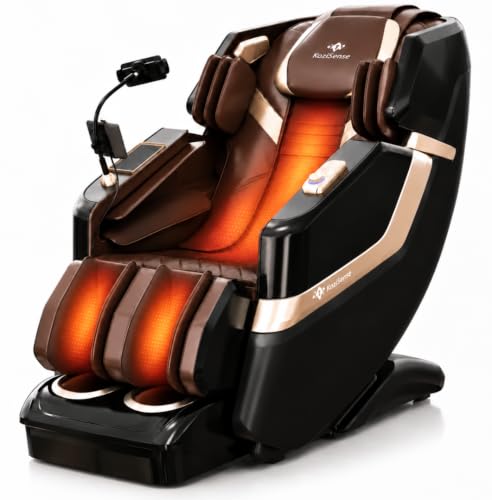
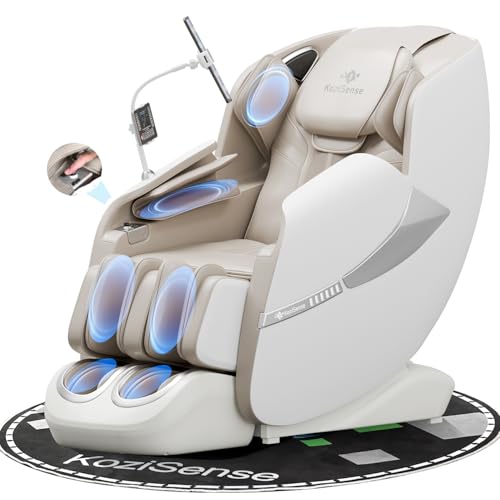

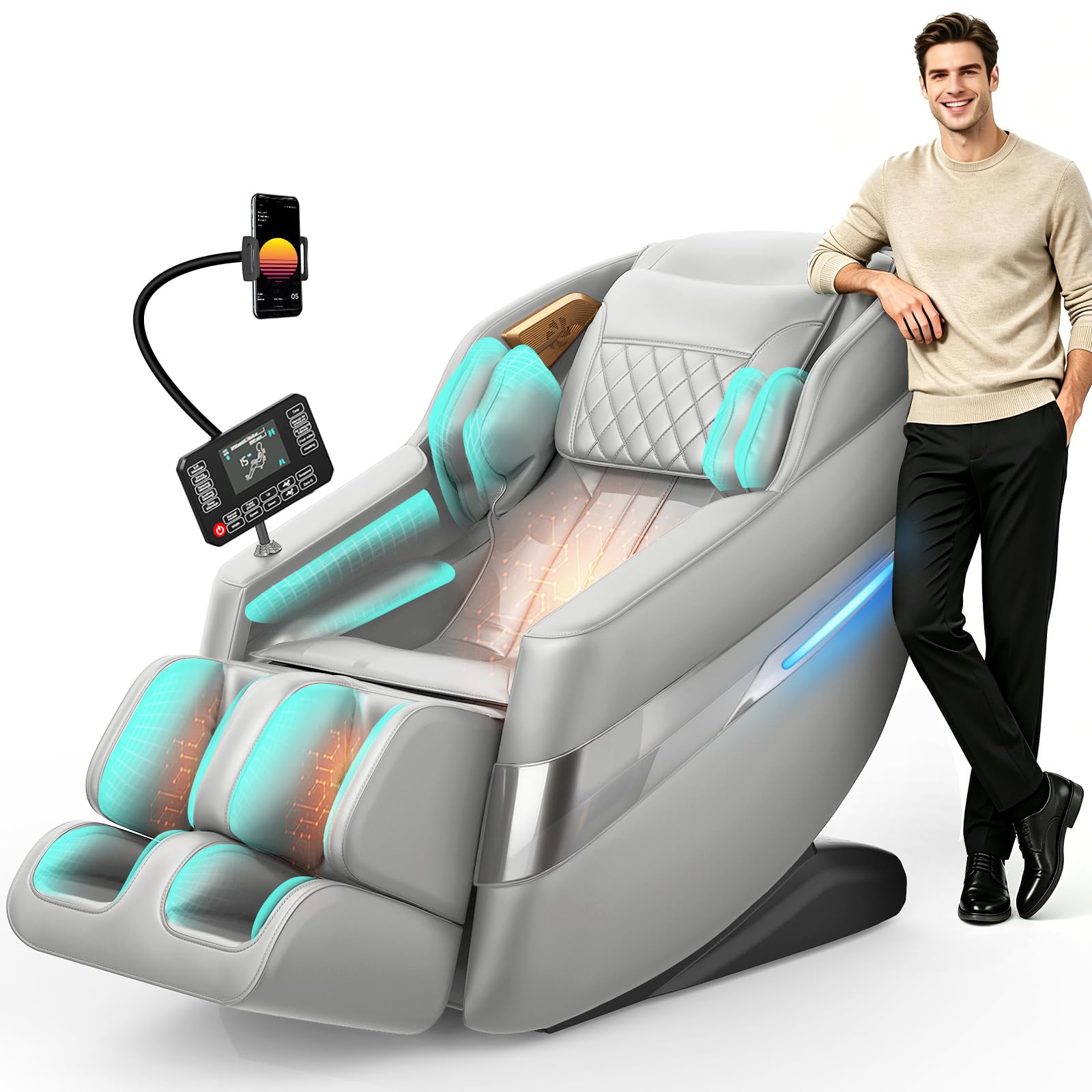
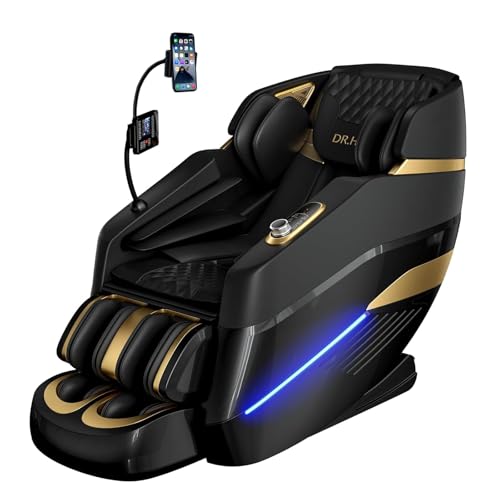
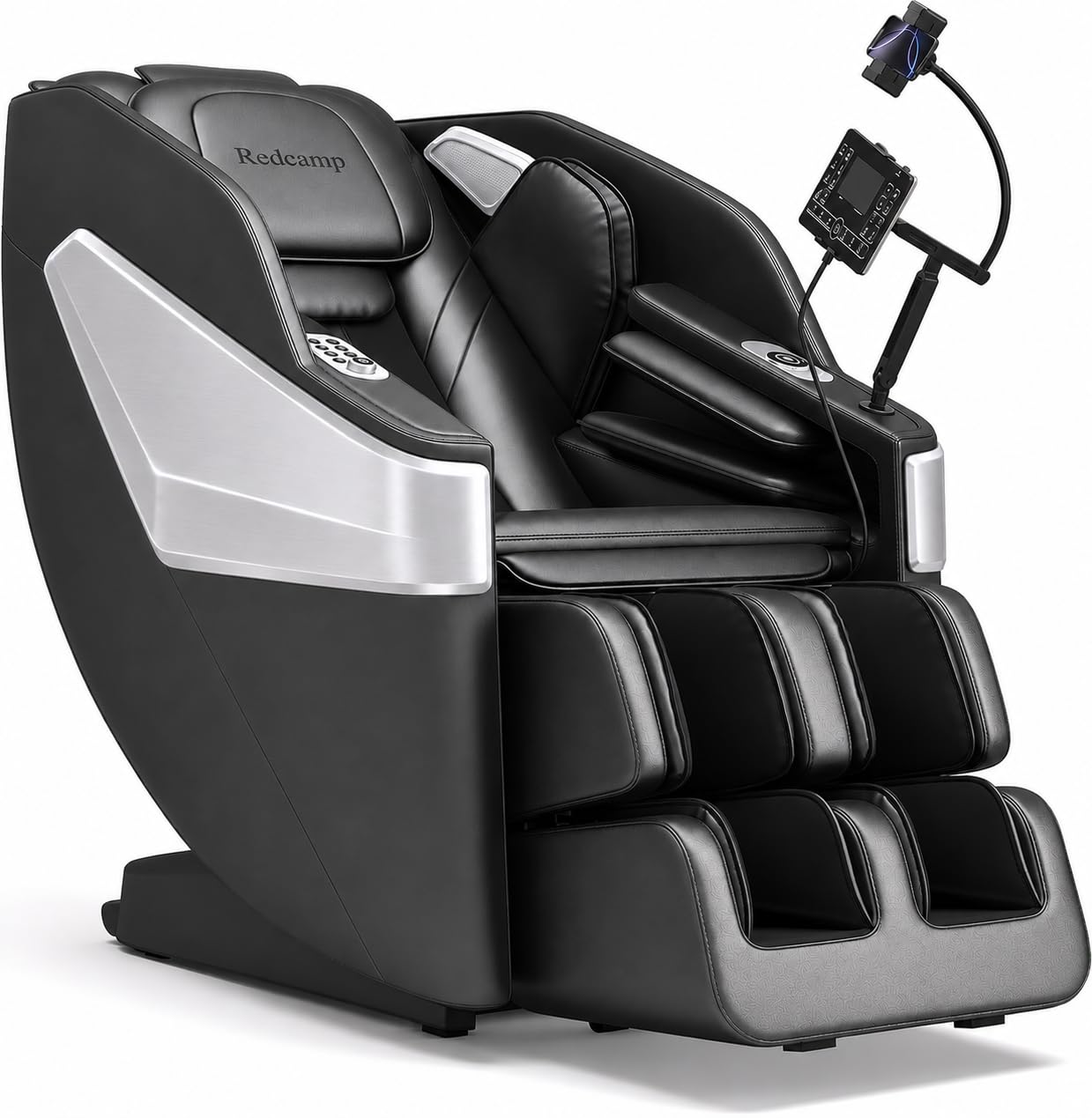
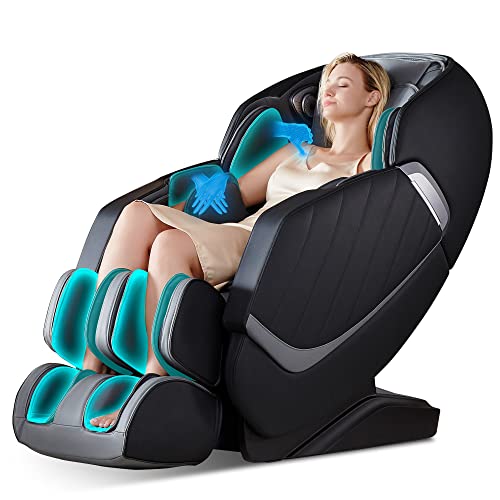


Types of 3D Massage Chairs Compared
Shoppers browsing the wider shelf of best massage massage chairs will see 2D, 3D, and 4D labels side by side; this guide stays on the 3D class and sorts it into three types. The table summarizes them, and the sections after explain who each type suits.
| Type | Best For | Pros | Cons | Typical Price |
|---|---|---|---|---|
| Full Body Recliner | Homes with a dedicated corner | Longest tracks, airbags for arms and legs, zero gravity recline | Largest footprint, heaviest to move | about $1,500 to $4,000 |
| Compact Space Saving | Apartments and shared rooms | Small footprint, wall saver recline, easier delivery | Shorter track, fewer airbags | about $800 to $1,800 |
| Smart Connected | Shared chairs and app users | Saved user profiles, body scanning, app control | Highest prices, more parts to update | about $2,500 to $6,000 |
Full Body Recliner Models
This is the classic massage chair shape: a large recliner with a long roller track, airbags that squeeze the arms, calves, and feet, and a zero gravity recline. These chairs give the most complete session and the widest range of programs, and they suit homes where several people will use the chair often. The trade is size, since a full body model is heavy and needs a dedicated corner rather than a spare gap.
Compact and Space Saving Models
Compact models keep the 3D roller system but trim everything around it, with a shorter track, fewer airbags, and a wall saver recline that slides the chair forward as it leans back. They fit apartments, bedrooms, and shared living rooms where a full body model would dominate the space. You give up some leg and foot coverage and some program variety, so choose this type when room size is your main limit.
Smart and Connected Models
Smart models add sensors and software to the same 3D hardware, starting each session with a body scan that maps your shoulder position so the rollers land in the right places. Saved profiles let each person keep their own settings, and app control can replace or supplement the remote. You pay a premium for this layer, and the electronics add parts that can need updates later, so choose this type when several people share one chair.
Two smaller classes are worth separating before you spend. Products listed under best massage pads for chairs are an accessory class that straps onto a chair you already own, not a chair class of their own. Likewise, best massage chair cushions are an accessory class that adds padding and light vibration on top of a seat, rather than a full roller system in a frame.
Full Body Models vs Compact Models: Which Should You Choose?
These two types answer different limits. On coverage, the full body chair wins, because its longer track reaches from the neck to the glutes and its airbags cover arms and legs a compact chair skips. On space and price, the compact chair wins by a wide margin, in floor area and in how easily it passes through a doorway. On daily use, the full body chair suits a routine in one room, while the compact chair suits a room that returns to normal between sessions.
If your chair will split its day between a desk and massage duty, the sibling class worth a look is best office massage chairs, which trade some recline and track length for a work friendly shape. Keep the seating classes straight while you compare: the listing labeled best officer chairs uses a misspelled label, and the office chairs behind it are a work seating class built for a desk, not a massage class.
How to Choose the Right 3D Massage Chair
Start With the Track
The track is the path the rollers travel, and it governs which parts of your back a 3D chair can reach at all. A shorter track covers the back only, while a longer curved track follows the spine and continues under the seat to reach the glutes and thighs. A curve that follows the spine keeps roller contact even, where a straight track can lose contact at the lower back. Decide your coverage first, because no depth setting can massage an area the track never reaches.
3D Depth and Pressure Control
Depth is what makes a chair 3D: the rollers push outward from the backrest, and that outward travel is best read as a pressure control. More depth steps mean finer control, so you can run a gentle session in the morning and a firmer one after a long drive. Look for depth you can change during a session, not only before it starts, and begin on the lowest settings. Pressure that feels strong in the first minute often feels like too much by minute fifteen.
Room Fit and Wall Clearance
Measure before you order: the doorway the chair must pass through, the floor space it will occupy, and the clearance behind it. A standard recline needs about 12 to 18 inches of free space behind the chair, while a wall saver design needs only about 4 to 6 inches because the base slides forward as the backrest leans back. Also match your body to the maker's stated figures, checking the stated height range and weight capacity. Treat that capacity figure as a hard limit read from the listing, never as a rough guide.
Comfort and Safety Features
Look for heat with a clear upper limit, an automatic shut off timer so a session ends on its own if you fall asleep, and controls that stop the chair instantly. Then hold one honest line in mind: a massage chair is a comfort product only, and it does not treat back pain or any medical condition. If pain persists, keeps coming back, or arrives with numbness, weakness, or changes in bladder or bowel control, talk with a clinician about the cause before relying on any chair for relief.
Controls, Presets, and Ease of Use
A chair shared by a household lives or dies by its controls. A simple remote with large, clearly labeled buttons beats a deep menu for daily use, and saved presets mean each person can start a session with one press instead of rebuilding it. App control is a genuine bonus when the remote is across the room, but treat it as a bonus, not a requirement. Whatever the style, check that pause and stop are always one press away, because that is the button you will want mid session.
How to Make Your 3D Massage Chair Last Longer
Most care is simple. Wipe the upholstery with a soft, slightly damp cloth and keep harsh cleaners off it, since they dry out the surface and start cracks. Keep the vents and the floor under the chair free of dust so the motors cool properly, and check the power cord for pinching where the chair slides or reclines. Follow the manual's guidance on daily use limits, because back to back sessions all day wear the roller mechanism faster than those hours spread across a week.
Frequently Asked Questions
What does 3D mean in a massage chair?
3D means the rollers move in three directions: up and down the back, side to side, and in and out from the backrest. That third direction is the useful one, because it lets you change how firmly the rollers press instead of accepting one fixed pressure. A 2D chair lacks the in and out movement, while 4D adds speed and rhythm changes. For most buyers, 3D is where control becomes personal without the 4D premium.
Can a 3D massage chair help with back pain?
A 3D massage chair can help you relax and can ease the feeling of stiffness after a long day, and for many people that comfort is exactly what they are buying. It cannot treat back pain or fix its cause, and it is not a medical device. Pain that persists beyond a couple of weeks, travels down a leg, or comes with numbness or weakness needs a clinician, not a stronger chair setting.
How much room does a 3D massage chair need?
Plan on a floor patch roughly the size of a large recliner, then check the measurements the listings do not headline. The chair must fit through your doorway in its shipping boxes, which are often wider in one dimension than the assembled chair. Hallway turns matter too, since a long box cannot pivot in a short hall. Finally, leave the stated wall clearance plus a little extra, because a chair that scrapes the wall will mark the paint within a month.
How long should a session in a 3D massage chair last?
Most people do well with sessions of about 15 to 30 minutes, and many chairs set their timers in exactly that range. Longer is not automatically better, since extended pressure on the same muscles can leave you sore the next day, much like an overlong workout. If you want more time in the chair, split it into two sessions with a break rather than one marathon. Use the automatic shut off as your backstop, and raise depth gradually over your first week.
What does a 3D massage chair cost to run and maintain?
Running costs are small, since a chair draws about as much power as a bright lamp, so even daily sessions add little to an electricity bill. Maintenance costs are the real variable, because rollers, airbags, and upholstery are the parts that wear. Out of warranty repairs on the roller mechanism can run into the hundreds of dollars. That is why warranty length and stated parts coverage deserve as much attention as the feature list.
The Bottom Line
Choosing among the best 3d massage chairs comes down to three checks: a track that reaches the areas you care about, depth you can adjust to the pressure you enjoy, and a footprint your room can honestly hold. Pick the type that fits your space first, then compare depth control within it. Use the product table above to line up the types side by side, and let your room measurements, not the longest feature list, make the final call.


