Best 36000 Btu Mini Splits (2026): Zones, Efficiency and Install
Disclosure: We may earn a commission when you buy through links on this page, at no extra cost to you. As an Amazon Associate I earn from qualifying purchases. Learn more

A guide to the best 36000 btu mini split: single zone, multi zone and cold climate setups compared.
Finding the best 36000 btu mini split is harder than the capacity number suggests, because two systems with the same rating can differ a lot in layout, heating output, and running cost. A 36000 Btu unit is a 3 ton system, sized for a large open area or several rooms, so a poor layout choice wastes money every month. This guide compares the main system types by coverage, performance, and noise, then walks through the sizing and feature decisions that matter most. The comparison table below sums up the types side by side.
Instead of naming specific models, this guide compares single zone, multi zone, and cold climate heat pump configurations, since the right configuration matters more than small differences between brands. If you are still weighing the format itself, our overview of the best mini split options covers smaller capacities.
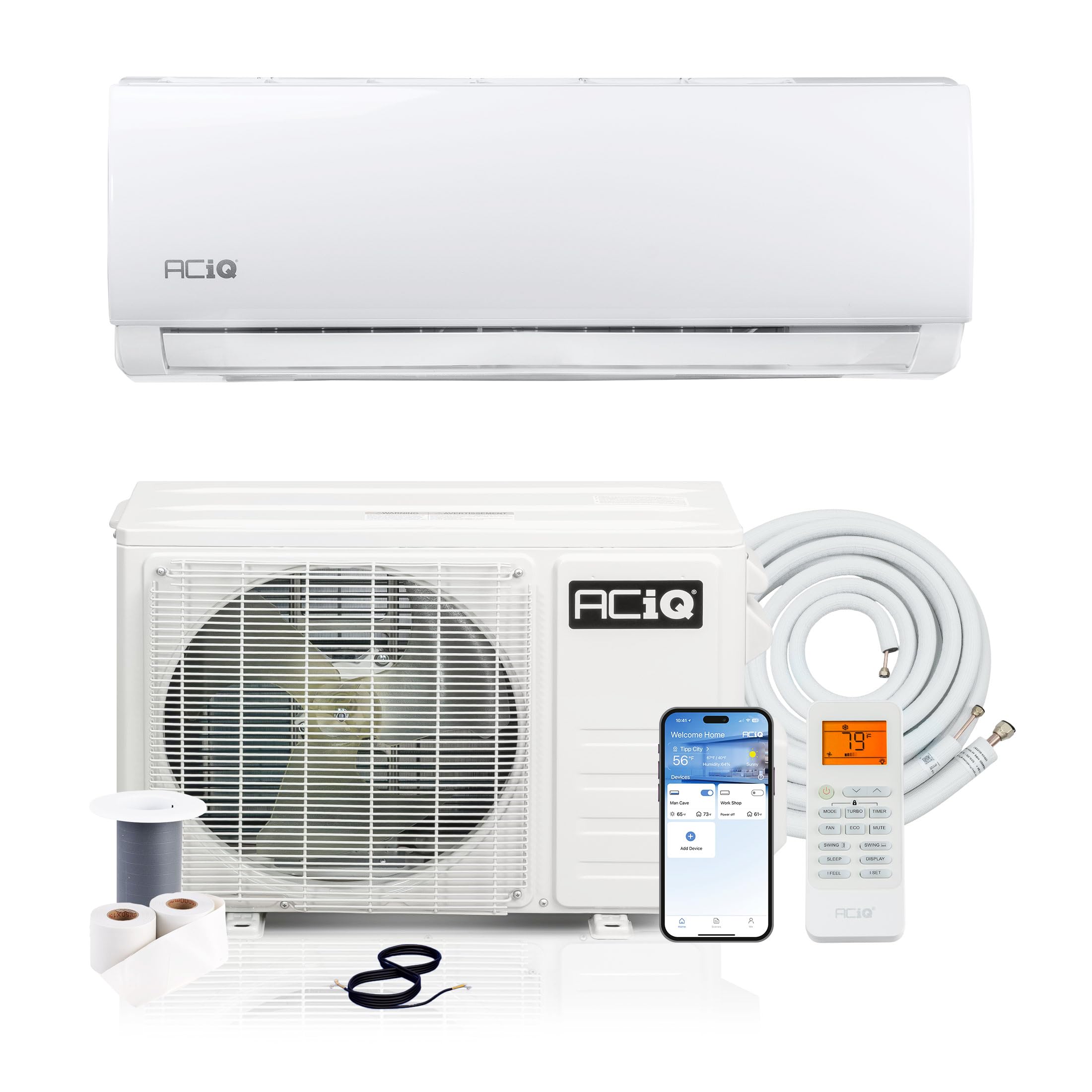


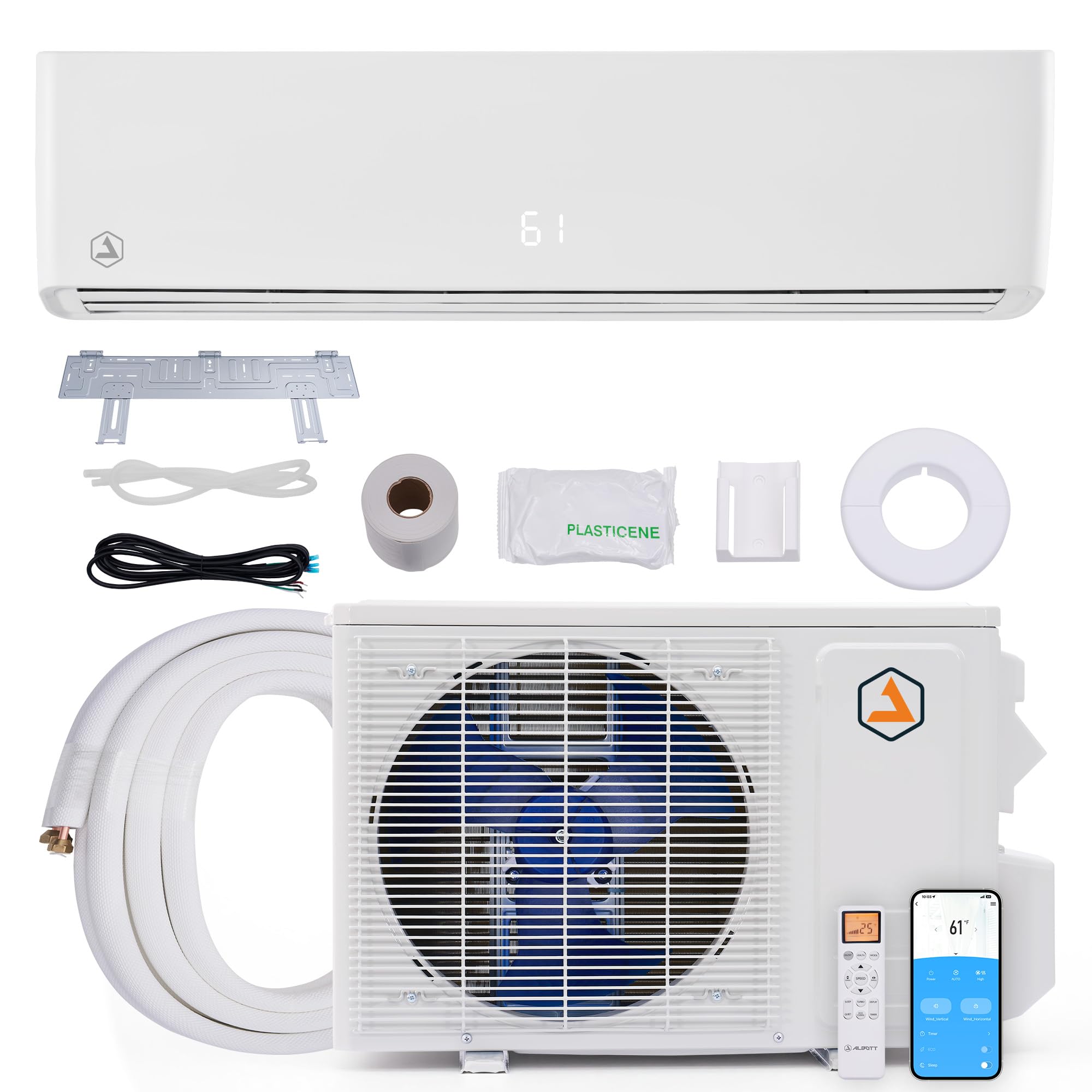

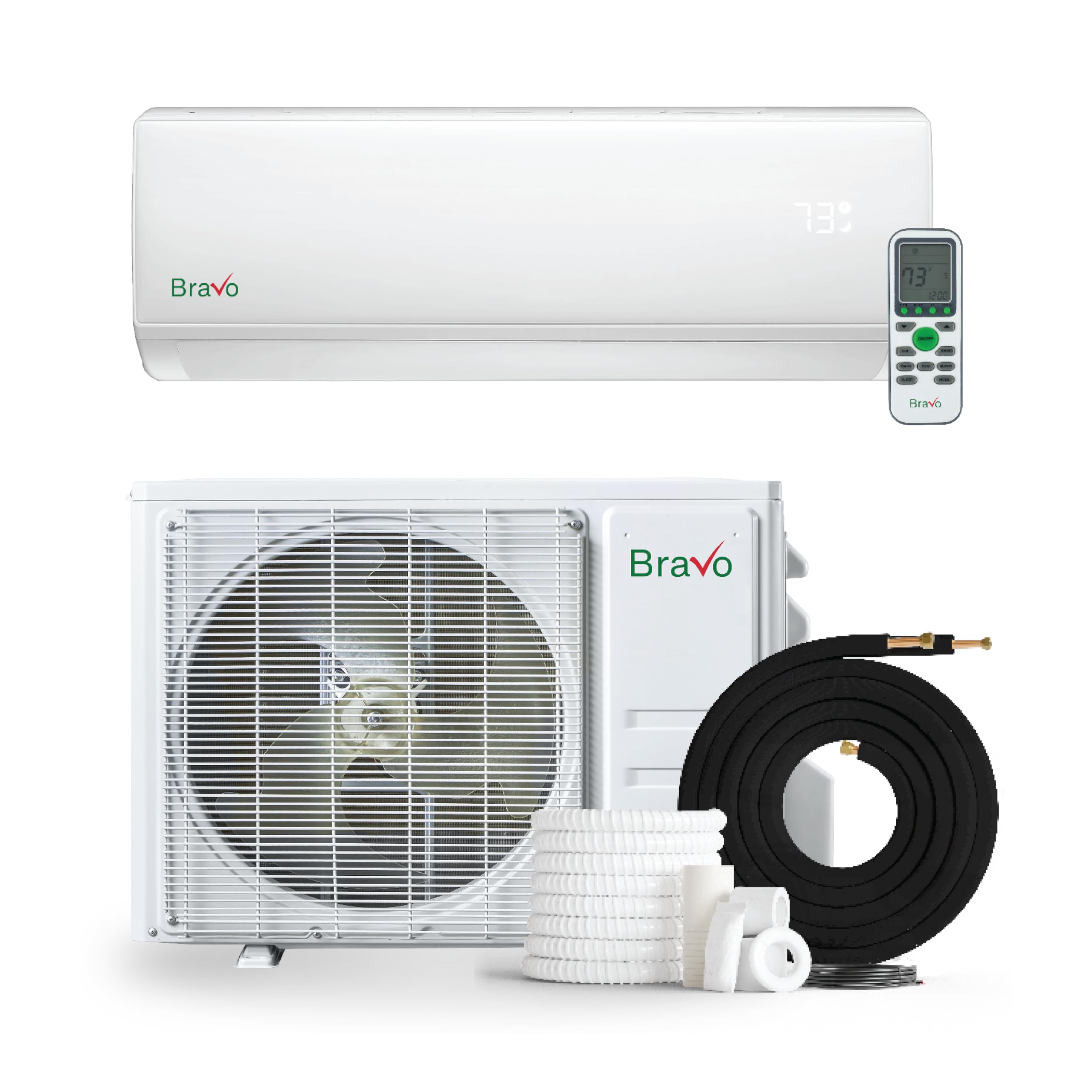
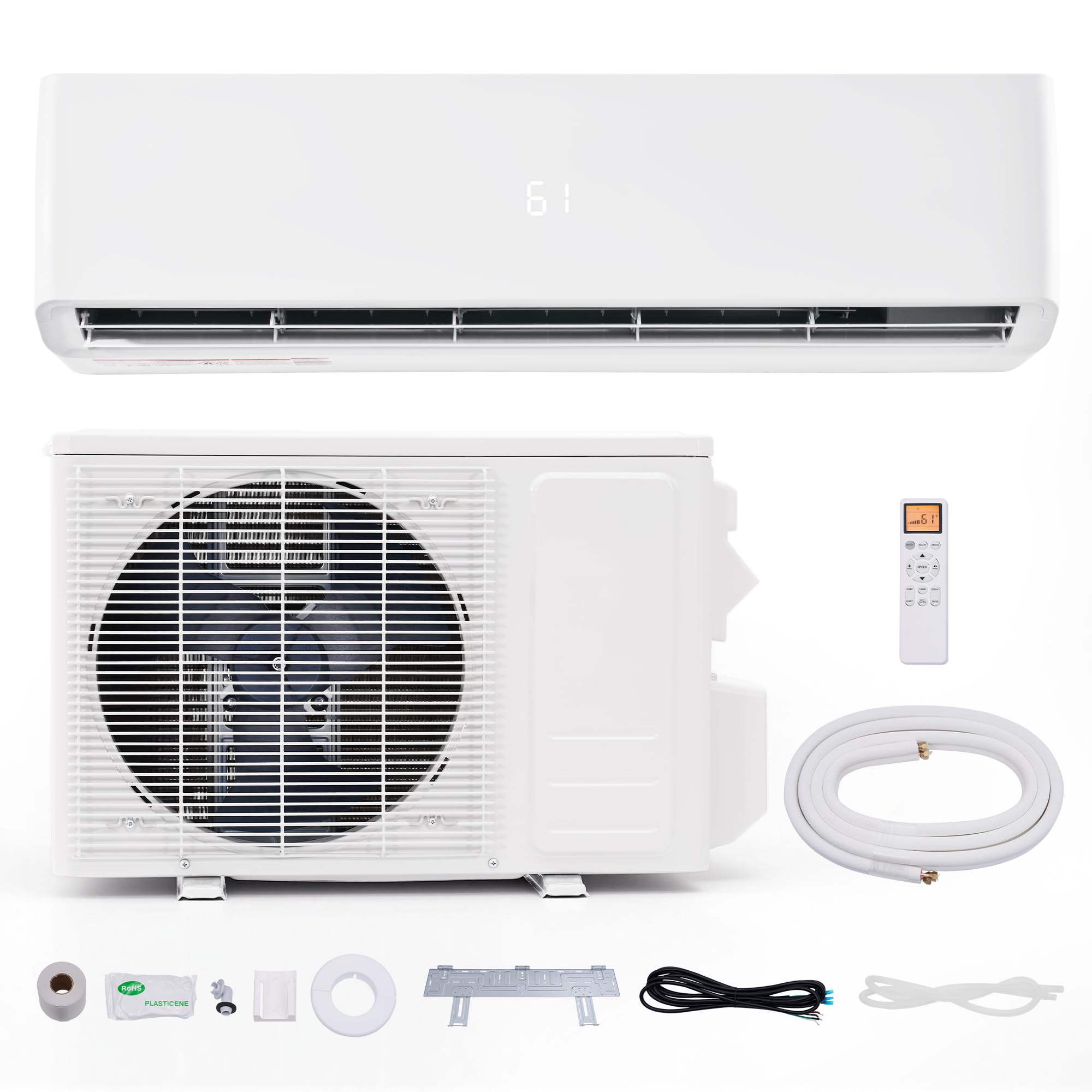
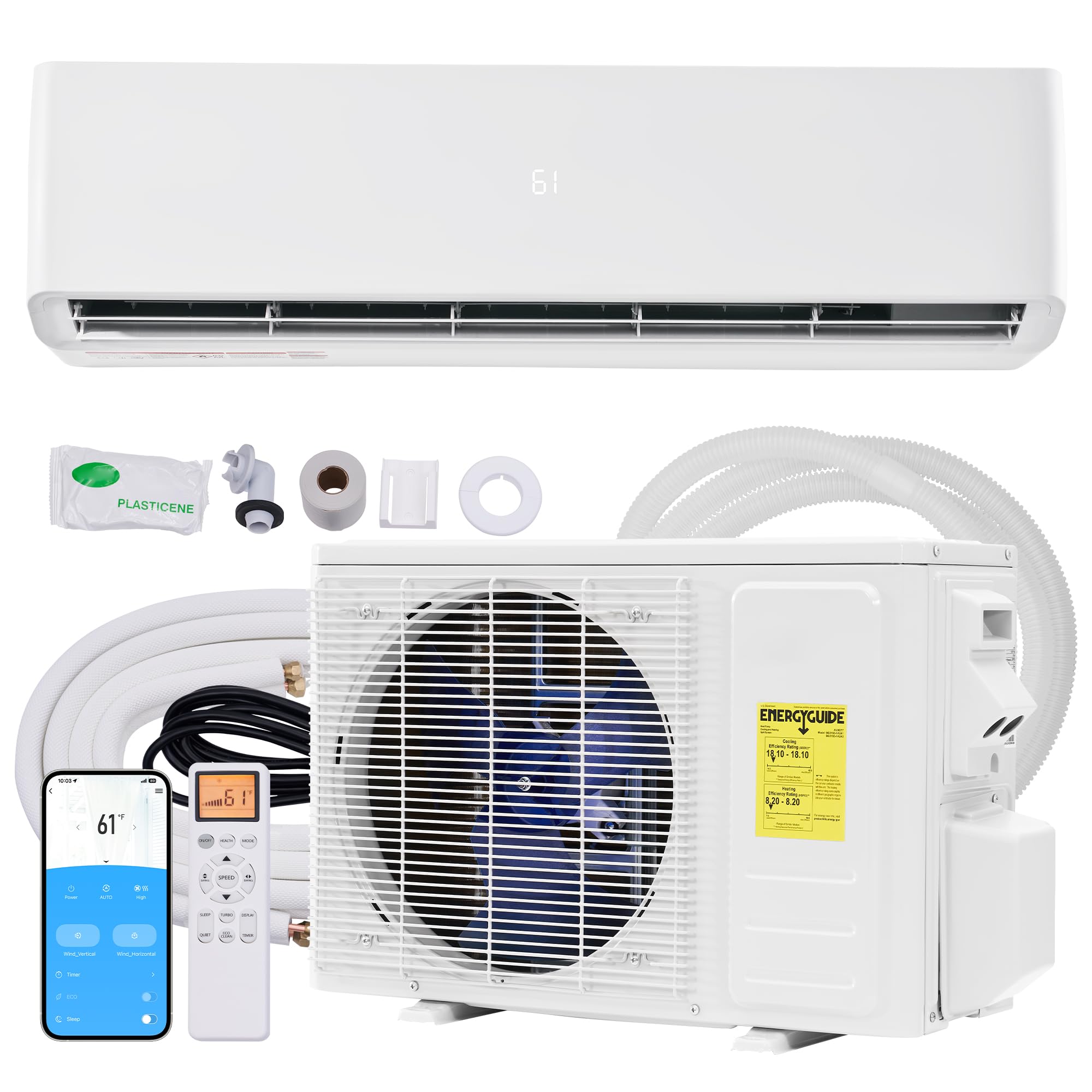

Three Configurations at a Glance
Three configurations cover almost every home that needs this much capacity. A single zone system puts all 36000 Btu into one large space through one indoor unit. A multi zone system splits the same capacity across two, three, or four indoor units fed by one outdoor unit. A cold climate heat pump system adds stronger low temperature heating for homes that heat with the unit through winter.
- Single zone: simplest install, lowest equipment cost, best for one big open area.
- Multi zone: separate temperature control per room, best for a floor with several closed rooms.
- Cold climate heat pump: heating output that holds up in deep cold, best for northern homes dropping a furnace or boiler.
Three Types Compared for the Best 36000 Btu Mini Splits
Single Zone Wall Mounted Systems
A single zone system pairs one large indoor unit with one outdoor condenser, and all of the cooling goes into one space. That makes it the natural fit for a great room, an open plan main floor, a large workshop, or a finished basement where air can circulate freely. Installation is the simplest of the three types, with one line set, one drain, and one wall opening. The limit is reach, since closed doors block airflow, so distant bedrooms will run warmer or cooler than the main room.
Multi Zone Systems With Two to Four Indoor Units
A multi zone system connects several smaller indoor units to one 36000 Btu outdoor unit, and each room gets its own thermostat control. A common split sends about 9000 Btu to each of two bedrooms and 18000 Btu to the living area. Wall units, ceiling cassettes, and slim duct units can mix on the same system, which helps where wall space is tight. The trade off is cost and complexity, because every added zone needs its own line set and drain run.
Cold Climate Heat Pump Systems
Cold climate models use a stronger compressor and controls that keep heating output up as outdoor temperatures fall. A standard heat pump loses capacity in deep cold and leans on backup heat, while a cold climate unit is built to carry most of the load on its own. That matters if the mini split will be your main heat source rather than a supplement to a furnace. Expect a higher price, and check the rated heating capacity at low temperatures, not just the headline 36000 Btu figure.
How to Compare the Best 36000 Btu Mini Splits
Compare system types using manufacturer specification sheets and verified buyer feedback, focusing on six factors: real coverage in square feet, cooling and heating performance, noise, energy use, maintenance needs, and smart controls. Published ratings such as SEER2 and HSPF2 and patterns in owner reports are the evidence to lean on. Types that look good on paper but draw repeated complaints about parts support deserve extra caution.
How to Choose the Right Mini Split
Size and Form Factor
Capacity steps run from 9000 Btu for a single bedroom up through 12000, 18000, 24000, and 36000 Btu at the top of the residential range. At 36000 Btu you also choose the form, and that choice shapes the whole project. One large wall unit suits open space, while two, three, or four smaller units suit divided rooms. Ceiling cassettes sit flush in a ceiling and suit finished basements or offices, and slim duct units hide above a ceiling to feed nearby rooms through short ducts.
Type: Inverter, Heat Pump, and Voltage
Nearly every system at this size uses an inverter compressor, which varies its speed to hold a steady temperature instead of cycling fully on and off. Most are heat pumps, so they heat and cool in one unit, and that is the version most homes should buy. Cooling only models cost a bit less but give up useful shoulder season heat. Systems of this capacity run on 230 volt power and need a dedicated breaker and a disconnect box by the outdoor unit, wired by an electrician.
Features Worth Paying For
A heat pump function, WiFi control, and a complete installation kit are the features that earn their cost at this size. WiFi lets you set schedules, check room temperature from your phone, and turn the system down while you are away, which saves real energy in a system this large. Pre charged line sets on do it yourself designs remove the vacuum pump step that otherwise requires pro tools. Sleep mode and a self cleaning cycle are nice extras, but they should not decide the purchase.
Room Size and Coverage Ratings
A 36000 Btu system typically covers about 1400 to 1800 square feet in an average home with standard ceiling height and decent insulation. Treat that range as a starting point, not a promise. Sunny rooms, high ceilings, kitchens, and upper floors all add load, while a shaded, well insulated space needs less. If your area falls near the top of the range, the layout matters as much as the number, since one unit cannot push air around corners.
Running Cost and Energy Use
Efficiency is rated as SEER2 for cooling and HSPF2 for heating, and higher numbers mean lower bills for the same comfort. At this capacity, a few points of SEER2 can mean a visible difference on a summer electric bill, because the system runs for long hours. Inverter systems also save money at part load, which is most of the season, since they sip power once the room reaches the set point. Ask your utility about heat pump rebates, since many programs pay part of the cost for higher rated systems.
Noise Levels for Bedrooms
Indoor units at low fan speed run very quietly and rise noticeably on high. That low speed hush is why these systems suit bedrooms well, as long as the unit is not mounted directly above the bed. Outdoor units are louder. Place the condenser away from bedroom windows and patios, and mount it on a pad that limits vibration through the wall.
Filters, Tanks, and Maintenance
There is no water tank to empty in normal cooling use, because a drain line carries condensate outside, and a pump is added only when gravity drainage is impossible. The mesh filters inside each indoor unit need rinsing about once a month during heavy use, and they slide out from the front panel without tools. A blocked filter cuts airflow and cooling, so this habit protects performance. Our walkthrough on how to clean a mini split covers deeper coil cleaning in full.
How Much Should You Spend?
Equipment for a single zone 36000 Btu system generally runs about $1800 to $3000, while multi zone setups with three or four indoor units often land around $3000 to $4500 for equipment alone. Professional installation commonly adds about $1500 to $4000 depending on line set length, electrical work, and the number of zones. The lowest priced systems cut corners on efficiency ratings, warranty length, and parts availability, which can cost more over time. Budget for the permit and line set covers so the installed total holds no surprises.
Is a 36000 Btu Mini Split the Right Size for You?
Choose this size when one open area of about 1400 to 1800 square feet needs conditioning, or when several rooms on one floor add up to a similar total and a multi zone layout can serve each one. It is also a strong fit for a large garage conversion, a rental unit, or an addition where extending ducts would cost more than the system itself.
Step down to 24000 Btu if your space is closer to 1000 square feet, because an oversized unit cools too fast, shuts off early, and leaves humidity behind. Step up in layout rather than capacity when rooms spread across two floors, since one outdoor unit per floor often works better than one giant system. A sizing walkthrough like what size mini split do i need helps you check load by room before you order. Homes weighing a full conversion should also read the mini split vs central air comparison, since duct condition often decides that call.
FAQs
What makes a 36000 Btu mini split a good choice for a large home?
Its 3 ton capacity conditions a whole main floor or a large open area from one outdoor unit, without ducts and the energy losses that come with them. You also get room by room control in a multi zone layout, which a single central thermostat cannot match. For homes adding living space, that mix of capacity and control is the main draw.
Can I install a 36000 Btu mini split myself?
Some systems are built for owner installation with pre charged line sets that need no vacuum pump, and our guide to the best diy mini split designs explains what that involves. You still need an electrician for the 230 volt circuit in most areas, plus a permit in many towns. Standard systems require a licensed installer for refrigerant lines, and skipping that step can void the warranty.
How long does a 36000 Btu mini split last?
Most systems last about 15 to 20 years with regular filter care and an annual check of the outdoor coil, drain line, and electrical connections. Coastal air shortens that span, since salt attacks the outdoor coil fins. Registering the warranty within the window the maker sets, often 60 to 90 days, can extend parts coverage, so do not let the paperwork sit.
Is a mini split worth it compared with window units or portable units?
For a space this large, yes, in most cases. Covering 1400 to 1800 square feet with window units means several noisy boxes, blocked windows, and higher energy use for the same cooling. A mini split runs quieter, heats as well as cools, and leaves windows free. The upfront cost is far higher, so the math works best when you own the home and will use the system for many seasons.
Does a 36000 Btu mini split heat as well as it cools?
A heat pump version heats efficiently in mild and cool weather, and many homes use it as the main heat source down to fairly low temperatures. Standard models lose output as the cold deepens, so homes in harsh winter climates pair the system with backup heat or choose a cold climate model. If heating is a priority, the best heat pump mini split guide compares heating focused options.
What maintenance does a 36000 Btu mini split need each year?
Beyond the monthly filter rinsing covered earlier, plan on a yearly check that includes clearing the condensate drain, washing the outdoor coil with a garden hose, and confirming the line set insulation is intact. Watch for ice on the outdoor unit that does not clear during defrost cycles, or a drain that drips indoors, and call a technician if either shows up.
Final Thoughts
The right choice comes down to layout first and specs second. Pick single zone for one big open space, multi zone for divided rooms that need separate control, and a cold climate heat pump if the system will carry your winter heating. Size honestly, budget for installation as well as equipment, and keep the filters clean. Do that, and the best 36000 btu mini split for your home will run quietly and efficiently for years. Check the product table above before you order.