Best 3000 Grit Whetstones (2026): Formats, Size and Care
Disclosure: We may earn a commission when you buy through links on this page, at no extra cost to you. As an Amazon Associate I earn from qualifying purchases. Learn more

Choose the best 3000 grit whetstone: standalone, combination and set formats, plus how to care for it.
Picture a weeknight dinner where your main kitchen knife has already been sharpened, yet it still drags on tomato skin and tears herbs instead of slicing them. That rough, toothy feel is what a refining step is for. The best 3000 grit whetstone smooths the scratch pattern left by a coarser stone, so the edge cuts cleanly without removing much steel. Choosing well comes down to your space, your knives, and how often you cook.
This guide helps you choose by household size, drawer space, and budget, and the comparison table below sums up the main types. If you are still weighing a wider grit range for duller knives, start with our guide to the best whetstone first.



Quick Answer: What a 3000 Grit Stone Actually Does
A 3000 grit stone sits in the middle of the sharpening range. It is too fine to rescue a truly dull edge on its own, and it stops short of the polished finish a 6000 or 8000 grit stone can give. Its real job is refinement. After a 1000 grit stone has rebuilt the edge, a few calm passes at 3000 grit smooth the surface, calm the burr, and leave a cleaner cut for vegetables, fruit, and boneless proteins.
For most homes, that makes 3000 grit the most useful finishing step, because it improves daily cutting without demanding much time or skill. If this is your first sharpening purchase, our guide to the best whetstone for beginners explains why new sharpeners often pair it with a coarser stone.
Before You Buy: A Quick Checklist for Choosing a Whetstone
Which Type Fits Your Routine
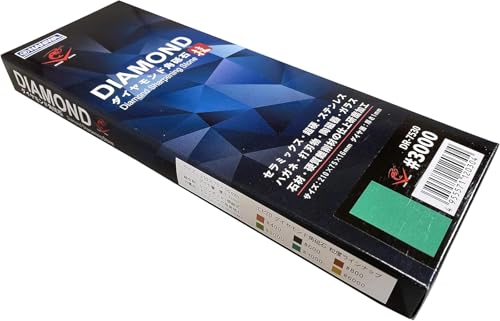
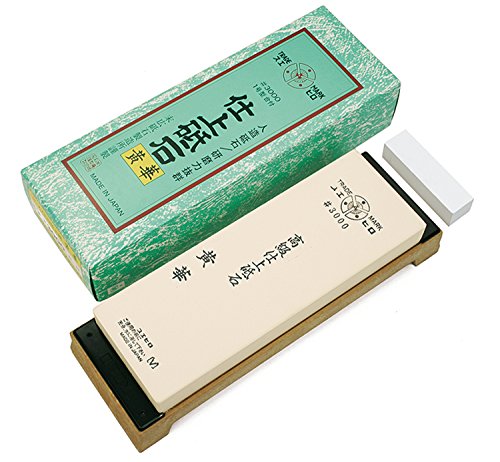
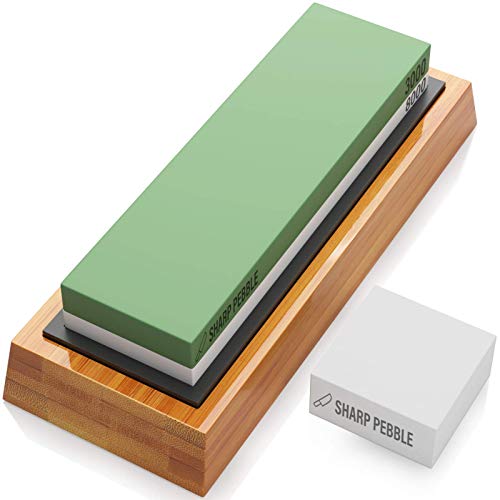
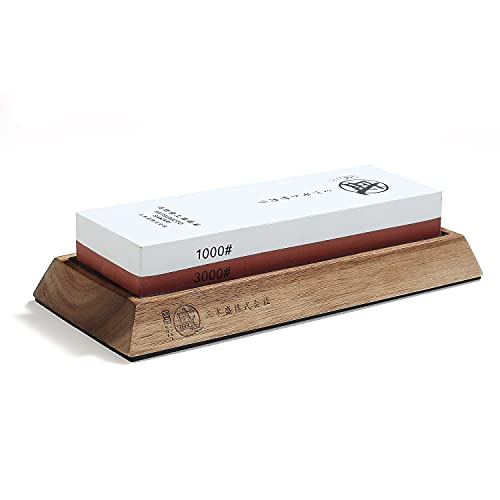
You will see four main formats. A standalone 3000 grit water stone gives you a full thickness of refining grit and suits homes that already own a coarser stone. A combination stone pairs 1000 grit on one side with 3000 grit on the other, for smaller kitchens and lighter use. A larger set adds a holder and a flattening stone for households that sharpen several knives at once. Diamond plates stay flat and cut fast, and our guide to the best diamond whetstone covers that route, but their feel is harder and less forgiving.
Features Worth Paying For and Ones to Skip
Pay for size first. A longer, wider stone lets a long chef knife travel in one smooth stroke, which makes steady pressure easier. A stable holder or a nonslip base is also worth having, and an angle guide helps while you learn to hold a steady angle. A ventilated case protects the stone in a crowded drawer. Skip oversized accessory bundles with duplicate guides and strops you will rarely use, because those extras raise the price without improving the 3000 grit step.
Steel Type and Hardness
Your knife steel decides how the stone feels in use. Softer German style stainless blades refine quickly and forgive extra passes. Harder Japanese style blades take more passes but hold the refined edge longer. Carbon steel refines easily too, though you should wipe the blade dry afterward to limit rust. If your drawer holds a mix of all three, our guide to the best whetstone for kitchen knives covers grit pairings for mixed sets.
Blade Geometry: German vs Japanese Blades
Edge shape changes the pressure you should use. German style blades are usually thicker behind the edge and sharpened at a wider angle, so they tolerate firmer pressure. Japanese style blades are thinner, sharpened at a narrower angle, and they reward a lighter touch, because heavy pressure can dig into a softer water stone. Keep each stroke long and even. For stroke by stroke guidance, see our walkthrough on how to use a whetstone.
How Your Knife Handle and Bolster Affect Sharpening
The knife itself can make a stone feel awkward. A full bolster that runs down to the heel can keep the heel of the edge from touching the stone, so that section stays dull while the rest sharpens. A bulky handle can push your knuckles close to the wet surface and shorten your stroke. Before your first wet session, rest the dry knife on the stone and check that the full edge, heel included, can lie flat through the stroke.
Realistic Budget Ranges
Stones under $30 are usually smaller combination stones. They work well for occasional use, though they wear faster and give you less room per stroke. In the range of about $30 to $60, stones get larger, holders are more common, and the grit feels more even across the surface. Spending about $60 to $100 usually buys a thicker, slower wearing stone, a better case, and sometimes a flattening stone in the box. Above that level, you mostly pay for professional size.
Three Types Worth Your Money
Rather than chase a single model name, match the format to your home.
For Most Homes: A Standalone 3000 Grit Water Stone
For most kitchens, the best 3000 grit whetstone choice in practice is a standalone water stone in a full home size, paired with the coarser stone you already own. You get the whole thickness in the grit you use most for finishing, so it stays useful for years of monthly sessions. It suits one or two regular cooks who want a calm, predictable feel. The trade off is storage, since a full size stone plus its case needs a proper drawer slot.
For Tight Budgets and Small Drawers: A Combination Stone
A combination stone with 1000 grit on one face and 3000 grit on the other gives you a complete routine in one slim package. It fits apartments, small households, and anyone whose knives only need attention a few times a year. You save money and space, and you can rebuild an edge and refine it in one session. The trade off is thickness, because each grit layer is thinner, so both sides wear down sooner than two separate stones would.
For a Long Term Setup: A Larger Stone With Holder and Flattening Stone
Busy households that cook daily and sharpen a full block of knives get the most from a thicker stone sold with a steady holder and a flattening stone. The holder keeps the stone from sliding during long sessions, and the flattening stone keeps the surface level as it wears. This setup costs more up front, yet the cost per year stays low because the stone lasts so long. It suits homes with room to keep the kit together.
How to Judge a 3000 Grit Whetstone
Weigh factors drawn from maker specifications and patterns that show up again and again in verified buyer feedback. The grit rating should be consistent, so the surface cuts evenly instead of leaving random deep scratches. The stone should arrive flat, feel stable in its base, and list clear soaking guidance. Size, wear rate, and honest pricing matter too.
What 3000 Grit Does Well and Where It Falls Short
The strength of this grit is control. It removes so little steel that a few extra passes rarely cause harm, which makes it forgiving while you build skill. Edges come off it feeling smooth and keen, pushing through pepper skin without the sawing motion a rougher edge needs. It also refreshes an edge sharpened weeks ago in just a few minutes, so weekly cooking stays pleasant without a full session.
The limits are just as clear. A 3000 grit stone cannot rebuild a flattened edge or grind out a chip in any reasonable time, and trying only wears the stone down. It also will not give the mirror polish higher grits produce. Soft water stones at this grit wear into a shallow dip with heavy use, so the surface needs regular attention.
Common Mistakes to Avoid
- Starting at 3000 grit on a truly dull knife, which turns a short job into a long and frustrating one.
- Buying a stone much shorter than your longest blade, which forces short, choppy strokes and an uneven edge.
- Pressing hard to make the stone cut faster, which can gouge a soft water stone and round the edge.
- Leaving a flattening tool out of the budget, which lets the surface dip until edges come out inconsistent.
- Sealing a damp stone inside a closed box, which invites a musty smell and a stained surface.
Cost of Ownership and Care
Running costs stay very low. A water stone uses plain tap water, draws no power, and has no parts to replace on a schedule. Your main extra purchase over the years is an occasional flattening stone or coarse abrasive sheet for resurfacing, plus a replacement holder only if the original cracks. That is why a mid priced stone often costs less per year than a budget stone that wears out.
Care is simple habits. Let the stone dry on its side on a towel for about a day before you store it, and keep it in a ventilated case stored flat so the corners do not chip. Keep it away from the counter edge, because a fall onto a hard floor can crack it in one drop. For the full rinse and scrub routine, follow our guide on how to clean a whetstone.
FAQ
Can a 3000 grit whetstone repair a chipped knife edge?
No. A chip needs coarse abrasion to remove steel down to clean metal, and a 3000 grit stone removes material far too slowly for that job. A tiny nick you can barely feel may fade during normal refining, but a chip that catches a fingernail calls for a coarse stone first or a professional sharpener. Trying to grind it out at 3000 grit mostly wears a dip into your stone.
Do you need to soak a 3000 grit whetstone before use?
Most traditional water stones at this grit do need soaking, and the useful signal is the bubbles. Lower the stone into water and wait until the stream of small bubbles stops, which usually takes several minutes, then begin. Some denser stones are made to be splashed with water and used right away, so the maker guidance decides. Avoid soaking a soft stone for hours, because long soaks can soften the binder and speed up wear.
How do you clean a clogged 3000 grit whetstone surface?
A clogged surface looks shiny and feels slick, because fine metal particles have filled the pores and the stone stops cutting. Rubbing a flattening stone across it under running water clears the loading and exposes fresh abrasive, and the cutting feel returns at once. Keep soap and oil away from a water stone, since both can load the surface again, and rinse away the gray slurry after each session.
How long does a 3000 grit whetstone last in a home kitchen?
Thickness and session frequency decide the answer more than the brand does. A thick standalone stone used once a month can serve a household for years, while a thin combination stone used weekly will thin out much sooner. Watch for a surface that will no longer stay flat between flattenings, or a stone too thin to sit steady in its holder. Those signs, rather than age alone, tell you replacement time is close.
What is the best 3000 grit whetstone for a small kitchen?
A combination stone usually wins on space, because one slim stone covers both sharpening and refining. Before you order, measure the drawer where it will live, case included, since cases add length you might not expect. Storing the stone upright on its long edge inside its case can free room beside it for an angle guide and a small towel.
Final Thoughts
Match the format to your home and the choice gets easy. A standalone stone suits most cooks, a combination stone suits tight budgets and small drawers, and a thicker stone with a holder suits busy households. Use the product table above to compare sizes and included extras before you order. Chosen well, the best 3000 grit whetstone turns a slightly rough edge into a clean, confident cut in minutes, for years.