Best 300 Pound Mountain Bike in 2026: Which Type Is Right for You?
Disclosure: We may earn a commission when you buy through links on this page, at no extra cost to you. As an Amazon Associate I earn from qualifying purchases. Learn more
Compare types in this guide to the best 300 pound mountain bike, with notes on weight limits, frame strength, wheels, brakes, sizing and price tiers.
Shopping at around 300 pounds feels confusing because many bikes list a limit without explaining what supports that limit. The best 300 pound mountain bike for you depends on frame strength, wheel build, brakes and the trails you actually ride. This guide compares types side by side so you can match the bike to your weight, terrain and budget.
Start with the total system limit, which includes rider, clothing, pack and gear. A bike rated exactly at your body weight leaves no margin, so look for headroom whenever possible.
Types of 300 Pound Mountain Bikes Compared
Different bike types solve different problems. A trail bike, a sturdy hardtail and an electric assist model can all suit a heavier rider, but they differ in cost, maintenance and where they feel most at home.
Road and Gravel Bikes
Road and gravel bikes are not mountain bikes, yet many riders cross shop them for mixed surfaces and fitness riding. Their drop bars, lighter frames and narrower tires favor pavement and smooth gravel over rocks and roots. For a rider near 300 pounds, wheel strength and tire volume become limits quickly on rough ground, and many road models carry lower stated limits. Choose this type only for smooth routes, with strong wheels and wider gravel tires, and pick a true mountain bike if your rides include technical trails.
Commuter E Bikes
Commuter electric bikes add a motor and battery that help on hills and longer distances, which can make regular riding more realistic. Look for a model whose stated system limit comfortably covers you plus cargo, with hydraulic disc brakes for controlled stops from higher total weight. A mid drive motor gives natural assistance on climbs, while a hub motor keeps cost lower and maintenance simpler. The trade off is weight itself, since batteries add pounds you must lift onto racks and carry up stairs.
Hardtail Mountain Bikes
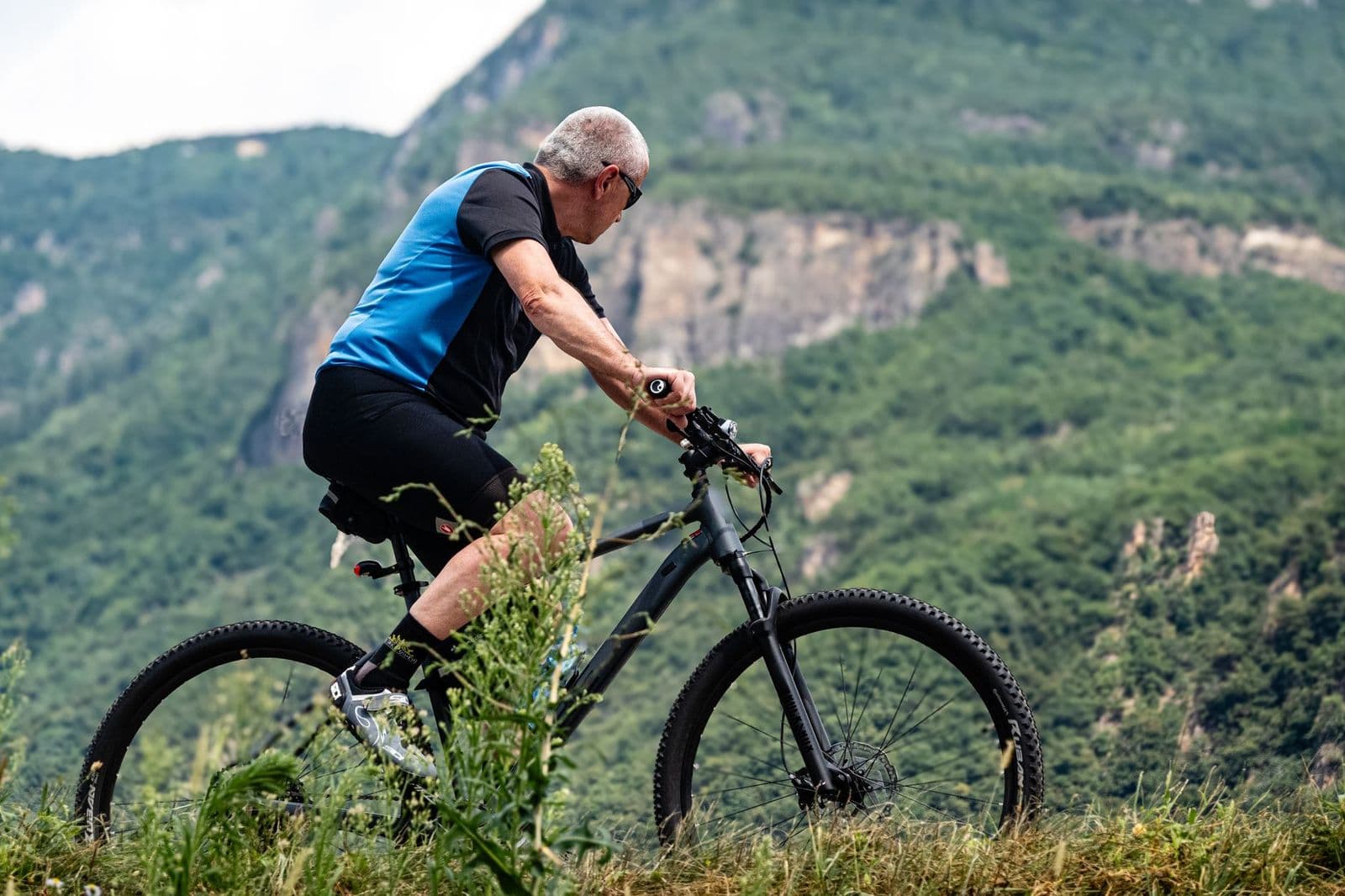
A hardtail has front suspension and a rigid rear end, and it is often the strongest value for heavier riders. With fewer moving parts, more of the budget goes into the frame, wheels and brakes that matter most at higher loads. A quality hardtail handles cross country trails, dirt roads and moderate technical ground well. It will feel less forgiving on rough descents than a full suspension bike, but correct tire pressure and a properly set fork absorb more than many new riders expect.
For a closely related search, see our guide to the best mountain bike for 300 pound man for fit notes aimed at taller and broader riders.
Road and Gravel Bikes vs Commuter E Bikes: Which Should You Choose?
Choose a gravel bike if your routes are mostly pavement and smooth dirt, you value light weight and simple upkeep, and your total load stays within its stated limit. Choose a commuter electric bike if hills, distance or joint strain would otherwise keep you from riding, and if you can store and charge a heavier bike safely. On cost, gravel bikes are usually simpler to own, while electric models cost more up front and need battery care. On rough trails, neither replaces a mountain bike with wide tires, strong wheels and low gearing. Be honest about surface first, because surface decides tire, frame and brake needs more than any single specification.
How to Choose the Right 300 Pound Mountain Bike
Sizing and Fit
Fit starts with frame size and standover height, not just your height on a chart. You should be able to stand over the top tube with clearance, reach the bars without locking your elbows, and pedal without your knees hitting the stem. Heavier riders benefit from a slightly longer wheelbase for stability and from a saddle position that keeps weight balanced between hands and seat. A shop fit is worth the time, because small changes to stem length, bar width and saddle height prevent numb hands and knee pain on longer rides.
Frame Material and Geometry
Aluminum is the most common choice at sensible prices, offering stiffness and durability without the cost of carbon. Steel frames can feel forgiving and are often easy to repair, though they weigh more. Carbon can be strong, but at higher rider weights you must respect the stated limit strictly and inspect for damage after any crash. Geometry matters too. A slacker head angle feels calmer on descents, while adequate reach keeps your weight centered. Avoid ultra light cross country frames built for racing, since low weight there often means a lower load limit.
Weight and Components Upgrade Path
Wheels and tires are the first upgrade path that matters. Strong rims, higher spoke counts and quality hubs handle repeated impacts better than entry level wheels, and tubeless tires let you run lower pressure for grip without frequent flats. Brakes come next, with larger rotors and hydraulic systems giving stronger, more controlled stopping. A wide range drivetrain with a very low climbing gear saves your knees on steep grades. Plan these upgrades in order rather than spending on cosmetic parts, and confirm any new wheel set carries a limit that covers your total riding weight.
Readers working with a strict budget can compare notes in our guide to the best mountain bike for under 300, keeping in mind that very low prices often mean lower load limits and weaker wheels.
Bike Type and Riding Style
Match the type to your trails. Cross country bikes suit smooth trails and fitness miles, trail bikes add travel and stability for rougher ground, and enduro bikes target steep descents at higher cost and weight. Full suspension can improve comfort and traction, but pivots and rear shocks add cost, setup complexity and sometimes lower practical load limits unless the model is built for heavier use. For many riders near 300 pounds, a sturdy trail hardtail with a quality fork gives the best mix of strength, simplicity and price.
If your weight is higher or you carry heavy gear, our guide to the best mountain bike for 400 pounds covers the extra frame and wheel margin that larger loads require.
Tips to Get the Most From Your 300 Pound Mountain Bike
Check tire pressure before every ride, because correct pressure protects rims, improves grip and prevents pinch damage on impacts. Clean and lubricate the chain every 100 to 200 miles, sooner after wet or dusty rides, to extend drivetrain life under higher torque. Have a professional tune up yearly, and ask the mechanic to check spoke tension and wheel trueness specifically, since wheels carry the greatest load. A practical know how point is to log pressure and suspension settings that felt good, so you can repeat them instead of guessing before each ride.
Two other resources may help your short list. See our guide to the best mountain bike 300 for price focused context, and our guide to the best sub 300 mountain bike if you are comparing the lowest price tier against stronger options.
300 Pound Mountain Bikes: Your Questions Answered
Hardtail or full suspension for beginners?
A hardtail is usually the better first choice because it costs less for the same quality frame, wheels and brakes. It is also simpler to maintain and teaches clean line choice on trails. Full suspension adds comfort and traction on rough descents, but it needs correct setup for your weight and costs more to service. If you ride mostly smooth trails, start with a hardtail and upgrade tires first.
What e bike class is legal where I live?
Electric bike rules vary by state, city and trail system, so check local rules before you buy. In many places, Class 1 pedal assist bikes are treated most like regular bikes on trails, while throttle models face more limits. Land managers can set their own access rules even where road use is legal. Confirm both the class definition and the specific trail policy for the places you plan to ride most.
What size bike do I need?
You need the size that gives standover clearance, comfortable reach and stable handling for your height and inseam. Use size charts as a start, then test ride if possible and note hand pressure, saddle comfort and control on gentle descents. Taller riders often need longer reach and wider bars, while shorter riders should watch standover closely. When you fall between sizes, the smaller frame is often easier to handle, provided the seat post extension stays within its safe limit.
How much should I spend on my first bike?
Spend enough to get a frame and wheels rated for your total weight, hydraulic brakes and a low climbing gear, even if that means skipping extra features. Very cheap bikes often save money exactly where heavier riders need strength. A moderate budget spent on a sturdy hardtail usually serves better than the same money spread across a complex full suspension design. Reserve part of the budget for a helmet, pump, spare tube and a floor pump with a gauge.
How far can an e bike go on one charge?
Range depends on battery size in watt hours, rider weight, hills, wind, tire pressure and assist level. Heavier total loads and steep terrain shorten range, while steady pedaling in a lower assist mode extends it. Treat maker range claims as best case figures and plan rides with margin to return. A larger battery helps, but it also adds weight and cost, so balance range against how far you truly ride in a typical week.
Our Verdict
Put the stated system limit, wheel strength and brake quality ahead of travel numbers and cosmetic features. A sturdy hardtail suits most riders here, while electric assistance makes sense when hills or distance are the real barrier. Compare your short list and choose the best 300 pound mountain bike that gives you clear load margin and a fit you can ride often.