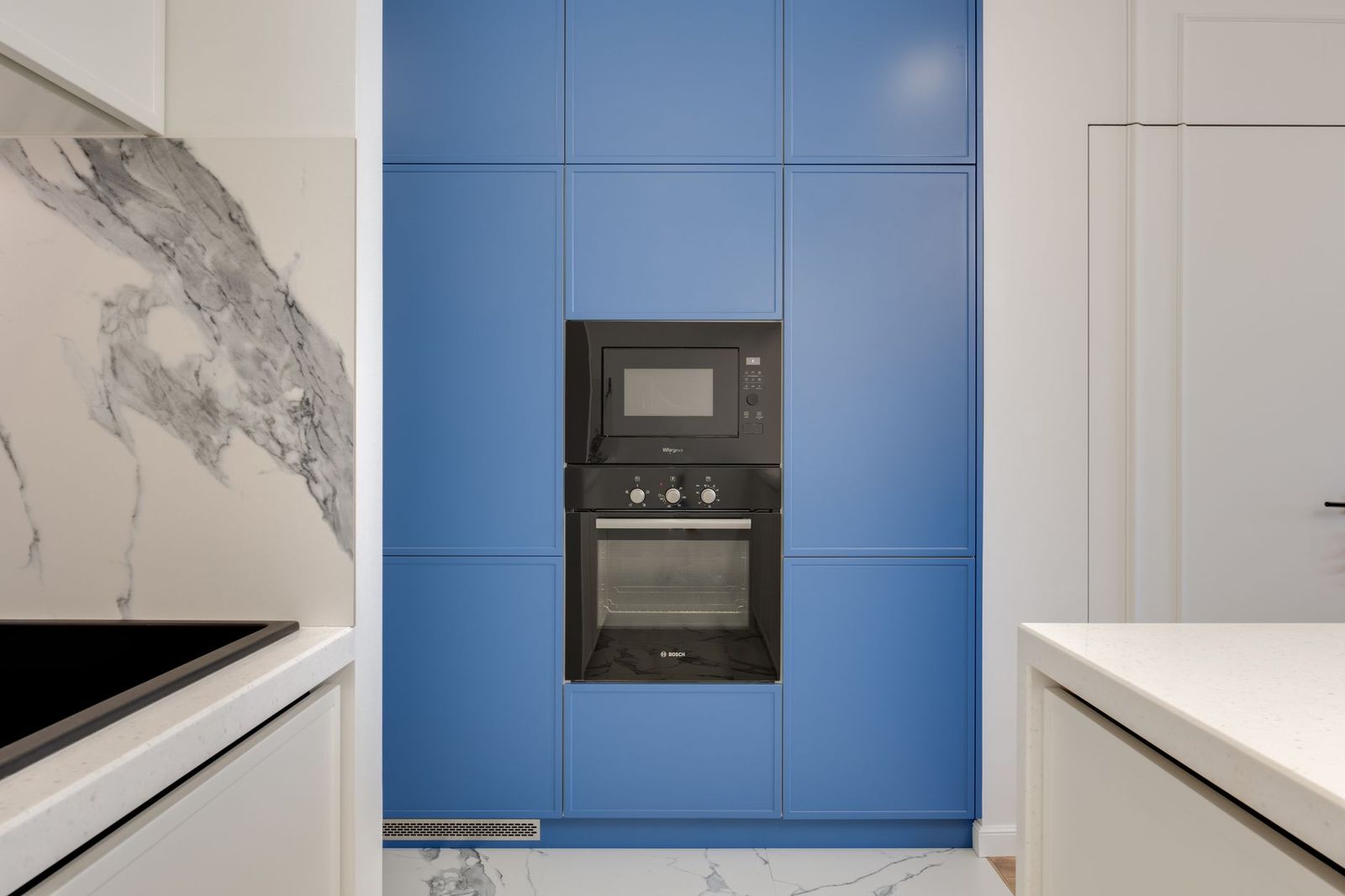
Best 30 Inch Over the Range Microwaves (2026): Venting, Size and Installation
Disclosure: We may earn a commission when you buy through links on this page, at no extra cost to you. As an Amazon Associate I earn from qualifying purchases. Learn more
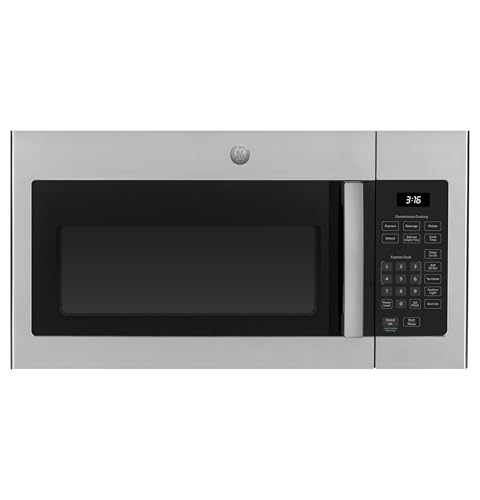
How to choose the best 30 inch over the range microwave: capacity, vent ratings, features and install cost.
Picture a weeknight dinner where soup is reheating above the stove, pasta water is boiling below, and steam is fogging the cabinet doors. The right best 30 inch over the range microwave handles both jobs at once, cooking food up top and clearing smoke from the cooktop below. This guide helps you choose by the space you have, the number of people you cook for, and the budget you can live with. The comparison table below sums up the main types, and the sections after it explain how to match them to your home.


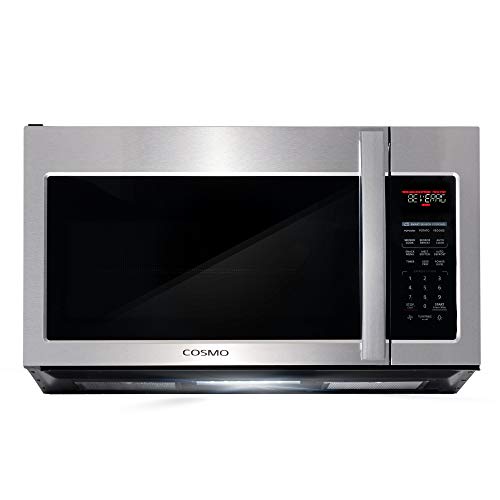


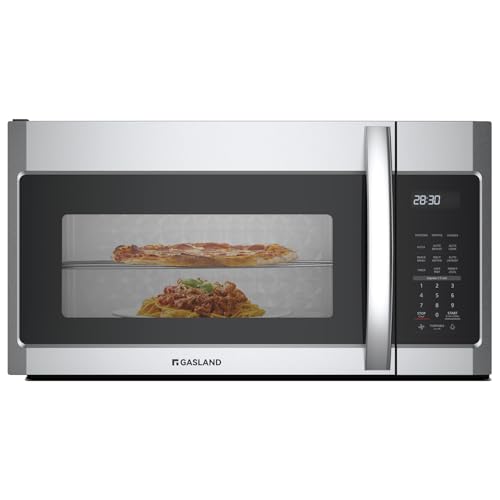
Quick Answer: Three Types in 30 Seconds
Most homes do well with a standard model in the 1.7 to 1.9 cubic foot range, with sensor cooking and a vent rated around 300 CFM. Short on vertical space? A slim low profile type keeps more headroom above the cooktop. Cook and bake a lot? A convection type adds oven style baking in the same cavity.
Before You Buy: A Quick Checklist for Choosing an Over the Range Microwave
Size: Match It to Your Space
Capacity is measured in cubic feet, and for this width you will mostly see 1.6, 1.7, 1.9, 2.0, and 2.1 cubic foot cavities. A 1.6 or 1.7 cubic foot model suits one or two people who reheat plates and cook frozen meals. Families of three or four usually prefer 1.9 to 2.1 cubic feet, since a large casserole dish or a tall bowl needs both width and height inside. Check the turntable diameter too, because a wide dish that cannot rotate will heat unevenly.
Height matters as much as capacity. Slim models trade some cavity height for extra clearance above the burners, so if your cabinets sit low, read our guide to the best low profile over the range microwave before you commit. Whichever size you pick, confirm the interior fits your tallest mug and your most used serving dish, because those daily items matter more than a specification sheet maximum.
Which Type Fits Your Routine
Standard models cover reheating, defrosting, popcorn, and simple cooking, and they cost the least to own. Convection models add a heating element and fan that brown and bake, which helps if your main oven is busy during holidays. If that sounds like your kitchen, see our guide to the best convection over the range microwave for a closer look. Air fry modes crisp small batches of fries or wings with little oil, though the basket size limits you to modest portions.
Sensor models adjust time and power by sensing steam from the food, which takes the guesswork out of reheating leftovers. Inverter power delivers steady low energy instead of pulsing full power on and off, so sauces melt more gently, while finishes such as stainless steel and black stainless are mostly a style choice.
Features Worth It (and Ones to Skip)
Sensor cooking is worth paying for if you reheat plates daily, since it reduces dried out edges and cold centers. A strong vent fan is worth it if you sear meat or cook with a wok, and our guide to the best over the range microwave for venting explains what strong venting looks like in practice. Bright cooktop lighting and a quiet fan setting also earn their keep every day. Skip large preset menus you will never use, and skip paying for both air fry and convection unless you truly cook both ways each week.
Measurements and Compatibility With Your Setup
Measure the opening before you shop. The space between the cabinets should be about 30 inches wide, and most models need a cabinet depth of about 12 to 15 inches above them for mounting. The bottom of the microwave should sit far enough above the cooktop that tall stockpots fit and heat can escape, so check the maker guidance for your stove type, since gas ranges often need more clearance than electric ones.
Decide how the fan will move air. Ducted venting sends smoke outside through a wall or roof duct and clears a kitchen fastest. Recirculating venting pulls air through a charcoal filter and sends it back into the room, which works when no duct exists but removes less heat and moisture. Many models convert between the two, yet the duct exit point must match your home, so note where any existing duct runs before you order.
Certifications and Safety Marks
Look for a UL or ETL listing on the rating label, which shows the unit meets a recognized electrical safety standard for home use. Vent ratings are often measured under AHAM or Home Ventilating Institute methods, so compare CFM figures only when both makers state the measuring method.
DIY or Professional Installation Cost
Swapping a like for like unit is a job many handy owners do with a helper, since the microwave hangs from a wall bracket and bolts up into the cabinet above. The unit is heavy, so plan on two people while you lift. Our guide on how to install an over the range microwave walks through the steps. Professional labor often runs about $150 to $400 for a straightforward swap, and more when duct or electrical work is added. For a fuller breakdown, see our page on over the range microwave installation cost, and ask whether haul away of the old unit is included.
Realistic Budget Ranges
Under about $300, expect a basic 1.6 or 1.7 cubic foot model with a modest fan and a few presets, which covers daily needs for a small household. From about $300 to $500, you gain larger capacity, sensor cooking, stronger vents around 300 to 400 CFM, and better lighting, and most families settle here. From about $500 to $700, fans get quieter and extras such as convection or air fry appear, while above about $700 you pay for smart features and premium styling.
Three Types Worth Your Money
Standard Models for Most Homes
A standard 1.7 to 1.9 cubic foot model with about 1000 watts of cooking power is the safe center of this market. It reheats family plates, fits a dinner plate with room to spare, and vents well enough for everyday frying and boiling. Controls are simple, replacement filters are easy to find, and the price leaves room in the budget for installation. Choose this type if your microwave jobs are mostly reheating, defrosting, and quick meals.
Value Models for Tight Budgets
Value models trim the extras, not the basics. You still get a turntable, a grease filter, cooktop lights, and enough power for daily tasks, but the fan may top out near 200 to 300 CFM and the finish choices shrink. They suit rentals, first homes, and small households that cook light meals. The main trade off is noise on the high fan setting and fewer sensor options.
Premium Models for a Long Term Investment
Premium models add convection or air fry cooking, quieter and stronger venting, and interiors that wipe clean with less scrubbing. Some include a larger cavity that swallows a roasting dish your old unit could not. These make sense if the microwave is your second oven or if you cook smoky food often. Compare the full range in our guide to the best over the range microwave if you are still weighing sizes beyond the 30 inch class.
How to Compare 30 Inch Over the Range Microwaves
The comparison rests on installation and compatibility, build quality and finish, everyday features, safety certifications, and warranty terms. Draw on manufacturer specifications and patterns in verified buyer reviews, with a focus on fit in real homes, household size, and ease of daily use.
Is a 30 Inch Over the Range Microwave the Right Size for You?
If your range is 30 inches wide, the most common size in American homes, this width keeps the microwave aligned with the cooktop and the cabinets above it. It frees counter space compared with a countertop model, and smaller kitchens gain the most, since cooking and venting share one footprint. Think twice if your cabinets are low and your household is tall, because the unit may crowd large pots, or if you sear daily at high heat, since even a strong microwave vent moves less air than a dedicated hood. In a kitchen like yours, the best 30 inch over the range microwave is the one that fits the opening and vents well.
Common Buying Mistakes to Avoid
- Measuring only the width and forgetting height, so the new unit hangs too low over tall pots and blocks your view of the back burners.
- Ignoring the vent path, then finding on delivery day that your duct exits the wall where the new model expects a roof exit.
- Paying for convection, air fry, and smart controls together when your real routine uses none of them, which inflates the price and the repair bill later.
- Skipping the outlet check, since a cabinet without power above the range turns a simple swap into an electrician visit.
- Choosing capacity by the box number alone, without checking that your widest dish fits and can still rotate on the turntable.
Cost of Ownership and Care
Running costs stay low, since a microwave draws power only while cooking. The real ongoing costs are filters and light bulbs. Grease filters wash in the sink with hot soapy water about once a month, while charcoal filters in recirculating setups need replacing about every six months, at roughly $10 to $30 each. For care, wipe the interior after messy meals so splatter does not bake on, and leave the door cracked for a few minutes after steamy cooking so moisture can escape and odors stay away.
Your Questions, Answered
What is the most reliable over the range microwave brand?
No single brand wins for every home, and reliability surveys tend to place the major makers close together. What separates a good ownership run is often the local service network and parts supply near you. Before you buy, check how long the magnetron warranty runs, since some makers cover that key part for years beyond the basic one year term.
How do you clean an over the range microwave?
Heat a bowl of water with a slice of lemon for about three minutes, then let it sit with the door closed so steam loosens dried splatter, and wipe the walls and turntable with a soft cloth. One point many owners miss is the door frame and the flat surfaces just outside the cavity, where grease film builds up from stovetop cooking and holds odors. Wash those areas with warm water and mild dish soap, and dry them so the door seals sit flat.
Is an over the range microwave worth it?
For most homes with a 30 inch range, yes, because it combines two appliances in the space of one and clears counter room you can use for prep. The math is strongest in small kitchens and in remodels where the vent duct already exists. It is less clear cut if you rarely use a microwave, since a plain hood vents better for the same opening.
How long does an over the range microwave last?
Most units last about nine to ten years with regular cleaning and filter care. The touchpad and door switches usually wear first, because they cycle many times a day. One early warning sign worth knowing is a turntable that stops turning while the fan still runs, which often points to a small worn motor a technician can replace cheaply. If repair quotes climb past half the price of a comparable new model, replacement usually makes more sense.
What size over the range microwave do I need?
Match the width to your range first, which is 30 inches for most homes, then pick capacity by household size. One or two people do fine with 1.6 to 1.7 cubic feet, while families cooking full meals lean toward 1.9 cubic feet or more. One detail worth checking is the height between the turntable and the top of the cavity, since that gap decides whether a tall bowl fits without tilting.
The Bottom Line
Start with fit, then venting, then the extras you will actually use, and the best 30 inch over the range microwave for your home becomes an easy call. Standard models serve most families, value models protect a tight budget, and premium models earn their price when the microwave doubles as a second oven. Check the product table above against your measurements before you order.