Best 30 Inch Dog Crates (2026): Types, Sizing and Safety
Disclosure: We may earn a commission when you buy through links on this page, at no extra cost to you. As an Amazon Associate I earn from qualifying purchases. Learn more

A sizing and safety guide to the best 30 inch dog crate: wire, plastic and fabric types compared.
A crate that is too small leaves your dog cramped, and one that is too large can slow house training and feel less secure. Choosing the best 30 inch dog crate starts with fit, then moves to build strength, door design, and how simple the crate is to clean. This guide compares the main crate types in this size and explains the details that matter most, and the comparison table below sums up the key differences.
The 30 inch size sits in the middle of the range. It suits many medium dogs and growing puppies, but not every breed or stage of life. If you are still weighing sizes, see our guide to the best dog crate for the broader picture first.



Crate Types at a Glance
Three broad types dominate this size, and each fits a different home and routine. Wire crates give the best airflow and fold flat for storage. Plastic crates feel more enclosed and suit travel. Furniture style and fabric crates blend into a room, but they ask more care and suit calmer dogs. Your dog temperament and travel habits should point you to one type first.
Three Crate Types Compared
Wire Crates for Home Training
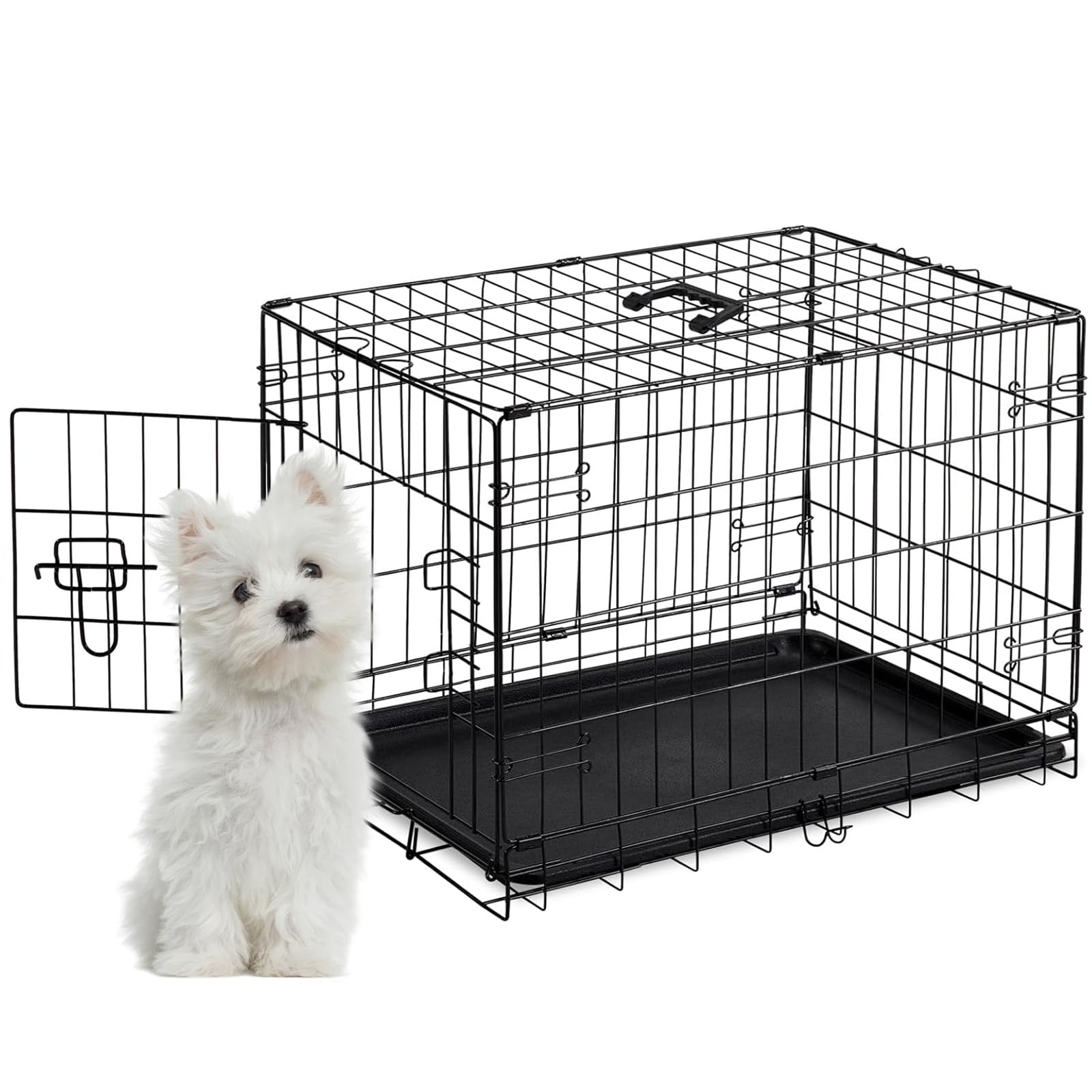
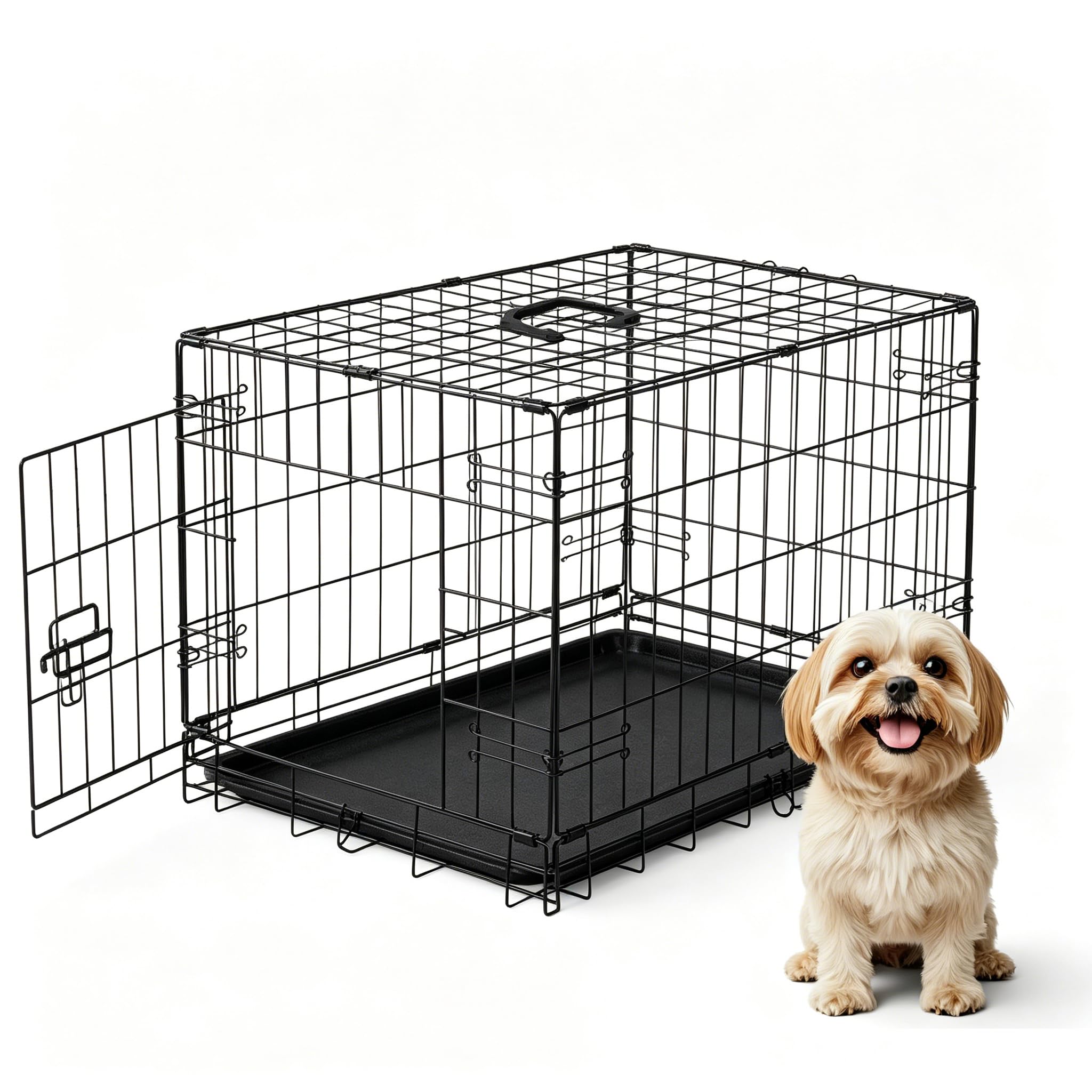
Wire crates are the most common choice for house training at home. Open sides let you watch your dog, let air move freely, and help a puppy settle while still seeing the room. Most fold flat without tools, and many include a divider panel that lets you limit space for a small puppy and expand it as the puppy grows. The trade off is noise and exposure. A restless dog can rattle the panels, and the open design offers little privacy for a dog that startles easily.
Plastic Crates for Travel and Quieter Rest
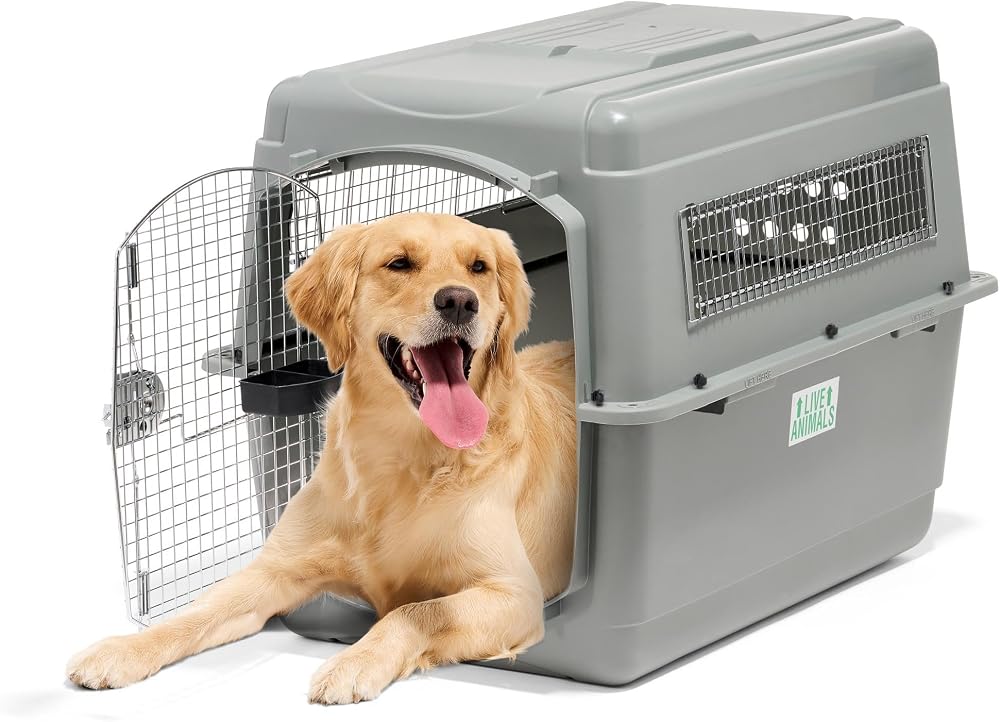
Plastic crates have solid lower walls and a covered top, so they feel more like a den. That enclosed shape can help a nervous dog rest and can contain loose hair and small spills better than wire. Many models are built with car and air travel in mind, with a carry handle and secure door hardware, so read our guide to the best travel dog crate if trips are a big part of your plan. Plastic holds odor more than wire and takes up more storage space because the shell does not fold.
Furniture Style and Fabric Crates for Calm Adult Dogs
Furniture style crates use wood or a wood look frame so the crate can sit in a living room without looking like kennel gear. Fabric crates are light and portable, with mesh panels and a frame that packs down for visits or camping. Both types reward a dog that rests calmly and does not chew or dig at barriers. A determined chewer can damage wood trim, tear mesh, or work a zipper loose, so these types are a poor match for puppies or dogs that try hard to get out.
How to Compare 30 Inch Dog Crates
Judge crates in this size on five points drawn from maker specifications and patterns in verified buyer feedback. Those points are size and fit, durability of the frame and door, safety of materials and edges, ease of cleaning, and value for the price. This guide helps you weigh those points against your own dog, so you can read any listing with clear questions in mind.
How to Choose the Right Dog Crate
Size and Form Factor
Crates come in sizes from small through medium, large, and extra large, with common lengths of 24 inch, 30 inch, 36 inch, 42 inch, and 48 inch. The 30 inch length is the middle step, large enough for many medium dogs yet small enough to fit in a car trunk or a corner of a room. Shape matters too. A taller, narrower crate suits a dog that sits upright often, while a lower, longer crate suits a dog that likes to stretch out fully when sleeping.
Type
The main types are wire, plastic, furniture style, fabric, and heavy duty metal, with options such as a single door, a double door layout, and folding frames. A second door helps when the crate must fit between furniture, because you can load your dog from the side. Heavy duty metal suits a strong dog that bends light wire. For a plain side by side look at the two most common builds, read our comparison of wire vs plastic dog crate designs before you decide.
Features Worth Paying For
A divider is worth paying for if you are raising a puppy, because it turns one crate into the right size at each growth stage and saves a second purchase. A removable tray matters for every owner, since it is the part you will clean most. A cover can help a light sleeper rest in a bright room, and a washable bed adds comfort once your dog is past the chewing stage. Skip extras you will not use, such as wheels on a crate that will never move rooms.
Sizing for Your Pet
Measure your dog from the tip of the nose to the base of the tail, then add 2 to 4 inches. That total should be less than the inside length of the crate. Next, measure your dog sitting, from the floor to the top of the head or ears, and check that this height fits under the crate roof with a small margin. Your dog should be able to stand, turn around, and lie down with legs extended. For worked examples by breed size, see our guide on what size dog crate do i need.
Materials and Chew Resistance
Wire crates use steel with a coated finish that resists rust and wipes clean. Thicker wire spaced more closely resists bending when a dog pushes or paws at the side. Plastic shells should feel rigid, with no flex at the door frame, and the resin should have no strong smell when new. Wood and fabric are the least chew resistant choices. If your dog chews bedding or furniture, choose steel, check the finish for chips that expose bare metal, and remove soft bedding until the chewing habit passes.
Cleaning and Odor Control
Look for a tray that slides out without lifting the whole crate, with a raised lip that holds liquid after an accident. Smooth tray surfaces rinse faster than textured ones, and a tray that locks in place will not shift when your dog digs before lying down. Ventilation helps odor fade between cleanings, which is one reason wire dries quickly. Our step by step guide on how to clean a dog crate covers the full routine, including what to do after an illness in the crate.
Safety
Check that bar spacing is narrow enough that your dog cannot trap a paw or push its head between bars. Doors should latch at two points or use a latch your dog cannot lift with a nose or paw, and all cut edges should feel smooth. Set the crate on a flat floor away from cords, heaters, and direct sun. If your dog panics in a crate, injures itself trying to escape, or shows sudden changes in appetite or behavior, stop crate use and talk with your veterinarian or a qualified behavior professional about a safer plan.
How Much Should You Spend?
Simple wire crates in this size often cost about $40 to $80, and that is enough for most home training needs. Plastic and sturdier wire models with thicker steel and better latches tend to cost about $80 to $180. Furniture style and heavy duty metal crates can cost about $180 to $500, which makes sense only when looks or exceptional strength truly matter. Paying more should buy stronger materials, smoother edges, and a better door, not just decorative trim.
Is a 30 Inch Dog Crate the Right Size for You?
This size usually fits medium dogs, such as many Beagles, Cocker Spaniels, and smaller Border Collies, though body length matters more than weight. A long bodied dog can outgrow a 30 inch crate while still counting as a medium dog, and a compact, heavy dog can fit well. Puppies from larger breeds will pass through this size quickly, so a divider helps only for a short stage.
Choose a smaller size if your adult dog is well under medium size, because extra empty space can invite a puppy to toilet in one corner and sleep in the other. Our guide to the best small dog crate explains that fit in more detail. Choose the next size up if your dog cannot stretch out fully or must duck to stand. For a growing puppy, the larger crate with a divider is usually the more practical buy.
FAQs
What is the best 30 inch dog crate?
The best choice is the crate that fits your dog measurements, matches your dog chewing strength, and suits where you will use it most. For most homes, that means a wire crate with a divider, a sliding tray, and a secure two point latch. One extra check is replacement part support. A maker that sells spare trays, doors, and divider panels can extend the life of the crate long after a single part wears out or cracks.
What size dog crate do I need?
Start with your dog length and sitting height, then match those numbers to the inside dimensions on the listing rather than the outside ones, because wall thickness and door frames reduce usable space. Puppies add a twist. Remeasure a young puppy about once a month, since a crate that fit at three months can be too short at five months. If your puppy is close to the limit, move the divider back early instead of waiting for the crate to feel tight.
How long does a dog crate last?
A steel wire or rigid plastic crate can serve for the life of one dog and often a second dog after that. The parts that usually end its life are a cracked tray, a bent door that no longer latches true, or rust that weakens a corner joint. Storing the crate dry and indoors between uses slows that wear a great deal, while leaving it outside in rain and sun can cut its useful life to a few seasons.
Is a dog crate worth it?
A crate earns its cost when you use it for more than one job. Beyond house training, it gives your dog a familiar resting place during travel, a safe spot away from guests or repair workers, and a controlled space for rest after surgery when your veterinarian advises limited movement. It also helps with routine care at the groomer or clinic, because a dog that rests calmly in a crate at home usually handles a kennel stay away from home with less stress.
How do you clean a dog crate?
For a routine accident, remove bedding, wash it hot, and clean the tray and floor area with a cleaner made for pet messes, then let every part dry fully before bedding goes back in. One point many owners miss is the door and latch area. Grime and dried saliva build up around hinges and can make a latch stiff, so wipe those parts during each deep clean and check that the door still closes smoothly and locks at every point afterward.
What is the most reliable dog crate brand?
Reliability in this size depends less on a name and more on signs you can check on any listing. Look for a clear warranty, spare parts you can actually order, consistent sizing charts, and a door design that has not changed between production runs. Read recent buyer comments for repeated notes about the same failure, such as a latch that bends. A pattern of one shared failure tells you more about long term reliability than a high average rating alone.
Final Thoughts
Start with your dog measurements, pick the type that fits your home and travel life, and then compare latches, tray design, and materials in the product table above. A careful pick of the best 30 inch dog crate gives your dog a safe, familiar place to rest and gives you a training tool that works day after day. Prices and availability can change, so check the product page before ordering.